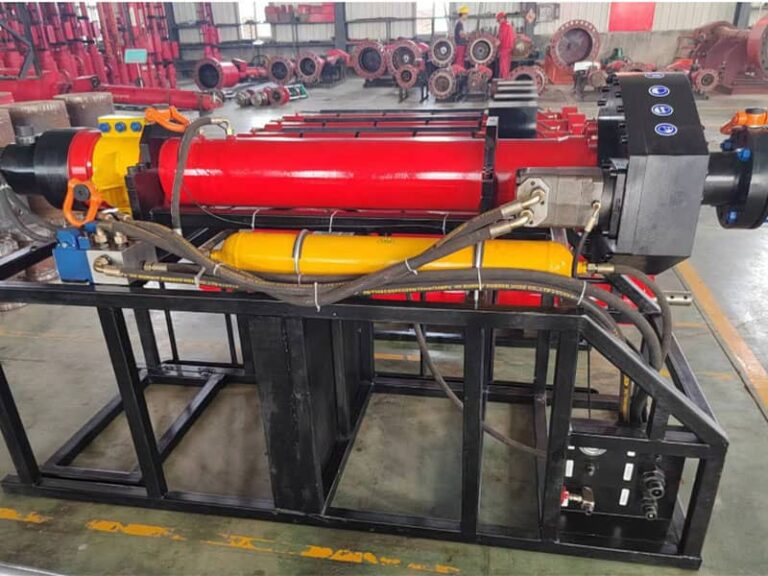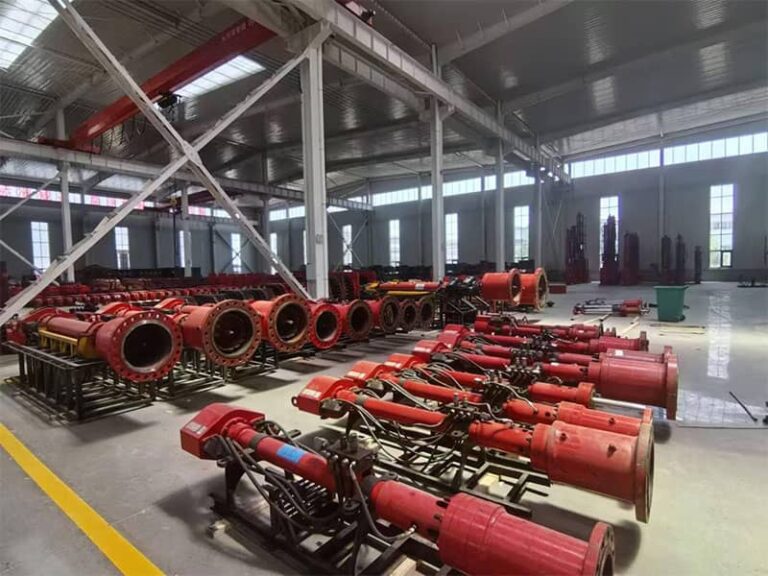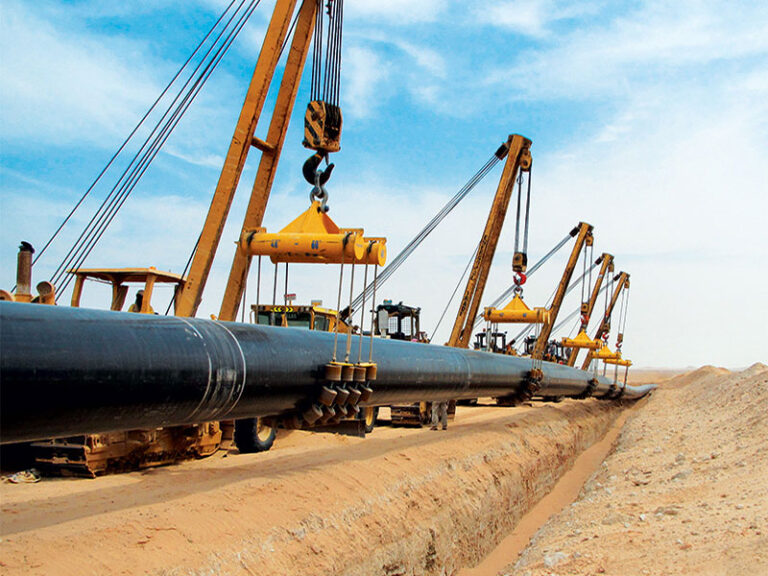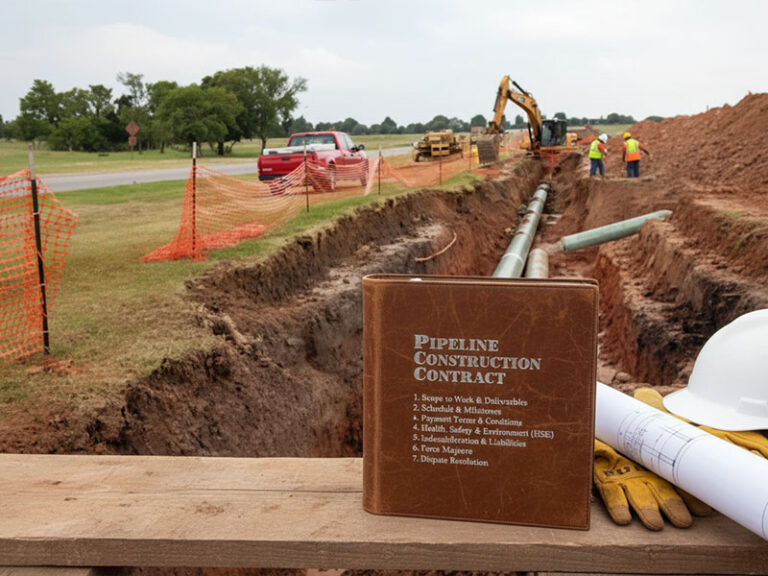
A leather-bound pipeline construction contract book, blueprints, and a hard hat in the foreground of an active construction site featuring a deep trench, pipes, and heavy machinery.

What should I look for in a pipeline construction contract?

When reviewing a pipeline construction contract, you must look for clear terms on scope, price, schedule, liability, compliance, and change management to protect your project and finances. A well-structured contract acts as the foundational blueprint for project success, risk mitigation, and legal protection. This guide breaks down the seven most critical
Baca Selengkapnya »
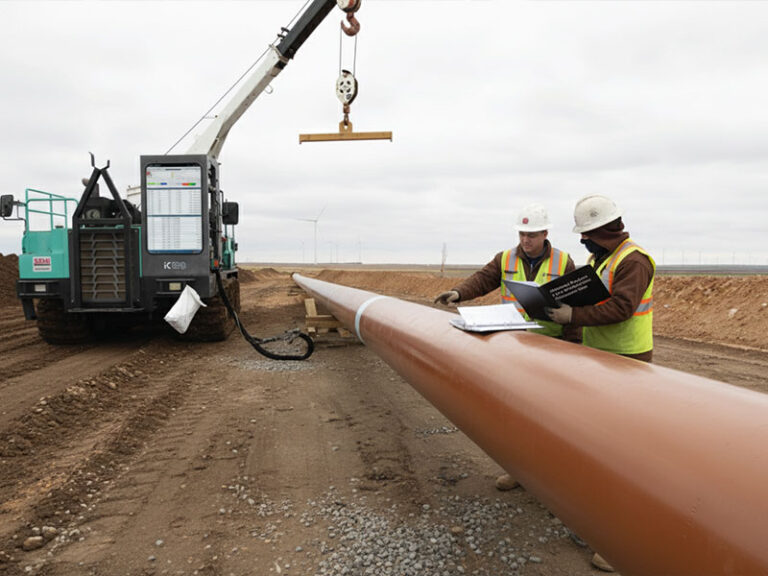
Two construction workers wearing hard hats and high-visibility vests reviewing project plans beside a large orange pipeline at a job site with heavy machinery.

How do I vet the financial stability and project history of a pipeline builder?

Vetting the financial stability and project history of a pipeline builder requires a systematic approach combining direct data requests, analysis of audited financial documents, verification of past project performance, and consultation with industry rating agencies. This process is critical to mitigate risks in pipeline construction, maintenance, and complex services like hot tapping or trenchless pipe rehabilitation. A

Baca Selengkapnya »
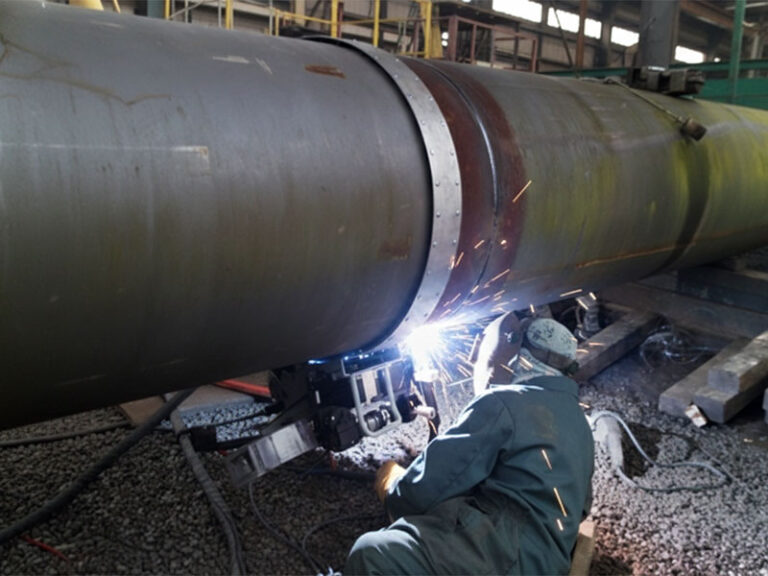
A professional welder using automated orbital welding equipment on a large-diameter industrial pipeline with bright sparks and protective gear.

What are the advantages of automated welding over manual welding in pipeline projects?

In the world of construction and maintenance for oil, gas, and water pipelines, welding is the critical operation that ensures structural integrity, safety, and longevity. As project demands escalate and quality standards tighten, the industry is decisively shifting from manual techniques to automated welding for pipeline applications. But what are the concrete, measurable benefits driving this change? Automated welding surpasses

Baca Selengkapnya »
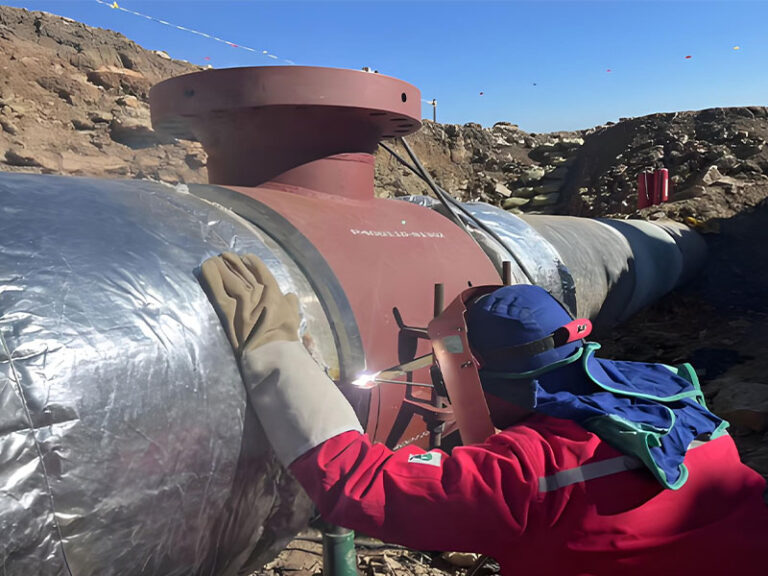
Professional hot tapping machines for pipeline construction and repair services.

Who are the leading global manufacturers of hot tapping and plugging equipment

The leading global manufacturers of hot tapping and plugging equipment include established multinational solution providers like TD Williamson, STATS Group, and Enerpac, specialized engineering firms such as Schallert Enterprises and Petersen Products, and a growing number of capable regional manufacturers. This article provides a comprehensive analysis of these key players, explaining the

Baca Selengkapnya »
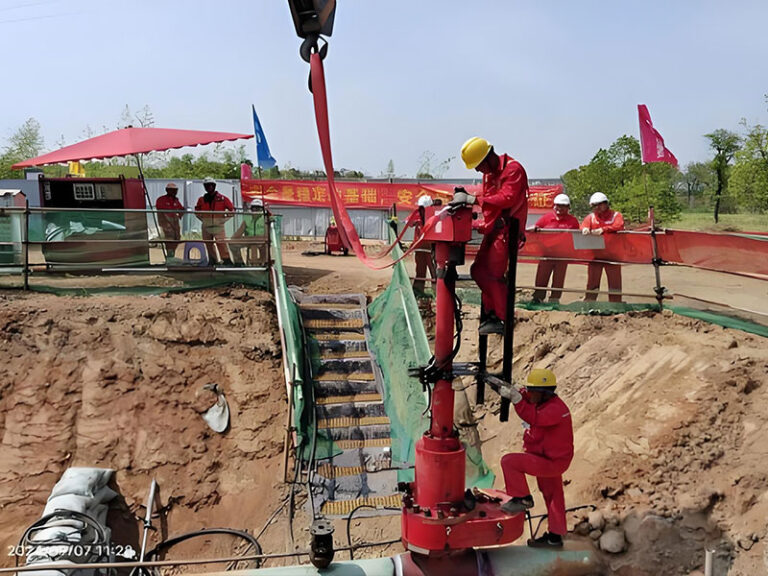
Workers operating equipment during Pipeline Encroachment Remediation for Wuxin pipeline in Xianggan

How to Evaluate and Select a Competent Pipeline Engineering Firm: A Comprehensive Guide

Selecting a competent pipeline engineering firm requires a structured evaluation of their technical capabilities, proven experience, financial health, and commitment to safety. This process involves scrutinizing formal credentials like industry-specific certifications and project portfolios, assessing technical expertise in critical areas like trenchless rehabilitation and hot tapping, and verifying their operational and

Baca Selengkapnya »
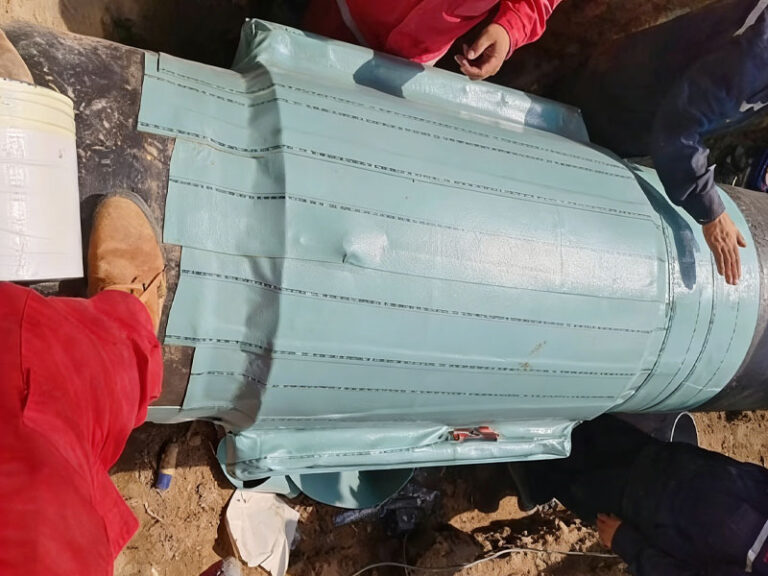
Workers apply a protective repair sleeve to an excavated pipeline in a trench, addressing damage from pipeline deterioration to restore functionality.

What are the main causes of pipeline deterioration that necessitate rehabilitation?

The Main Causes of Pipeline Deterioration That Necessitate Rehabilitation Pipeline deterioration is primarily caused by aging infrastructure, material corrosion, environmental stresses, operational factors, and third-party damage, all of which necessitate timely rehabilitation to prevent failures. This article systematically examines these causes, explaining the underlying mechanisms, providing real-world examples, and citing relevant

Baca Selengkapnya »
Analisis kegagalan lapisan CIPP yang menunjukkan adanya retakan, delaminasi, kerutan, dan cacat di dalam pipa bawah tanah

Jenis-Jenis Kegagalan Liner CIPP: 10 Masalah Umum pada Pelapisan Pipa Tanpa Penggalian, Penyebab, dan Solusinya

1. Apa Saja Mode Kegagalan Liner CIPP yang Paling Umum?  Mode kegagalan liner CIPP yang paling umum meliputi: Kegagalan-kegagalan ini terutama disebabkan oleh desain yang buruk, persiapan permukaan yang tidak memadai, proses pengeringan yang tidak tepat, kesalahan pemasangan, dan pemilihan bahan yang tidak sesuai. Cacat CIPP dan kegagalan rehabilitasi tanpa galian ini umumnya terbagi menjadi lima kategori utama: struktural

Baca Selengkapnya »
Ilustrasi teknik mengenai penyelidikan geoteknik pengeboran arah horizontal (HDD) yang memperlihatkan rig HDD, lintasan pengeboran pipa bawah tanah, lapisan tanah liat, pasir, kerikil, dan batuan, pengujian CPT, pengeboran tanah, permukaan air tanah, serta instrumen pemantauan.

Bagaimana Cara Mengukur Stabilitas Tanah Sebelum Proyek Tanpa Penggalian? Panduan Investigasi Geoteknik HDD

Stabilitas tanah sebelum pelaksanaan proyek tanpa galian diukur melalui lima langkah utama: Pengujian ini menentukan kekuatan tanah, kepadatan, kondisi air tanah, serta risiko runtuh atau retakan hidraulik (frac-out) sebelum pengeboran dimulai. Sekilas tentang Proses Pengujian Stabilitas Tanah Tahap Investigasi Pengujian/Metode Utama Tujuan Utama Peninjauan Lokasi Geologi

Baca Selengkapnya »
Infografis teknik yang membandingkan konsep jarak tarik untuk HDD, pipe bursting, E-Power Pipe, dan pull-in-place lining pada jaringan pipa bawah tanah

Jarak Maksimum Pipa yang Dapat Ditarik Menggunakan Metode Tanpa Penggalian: Batas Panjang Penarikan HDD, Pipa Bursting, dan Lining

Jarak maksimum yang dapat ditempuh pipa dengan metode tanpa galian berkisar antara sekitar 50 meter hingga lebih dari 3.000 meter, tergantung pada teknologi pemasangan, karakteristik pipa, kondisi tanah, dan keterbatasan peralatan. Untuk pembangunan pipa baru, Horizontal Directional Drilling (HDD) biasanya mencapai 200–800 meter per tarikan. Untuk rehabilitasi pipa, peralatan khusus

Baca Selengkapnya »
Ilustrasi potongan melintang teknik yang membandingkan lapisan resin CIPP, poliurea yang diaplikasikan dengan penyemprotan, sliplining HDPE, dan segmen lapisan struktural UHPC pada pipa saluran pembuangan bawah tanah.

Bahan Terbaik untuk Rehabilitasi Pipa Tanpa Penggalian: Perbandingan CIPP, Polyurea, dan HDPE

Bahan Terbaik untuk Rehabilitasi Pipa Tanpa Penggalian Bahan yang paling banyak digunakan dan paling efektif untuk rehabilitasi pipa tanpa penggalian adalah sistem resin termoset—khususnya epoksi, poliester, dan vinil ester—yang dipadukan dengan kain penguat seperti serat kaca atau kain poliester. Untuk sebagian besar proyek rehabilitasi saluran pembuangan perkotaan, CIPP poliester menawarkan keseimbangan biaya-kinerja terbaik, sedangkan CIPP epoksi lebih disukai untuk pipa

Baca Selengkapnya »