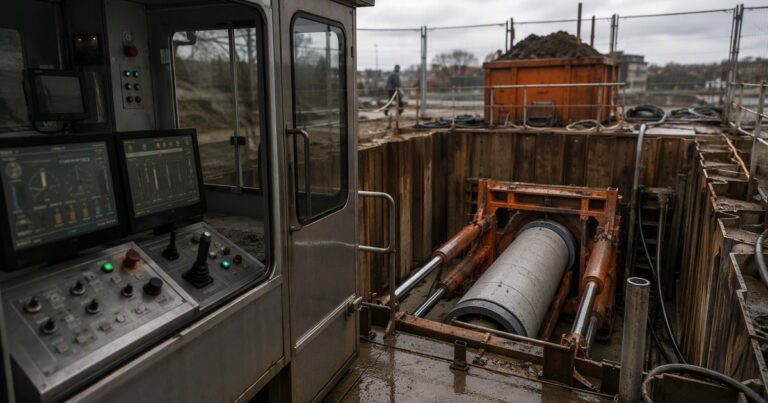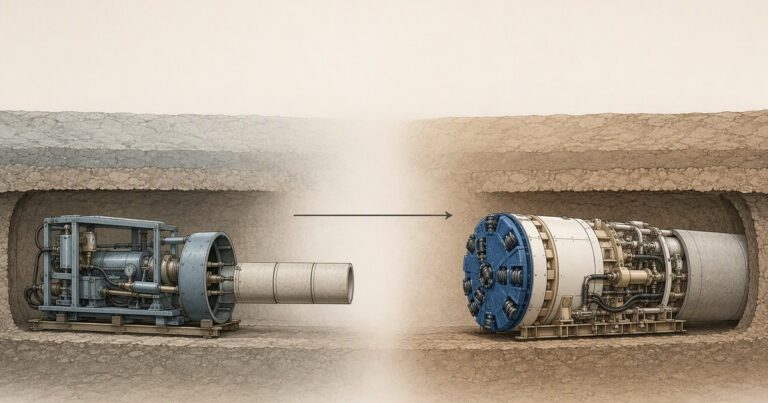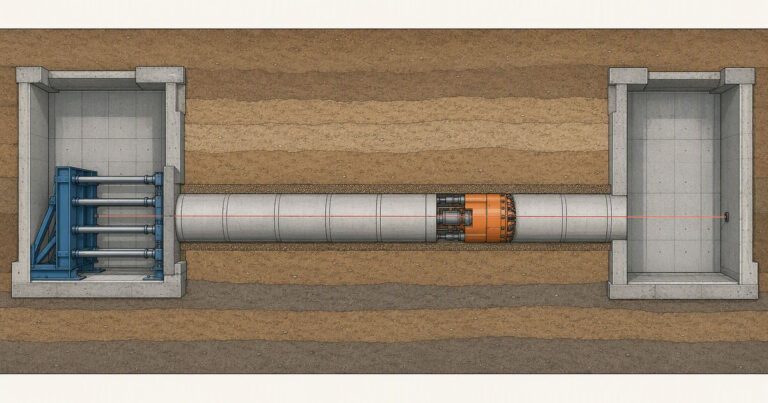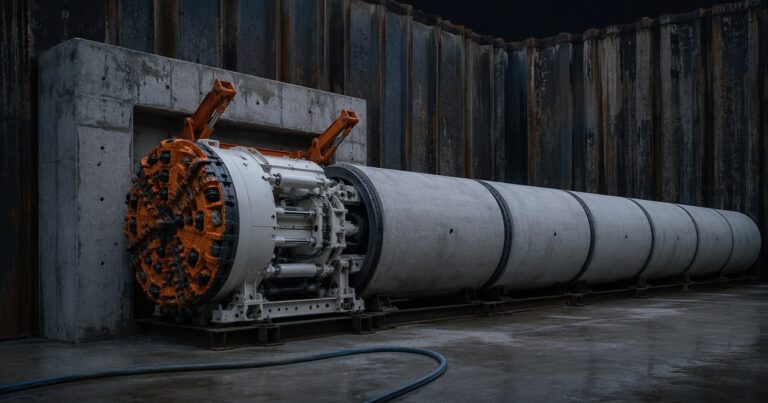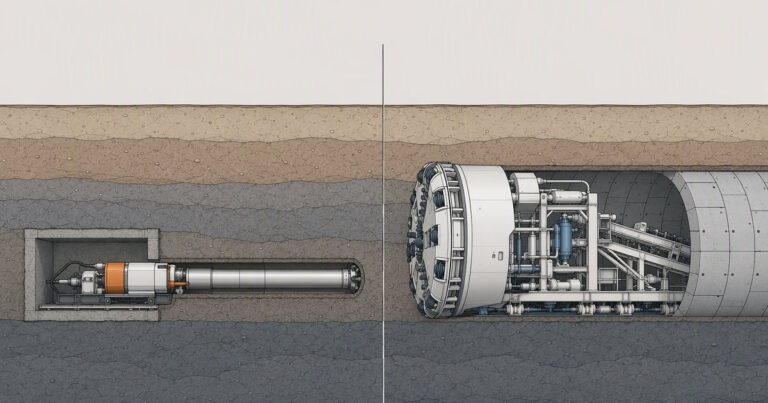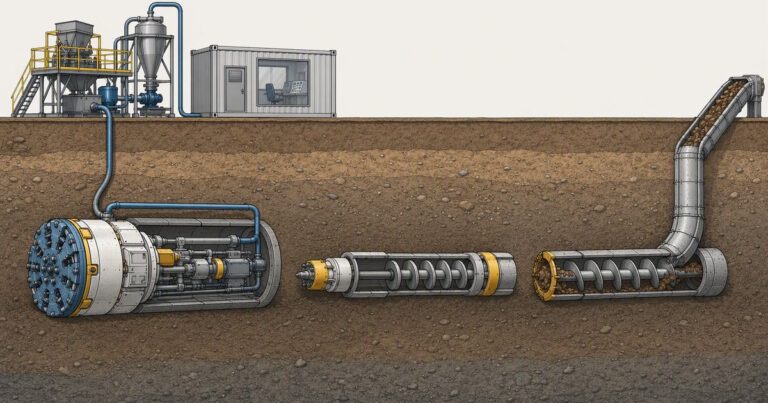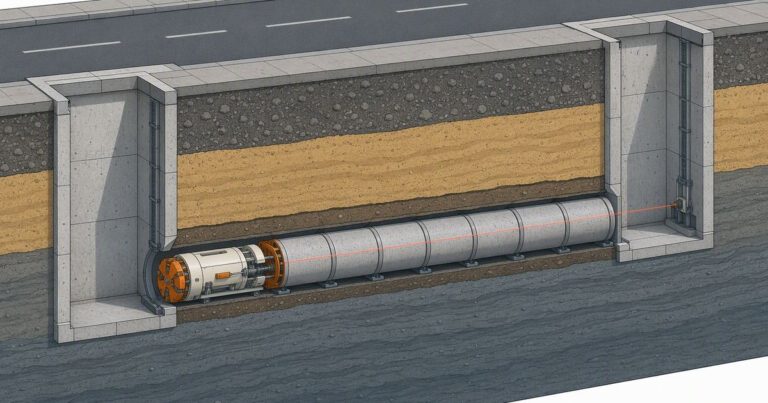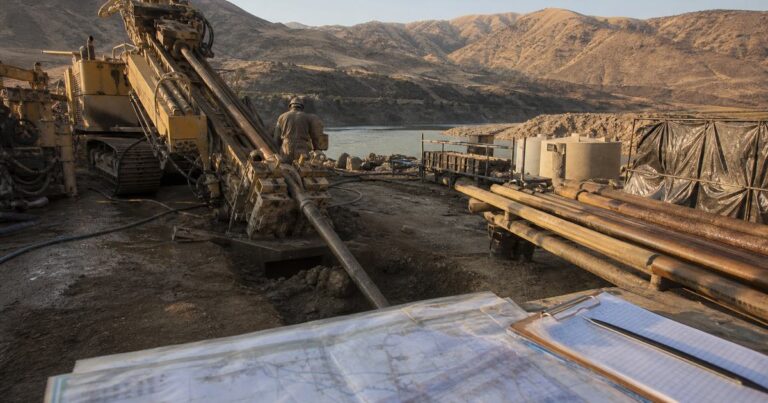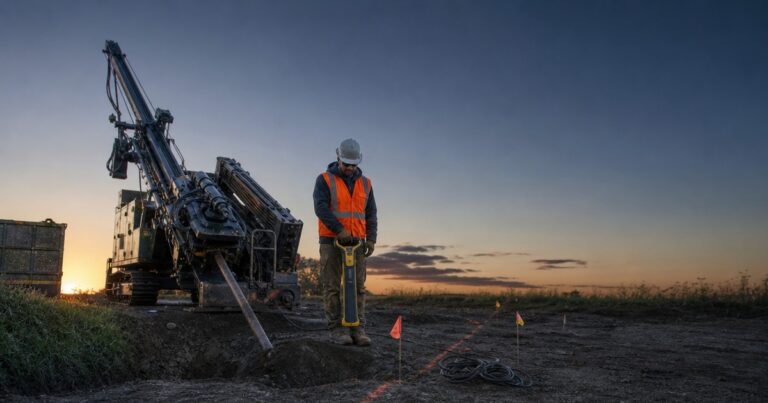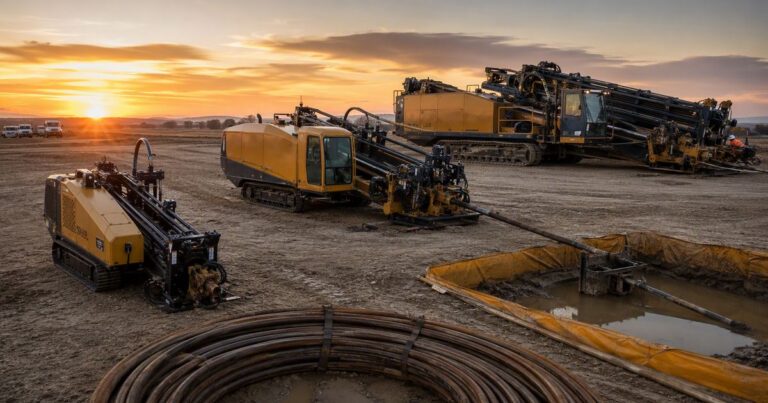
Horizontal directional drilling rig at a pipeline crossing site with risk planning documents in the foreground

HDD Risks and How to Minimize Them on Pipeline Jobs

HDD risks are the physical, financial and regulatory exposures that can turn a horizontal directional drilling crossing into a schedule and cost problem, and minimizing them starts with a written risk register that spans the whole project life cycle. This guide organises the main hazards into seven families, from geotechnical

Read More »
HDD guidance system comparison showing a walkover locator, a downhole survey tool and a gyro steering tool

HDD Guidance Systems: Walkover vs. Wireline Gyro Steering

An HDD guidance system (horizontal directional drilling) is the set of downhole sensors, data paths and surface equipment used to place a pilot bore where the design says it belongs. Choosing between walkover, downhole magnetic and gyro steering is an accuracy-budget decision. Steering, surveying and tracking are often delivered by

Read More »
Engineering infographic comparing pulling-distance concepts for HDD, pipe bursting, E-Power Pipe, and pull-in-place lining in underground pipelines

Maximum Distance a Pipe Can Be Pulled Using Trenchless Methods: HDD Pull Length, Pipe Bursting & Lining Limits

The maximum distance a pipe can be pulled using trenchless methods ranges from approximately 50 meters to more than 3,000 meters, depending on the installation technology, pipe characteristics, ground conditions, and equipment limitations. For new pipeline construction, Horizontal Directional Drilling (HDD) typically achieves 200–800 meters per pull. For pipeline rehabilitation, specialized

Read More »
Engineering cutaway illustration comparing CIPP resin liners, spray-applied polyurea, HDPE sliplining, and UHPC structural lining segments in underground sewer pipes.

Best Trenchless Pipe Rehabilitation Materials: CIPP, Polyurea, HDPE Comparison

Best Materials for Trenchless Pipe Rehabilitation The most widely used and effective materials for trenchless pipe rehabilitation are thermosetting resin systems—specifically epoxy, polyester, and vinyl ester—combined with reinforcement fabrics such as fiberglass or polyester felt. For most municipal sewer rehabilitation projects, polyester CIPP offers the best cost-to-performance balance, while epoxy CIPP is preferred for pipes

Read More »