
Dịch vụ kiểm tra đường ống
Advanced MFL Pipeline Inspection Services
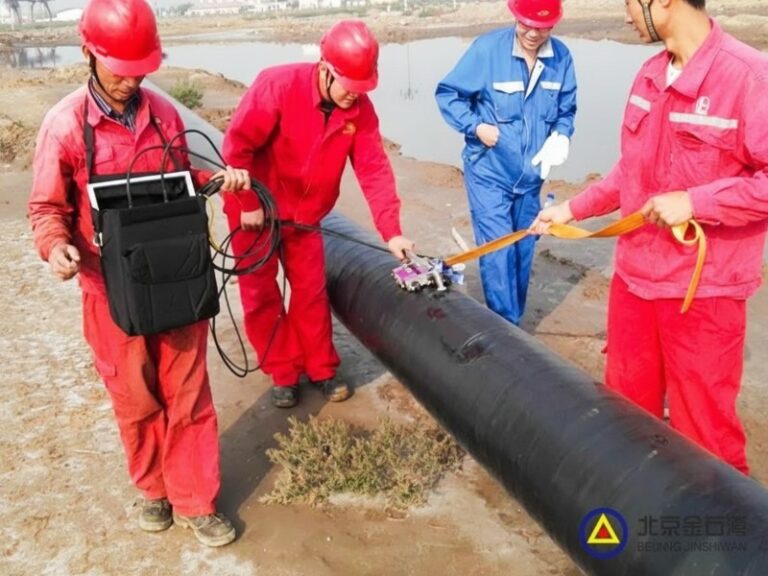
Ensuring the safe operation of oil and gas transmission pipelines is critical to your business and the environment. As a leading provider of pipeline inspection services, we specialize in advanced Magnetic Flux Leakage (MFL) technologies designed to detect anomalies before they lead to catastrophic failures.
Our Core Inspection Technologies:
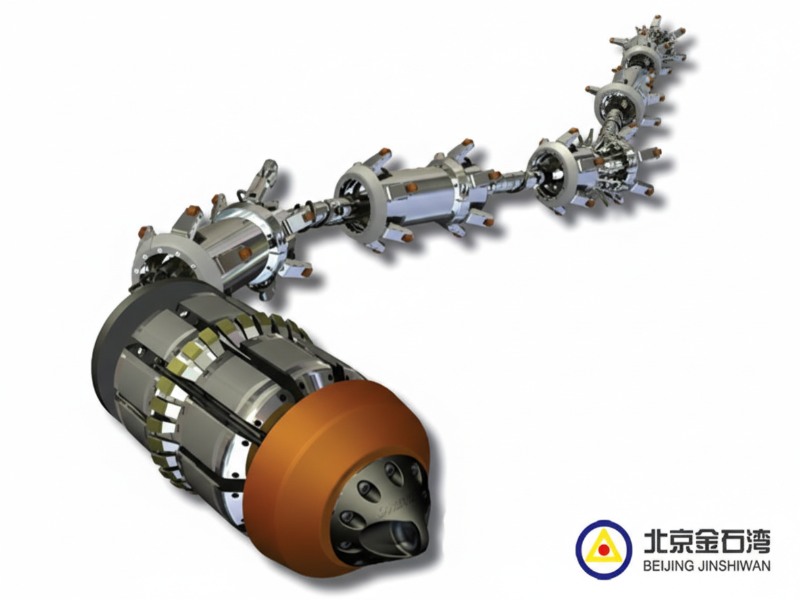
Internal MFL Inspection: Deploying intelligent pigs to scan the internal wall of pipelines, identifying corrosion, metal loss, and pitting.
External Crawler MFL Inspection: Ideal for pipelines that are not piggable or require external assessment, utilizing robotic crawlers to inspect the outer surface with high precision.
Industries We Serve:
We cater to a wide range of energy sectors, including:
-
Natural Gas Pipelines
-
Water Injection Pipelines
-
Refined Product Pipelines
-
Long-Distance Oil & Gas Transmission Pipelines
-
Oil & Gas Gathering and Transfer Pipelines
-
Subsea/Offshore Pipelines
Why Choose Our Pipeline Integrity Services?
Our advanced NDT pipeline inspection goes beyond simply finding leaks. We focus on pipeline defect assessment by precisely identifying:
Stress Concentration Zones
Deformation Areas
Corrosion and Cracking
Based on the defect anomaly grading, our expert engineers provide targeted repair recommendations. This proactive approach helps you prevent pipeline punctures and ruptures, ultimately enhancing your pipeline safety operation capability and ensuring compliance with pipeline integrity management standards.
What is MFL in pipeline inspection?
MFL (Magnetic Flux Leakage) is a technique used in oil and gas pipeline inspection to detect corrosion and pitting by introducing a magnetic field into the pipe wall. Sensors measure the leakage field caused by defects.
How often should long-distance oil pipelines be inspected?
The frequency depends on regulations and the pipeline’s risk factors, but typically, long-distance oil & gas transmission pipeline inspection is performed every 3-5 years using inline inspection tools like MFL pigs.
Purpose of Pipeline Inspection
1. Magnetic Flux Leakage Testing
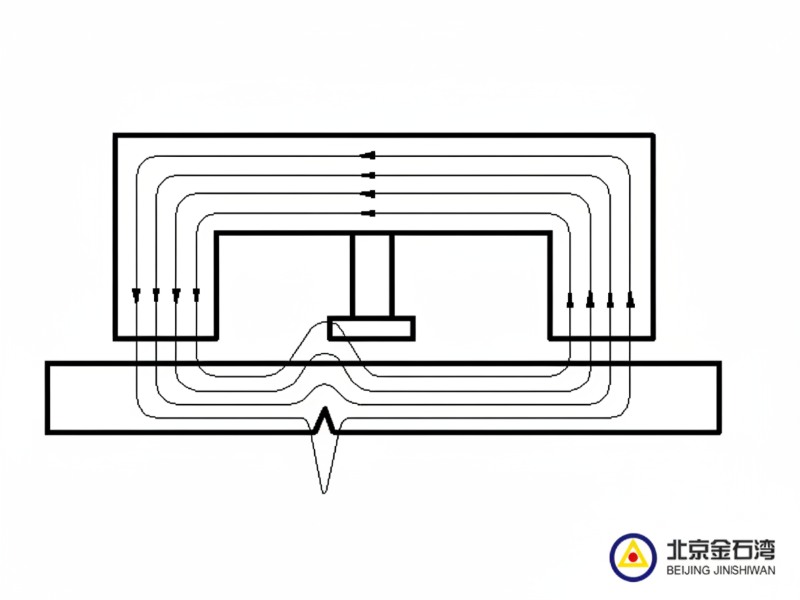
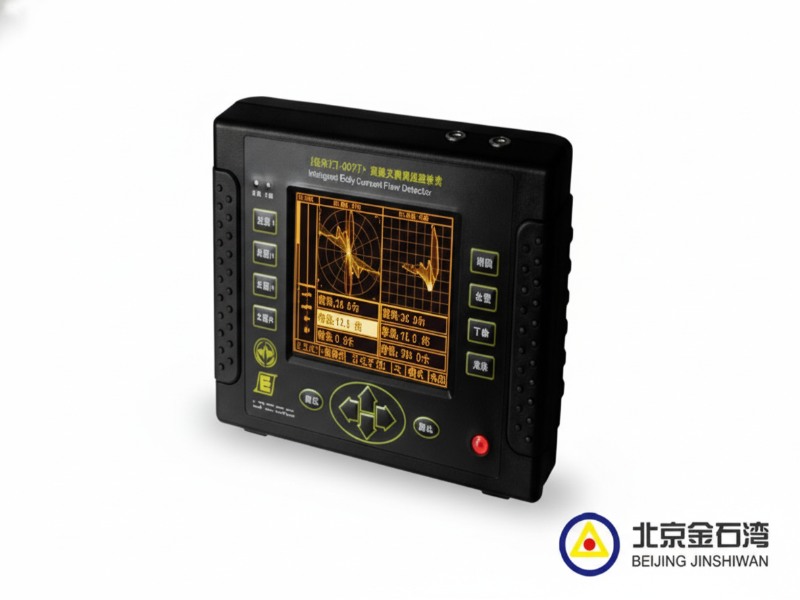
Magnetic Flux Leakage (MFL) testing refers to the process where ferromagnetic materials are magnetized, causing a magnetic leakage field to form on the surface due to defects on or near the specimen surface. People can detect defects by identifying changes in this magnetic leakage field.
2. Pipeline External Inspection
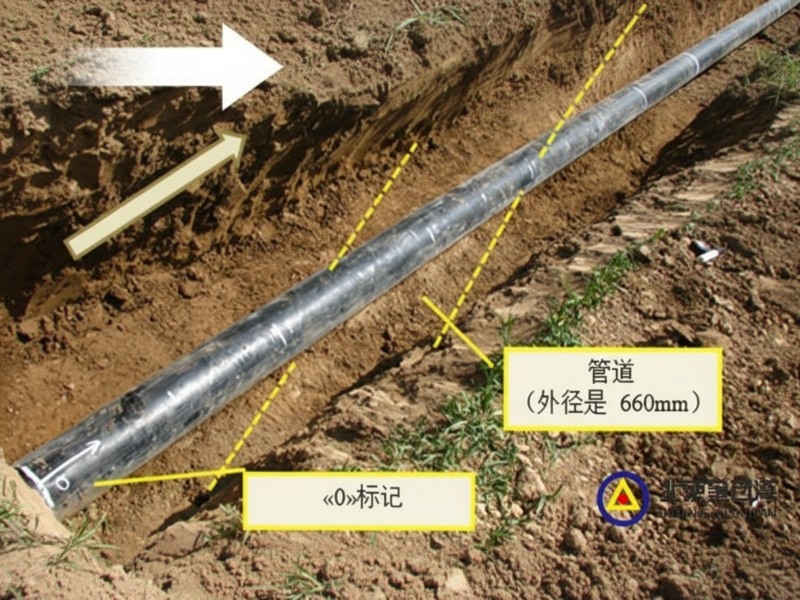
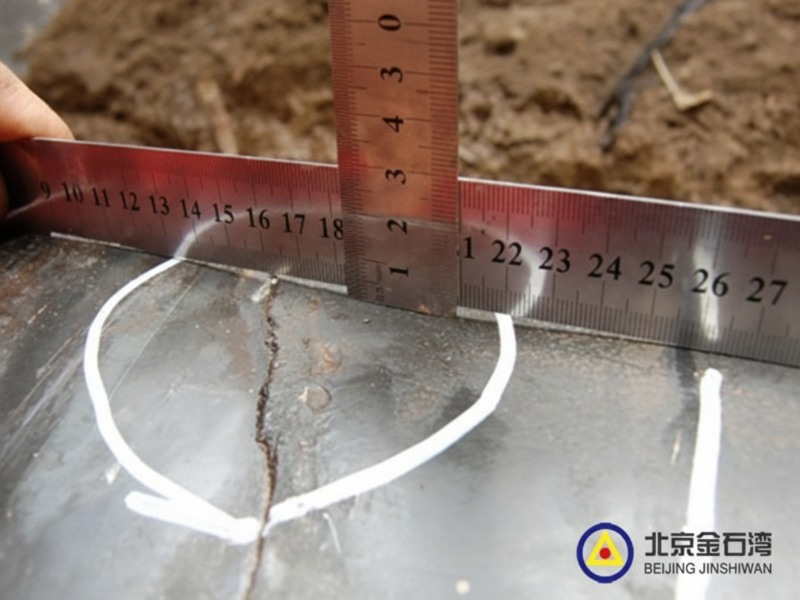
Conducting external inspections on pipelines allows for direct detection and evaluation of the integrity of the pipeline’s external anti-corrosion coating. This can reduce the impact of external corrosion on pipeline integrity and improve pipeline safety. By confirming corrosion activity and repairing corrosion defects, the expansion of external corrosion defects can be prevented, thereby avoiding compromising the integrity of the pipeline’s external protection.
Non-Contact Magnetic Stress Inspection (PMT)
Revolutionizing Pipeline Integrity with PMT Technology
At the forefront of non-destructive testing (NDT) , our Non-Contact Magnetic Stress Inspection (PMT) service offers a cutting-edge solution for assessing the health of critical energy infrastructure. Unlike traditional methods, PMT technology excels at identifying stress concentration zones and deformation areas before they evolve into critical failures.
Advanced Defect Detection Capabilities
Our pipeline inspection service utilizes PMT technology to detect and evaluate:
Stress Concentration Zones: Identify areas of high mechanical stress that could lead to fatigue cracking.
Deformation and Geometric Anomalies: Detect dents, ovality, and other shape irregularities.
Early-Stage Metal Loss: Uncover potential weak points before visible corrosion occurs.
From Detection to Prevention: Our Integrity Management Approach
Based on precise defect anomaly grading, our engineering team provides targeted repair and maintenance recommendations. This proactive strategy enables pipeline operators to:
✅ Prevent Pipeline Punctures and Ruptures
✅ Enhance Pipeline Safety Operation Capability
✅ Improve Overall Pipeline Integrity Management
✅ Extend Asset Lifespan and Reduce Downtime
What is PMT in pipeline inspection?
PMT (Magnetic Stress Inspection) is an advanced non-contact NDT method that detects stress concentration and deformation in ferromagnetic pipelines without removing coating or interrupting service.
How does PMT differ from traditional MFL inspection?
While MFL detects metal loss from corrosion, PMT technology focuses on identifying stress anomalies and early-stage deformation, providing a more comprehensive view of pipeline health.
Is PMT suitable for subsea pipeline inspection?
Yes, our subsea pipeline inspection services utilize PMT technology to assess underwater pipelines, identifying potential risks before they lead to failures.
Non-Contact Magnetic Stress Inspection (PMT)
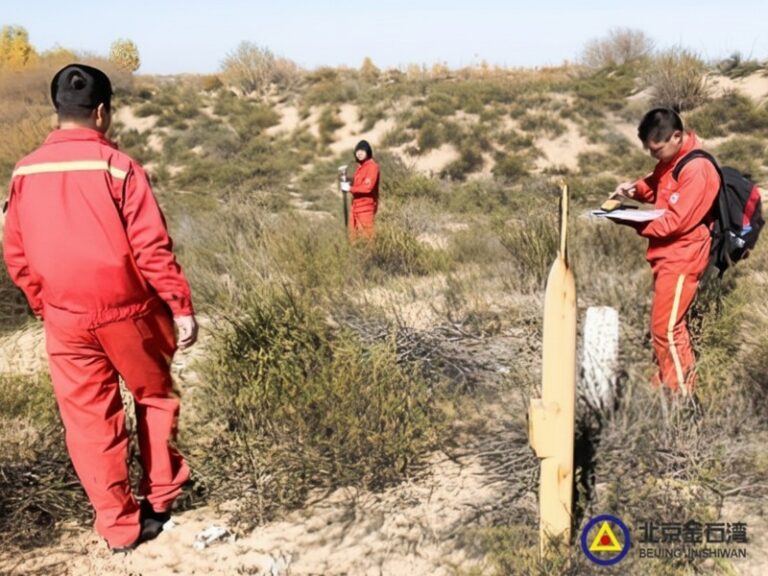
The PMT non-contact magnetic stress inspection technology employs an external inspection method to collect pipeline magnetic field data. By combining this with basic data extracted from probe pits, the inspection can be completed, providing relatively comprehensive data on pipeline body defects and evaluation results. This is something that other external inspection methods cannot achieve. It enables direct identification of defect stress concentration and deformation areas in ferromagnetic piping materials, including refined product pipelines, long-distance oil and gas transmission pipelines, oil and gas gathering and transfer pipelines, water injection pipelines, and subsea pipelines. Based on defect anomaly grading, targeted repair recommendations are provided to prevent pipeline punctures, ruptures, and other accidents, thereby enhancing the safe operation capability and integrity management level of oil and gas pipelines.
Ferromagnetic pipelines buried near the ground surface, when polarized by the geomagnetic field, generate an additional magnetic field superimposed on the geomagnetic field at corresponding locations, which reflects their stress state.
The technical core of non-contact magnetic stress inspection technology is to scan and collect this “additional magnetic field.”
Since the rate of change (i.e., the gradient) of the geomagnetic field at any point is very weak compared to the gradient of the pipeline’s magnetic field, when gradient measurement is employed, the collected data primarily carries information about the pipeline’s magnetic field.
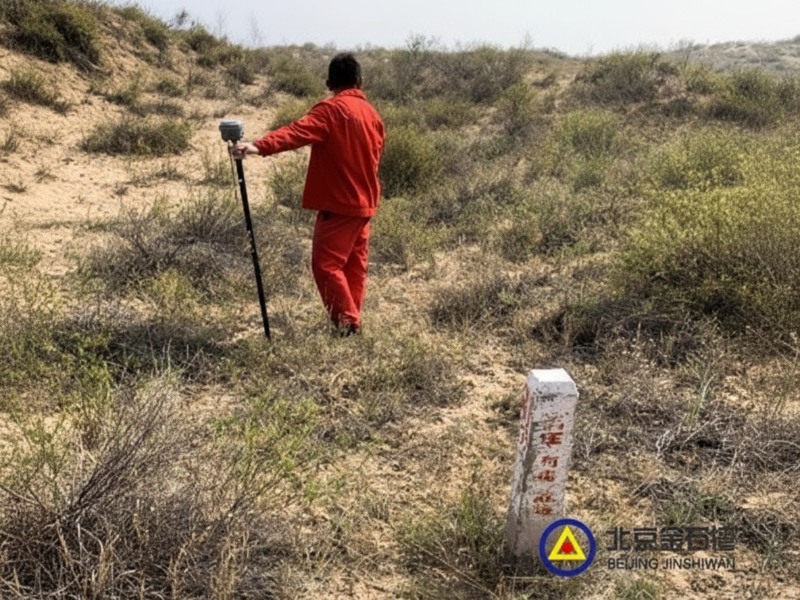
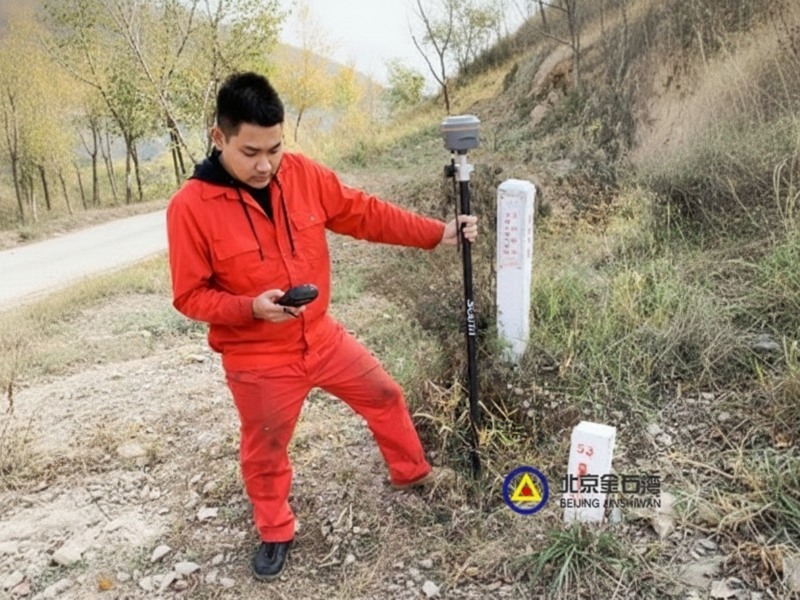

Advantages of Non-Contact Magnetic Stress Inspection Technology
The comprehensive external inspection technology, centered around the PMT inspection technique, involves collecting magnetic field data along the path of buried pipelines and analyzing the data to obtain information on the types and severity of pipeline body defects. Its main characteristics are as follows:
Detects defects in the pipeline body (such as metal loss, suspected cracks, etc.) without the need for excavation;
Eliminates the need for installing launcher/receiver traps, pigging, or medium propulsion. The inspection process is safe, with no risks such as pressure buildup or pig jamming;
Imposes no requirements regarding pipe diameter changes, bends, or distance;
Does not affect upstream or downstream users during production and operation;
Capable of detecting the actual stress levels present in the buried pipeline body;
Serves as an effective supplementary method for pipeline sections where intelligent MFL inspection cannot be performed;
Offers straightforward comprehensive costs and low operational risk.
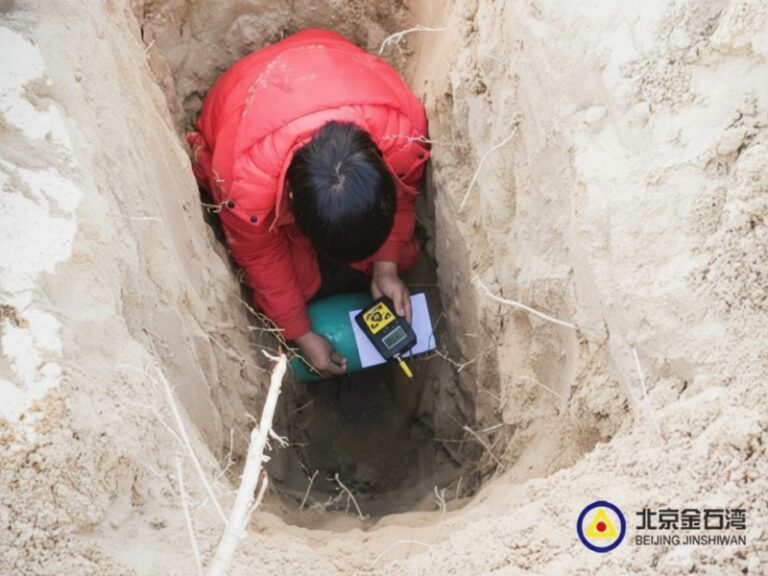
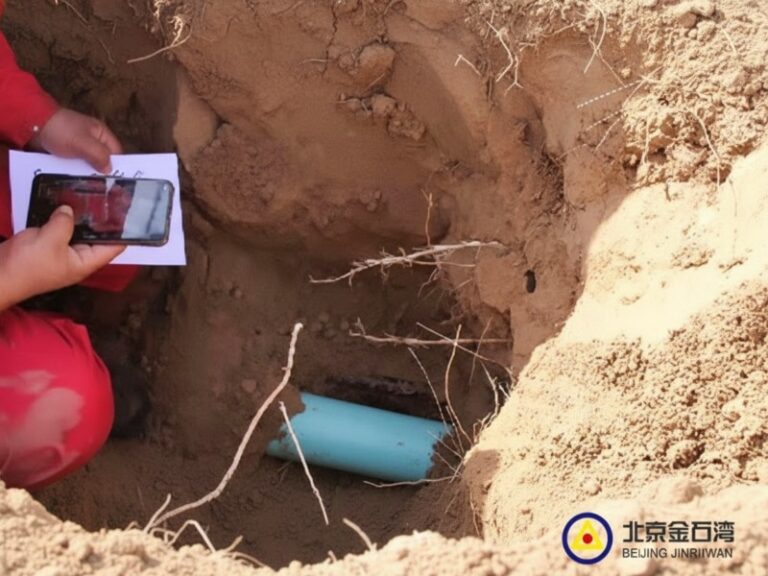
Basic Principles of Non-Contact Magnetic Stress Inspection Technology (PMT)
Non-Contact Magnetic Stress Inspection Technology (PMT) is a rapid non-destructive testing method that utilizes the metal magnetic memory effect to detect stress concentration areas in components. This technology enables the diagnosis of stress concentration zones within ferromagnetic metal components—specifically, the identification of micro-defects, early-stage failures, and damage—without the need to clean the component surface. It represents a new inspection approach in the field of non-destructive testing.
Reference Standards
ISO 24497-1-2007 “Non-destructive testing – Metal magnetic memory”
PDA 102-008-2009 “Guidelines for Pipeline Technical Condition Diagnosis Using Non-Contact Magnetic Testing Methods (Approved by the Industrial Committee of the Russian Federation)”
Technical Principle Implementation
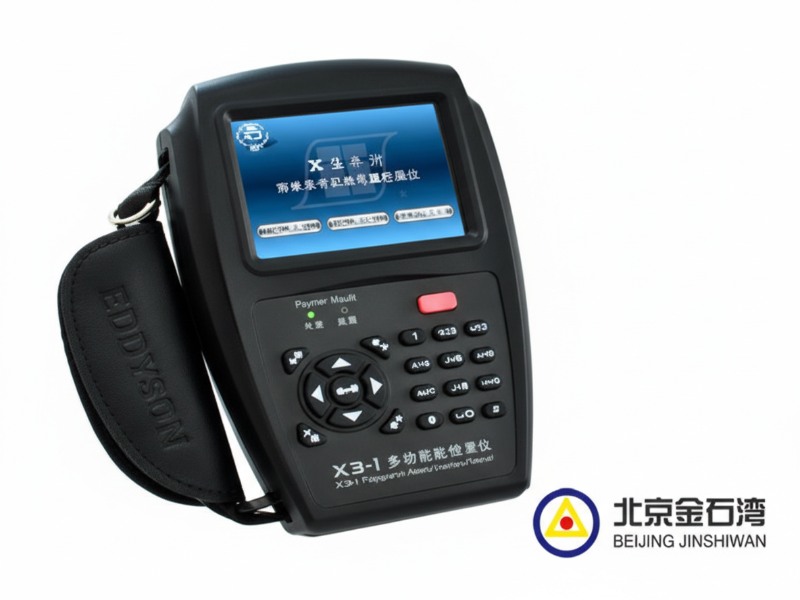
Currently, technologies that successfully utilize the metal magnetic memory principle for pipeline inspection both domestically and internationally include the Stress Concentration Magnetic Inspection Instrument (3M, 4M, 5M) and the Non-Contact Magnetometer Technology (MTM). The Non-Contact Magnetic Stress Inspection (PMT) technology for steel pipelines applied by our company offers enhanced anti-interference capabilities, compatibility with electromagnetic interference, real-time on-site display, immediate detection and positioning, and alignment with the characteristics of domestic pipelines.
Pipeline Metal Defects and Stress Concentration
Pipeline metal loss that exceeds normal levels generally includes:
Manufacturing defects (various directional welds, crack defects, lamination, edge rolling, water rust)
Mechanical defects (dents, wrinkles, gouges, indicator marks)
Welding defects (porosity, lack of penetration, edge misalignment, residual thermal stress in weld zone)
Localized corrosion defects (corrosion pits, linear corrosion, stress corrosion cracking)
Areas of increased overall stress deformation associated with pipeline dents, mountain landslides, temperature and other deformation loads, bending stress, etc., during construction, operation, and other procedures. (A function that inline MFL inspection does not possess)
Yêu cầu tư vấn miễn phí về dịch vụ đường ống
Tìm hiểu thêm tại
Bạn đang gặp khó khăn trong việc triển khai dự án đường ống? Hãy nhận giải pháp được thiết kế riêng từ các chuyên gia của chúng tôi. Vui lòng cung cấp thông tin chi tiết của bạn ở bên dưới, và chúng tôi sẽ liên hệ với bạn trong vòng 24 giờ để thảo luận về các yêu cầu dự án, tiến độ và ngân sách của bạn.
Bắc Kinh Jinshiwan là nhà cung cấp tổng hợp hàng đầu về công nghệ và dịch vụ đường ống, kết hợp sản xuất thiết bị cao cấp với chuyên môn kỹ thuật chuyên nghiệp. Chúng tôi cung cấp các giải pháp đường ống an toàn, đáng tin cậy và sáng tạo trong suốt vòng đời cho các ngành công nghiệp dầu khí, hóa chất và tiện ích trên toàn cầu.
Xây dựng và lắp đặt đường ống
- Xây dựng đường ống xuyên quốc gia
- Lắp đặt và vận hành thử đường ống
- Lắp đặt hệ thống đường ống nhà máy
- Di dời và cải tạo đường ống
Bảo trì và sửa chữa đường ống
- Dịch vụ khoan lấy mẫu nóng và khoan lấy mẫu dưới áp lực
- Dịch vụ bịt kín và cách ly đường ống
- Sửa chữa khẩn cấp đường ống
- Cải tạo và lót ống dẫn
- Sửa chữa bằng ống lót composite (lắp đặt ống lót loại B)
- Bảo vệ chống ăn mòn và sửa chữa
Dịch vụ kỹ thuật chuyên ngành
- Quản lý tính toàn vẹn của đường ống
- Dịch vụ hỗ trợ kiểm tra trực tuyến
- Các công việc sửa chữa đường dây điện đang hoạt động mà không gây gián đoạn
- Thử áp lực đường ống
- Vệ sinh và sấy khô đường ống
Thiết bị & Sản xuất
- Sản xuất máy khoan nóng
- Sản xuất thiết bị bịt ống dẫn
- Sản xuất phụ kiện đường ống theo yêu cầu
- Sản xuất van đặc biệt
Những ưu điểm của dịch vụ quốc tế của chúng tôi:
• Khả năng ứng phó khẩn cấp 24/7
• Các tiêu chuẩn tuân thủ API và ASME
• Quản lý dự án đa ngôn ngữ
• Hỗ trợ vận chuyển và hậu cần toàn cầu
• Giám sát kỹ thuật tại hiện trường trên toàn thế giới
 English
  Arabic
  Russian
  Spanish
  French
  Vietnamese
  Polish
  Thai
Thai  Indonesian
  Turkish
  Portuguese