jasonsong889@gmail.com

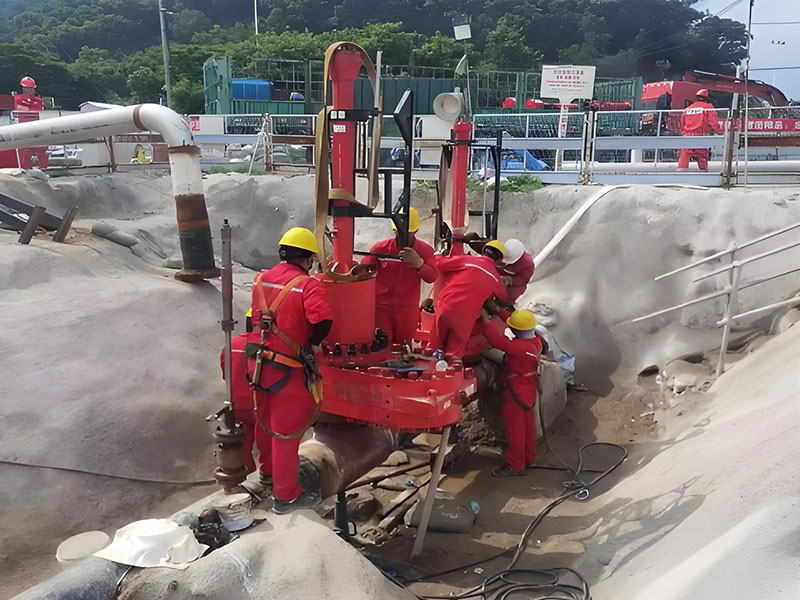
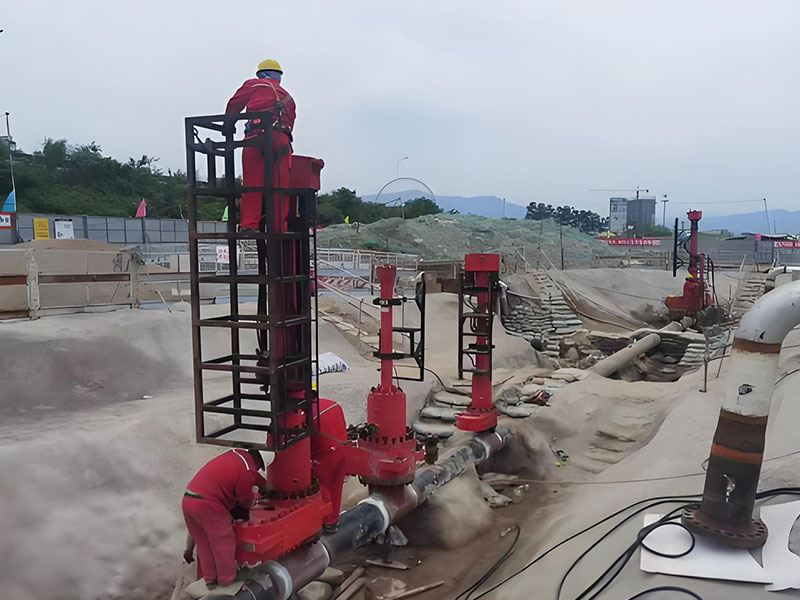
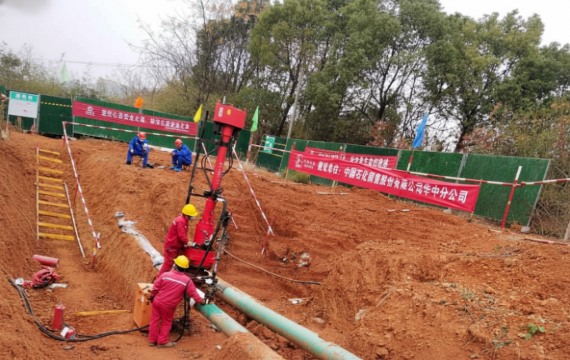
Các công nhân xây dựng đang vận hành máy khoan nóng để bịt kín và di dời đường ống dẫn dầu hỏa hàng không có đường kính DN250 trong rãnh đào.

Dự án di dời đường ống Anhe: Nghiên cứu điển hình về quy trình cách ly đường ống áp suất cao

Project at a Glance Category Details Client Xuzhou Shihua Pipeline Special Operations Co., Ltd. Location Xuzhou, China Challenge Safely relocate a high-pressure aviation fuel pipeline intersecting a new railway construction without interrupting service. Solution A custom pipeline bypass installation and plugging method utilizing a double block and stop on a DN250 pipeline. Key Results Zero safety incidents,
Dự án di dời đường ống Anhe: Nghiên cứu điển hình về quy trình cách ly đường ống áp suất cao Read More »

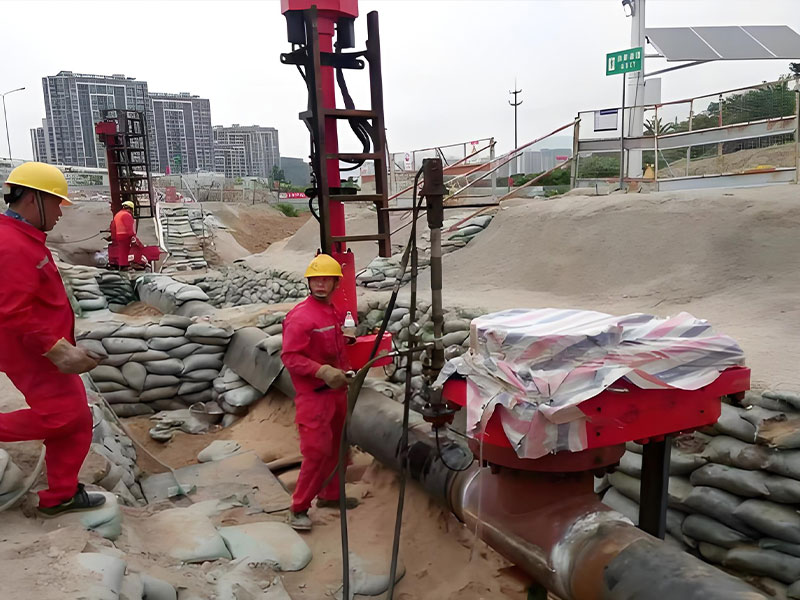
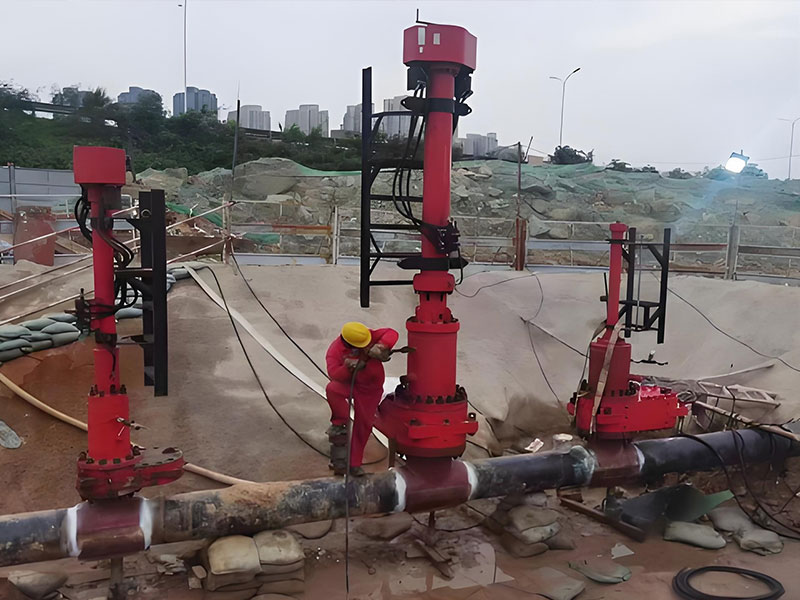
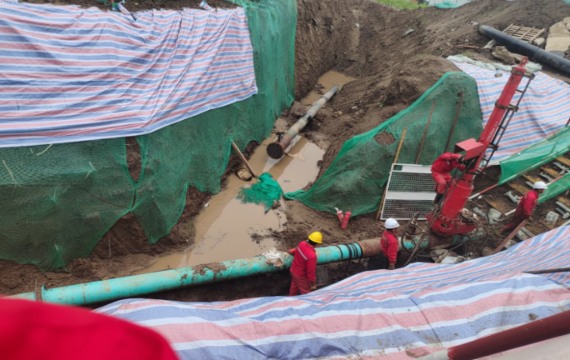
Đội thi công công nghiệp đang thực hiện các dịch vụ khoan xuyên ống dẫn dầu, bịt kín và nối ống trong một rãnh đã được đào. Tại công trường, có thể thấy các công nhân mặc bộ đồ bảo hộ màu đỏ làm việc gần các đường ống lớn và máy móc, với các tấm bạt bảo vệ phủ lên phần đất xung quanh.

Công trình bảo trì đường ống dẫn khí áp suất cao L360M: Nghiên cứu điển hình về dự án khoan nối nóng và ngắt dòng

Project at a Glance Category Details Client China Petroleum Natural Gas Pipeline No. 2 Engineering Company Contractor Beijing Jinshiwan Pipeline Technology Co., Ltd. (JSW) Project Aviation Fuel Pipeline Relocation Project for the Beijing Municipal Administrative Center, Renmin University Campus and Surrounding Area Core Challenge Safely relocate a critical, high-pressure L360M aviation fuel pipeline without interrupting

Công trình bảo trì đường ống dẫn khí áp suất cao L360M: Nghiên cứu điển hình về dự án khoan nối nóng và ngắt dòng Read More »

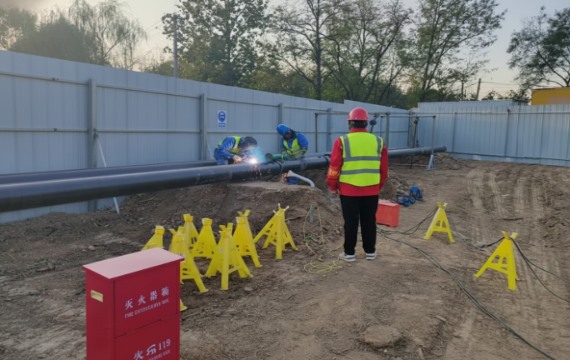
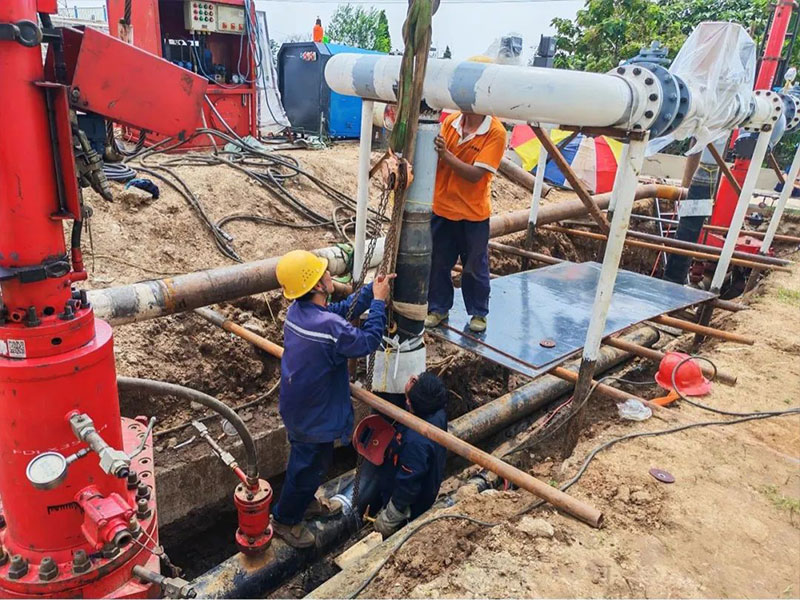
Các công nhân xây dựng đội mũ bảo hộ và mặc áo phản quang đang thực hiện công việc hàn trên các đường ống dẫn của Sinopec và China Aviation Fuel trong khuôn khổ dự án di dời Wenchao Jianhe.

Dự án di dời đường ống sông WenChao: Nghiên cứu điển hình về dự án khoan nối nóng và ngắt dòng có rủi ro cao

Project Overview Project Name WenChao River Pipeline Relocation – Section 1 Client Beijing Water Construction and Management Center Location Beijing, China Challenge Relocate 750m of active high-pressure (10 MPa) oil and aviation fuel pipelines to accommodate new river construction without service interruption. Solution Custom Hot Tapping and Line Stopping Project with a temporary bypass installation to isolate

Dự án di dời đường ống sông WenChao: Nghiên cứu điển hình về dự án khoan nối nóng và ngắt dòng có rủi ro cao Read More »

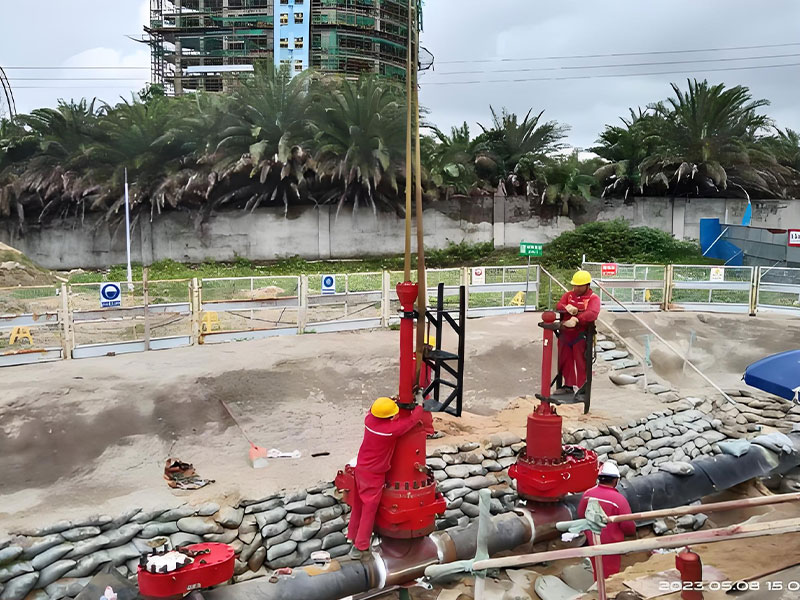
Workers setting up hot tapping equipment for live intervention on DN400 L415 natural gas pipeline during relocation project (Fuzhou, 2023)

How does ultrasonic testing identify the need for immediate pipe repair?

Ultrasonic testing identifies the need for immediate pipe repair by precisely measuring the remaining wall thickness and detecting localized corrosion, pitting, or cracks that have reduced the pipe’s structural integrity below safe operating thresholds. This non-destructive method works by propagating high-frequency sound waves through the pipe wall and analyzing the reflected signals to calculate thickness,

How does ultrasonic testing identify the need for immediate pipe repair? Read More »

Workers assembling dual block-and-bleed plugging equipment on DN400 high-pressure natural gas pipeline (Fuzhou pipeline relocation project, 2023)

What are the common signs of internal corrosion in subsea pipelines?

Internal corrosion in subsea pipelines manifests through measurable production changes, inspection data anomalies, and physical indicators that include increased water cut, wall thickness loss detected by ultrasonic surveys, localized pitting in bends, and unexpected pressure or flow variations across the pipeline system. The challenge of detecting internal corrosion lies in its hidden nature—corrosion progresses within

What are the common signs of internal corrosion in subsea pipelines? Read More »

Preparation for pipeline bypass installation after hot tapping on DN400 natural gas pipeline (highway expansion relocation project, 2023)

How do bypass pumping systems integrate with pipeline repair services?

Bypass pumping systems integrate with pipeline repair services by temporarily diverting fluid flow around the section undergoing maintenance, creating a dry work environment while maintaining uninterrupted service to downstream customers. This integration requires coordinated planning between pumping contractors and repair crews, proper equipment sizing based on flow rates, strategic placement of isolation points, and continuous

How do bypass pumping systems integrate with pipeline repair services? Read More »

Workers conducting multi-point hot tapping & plugging on DN400 L415 natural gas pipeline during relocation construction (Fuzhou, 2023)

What is the standard curing time for CIPP (Cured-in-Place Pipe) lining?

The standard curing time for CIPP lining is not a single number; it ranges from as quick as 30 seconds for a UV light system on a thin liner to over 30 hours for a traditional steam or hot water cure on a large-diameter pipe. This article breaks down the science behind these timelines, comparing traditional thermal curing

What is the standard curing time for CIPP (Cured-in-Place Pipe) lining? Read More »

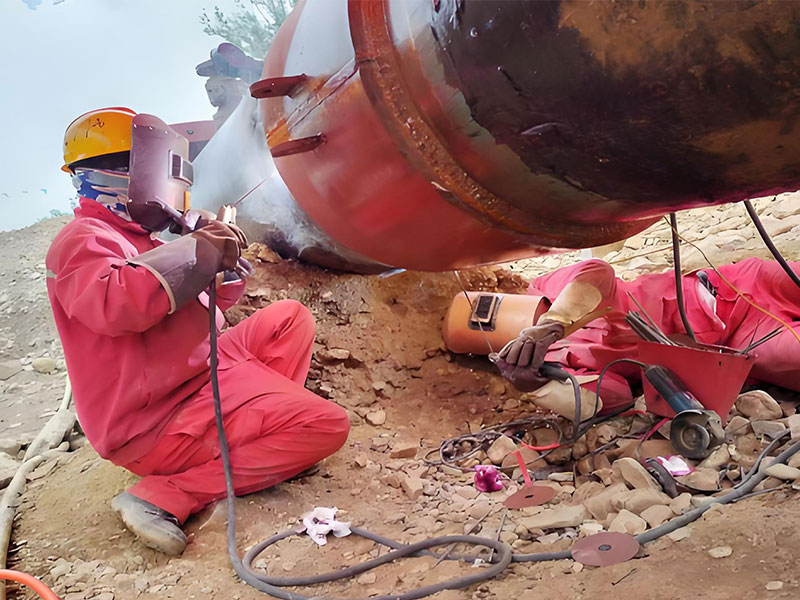
Welding pipe fittings for hot tapping equipment on DN400 L415 high-pressure natural gas pipeline (pipeline relocation site, 2023)

What materials are used in chemical-resistant pipeline plugs for industrial waste?

Chemical-resistant pipeline plugs for industrial waste are primarily manufactured from specialized elastomers and reinforced composites such as Nitrile rubber, EPDM, Viton, and Kevlar-reinforced materials, each selected to withstand specific chemical attacks, temperatures, and pressures. The choice of material dictates the plug’s ability to safely isolate sections of pipelines carrying aggressive effluents, ensuring worker safety and

What materials are used in chemical-resistant pipeline plugs for industrial waste? Read More »

Hot-Tapping-and-Metering-Installation-Project-for-In-Service-Gas-Pipeline-2

How to Define “Double Block and Bleed” Isolation in Pipeline Maintenance?

Double block and bleed (DBB) isolation is a critical safety procedure in pipeline maintenance that utilizes two independent isolation valves and a bleed (or drain) valve between them to create a verifiably isolated section of pipe, ensuring zero energy or product flow for safe work. This method is fundamental for performing hot tapping, pipeline plug

How to Define “Double Block and Bleed” Isolation in Pipeline Maintenance? Read More »

What are the primary causes of longitudinal cracks in aging oil pipelines?

Longitudinal cracks in aging oil pipelines are primarily caused by stress corrosion cracking (SCC), hydrogen-induced cracking (HIC), and manufacturing defects, all of which are accelerated by cyclic pressure loading and corrosive environments. Understanding these failure mechanisms is critical for pipeline operators, maintenance contractors, and integrity engineers who must detect, assess, and repair longitudinal cracks before

What are the primary causes of longitudinal cracks in aging oil pipelines? Read More »