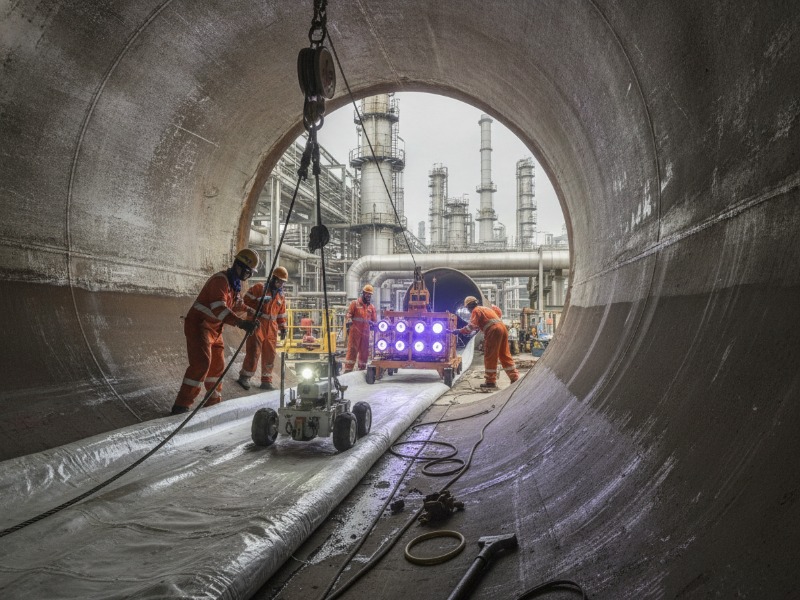
Công nghệ thi công không đào hào

industrial pipeline rehabilitation large diameter uv curing refinery background

What is the average cost of CIPP pipe lining?

Average CIPP Pipe Lining Cost at a Glance Item Average Cost CIPP Cost Per Linear Foot $80 – $250 Typical 50-Foot Residential Project $5,000 – $12,000 Typical 100-Foot Sewer Line $10,000 – $20,000 Commercial / Industrial Projects $10,000 – $40,000+ Expected Lifespan 50+ Years Savings vs. Open-Cut Excavation 30% – 50% CIPP pipe lining costs

What is the average cost of CIPP pipe lining? Read More »
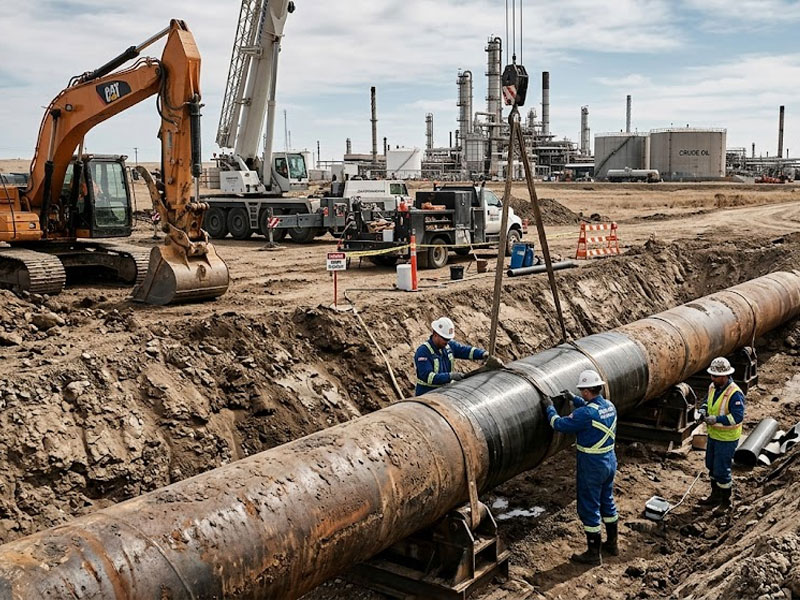
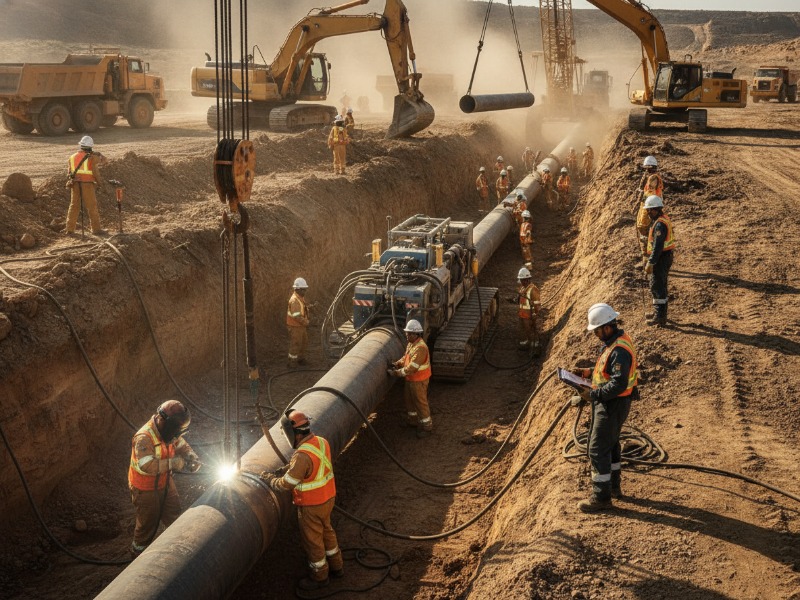
Technicians in PPE applying a composite wrap repair system to a corroded large-diameter steel crude oil pipeline in an open excavation trench, with heavy construction equipment and a refinery infrastructure in the background.

How Much Does Pipeline Rehabilitation Cost Per Foot? 

Pipeline rehabilitation typically costs $80–$250 per foot for residential sewer lines, $120–$300 per foot for commercial projects, and $150–$700+ per foot for municipal and industrial pipelines. Final pricing depends on pipe diameter, depth, rehabilitation method, accessibility, and total project length. This comprehensive guide covers pipeline rehabilitation cost per foot across all methods, diameters, and project types. We provide real-world cost data, method comparisons,

How Much Does Pipeline Rehabilitation Cost Per Foot?  Read More »

Field crew in PPE welds and installs a steel oil and gas pipeline in a dusty trench. Heavy machinery operates at the industrial construction site.

Pipeline Repair and Rehabilitation by Industry: Applications, Methods, Technologies & Market Trends

Pipeline repair and rehabilitation are most widely used in municipal water and wastewater systems, followed by oil and gas, industrial processing, and utility infrastructure. These industries rely on trenchless technologies such as CIPP, pipe bursting, and epoxy lining to extend pipeline lifespan, reduce excavation costs, and minimize operational disruption in urban and high-risk environments. What

Pipeline Repair and Rehabilitation by Industry: Applications, Methods, Technologies & Market Trends Read More »

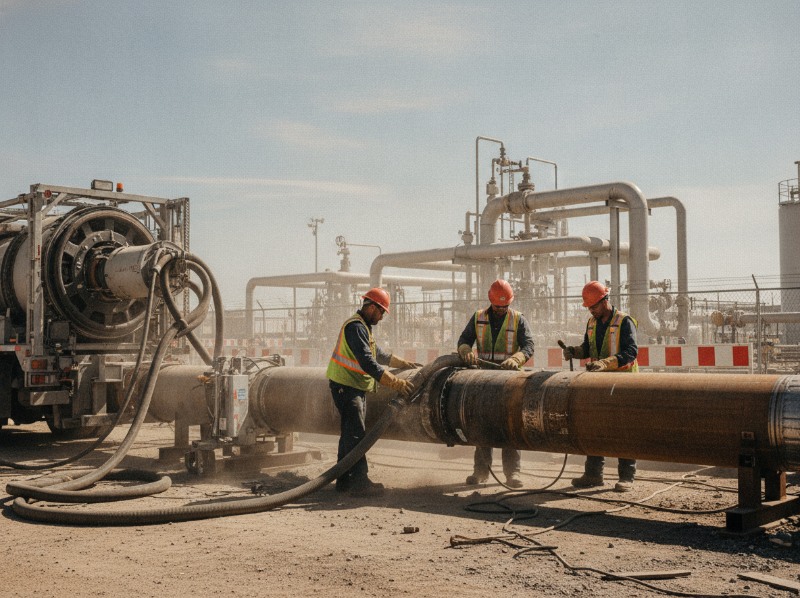
Three workers in hard hats and safety vests perform trenchless rehabilitation on a large steel pipeline at an oil and gas industrial site.

Trenchless Pipeline Rehabilitation vs Replacement: Cost, Lifespan, ROI & Methods

Pipeline rehabilitation is a trenchless method used to restore aging pipelines using technologies such as CIPP or sliplining. It reduces costs by 50–75%, extends pipeline lifespan by over 50 years, and minimizes excavation, environmental impact, and service disruption compared to traditional replacement. The primary methods include structural liners that create a “pipe within a pipe,”

Trenchless Pipeline Rehabilitation vs Replacement: Cost, Lifespan, ROI & Methods Read More »

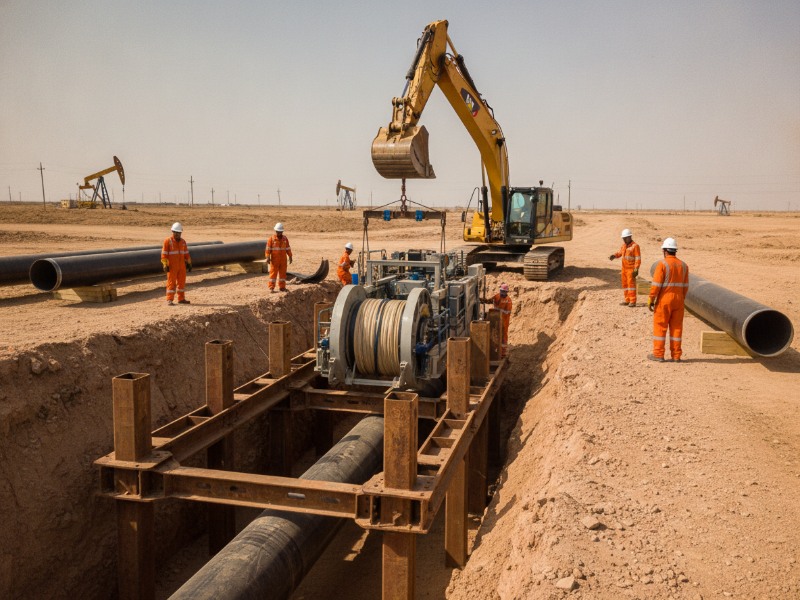
Workers in orange PPE installing large black pipeline sections in a desert oilfield, with an excavator and trenchless rehabilitation equipment in an open trench.

How Long Does Pipeline Rehabilitation Last? (50–100 Years) CIPP, FIPP & Close-Fit Lining Lifespan Guide

Pipeline rehabilitation typically lasts 50 to 100 years depending on the method used. CIPP and FIPP systems provide over 50 years of service life, while close-fit polyethylene lining can last up to 100 years. This lifespan makes trenchless pipeline rehabilitation a long-term alternative to full pipe replacement. Pipeline rehabilitation typically lasts 50 to 100 years depending

How Long Does Pipeline Rehabilitation Last? (50–100 Years) CIPP, FIPP & Close-Fit Lining Lifespan Guide Read More »

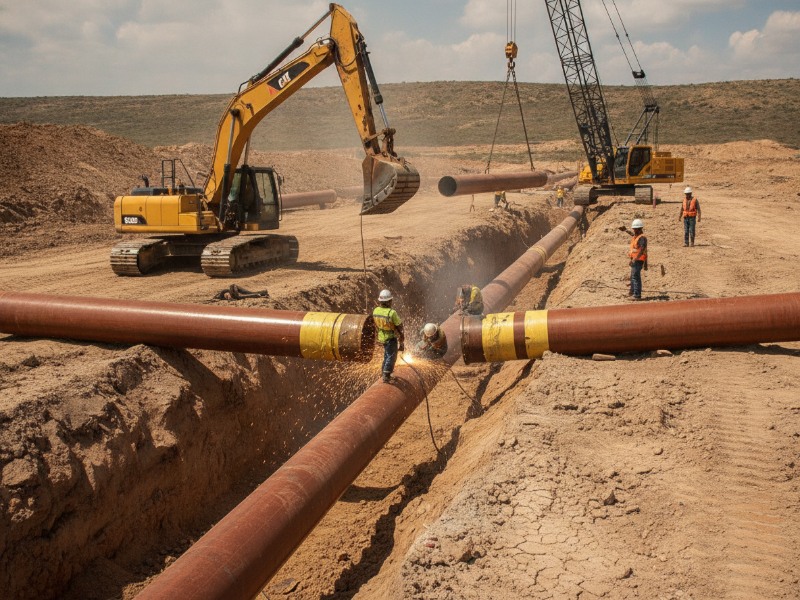
Workers weld large diameter oil and gas pipelines in a deep trench on a dusty, remote construction site, with an excavator and crane operating.

Chemical-Resistant Nitrile Plugs: Manufacturing Process, Material Selection, and ASTM Testing Guide

Chemical-resistant nitrile plugs are molded rubber sealing components made from nitrile butadiene rubber (NBR), engineered to prevent leakage in industrial systems exposed to oils, fuels, and chemicals. Their resistance depends primarily on acrylonitrile (ACN) content, crosslink density, and ASTM D471-tested performance. Featured Snippet Definition: Chemical-resistant nitrile plugs are industrial sealing components made from NBR rubber, designed

Chemical-Resistant Nitrile Plugs: Manufacturing Process, Material Selection, and ASTM Testing Guide Read More »

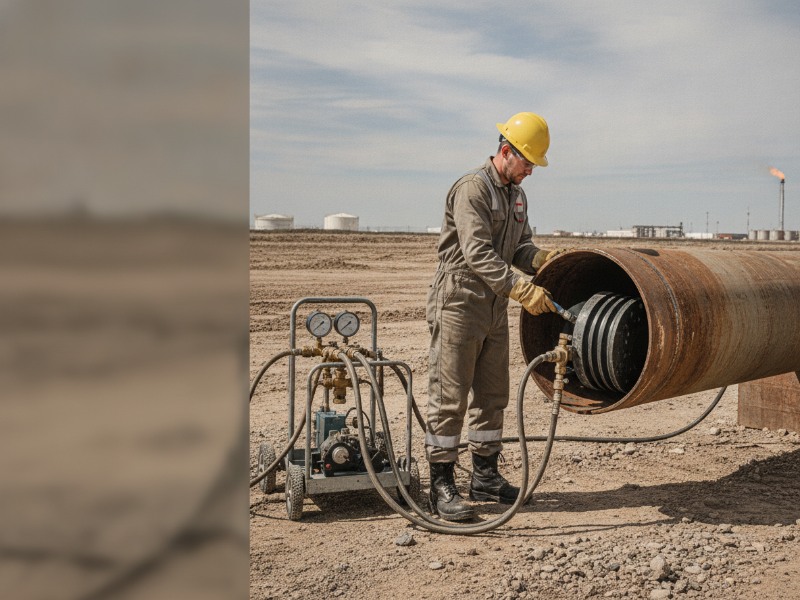
A worker in a yellow hard hat and coveralls performs pressure testing on a large rusty oil and gas pipeline in an industrial field.

What Is the Impact of Temperature Fluctuations on the Pressure Rating of Rubber Plugs?

What is the impact of temperature fluctuations on rubber plug pressure rating? Temperature fluctuations reduce rubber plug pressure capacity by 15–35% per 30°C increase by softening the material, reducing sealing force, and accelerating compression set. Under thermal cycling, degradation occurs 2–3 times faster than steady-state heat. This explains why rubber plug pressure rating decreases at high

What Is the Impact of Temperature Fluctuations on the Pressure Rating of Rubber Plugs? Read More »

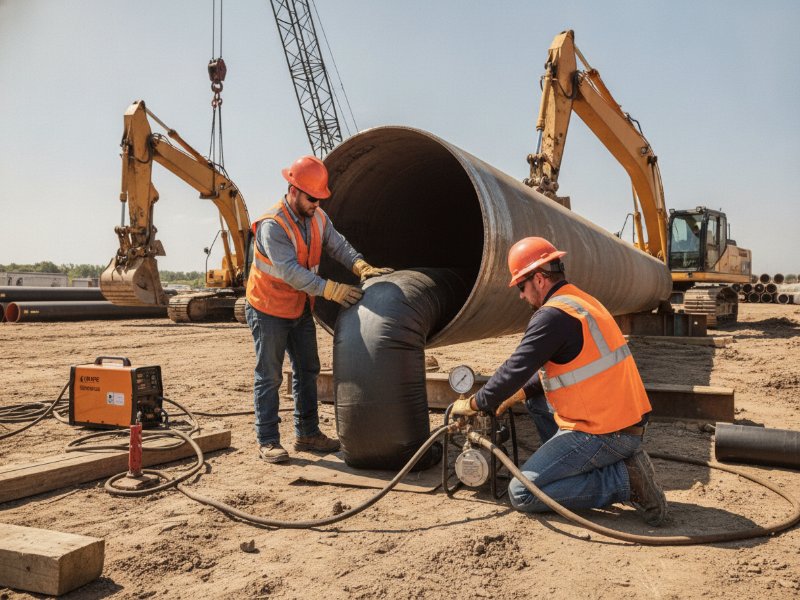
Two workers insert a deflated black inflatable pipe plug into a large steel pipeline at an active oil and gas construction site.

Mechanical vs Inflatable vs Pneumatic Pipe Plugs: Differences, Uses & Selection Guide

Mechanical pipe plugs seal pipes using mechanical compression from a tightened bolt or wing nut, while inflatable pipe plugs (also called pneumatic pipe plugs) seal by expanding with air or fluid pressure. Mechanical plugs are best for long-term, low-pressure use in clean, round pipes, whereas inflatable plugs are ideal for irregular pipes, fast installation, and

Mechanical vs Inflatable vs Pneumatic Pipe Plugs: Differences, Uses & Selection Guide Read More »

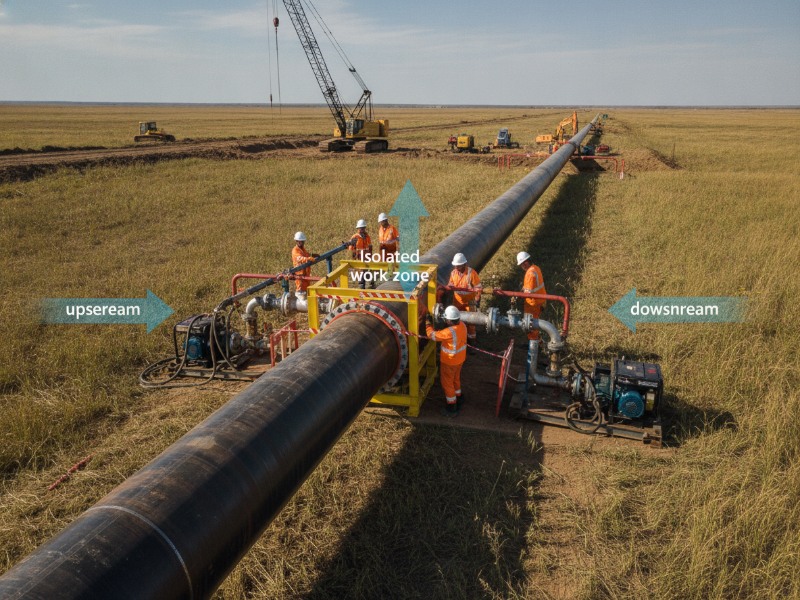
Workers in orange safety vests operate flow control on a large-diameter steel pipeline in a remote grassland, with temporary bypass lines and construction cranes visible.

Nút bịt đường vòng hỗ trợ việc điều khiển lưu lượng như thế nào trong quá trình bảo trì hệ thống cống rãnh đang hoạt động?

A bypass plug in sewer maintenance is an inflatable device that temporarily seals a pipeline section and redirects wastewater through a bypass system. This allows crews to work in a dry environment without interrupting flow, making it essential for active sewer repair and rehabilitation projects. Bypass plugs are widely used in sewer bypass pumping systems

Nút bịt đường vòng hỗ trợ việc điều khiển lưu lượng như thế nào trong quá trình bảo trì hệ thống cống rãnh đang hoạt động? Read More »

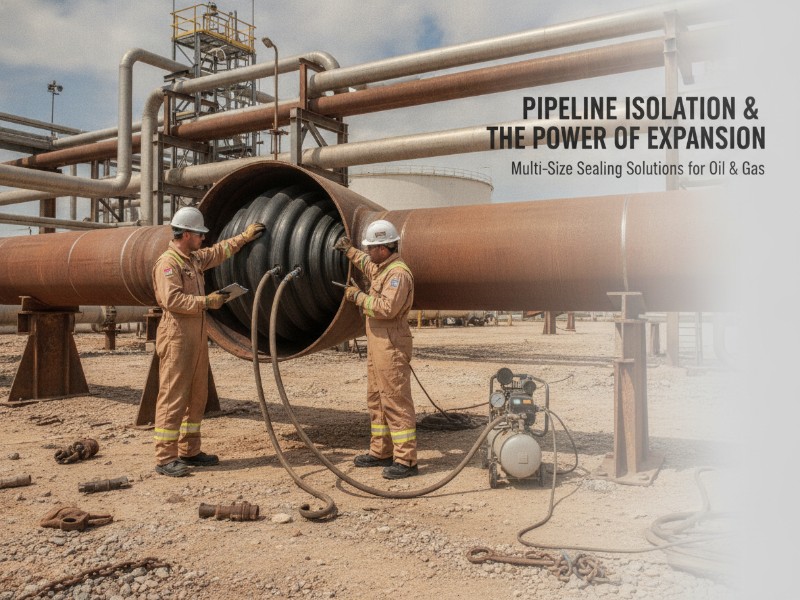
Two workers in hard hats and coveralls inspecting a black inflatable pipe plug inside a large rusted steel pipeline at an oil and gas facility.

Inflatable Pipe Plug Expansion Ratio: Definition, Calculation, and Selection Guide for Multi-Size Pipelines

The expansion ratio of an inflatable pipe plug typically ranges from 1.2:1 to 3.5:1. It defines how much the plug can expand relative to its deflated diameter and determines pipe size coverage, pressure rating, and fatigue life in cyclic pipeline conditions. Expansion Ratio What Expansion Ratio Do I Need? Most pipeline applications require an expansion

Inflatable Pipe Plug Expansion Ratio: Definition, Calculation, and Selection Guide for Multi-Size Pipelines Read More »