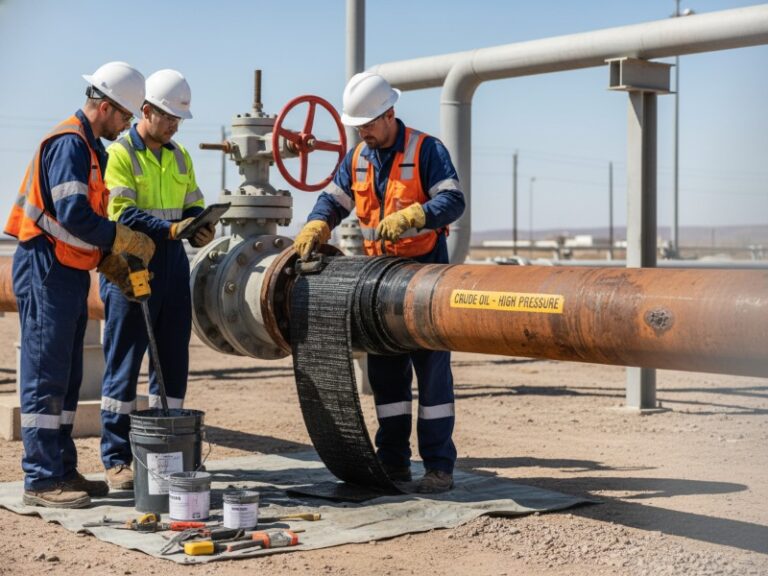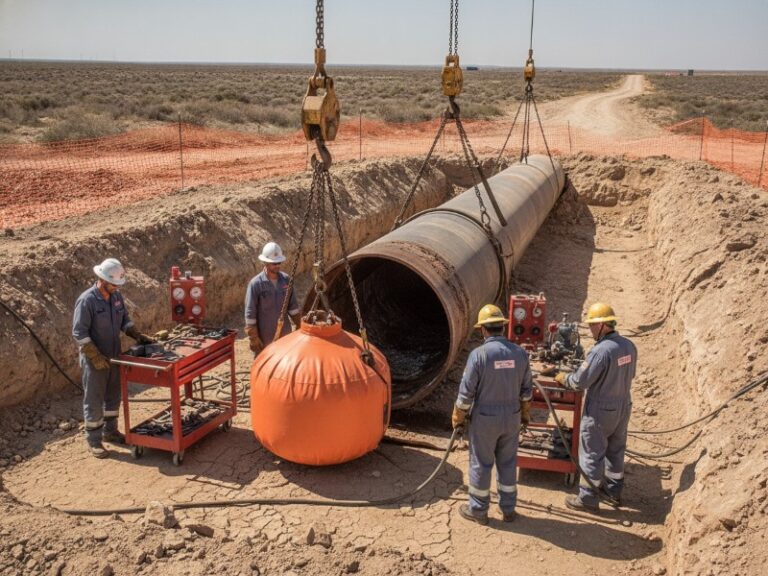
Four pipeline technicians in PPE work on a large steel gas pipeline in a dusty desert trench. An orange inflatable plug is lowered for remote field maintenance.

How High-Pressure Pneumatic Pipeline Plugs Seal Corroded Pipes

High-pressure pneumatic pipeline plugs seal corroded pipes by using deformable elastomer seals, pressure-activated cup designs, and multi-element redundancy to conform to irregular surfaces and prevent leakage. Advanced designs also use segmented expansion and temporary fillers to compensate for corrosion pits and wall loss. What Is a Pipeline Plug? A pipeline
Baca Selengkapnya »
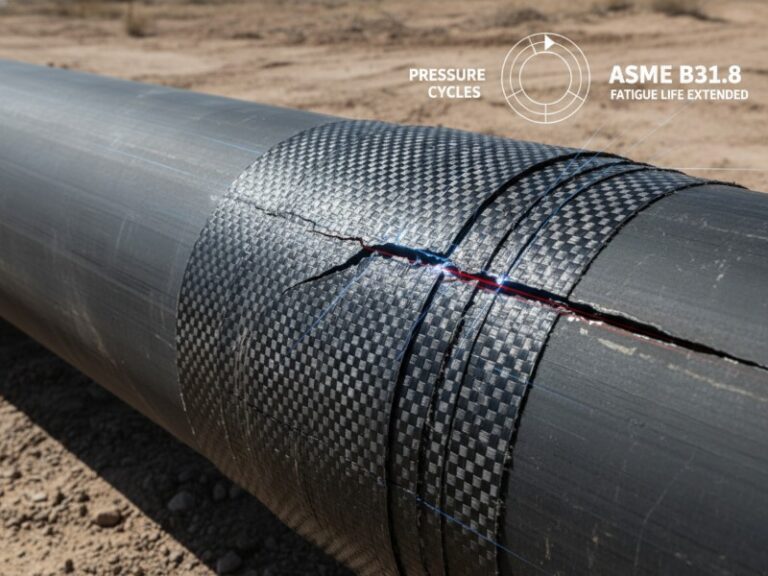
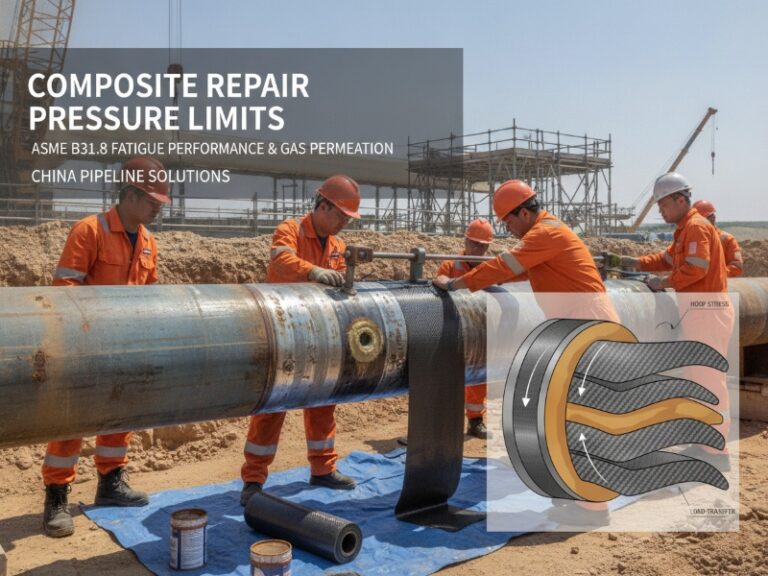
Construction site scene with engineers applying a composite wrap to a large steel pipeline. A technical diagram overlay shows composite repair layers, hoop stress, and load transfer.

How to Repair Through-Wall Gas Pipeline Defects with Engineered Composites: Pressure Limits, Permeation & ASME B31.8 Fatigue Data

Through-wall defects in gas pipelines create an immediate loss of pressure containment and require urgent repair. Engineered composite systems offer a proven solution for restoring up to 100% MAOP without shutdown—when designed to address cyclic fatigue and gas permeation. This guide explains ASME B31.8 and ISO 24817 pressure limits, compares

Baca Selengkapnya »
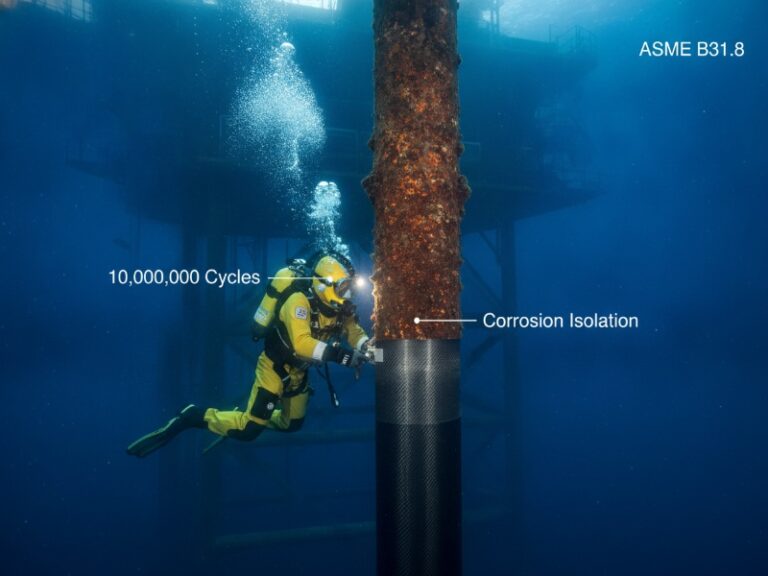
A diver in a yellow suit applies a carbon fiber composite wrap to a corroded offshore riser underwater for corrosion isolation near an oil platform.

Underwater Composite Repair for Corrosion Isolate Offshore Risers: Application Validation Under Severe Wave Action

Underwater composite repair for corrosion isolate offshore risers is a subsea rehabilitation method where carbon fiber wraps bonded with marine-grade epoxy restore mechanical strength and create a permanent corrosion barrier on damaged risers without shutdown or welding. When validated under severe wave action combined with cyclic pressure, carbon fiber systems

Baca Selengkapnya »
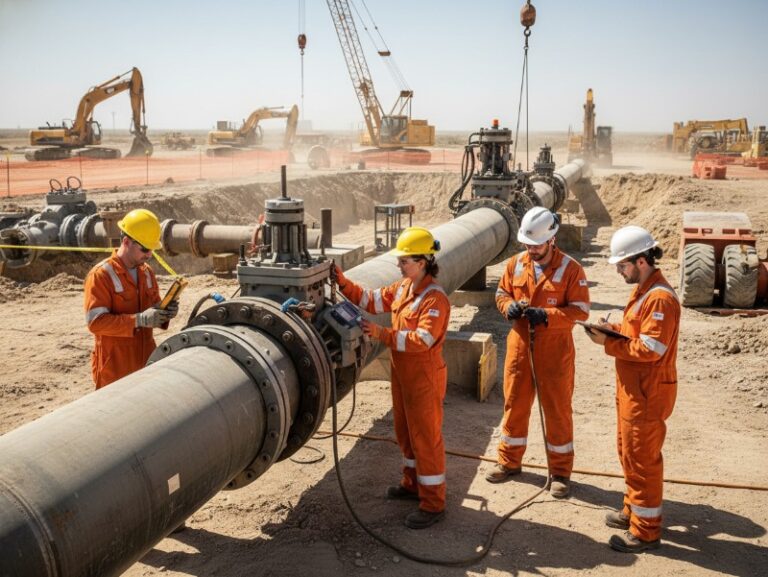
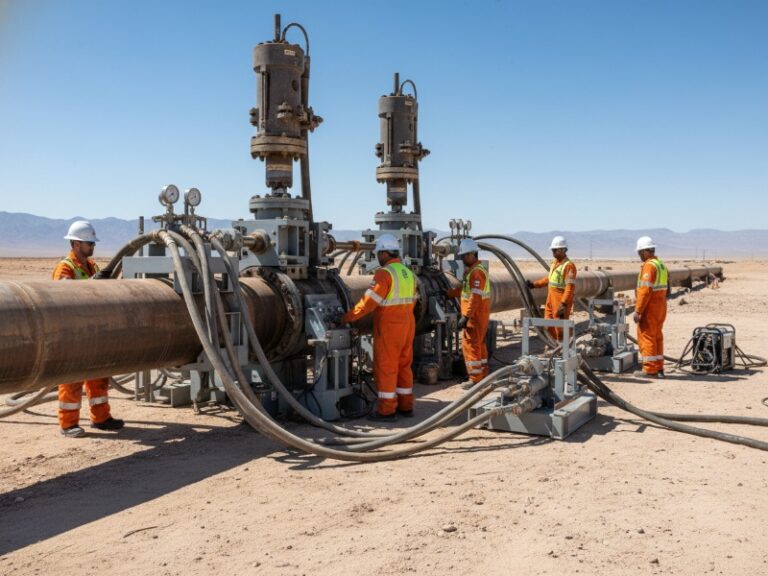
Engineering technicians in safety gear inspect a large steel oil and gas pipeline with field instruments at a dusty construction site featuring excavators.

Pipeline Ovality Limits for Line Stopping (API 570 Guide)

Pipeline ovality is a critical factor in determining whether line stopping can be performed safely under API 570. In practice, ovality above 3% reduces folding-plug sealing effectiveness, while ovality above 5% is typically unacceptable. This guide explains allowable limits, inspection methods, failure mechanisms, and how to decide whether to proceed,

Baca Selengkapnya »
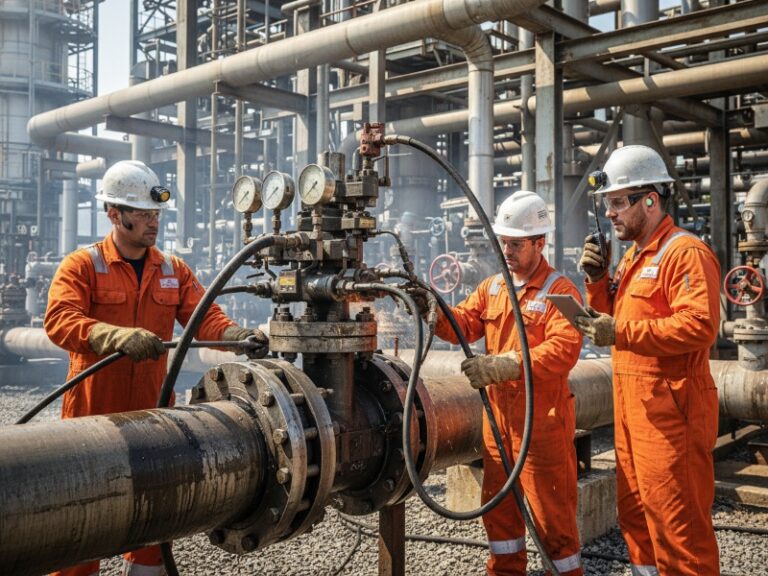
Three pipeline engineers in orange safety coveralls, hard hats, and gloves conducting maintenance on a large industrial steel pipeline with gauges.

DBB Line Stopping in Hot Crude Pipelines (150–260°C): FKM vs FFKM Selection, Testing, and Safety Limits

Best Elastomer for 150°C+ DBB Line Stopping For double block and bleed line stopping in high-temperature crude pipelines, the elastomer selection follows this rule: Elastomer Selection by Temperature Pipeline Condition Recommended Elastomer 150–170°C, low aromatics (<15%) FKM (minimum acceptable) 150–200°C, sour or high-aromatic crude FFKM required 170–200°C (any crude) FFKM

Baca Selengkapnya »
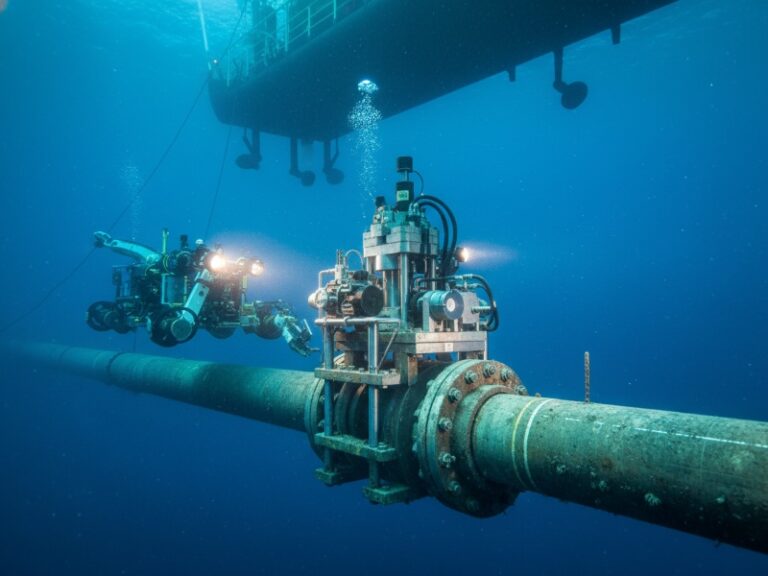
An ROV operates on a subsea pipeline's hot tap clamp in deep blue water. A ship's hull is overhead, with work lights illuminating the industrial scene.

Calculating Minimum Wall Thickness for In-Service Subsea Hot Tapping: Aligning with DNV-RP-F113

The minimum required wall thickness for in-service subsea hot tapping is defined by DNV-RP-F113 as the larger value between burst thickness (governed by internal pressure) and collapse thickness (governed by external hydrostatic pressure), after subtracting corrosion allowance. In deepwater conditions exceeding 700 meters, collapse pressure resistance typically governs the calculation.

Baca Selengkapnya »
Analisis kegagalan lapisan CIPP yang menunjukkan adanya retakan, delaminasi, kerutan, dan cacat di dalam pipa bawah tanah

Jenis-Jenis Kegagalan Liner CIPP: 10 Masalah Umum pada Pelapisan Pipa Tanpa Penggalian, Penyebab, dan Solusinya

1. Apa Saja Mode Kegagalan Liner CIPP yang Paling Umum?  Mode kegagalan liner CIPP yang paling umum meliputi: Kegagalan-kegagalan ini terutama disebabkan oleh desain yang buruk, persiapan permukaan yang tidak memadai, proses pengeringan yang tidak tepat, kesalahan pemasangan, dan pemilihan bahan yang tidak sesuai. Cacat CIPP dan kegagalan rehabilitasi tanpa galian ini umumnya terbagi menjadi lima kategori utama: struktural

Baca Selengkapnya »
Ilustrasi teknik mengenai penyelidikan geoteknik pengeboran arah horizontal (HDD) yang memperlihatkan rig HDD, lintasan pengeboran pipa bawah tanah, lapisan tanah liat, pasir, kerikil, dan batuan, pengujian CPT, pengeboran tanah, permukaan air tanah, serta instrumen pemantauan.

Bagaimana Cara Mengukur Stabilitas Tanah Sebelum Proyek Tanpa Penggalian? Panduan Investigasi Geoteknik HDD

Stabilitas tanah sebelum pelaksanaan proyek tanpa galian diukur melalui lima langkah utama: Pengujian ini menentukan kekuatan tanah, kepadatan, kondisi air tanah, serta risiko runtuh atau retakan hidraulik (frac-out) sebelum pengeboran dimulai. Sekilas tentang Proses Pengujian Stabilitas Tanah Tahap Investigasi Pengujian/Metode Utama Tujuan Utama Peninjauan Lokasi Geologi

Baca Selengkapnya »
Infografis teknik yang membandingkan konsep jarak tarik untuk HDD, pipe bursting, E-Power Pipe, dan pull-in-place lining pada jaringan pipa bawah tanah

Jarak Maksimum Pipa yang Dapat Ditarik Menggunakan Metode Tanpa Penggalian: Batas Panjang Penarikan HDD, Pipa Bursting, dan Lining

Jarak maksimum yang dapat ditempuh pipa dengan metode tanpa galian berkisar antara sekitar 50 meter hingga lebih dari 3.000 meter, tergantung pada teknologi pemasangan, karakteristik pipa, kondisi tanah, dan keterbatasan peralatan. Untuk pembangunan pipa baru, Horizontal Directional Drilling (HDD) biasanya mencapai 200–800 meter per tarikan. Untuk rehabilitasi pipa, peralatan khusus

Baca Selengkapnya »
Ilustrasi potongan melintang teknik yang membandingkan lapisan resin CIPP, poliurea yang diaplikasikan dengan penyemprotan, sliplining HDPE, dan segmen lapisan struktural UHPC pada pipa saluran pembuangan bawah tanah.

Bahan Terbaik untuk Rehabilitasi Pipa Tanpa Penggalian: Perbandingan CIPP, Polyurea, dan HDPE

Bahan Terbaik untuk Rehabilitasi Pipa Tanpa Penggalian Bahan yang paling banyak digunakan dan paling efektif untuk rehabilitasi pipa tanpa penggalian adalah sistem resin termoset—khususnya epoksi, poliester, dan vinil ester—yang dipadukan dengan kain penguat seperti serat kaca atau kain poliester. Untuk sebagian besar proyek rehabilitasi saluran pembuangan perkotaan, CIPP poliester menawarkan keseimbangan biaya-kinerja terbaik, sedangkan CIPP epoksi lebih disukai untuk pipa

Baca Selengkapnya »