Teknologi Tanpa Penggalian

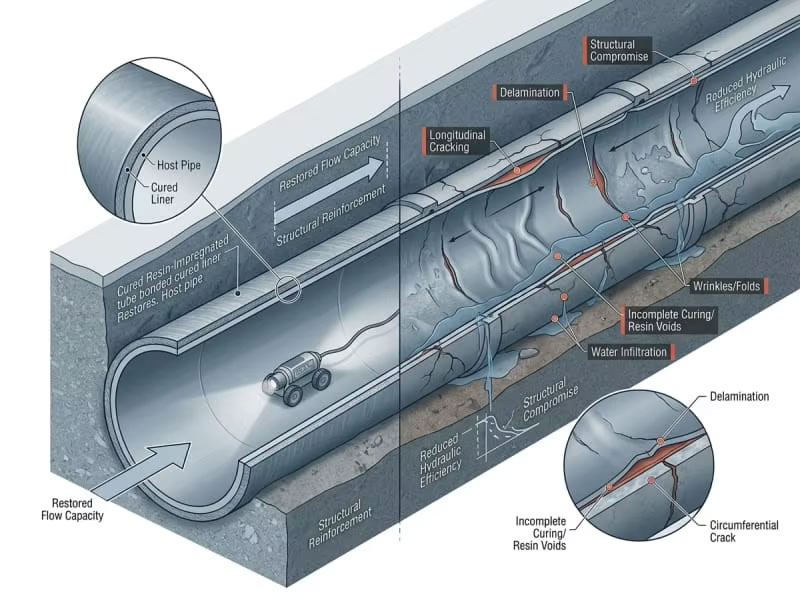
Analisis kegagalan lapisan CIPP yang menunjukkan adanya retakan, delaminasi, kerutan, dan cacat di dalam pipa bawah tanah

Jenis-Jenis Kegagalan Liner CIPP: 10 Masalah Umum pada Pelapisan Pipa Tanpa Penggalian, Penyebab, dan Solusinya

1. What Are the Most Common CIPP Liner Failure Modes?  The most common CIPP liner failure modes include: These failures are mainly caused by poor design, inadequate surface preparation, improper curing, installation errors, and unsuitable material selection. These CIPP defects and trenchless rehabilitation failures generally fall into five main categories: structural failures, installation-related defects, hydraulic failures, long-term material degradation,
Jenis-Jenis Kegagalan Liner CIPP: 10 Masalah Umum pada Pelapisan Pipa Tanpa Penggalian, Penyebab, dan Solusinya Baca Selengkapnya »

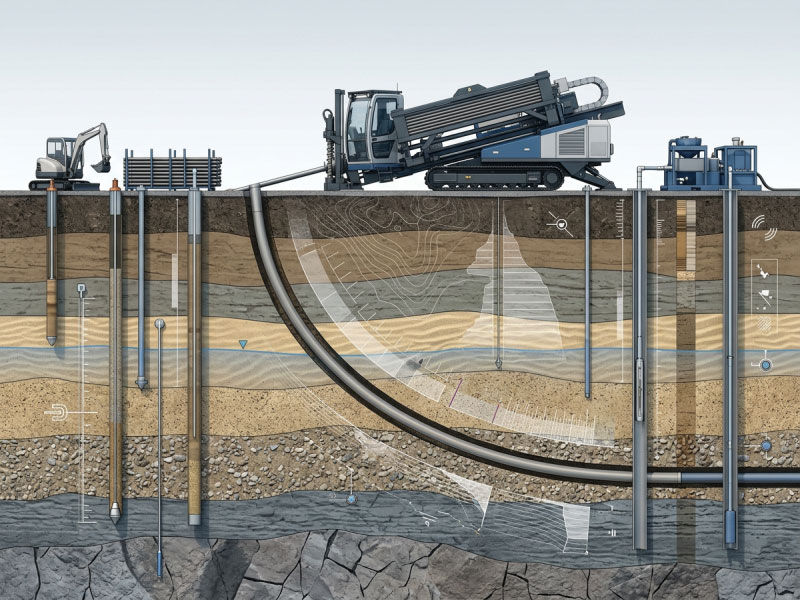
Ilustrasi teknik mengenai penyelidikan geoteknik pengeboran arah horizontal (HDD) yang memperlihatkan rig HDD, lintasan pengeboran pipa bawah tanah, lapisan tanah liat, pasir, kerikil, dan batuan, pengujian CPT, pengeboran tanah, permukaan air tanah, serta instrumen pemantauan.

Bagaimana Cara Mengukur Stabilitas Tanah Sebelum Proyek Tanpa Penggalian? Panduan Investigasi Geoteknik HDD

Soil stability before a trenchless project is measured through five main steps: These tests determine soil strength, density, groundwater conditions, and the risk of collapse or hydraulic fracture (frac-out) before drilling begins. Soil Stability Testing Process at a Glance Investigation Stage Primary Test / Method Core Purpose Site Review Geological Survey, Desk Study Identify potential

Bagaimana Cara Mengukur Stabilitas Tanah Sebelum Proyek Tanpa Penggalian? Panduan Investigasi Geoteknik HDD Baca Selengkapnya »

Infografis teknik yang membandingkan konsep jarak tarik untuk HDD, pipe bursting, E-Power Pipe, dan pull-in-place lining pada jaringan pipa bawah tanah

Jarak Maksimum Pipa yang Dapat Ditarik Menggunakan Metode Tanpa Penggalian: Batas Panjang Penarikan HDD, Pipa Bursting, dan Lining

The maximum distance a pipe can be pulled using trenchless methods ranges from approximately 50 meters to more than 3,000 meters, depending on the installation technology, pipe characteristics, ground conditions, and equipment limitations. For new pipeline construction, Horizontal Directional Drilling (HDD) typically achieves 200–800 meters per pull. For pipeline rehabilitation, specialized pull-in-place lining systems can exceed

Jarak Maksimum Pipa yang Dapat Ditarik Menggunakan Metode Tanpa Penggalian: Batas Panjang Penarikan HDD, Pipa Bursting, dan Lining Baca Selengkapnya »

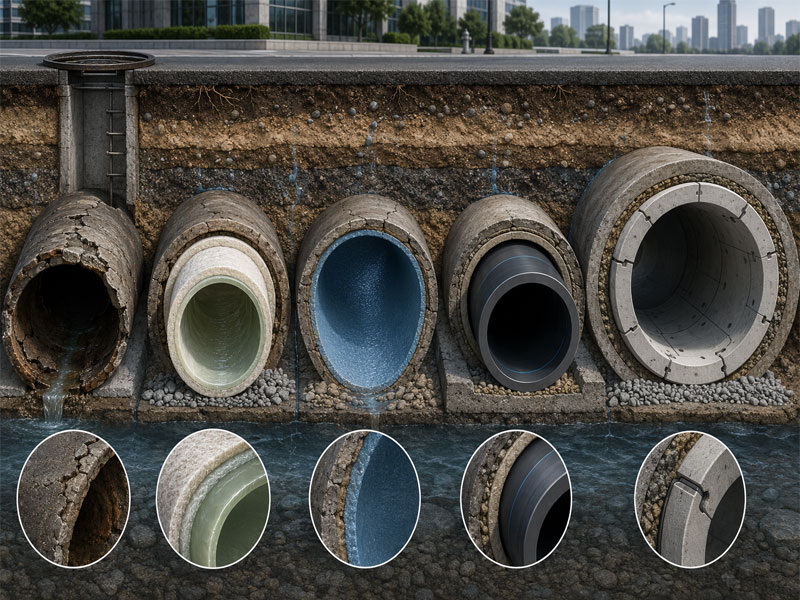
Ilustrasi potongan melintang teknik yang membandingkan lapisan resin CIPP, poliurea yang diaplikasikan dengan penyemprotan, sliplining HDPE, dan segmen lapisan struktural UHPC pada pipa saluran pembuangan bawah tanah.

Bahan Terbaik untuk Rehabilitasi Pipa Tanpa Penggalian: Perbandingan CIPP, Polyurea, dan HDPE

Best Materials for Trenchless Pipe Rehabilitation The most widely used and effective materials for trenchless pipe rehabilitation are thermosetting resin systems—specifically epoxy, polyester, and vinyl ester—combined with reinforcement fabrics such as fiberglass or polyester felt. For most municipal sewer rehabilitation projects, polyester CIPP offers the best cost-to-performance balance, while epoxy CIPP is preferred for pipes requiring superior adhesion and chemical

Bahan Terbaik untuk Rehabilitasi Pipa Tanpa Penggalian: Perbandingan CIPP, Polyurea, dan HDPE Baca Selengkapnya »

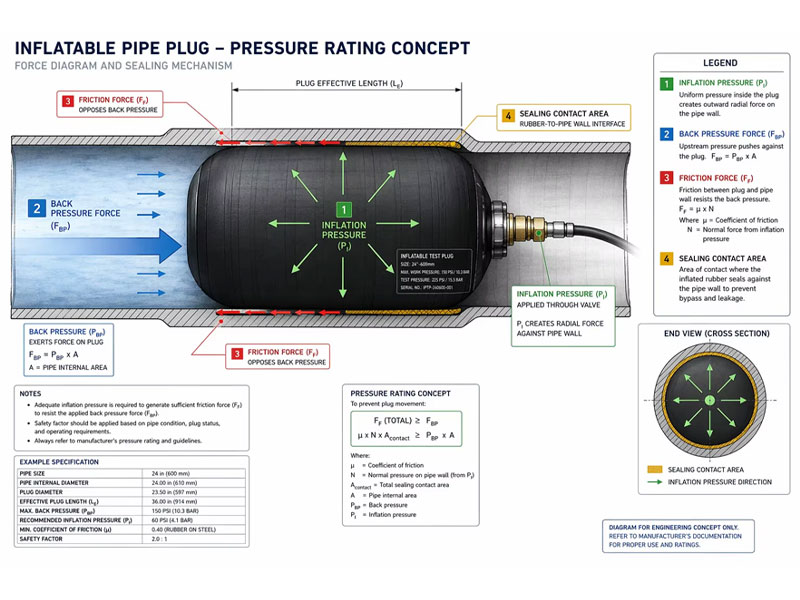
Diagram teknik CAD dari sumbat pipa tiup di dalam saluran pipa, yang menunjukkan vektor gaya untuk tekanan pengisian udara, tekanan balik, dan hambatan gesekan.

Berapa Besar Tekanan yang Dapat Ditahan oleh Sumbat Pipa Tiup? Nilai Tekanan Balik, Batas, dan Panduan Keselamatan

There is no universal pressure limit for inflatable pipe plugs. The maximum back pressure depends on the plug design, size, pipe diameter, pipe material, and installation conditions. Most inflatable pipe plugs are rated from 1 bar (14.5 psi) to more than 13 bar (188 psi). Always follow the manufacturer’s specific pressure rating for your pipe

Berapa Besar Tekanan yang Dapat Ditahan oleh Sumbat Pipa Tiup? Nilai Tekanan Balik, Batas, dan Panduan Keselamatan Baca Selengkapnya »

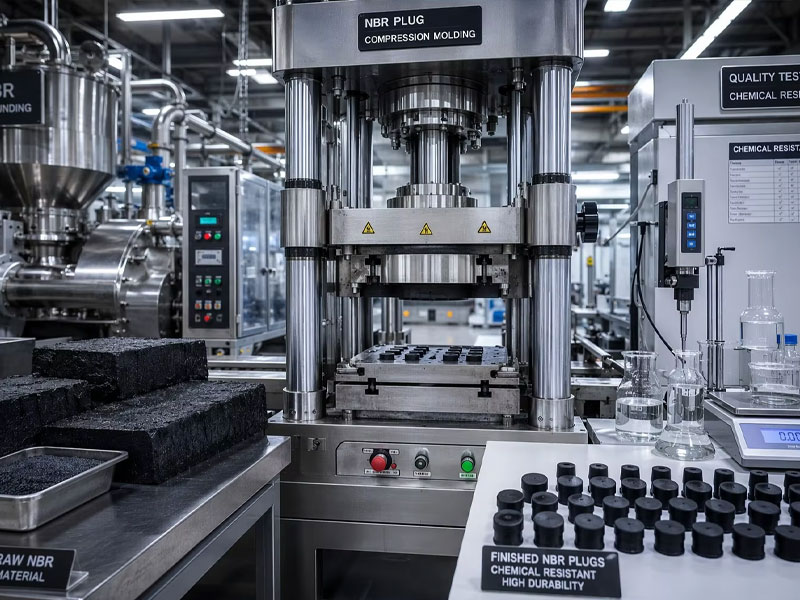
Chemical resistant nitrile rubber plug manufacturing process including NBR compounding molding and quality testing

Chemical Resistant Nitrile Rubber Plug Manufacturing Process: NBR Material, Molding & Testing

Chemical resistant nitrile rubber plugs are manufactured through five stages: The process creates a crosslinked NBR sealing component designed for resistance against oil, fuel, hydraulic fluid, and industrial chemicals. 1. What Materials Are Used to Manufacture Chemical-Resistant Nitrile Plugs? The performance of an industrial nitrile plug is determined at the molecular level. For this reason,

Chemical Resistant Nitrile Rubber Plug Manufacturing Process: NBR Material, Molding & Testing Baca Selengkapnya »

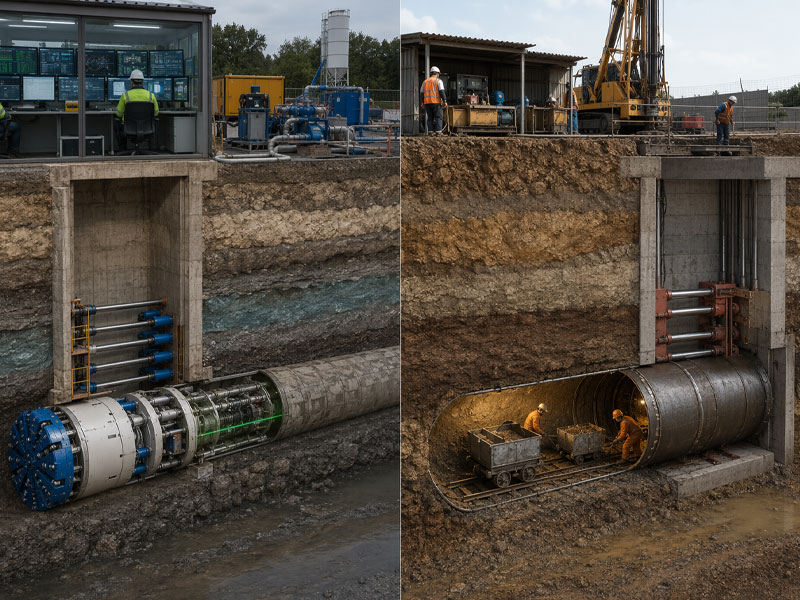
Microtunneling vs jack and bore trenchless pipeline installation comparison showing remote-controlled MTBM and traditional pipe jacking methods

Microtunneling vs Jack and Bore: Cost, Accuracy & Applications

Microtunneling vs Jack and Bore Microtunneling is a remote-controlled trenchless pipe installation method that uses a microtunnel boring machine (MTBM), laser guidance, and closed-face excavation to install pipelines without worker entry into the pipe. Jack and bore is a traditional trenchless method where workers enter the pipe to excavate soil and remove spoil manually or

Microtunneling vs Jack and Bore: Cost, Accuracy & Applications Baca Selengkapnya »

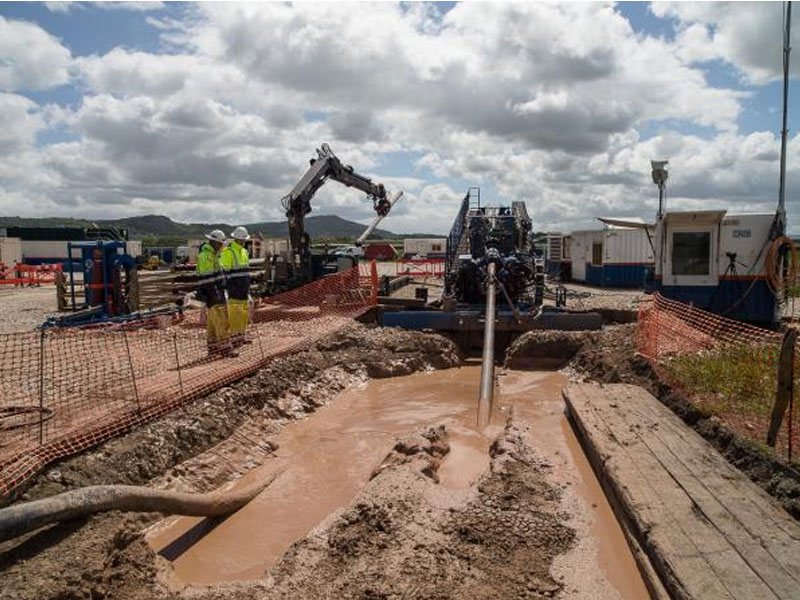
Horizontal directional drilling (HDD) trenchless construction project with drilling equipment and fluid management at a pipeline installation site

Environmental Impact Assessment for Trenchless Construction: Requirements, Permits, Risks & Compliance Guide

Environmental impact assessments for trenchless construction typically include groundwater and hydrogeological evaluation, soil and geotechnical investigation, noise and vibration monitoring, drilling fluid and waste management review, and greenhouse gas emissions assessment. The specific requirements depend on project location, drilling method (HDD, microtunneling, or pipe bursting), environmental sensitivity of the area, and the enforcing regulatory authority (e.g., EPA, state agencies, or

Environmental Impact Assessment for Trenchless Construction: Requirements, Permits, Risks & Compliance Guide Baca Selengkapnya »

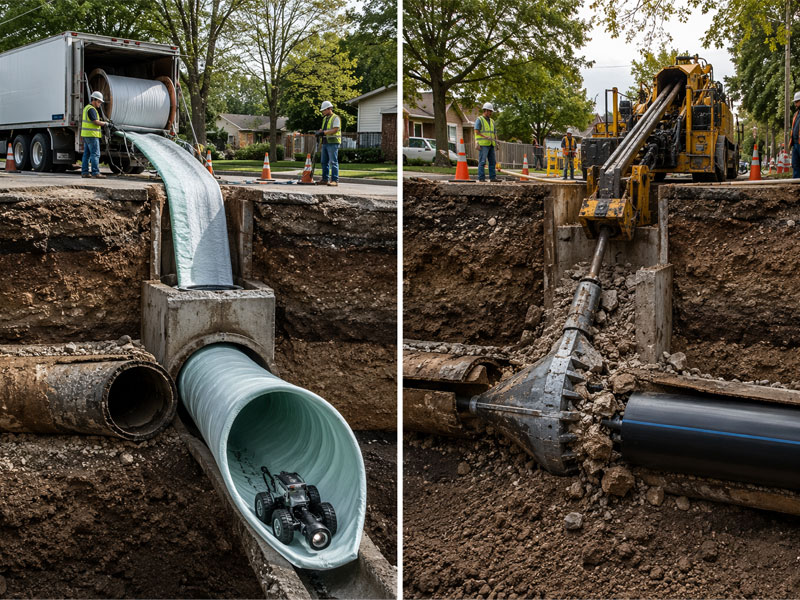
trenchless-technology-cipp-vs-pipe-bursting-comparison

CIPP vs Pipe Bursting: Complete Comparison of Cost, Lifespan, Applications & Differences

CIPP (Cured-in-Place Pipe) is a trenchless rehabilitation method that repairs an existing pipe by installing a resin liner inside the damaged pipeline. Pipe bursting is a trenchless replacement method that breaks the old pipe and simultaneously installs a new HDPE pipe. The key difference is that CIPP creates a new pipe inside the old one,

CIPP vs Pipe Bursting: Complete Comparison of Cost, Lifespan, Applications & Differences Baca Selengkapnya »

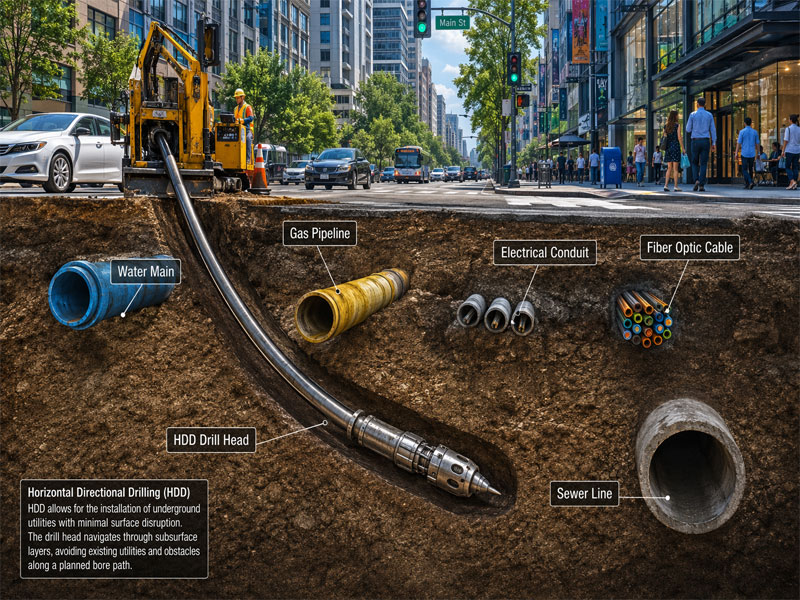
aspect ratio ultra-realistic engineering visualization of an underground utility cross-section beneath a busy urban street, featuring labeled infrastructure and a precise HDD bore path navigating between pipes.

How Does Horizontal Directional Drilling (HDD) Work in High-Density Urban Areas?

HDD in Urban Areas at a Glance How Does Horizontal Directional Drilling Work in Urban Areas? Horizontal directional drilling (HDD) installs underground pipes and cables beneath roads, buildings, and existing utilities without open trench excavation. The process includes: Using electronic guidance systems, HDD can achieve centimeter-level accuracy while minimizing traffic disruption and surface damage in

How Does Horizontal Directional Drilling (HDD) Work in High-Density Urban Areas? Baca Selengkapnya »