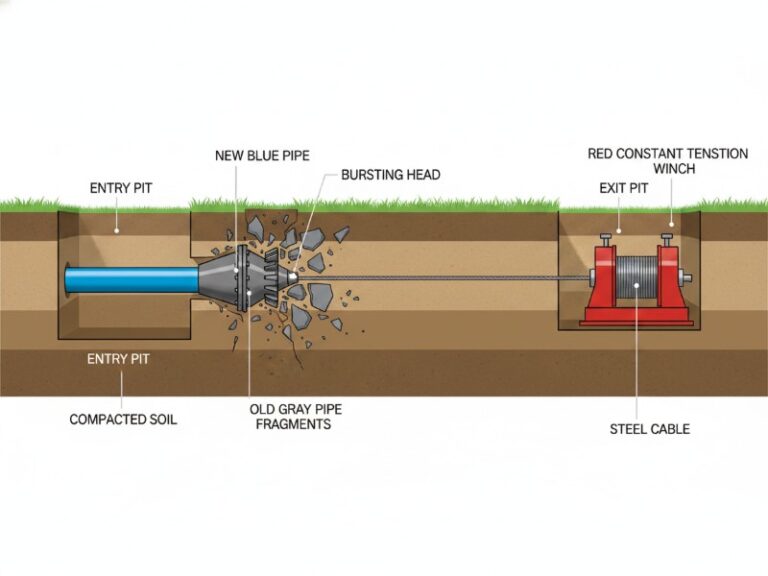
A cross-section illustration showing the trenchless pipe bursting process, featuring a bursting head breaking an old gray pipe while pulling a new blue pipe into place using a winch and steel cable between entry and exit pits.

How much does pipe bursting cost per foot?

The typical planning range for pipe bursting cost per foot is $60–$200 per foot, but actual quotes vary based on pipe diameter, depth, soil conditions, access constraints, and restoration scope. This article explains how pipe bursting pricing is structured, how it compares to excavation and other trenchless pipe rehabilitation methods,
Baca Selengkapnya »
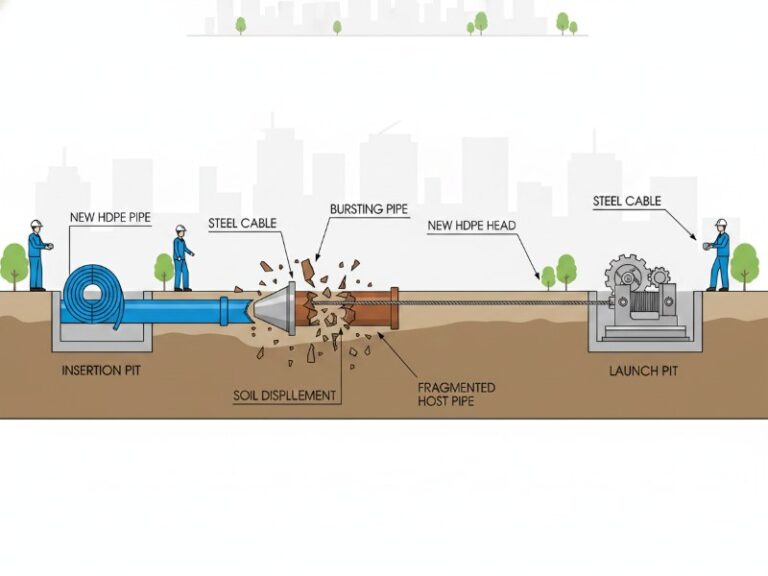
A detailed cross-section illustration of the trenchless pipe bursting method, showing a new HDPE pipe being pulled through an existing damaged pipe by a steel cable, with workers at the insertion and launch pits.

How Much Does Trenchless Pipeline Installation Cost?

The trenchless pipeline installation cost typically ranges from $80 to $250 per foot overall, but the actual price varies significantly by method—such as HDD ($100–$250/ft), pipe bursting ($60–$200/ft), CIPP ($80–$180/ft), and microtunneling ($150–$300+/ft)—as well as by project type, site conditions, and construction complexity. Most buyers are not just asking “how

Baca Selengkapnya »
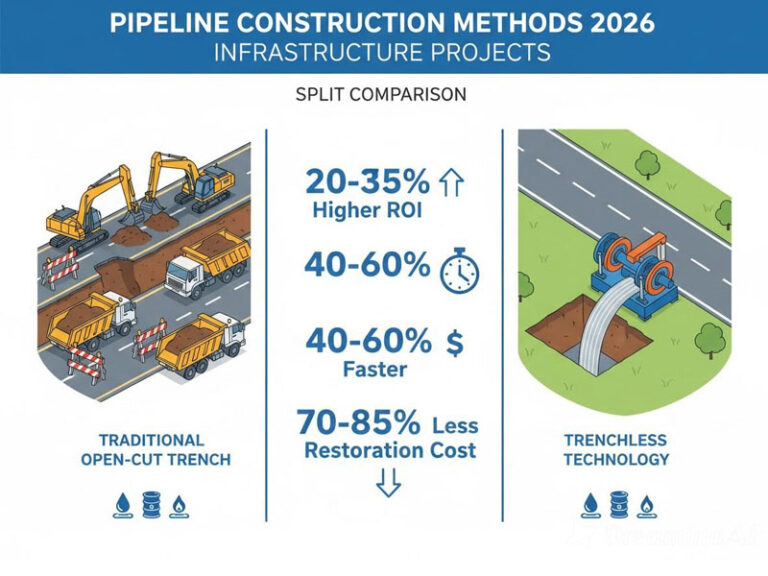
Comparison infographic showing trenchless vs traditional pipeline construction methods with ROI data for 2026 infrastructure projects

Trenchless vs. Traditional: A ROI analysis for 2026 infrastructure projects

For 2026 infrastructure projects, trenchless technologies deliver a 20-35% higher ROI than traditional open-cut methods when factoring in total costs, social impact, and project duration. This analysis covers cost breakdowns, timeline comparisons, environmental impact, and application scenarios for both trenchless and traditional construction methods, helping contractors, municipal planners, and asset

Baca Selengkapnya »
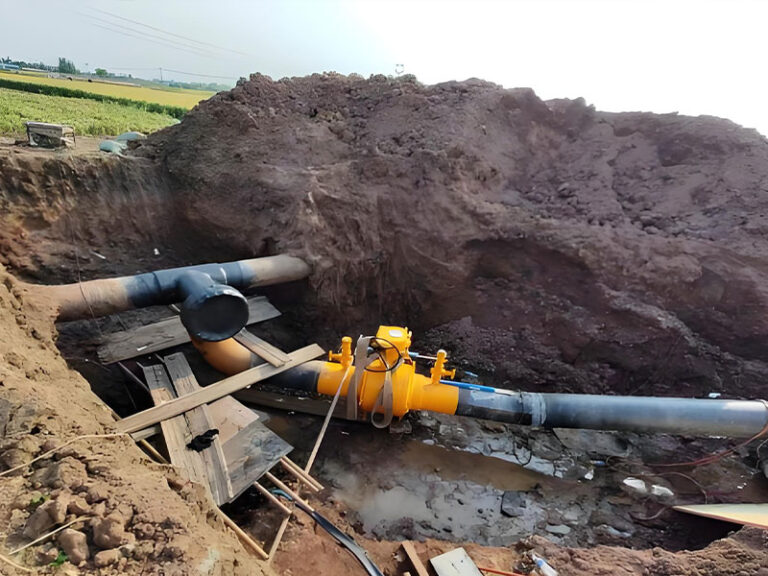
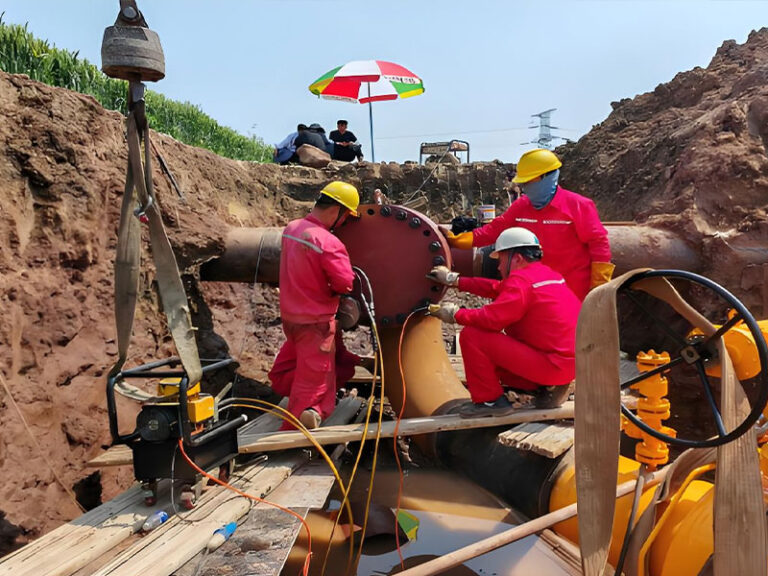
Workers installing fittings for natural gas pipeline hot tapping on in-service pipeline, in excavation pit with construction gear

CIPP vs. Slip-lining: Which is more cost-effective for large-diameter pipes?

For large-diameter pipes (typically 36 inches and above), CIPP is generally more cost-effective than slip-lining when considering total project costs, operational disruption, and long-term performance, though slip-lining offers advantages in specific scenarios involving severe structural degradation or non-circular profiles. This comprehensive guide compares both trenchless pipe rehabilitation methods across material

Baca Selengkapnya »
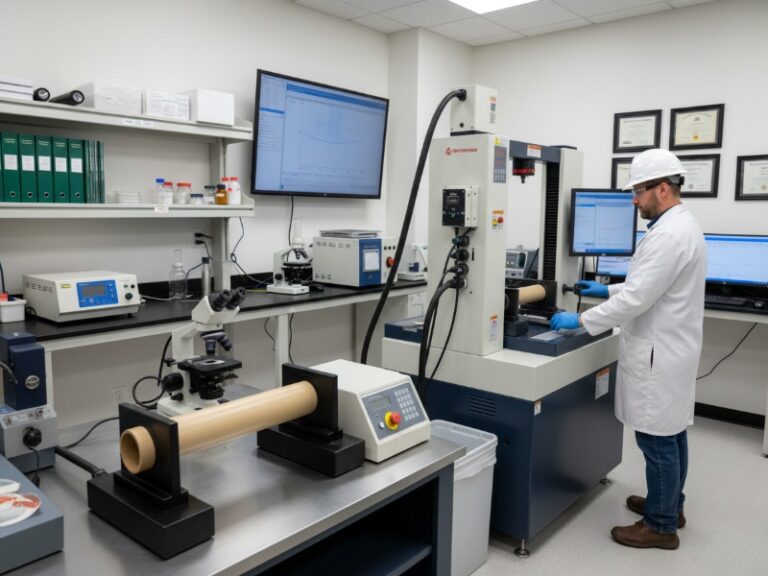
A technician in a white lab coat, hard hat, and safety goggles operates a universal materials testing machine in a high-tech quality control laboratory.

CIPP Liner Testing: How Certified Labs Ensure Quality & Longevity for Cured-in-Place Pipe

Certified laboratory testing of CIPP liners validates structural integrity, confirms specification compliance, and guarantees 50+ year service life for trenchless pipe rehabilitation projects. This comprehensive guide covers testing methodologies from pre-installation material verification through post-installation validation, including ASTM standards, laboratory accreditation requirements, field monitoring protocols, and how to select qualified

Baca Selengkapnya »
China-International-Pipeline-Exhibition-6

Trenchless Technology Game Changers: JSW Pipeline Technology Co., Ltd.

JSW Pipeline Technology Co., Ltd. (JSW) delivers comprehensive trenchless pipeline solutions including hot tapping, pipeline plugging, and trenchless pipe rehabilitation without interrupting pipeline operations. This article explores JSW‘s four core service divisions, technical specifications for oil, gas, air, and water pipelines, and why this Chinese contractor and material supplier has

Baca Selengkapnya »
Analisis kegagalan lapisan CIPP yang menunjukkan adanya retakan, delaminasi, kerutan, dan cacat di dalam pipa bawah tanah

Jenis-Jenis Kegagalan Liner CIPP: 10 Masalah Umum pada Pelapisan Pipa Tanpa Penggalian, Penyebab, dan Solusinya

1. Apa Saja Mode Kegagalan Liner CIPP yang Paling Umum?  Mode kegagalan liner CIPP yang paling umum meliputi: Kegagalan-kegagalan ini terutama disebabkan oleh desain yang buruk, persiapan permukaan yang tidak memadai, proses pengeringan yang tidak tepat, kesalahan pemasangan, dan pemilihan bahan yang tidak sesuai. Cacat CIPP dan kegagalan rehabilitasi tanpa galian ini umumnya terbagi menjadi lima kategori utama: struktural

Baca Selengkapnya »
Ilustrasi teknik mengenai penyelidikan geoteknik pengeboran arah horizontal (HDD) yang memperlihatkan rig HDD, lintasan pengeboran pipa bawah tanah, lapisan tanah liat, pasir, kerikil, dan batuan, pengujian CPT, pengeboran tanah, permukaan air tanah, serta instrumen pemantauan.

Bagaimana Cara Mengukur Stabilitas Tanah Sebelum Proyek Tanpa Penggalian? Panduan Investigasi Geoteknik HDD

Stabilitas tanah sebelum pelaksanaan proyek tanpa galian diukur melalui lima langkah utama: Pengujian ini menentukan kekuatan tanah, kepadatan, kondisi air tanah, serta risiko runtuh atau retakan hidraulik (frac-out) sebelum pengeboran dimulai. Sekilas tentang Proses Pengujian Stabilitas Tanah Tahap Investigasi Pengujian/Metode Utama Tujuan Utama Peninjauan Lokasi Geologi

Baca Selengkapnya »
Infografis teknik yang membandingkan konsep jarak tarik untuk HDD, pipe bursting, E-Power Pipe, dan pull-in-place lining pada jaringan pipa bawah tanah

Jarak Maksimum Pipa yang Dapat Ditarik Menggunakan Metode Tanpa Penggalian: Batas Panjang Penarikan HDD, Pipa Bursting, dan Lining

Jarak maksimum yang dapat ditempuh pipa dengan metode tanpa galian berkisar antara sekitar 50 meter hingga lebih dari 3.000 meter, tergantung pada teknologi pemasangan, karakteristik pipa, kondisi tanah, dan keterbatasan peralatan. Untuk pembangunan pipa baru, Horizontal Directional Drilling (HDD) biasanya mencapai 200–800 meter per tarikan. Untuk rehabilitasi pipa, peralatan khusus

Baca Selengkapnya »
Ilustrasi potongan melintang teknik yang membandingkan lapisan resin CIPP, poliurea yang diaplikasikan dengan penyemprotan, sliplining HDPE, dan segmen lapisan struktural UHPC pada pipa saluran pembuangan bawah tanah.

Bahan Terbaik untuk Rehabilitasi Pipa Tanpa Penggalian: Perbandingan CIPP, Polyurea, dan HDPE

Bahan Terbaik untuk Rehabilitasi Pipa Tanpa Penggalian Bahan yang paling banyak digunakan dan paling efektif untuk rehabilitasi pipa tanpa penggalian adalah sistem resin termoset—khususnya epoksi, poliester, dan vinil ester—yang dipadukan dengan kain penguat seperti serat kaca atau kain poliester. Untuk sebagian besar proyek rehabilitasi saluran pembuangan perkotaan, CIPP poliester menawarkan keseimbangan biaya-kinerja terbaik, sedangkan CIPP epoksi lebih disukai untuk pipa

Baca Selengkapnya »