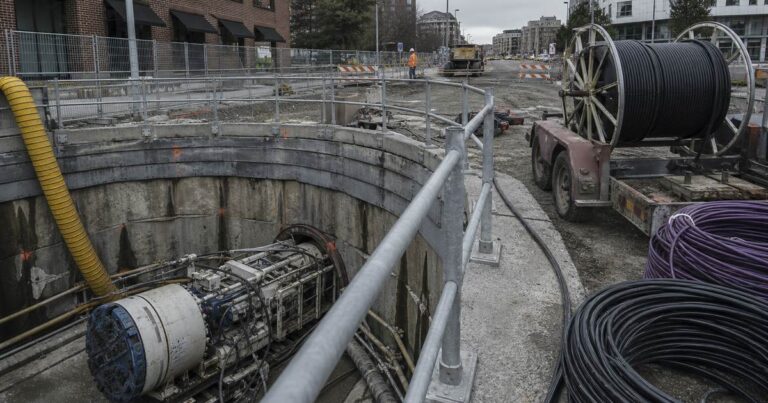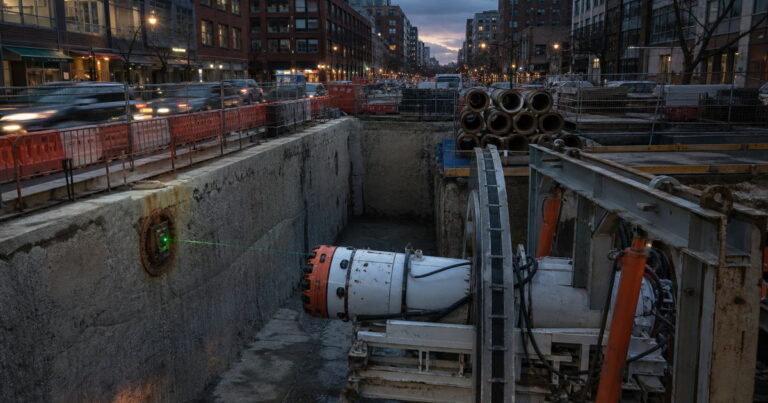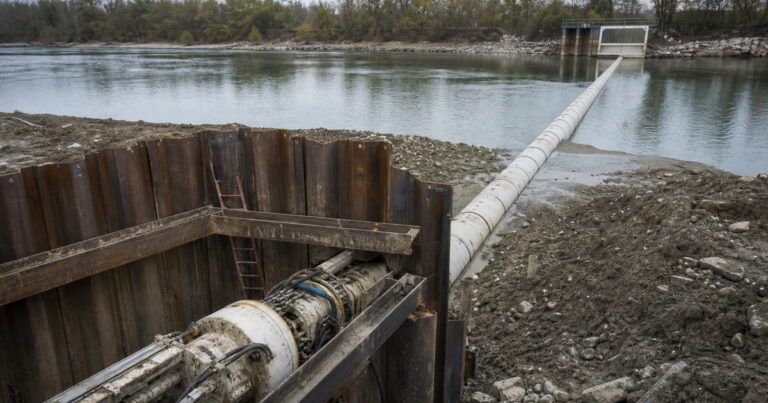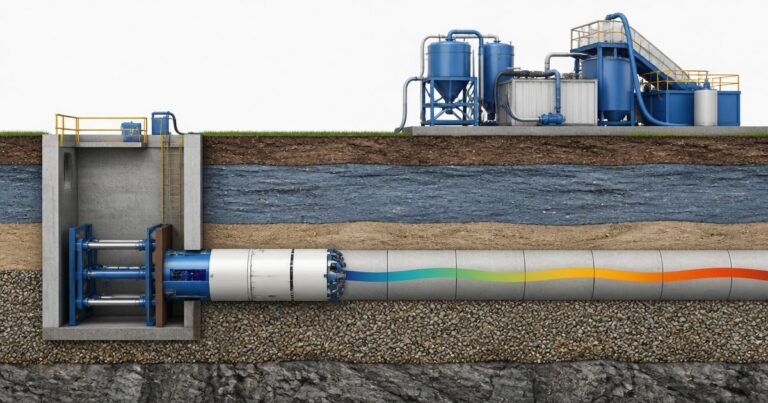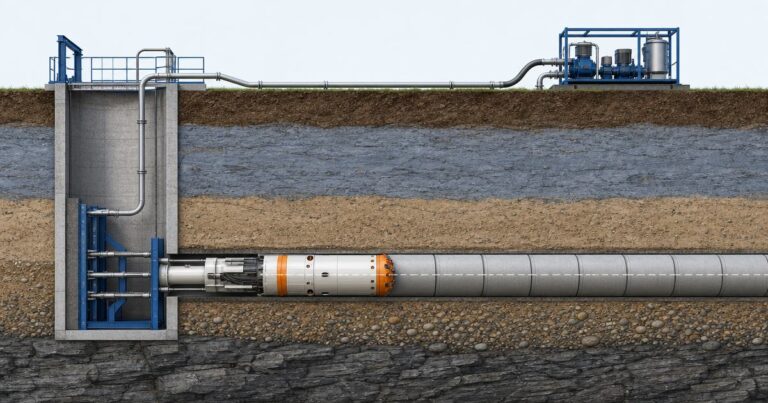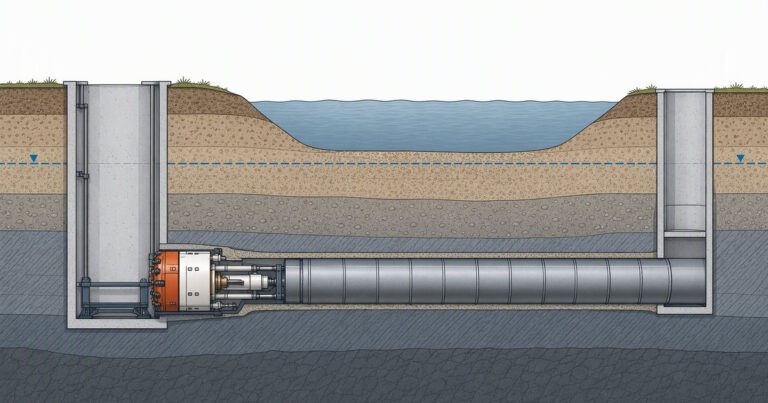
Guided microtunneling machine installing a small-diameter conduit casing for fiber optic and power cables below a city street

Microtunneling for Cable, Fiber and Electrical Conduit Crossings

Microtunneling for fiber optic cable, power ducts and other conduit crossings installs a small-diameter casing below a road, railway or watercourse under remote, laser-guided control, with almost no surface disruption. This article explains when that method is the right choice for cable, fiber and electrical duct work, and when it

Read More »
Chart of published microtunneling market size estimates plotted by scope, showing equipment, services and full project spend side by side

Microtunneling Market Size and Outlook: What the Data Says

The microtunneling market size for 2025 comes out somewhere between about USD 0.7 billion and USD 3.8 billion depending on which report you read, and the reason is that three different markets share one name: machine sales, trenchless services, and full project spend. This article places the verified published scopes

Read More »
Guided microtunneling machine launching from an urban shaft to install a sanitary sewer at final line and grade

Microtunneling for Sanitary Sewers and Force Mains in Urban Areas

Microtunneling for sanitary sewers installs a precisely graded pipeline under a city without cutting the surface. It serves both hydraulic regimes a sanitary system contains: gravity-flow sewers that must fall at a steady slope, and force mains that move wastewater under pressure. This guide compares the tolerances, pipe standards and

Read More »
Guided microtunneling machine launching from an urban shaft to install a large-diameter stormwater trunk below a city

Microtunneling for Stormwater and Flood Relief Tunnels

Microtunneling for stormwater sets the pipe diameter that a storm event demands and installs it below a city with minimal surface disruption, which is why the method often carries a capacity-led drainage trunk. This article follows the chain from rainfall to flow to diameter, then examines what a large-diameter microtunnel

Read More »
Engineering infographic comparing pulling-distance concepts for HDD, pipe bursting, E-Power Pipe, and pull-in-place lining in underground pipelines

Maximum Distance a Pipe Can Be Pulled Using Trenchless Methods: HDD Pull Length, Pipe Bursting & Lining Limits

The maximum distance a pipe can be pulled using trenchless methods ranges from approximately 50 meters to more than 3,000 meters, depending on the installation technology, pipe characteristics, ground conditions, and equipment limitations. For new pipeline construction, Horizontal Directional Drilling (HDD) typically achieves 200–800 meters per pull. For pipeline rehabilitation, specialized

Read More »
Engineering cutaway illustration comparing CIPP resin liners, spray-applied polyurea, HDPE sliplining, and UHPC structural lining segments in underground sewer pipes.

Best Trenchless Pipe Rehabilitation Materials: CIPP, Polyurea, HDPE Comparison

Best Materials for Trenchless Pipe Rehabilitation The most widely used and effective materials for trenchless pipe rehabilitation are thermosetting resin systems—specifically epoxy, polyester, and vinyl ester—combined with reinforcement fabrics such as fiberglass or polyester felt. For most municipal sewer rehabilitation projects, polyester CIPP offers the best cost-to-performance balance, while epoxy CIPP is preferred for pipes

Read More »