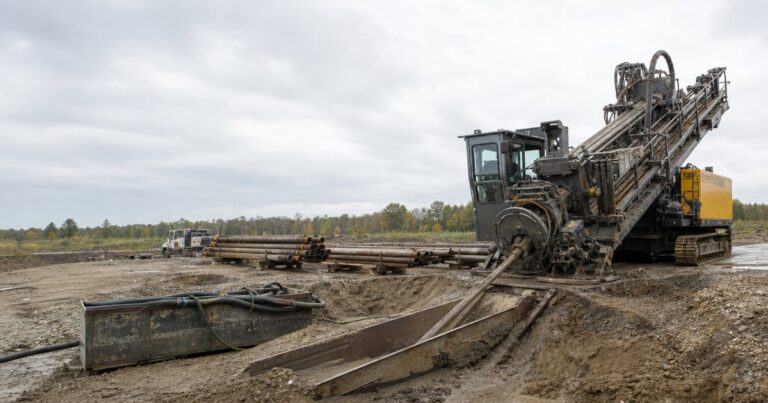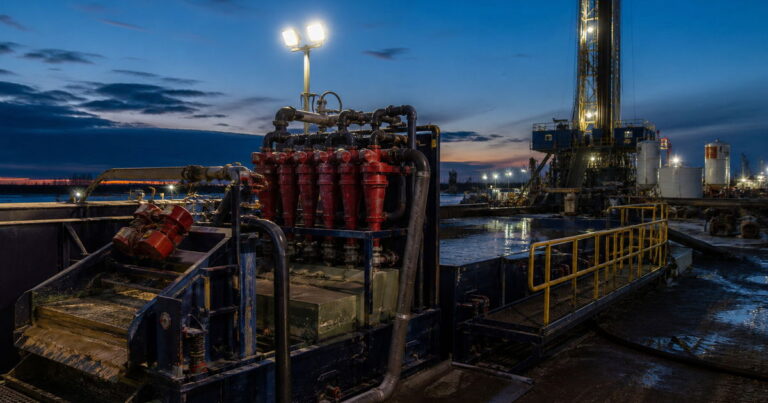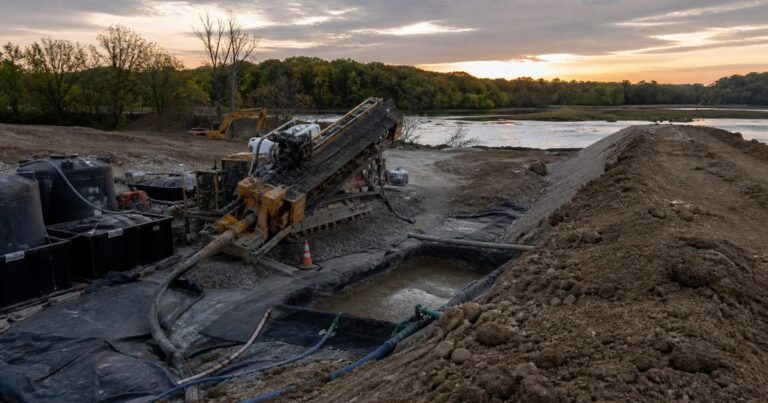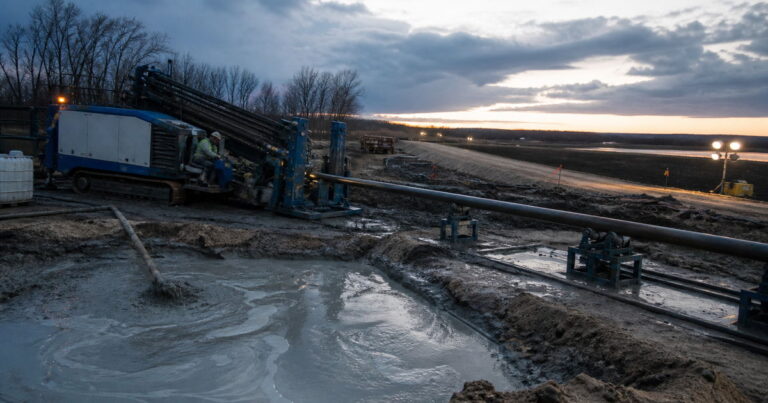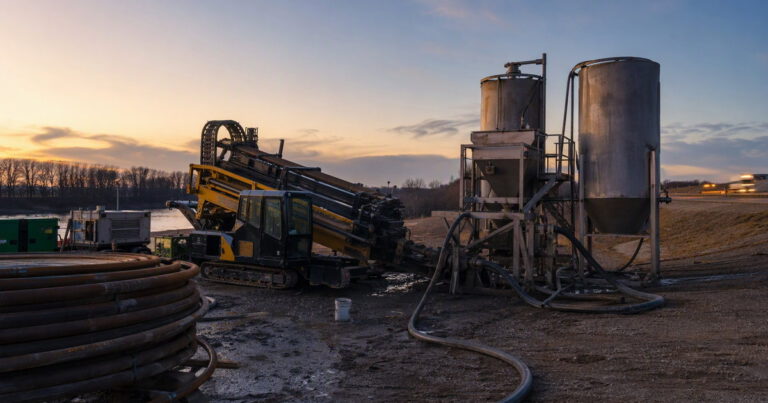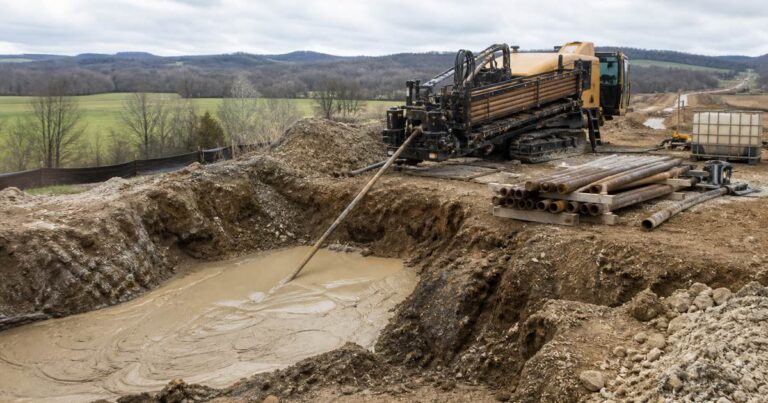
HDD rig set up at a crossing entry pit, with drill pipe entering the ground at a shallow angle beside a pipeline worksite

How to Choose the Right HDD Drill for Every Jobsite

HDD rig selection (horizontal directional drilling) works from the jobsite backwards: build the load case first, convert it into the capability the crossing demands, then match a machine to it. That order matters, because two crossings of the same length can demand very different machines once pipe weight, geology, cover

Read More »
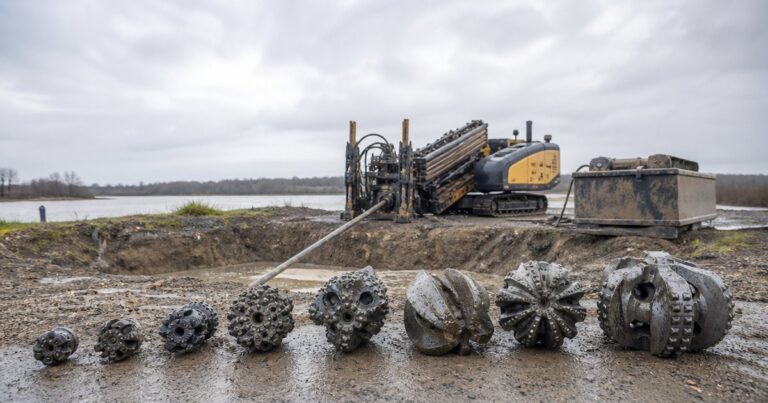
HDD reamer and cutters staged beside a trenchless drilling rig at an entry pit

HDD Tooling: Selection and Maintenance in Abrasive Ground

Choosing the right HDD tooling (horizontal directional drilling) in abrasive formations means matching the cutter to the way the ground attacks metal. Manage that wear as a consumable, before it becomes lost torque, stuck tools or a failed bore. Abrasive formations are rarely simply hard rock: loose silica sand, gravel

Read More »
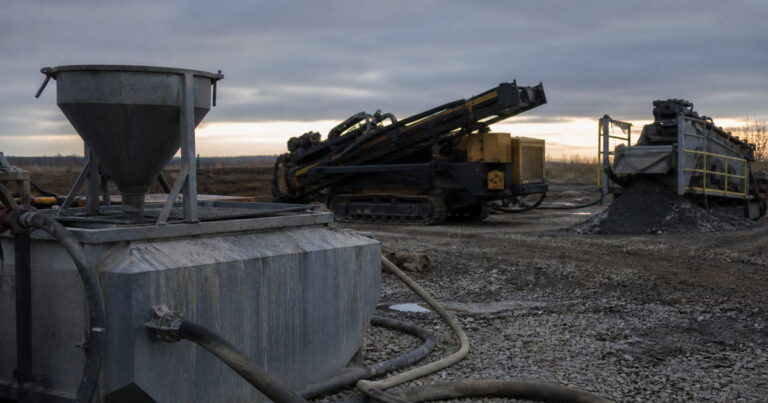
HDD rig drilling a pipeline crossing with drilling-fluid tanks and containment on site

How to Prevent Expensive Frac-Outs on HDD Projects

Frac-out prevention on an HDD project is a programme, not a single control: a bore plan that keeps annular pressure under the fracture gradient, a fluid programme built to measured targets, real-time pressure and pit-volume monitoring, disciplined reaming, and a rehearsed inadvertent return plan. This guide sets out the controls

Read More »
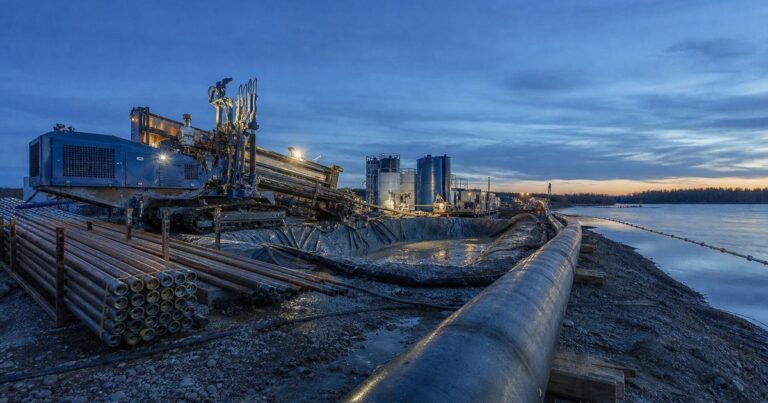
HDD rig on a pipeline crossing site with drilling fluid returns and product pipe staged for pullback

Top Mistakes to Avoid in Horizontal Directional Drilling

Most common mistakes in horizontal directional drilling are made before the rig reaches site and only surface at pullback, when the options are expensive. They cluster in seven places, from the geotechnical investigation to the pullback. The twelve mistakes below are grouped by stage – planning and bid, bore plan

Read More »
Engineering infographic comparing pulling-distance concepts for HDD, pipe bursting, E-Power Pipe, and pull-in-place lining in underground pipelines

Maximum Distance a Pipe Can Be Pulled Using Trenchless Methods: HDD Pull Length, Pipe Bursting & Lining Limits

The maximum distance a pipe can be pulled using trenchless methods ranges from approximately 50 meters to more than 3,000 meters, depending on the installation technology, pipe characteristics, ground conditions, and equipment limitations. For new pipeline construction, Horizontal Directional Drilling (HDD) typically achieves 200–800 meters per pull. For pipeline rehabilitation, specialized

Read More »
Engineering cutaway illustration comparing CIPP resin liners, spray-applied polyurea, HDPE sliplining, and UHPC structural lining segments in underground sewer pipes.

Best Trenchless Pipe Rehabilitation Materials: CIPP, Polyurea, HDPE Comparison

Best Materials for Trenchless Pipe Rehabilitation The most widely used and effective materials for trenchless pipe rehabilitation are thermosetting resin systems—specifically epoxy, polyester, and vinyl ester—combined with reinforcement fabrics such as fiberglass or polyester felt. For most municipal sewer rehabilitation projects, polyester CIPP offers the best cost-to-performance balance, while epoxy CIPP is preferred for pipes

Read More »