
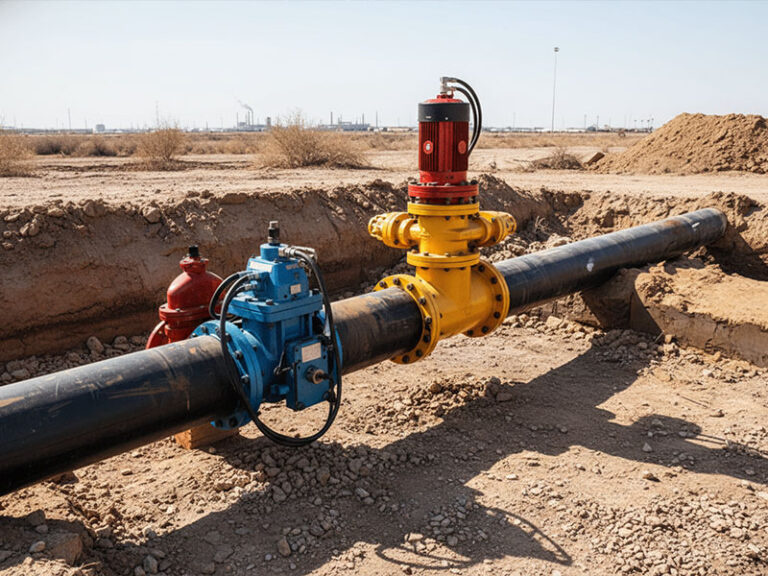
بالتأكيد. وتأتي دراسة حالة مفيدة للغاية من عمليات شركة بتروبراس (Petróleo Brasileiro S.A.) في حقل مارليم في حوض كامبوس. ونجحت الشركة في تنفيذ إجراءات التنصت الساخن وتجاوز السدود لتركيب العدادات المالية على خطوط أنابيب النفط الخام الحية، مما أدى إلى تجنب إيقاف الإنتاج بالكامل الذي كان سيستمر 15 يومًا لكل منصة.
يعتبر التنصت على الساخن تقنية صيانة أساسية لخط الأنابيب تسمح بإنشاء وصلة جديدة لخط أنابيب دون قطع الخدمة أو خفض ضغط الخط. عند استخدامها لتجاوز صمام معطل، تتضمن العملية الأساسية إنشاء خط جانبي مؤقت من خلال صنبورين، وعزل الجزء المعطل برؤوس سد، وإعادة توجيه التدفق لتمكين الإصلاح الآمن. ستتناول هذه المقالة بالتفصيل المبادئ التقنية، وتتطرق إلى تطبيقات حالة محددة، وتحلل الفوائد التشغيلية، وتوضح بروتوكولات السلامة الصارمة التي تجعل هذا الحل المفضل لضمان استمرارية التشغيل في صناعة النفط والغاز.
كيف يعمل الالتفافية الساخنة: المبادئ والمعدات الرئيسية
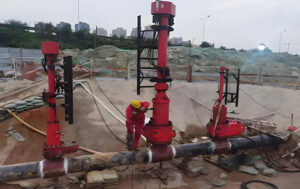
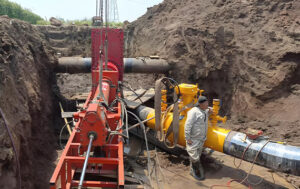
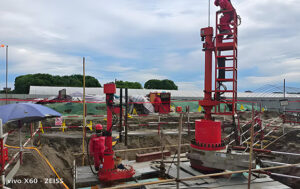
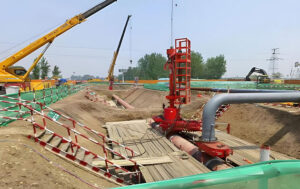
إجراء تجاوز التنصت الساخن هو طريقة صيانة حية غير تدخلية. وتنطوي على توصيل تركيبات وصمامات التنصت على خط أنابيب قيد التشغيل واستخدام معدات متخصصة للحفر في جدار الأنبوب، وبالتالي إنشاء مسار تدفق جديد. وتتمثل ميزتها الأساسية في القدرة على إجراء تعديلات أو إصلاحات كبيرة دون أي انقطاع في الإنتاج.
يتطلب تنفيذ هذه التقنية مجموعة منسقة من المعدات المتخصصة:
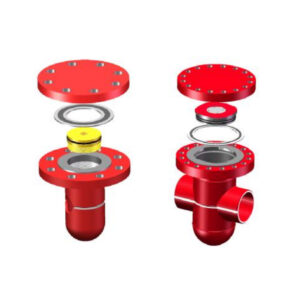
- تركيبات الصمامات والصمامات: يتم أولاً لحام المجموعة المحتوية على الضغط أو ربطها ميكانيكيًا بخط الأنابيب في المواقع المحددة، مما يشكل الأساس الآمن لجميع الأعمال اللاحقة.
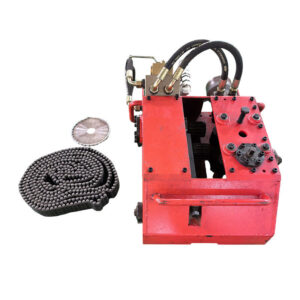
- ماكينة التنصت على الساخن: ماكينة حفر متخصصة مصممة لقطع الأنبوب المضغوط بأمان من خلال الصمام المثبت.
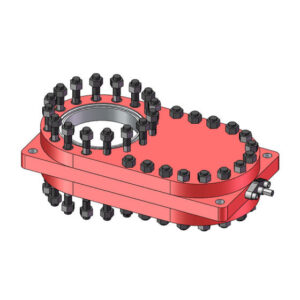
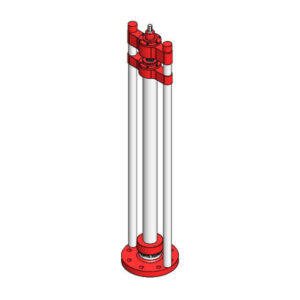
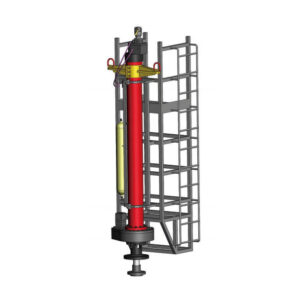
- رأس توصيل خطوط الأنابيب (ستوبل): جهاز عزل مؤقت يتم إدخاله من خلال الصنبور، والذي يمكن توسيعه داخل الأنبوب لتشكيل مانع تسرب ومنع التدفق.
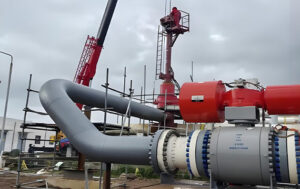
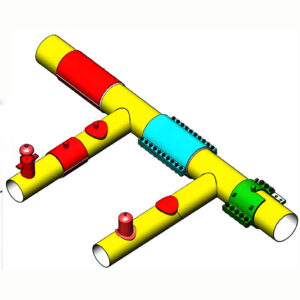
- قطعة التخزين البكرة الالتفافية: قسم مصنوع مسبقًا من الأنابيب المؤقتة، مصنفة لضغط التشغيل، تُستخدم لربط صنابير المنبع والمصب لتشكل مسار التحويل.
دراسة حالة متعمقة: التعديل التحديثي لعدم الإغلاق في حقل مارليم
كان التحدي الذي واجهته شركة بتروبراس في حقل مارليم سيناريو كلاسيكي. وللامتثال لمتطلبات القياس التنظيمية الجديدة، احتاجت الشركة إلى تركيب 27 عدادًا ماليًا على خطوط النفط الخام والغاز المتوهج عبر ست منصات بحرية. وكانت الطريقة التقليدية ستتطلب إغلاقاً كاملاً للإنتاج لكل منصة لمدة 15 يوماً تقريباً، مما يؤدي إلى خسارة كبيرة في الإنتاج والتأثير على الإيرادات.
واختار فريق المشروع التنصت الساخن والتوصيل كحل تمكيني. امتد المشروع، من التخطيط إلى الإنجاز، على مدار عام واحد واتبع هذه المراحل الرئيسية:
- التخطيط المسبق والتفتيش: تصميم هندسي مفصل وعمليات فحص أولية لأجزاء خط الأنابيب المستهدفة.
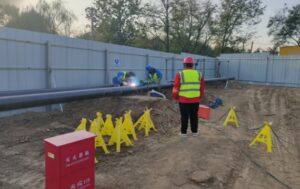
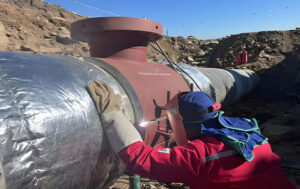
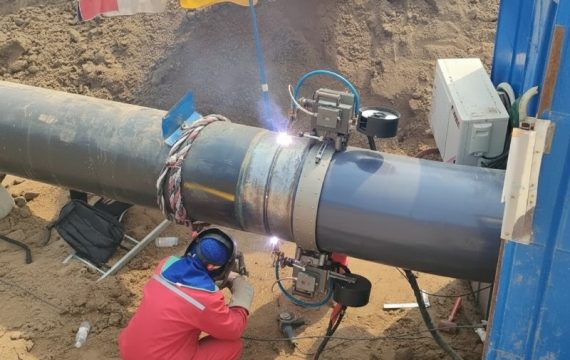
- تركيب التركيب المناسب: لحام المحملات المنقسمة ذات الدائرة الكاملة (تجهيزات التنصت) على خط الأنابيب في المواقع المخطط لها.
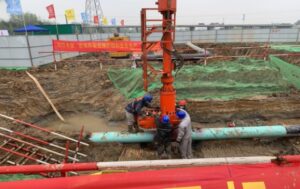
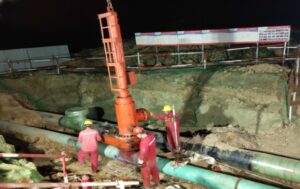
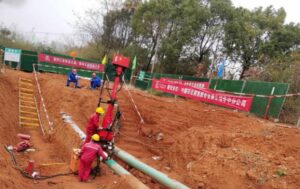
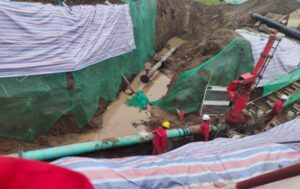
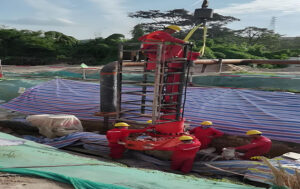
- الحنفية الساخنة وتنفيذ التوصيل: باستخدام ماكينة صنبور ساخن للحفر في الأنبوب. ثم تم إدخال رأس سد مؤقت من خلال الصنبور ووضعه وتثبيته لإنشاء مانع تسرب. تم تنفيذ هذه العملية في نقطتين: أعلى وأسفل القسم الذي يتطلب العمل (على سبيل المثال، نقطة تركيب الصمام أو العداد الفاشل).
- تركيب الخط الالتفافي: تم توصيل البكرة الالتفافية سابقة التجهيز بين نقطتي التنصت. وبمجرد تأمينها واختبارها، تم فتح الصمامات لتحويل تدفق النفط الخام بسلاسة عبر المسار المؤقت الجديد.
- تنفيذ العمل الأساسي: مع خفض الضغط في القسم المعزول بأمان، تم تنفيذ العمل الرئيسي - سواء استبدال الصمام أو تركيب العدادات.
- الإعادة والإزالة: بعد الانتهاء من العمل، تمت استعادة الخط الأصلي. تم استرجاع رؤوس السدادات، وأُغلقت فتحات الصنبور بشكل دائم بسدادات الإكمال.
كانت النتيجة حاسمة: تم تركيب جميع العدادات الـ 27 دون إيقاف الإنتاج مرة واحدة. وتُرجم هذا النهج إلى وفورات تقدر بمئات الملايين من الدولارات في الإنتاج المؤجل، مما يسلط الضوء بشكل صارخ على الضرورة الاقتصادية لهذه التقنية.
تحليل مقارن: تجاوز التنصت الساخن مقابل الإغلاق التقليدي
لماذا اختيار إجراء التنصت الساخن المعقد بدلاً من الإغلاق التقليدي؟ يعتمد القرار بشكل أساسي على تخفيف المخاطر والتكلفة.
تجاوز التنصت الساخن مقابل الإغلاق التقليدي لإصلاح الصمامات
| العامل | إجراء الالتفافية على الساخن الالتفافية | الإيقاف والاستبدال التقليدي |
|---|---|---|
| تأثير الإنتاج | صفر. يستمر التدفق دون انقطاع عبر الممر الجانبي. | إيقاف التشغيل الكامل طوال مدة الإصلاح وإعادة التشغيل. |
| السلامة التشغيلية | يتم تنفيذ العمل في قسم معزول ومنخفض الضغط. تتم إدارة المخاطر الأولية أثناء مرحلة النقر/التوصيل في إطار إجراءات محكومة. | يجب إزالة الضغط من الخط بأكمله وتطهيره وجعله آمنًا للعمل على الساخن، مما يؤدي إلى إدخال مجموعات مختلفة من مخاطر السلامة. |
| التكلفة الاقتصادية | ارتفاع تكلفة التعبئة والمعدات الأولية، ولكن دون خسارة في المنتج أو الإيرادات. | تكلفة البناء المباشرة منخفضة، ولكن التكلفة غير المباشرة مرتفعة للغاية بسبب فقدان الإنتاج. |
| مدة الجدول الزمني | مرحلة تخطيط وإعداد أطول، ولكن التنفيذ عادةً ما يكون أسرع لأعمال الإصلاح الفعلية داخل القسم المعزول. | قد يكون التخطيط أبسط، ولكن يهيمن على الجدول الزمني العام تسلسلات الإغلاق والتبريد والتطهير وإعادة التشغيل الطويلة. |
| أفضل تطبيق | خطوط الأنابيب الحرجة حيث يكون الإغلاق مكلفاً للغاية أو مستحيلاً من الناحية التشغيلية. | خطوط غير حرجة ذات أنظمة احتياطية متوفرة بسهولة أو عمليات تحول مجدولة على مستوى المصنع. |
بروتوكولات السلامة الحرجة ومعايير الصناعة
يتوقف نجاح أي عملية تنصت على الساخن على الالتزام الصارم بالسلامة. فهي ليست مهمة صيانة روتينية بل هي خدمة مصممة هندسيًا بدرجة عالية.
- هندسة صارمة قبل التوظيف: يتطلب كل إجراء خطة عمل مفصلة، بما في ذلك تحليل الإجهاد على جدار الأنبوب أثناء التنقيب، والتحقق من مادة الأنبوب وسُمك الجدار، وتحليل المخاطر الكامل (HAZOP/JSA).
- الأفراد المؤهلون والمعدات: يجب أن تتم العملية من قبل مقاولين معتمدين حاصلين على تدريب متخصص. يجب أن تكون جميع المعدات، من صمام التنصت إلى رأس السد، مصنفة لضغط خط الأنابيب المحدد والمنتج (مثل النفط الخام والغاز والماء).
- التخطيط للطوارئ: خطة شاملة للاستجابة لحالات الطوارئ إلزامية. ويشمل ذلك إجراءات التعامل مع القاطع العالق، أو رأس مسدود لا يمكن استرجاعه، أو تسرب في أحد التجهيزات.
ما وراء إصلاح الصمامات: التطبيقات الرئيسية الأخرى للتنصت على الساخن
إن القدرة على العمل على خطوط حية تجعل التنقيب الساخن لا يقدر بثمن للعديد من مهام تعديل خطوط الأنابيب وسلامتها:
- استبدال قسم خط الأنابيب: عزل واستبدال الأجزاء المتآكلة أو التالفة.
- تركيب خط فرعي جديد: إضافة وصلات جديدة للربط دون إغلاق الخط الرئيسي.
- العزل في حالات الطوارئ: إغلاق الجزء المتسرب أو التالف بسرعة لتقليل التأثير البيئي.
- الفحص أثناء الخدمة: تركيب قاذفات/أجهزة إطلاق/مستقبلات أدوات الفحص أو نقاط المسبار.
الخاتمة والنتائج الرئيسية
تُظهر دراسة حالة بتروبراس بقوة أن التنصت الساخن لإنشاء ممر جانبي حول صمام معطل ليس ممكنًا نظريًا فحسب، بل هو حل قياسي عالي الموثوقية في هندسة خطوط الأنابيب الحديثة. إنه يحول أزمة إنتاج محتملة بملايين الدولارات إلى عملية مُدارة ومخطط لها.
ويوازن قرار استخدام هذه التقنية بين التكاليف التقنية الأولية الأعلى مقابل القيمة الهائلة للإنتاج المستدام. ويخضع تنفيذها لمعايير هندسية صارمة وبروتوكولات سلامة صارمة، مما يتطلب خبرة من مقاولي الخدمات المتخصصين. بالنسبة لمشغلي أصول نقل النفط والهواء والمياه الحرجة، فإن إتقان واستخدام تقنيات التنصت والتوصيل الساخن ضروري للإدارة المسؤولة للأصول والربحية والمرونة التشغيلية.
المؤلف: ديفيد تشين، كبير مهندسي سلامة خطوط الأنابيب
تاريخ التحديث: 26 أكتوبر 2023
يتمتع ديفيد بخبرة تزيد عن 15 عاماً في تخطيط وتنفيذ التدخلات المباشرة في خطوط الأنابيب وتنفيذها، بما في ذلك مئات من مشاريع التنصت الساخن وسدّ الأنابيب في أصول المصبّ والمصب الأوسط.









 English
  Arabic
  Russian
  Spanish
  French
  Vietnamese
  Polish
  Thai
Thai  Indonesian
  Turkish
  Portuguese