نظرة عامة على المشروع
| اسم المشروع | نقل خط أنابيب نهر ون تشاو - القسم 1 |
|---|---|
| العميل | مركز بكين لبناء وإدارة المياه في بكين |
| الموقع | بكين، الصين |
| التحدي | نقل 750 مترًا من خطوط أنابيب النفط ووقود الطائرات النشطة ذات الضغط العالي (10 ميجا باسكال) لاستيعاب أعمال الإنشاءات النهرية الجديدة دون انقطاع الخدمة. |
| الحل | مخصص مشروع التنصت الساخن وإيقاف الخط مع تركيب ممر جانبي مؤقت لعزل القسم والحفاظ على التدفق. |
| النتائج الرئيسية | وقت تعطل صفري، وسجل سلامة 100%، وإنجاز المشروع في الوقت المحدد. |
في مجال تطوير البنية التحتية، غالبًا ما تكون المشاريع الأكثر نجاحًا هي تلك التي تمر دون أن يلاحظها أحد. عندما بدأ مركز بناء وإدارة المياه في بكين في مشروع تحويل مجرى نهر ون تشاو ظهر تحدٍ حاسم: تقاطع مسار النهر المقترح مع شريانين نشطين من شرايين الطاقة عالية الضغط الحيوية لعمليات العاصمة. تُظهر خدمة التنصت الساخنة لخط الأنابيب البري هذا لبناء السكك الحديدية (وفي هذه الحالة، بناء النهر) الدقة والموثوقية المطلوبة لتنفيذ عملية نقل معقدة لخط أنابيب دون انقطاع تدفق الطاقة.
التحدي صراع عالي الضغط
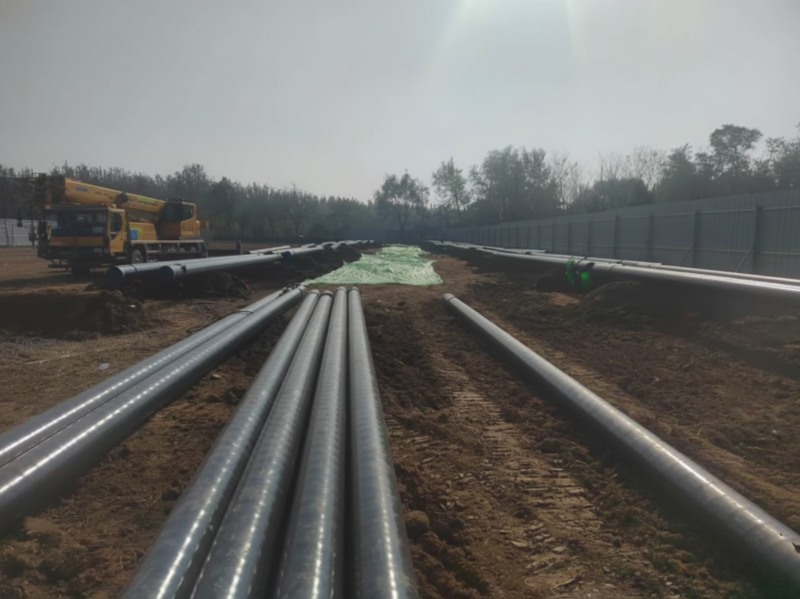
كان التحدي الأساسي هو التعارض المادي بين مجرى النهر الجديد وخطوط الأنابيب الحالية. لم تكن هذه الخطوط عادية. فقد تضمن المشروع نقل خط أنابيب سينوبك للنفط المكرر وخط أنابيب وقود الطائرات - أي ما مجموعه 750 مترًا من البنية التحتية التي تعمل في ظروف قاسية.
- خط الأنابيب 1 (سينوبك): نقل الزيت المكرر عند ضغط تصميمي يبلغ 10 ميجا باسكال، بقطر D323.9×7.1 مم.
- خط الأنابيب 2 (سينوبك): نقل وقود الطائرات (وقود الطائرات) عند ضغط تصميمي يبلغ 6.4 ميجا باسكال، بقطر D273.1×6.4 مم.
بالنسبة للعميل، مركز بكين لبناء وإدارة المياه، لم يكن الإغلاق التقليدي خياراً قابلاً للتطبيق. كان الإغلاق يعني:
- خسارة مالية فادحة كان وقف تدفق الوقود إلى بكين سيؤدي إلى فرض عقوبات وخسارة في الإيرادات.
- اضطراب سلسلة التوريد: ستتعرض إمدادات وقود الطائرات إلى المطار والنفط المكرر إلى المدينة للخطر.
- مخاطر السلامة: إن عملية إزالة الضغط، والتطهير، ثم إعادة الضغط لاحقًا لمثل هذه الخطوط ذات الضغط العالي تنطوي على مجموعة من المخاطر الكبيرة الخاصة بها.
لقد احتاجوا إلى إجراء عزل خط أنابيب الغاز الطبيعي عالي الضغط، الذي تم تكييفه مع الهيدروكربونات السائلة، والذي من شأنه أن يسمح لهم “بقطع” جزء من خط الأنابيب الحي وتوصيل الجزء الجديد بسلاسة. وهنا يأتي دور خبرتنا كمقاول متخصص في خطوط الأنابيب.
الحل: طريقة تركيب وتوصيل خط الأنابيب الجانبي المخصص للتوصيل والتوصيل
وقد اقترح فريقنا في JSW حلاً جاهزاً يتمحور حول طريقة تركيب وسد خط الأنابيب الجانبي. يسمح هذا النهج ببقاء الخط الرئيسي قيد التشغيل أثناء عزل جزء منه وإزالته.
وبدلاً من الإغلاق، نفذنا دراسة حالة مشروع إيقاف تشغيل خط الإنتاج وإيقاف تشغيله بشكل مباشر. تضمنت الاستراتيجية ثلاث مراحل رئيسية، باستخدام معداتنا الخاصة المصممة والمصنعة داخلياً.
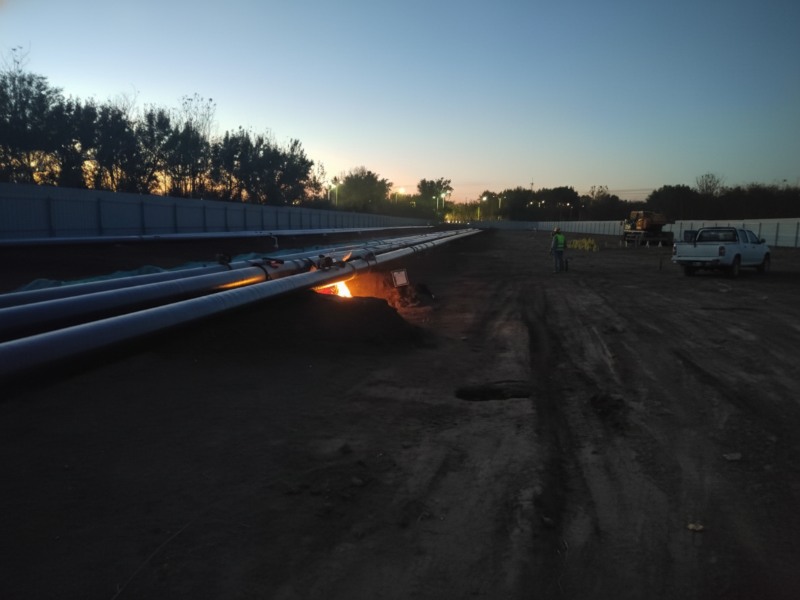
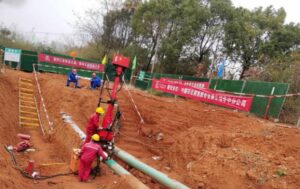
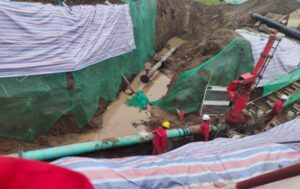
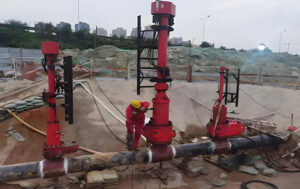
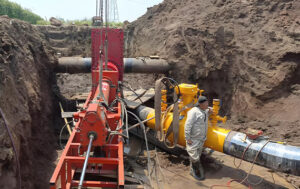
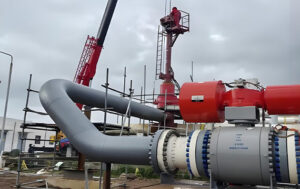
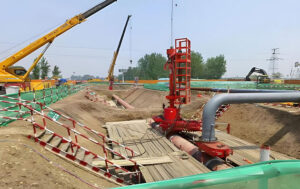
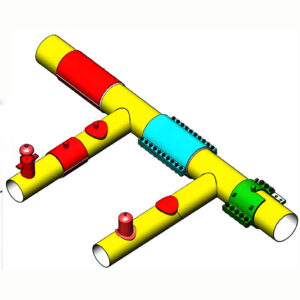
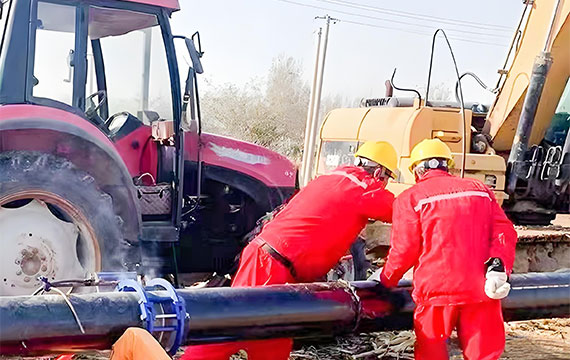
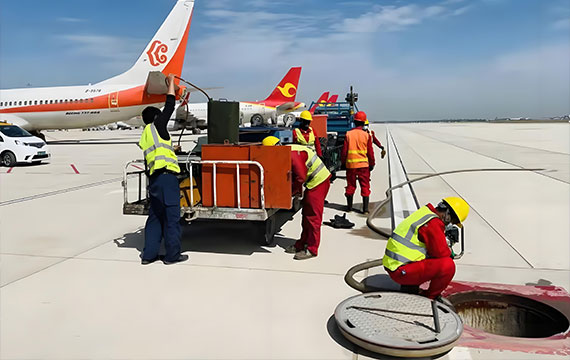
- التثبيت الالتفافي: أجرينا صنبورين ساخنين على جانبي المنبع والمصب في الجزء المراد نقله. ثم تم تركيب خط تجاوز مؤقت، مما أدى إلى إنشاء مسار تدفق بديل. وقد سمح لنا ذلك بإعادة توجيه التدفق الكامل للنفط المكرر ووقود الطائرات من خلال الممر الجانبي، مما يضمن عدم انقطاع الخدمة للمستخدمين النهائيين.
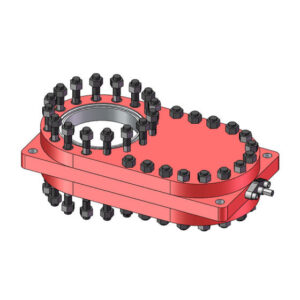
- إيقاف الخط (العزل): ومع تحويل التدفق بأمان، قمنا بإدخال سدادات لإيقاف الخط في الخط الرئيسي الأصلي. وقد أدى ذلك إلى عزل الجزء الذي يبلغ طوله 750 مترًا بشكل فعال، مما أدى إلى إنشاء منطقة عمل آمنة وخالية من الضغط.
- النقل والربط: تم قطع القسم المعزول، وتم توصيل قسم خط الأنابيب الجديد مسبق الصنع. وكانت التقنيات الأساسية المستخدمة هي تقنيات بناء خطوط أنابيب الغاز الفولاذية L360M، التي تم اختيارها لتوافقها مع الفولاذ عالي القوة للخطوط الحالية.
لقد منحتنا قدرتنا على توفير الخدمات كمقاول والمعدات كشركة مصنعة ميزة لا مثيل لها. لم نخطط للإجراء فحسب؛ بل قمنا بتصميم وتوريد آلات الثقب الساخن المتخصصة، ومشغلات إيقاف الخط، والتجهيزات الالتفافية، مما يضمن مراقبة الجودة الكاملة.
عملية التنفيذ: الدقة تحت الضغط
إن تنفيذ مشروع بهذا الحجم يتطلب أكثر من مجرد الدراية الفنية؛ فهو يتطلب تخطيطاً دقيقاً وإدارة دقيقة للمشروع. كان نهج شركتنا منهجياً:
- المرحلة 1: الهندسة والمحاكاة: بدأنا بمراجعة هندسية مفصلة للموقع. واستخدمنا النمذجة ثلاثية الأبعاد لمحاكاة طريقة تركيب الممر الجانبي والتوصيل، وتحديد التداخلات المحتملة مع الفولاذ L360M قبل إجراء عملية لحام واحدة.
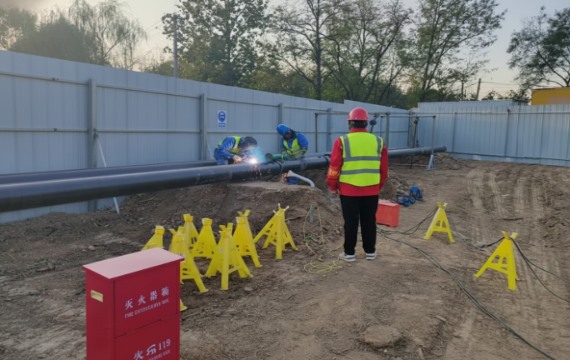
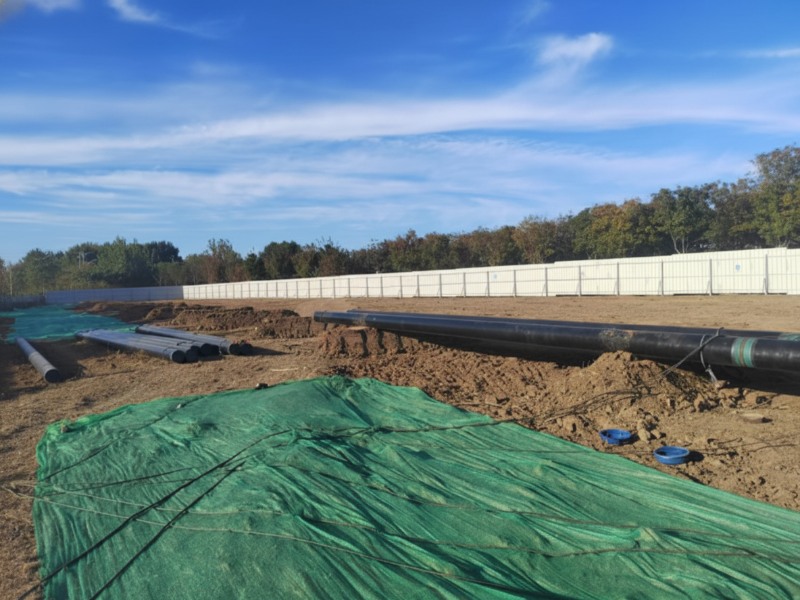
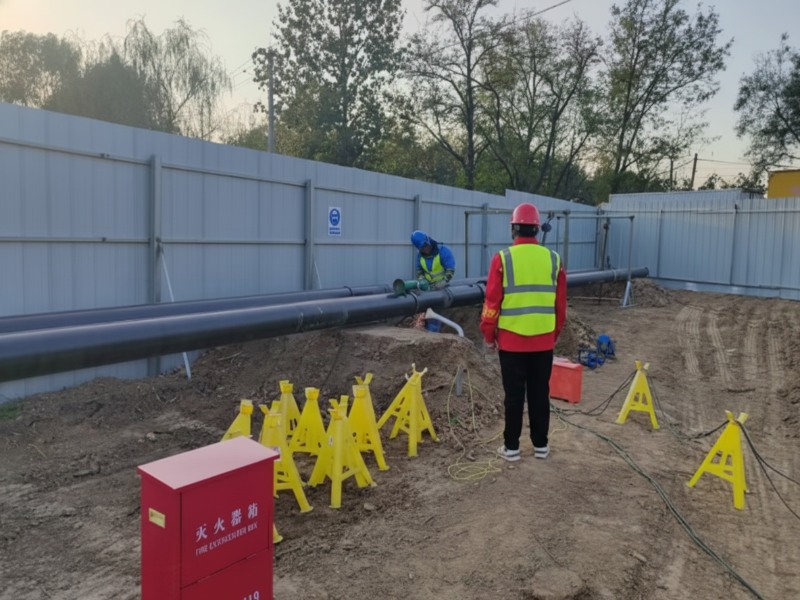
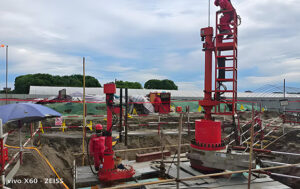
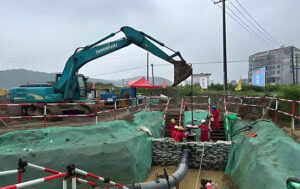
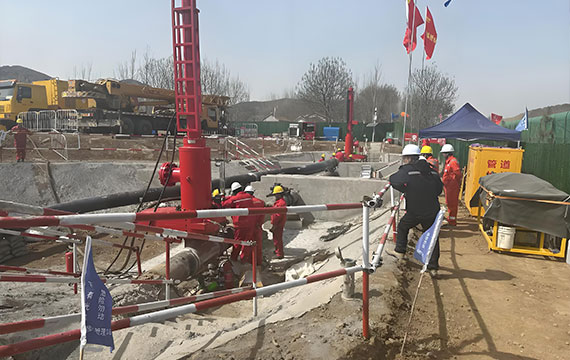
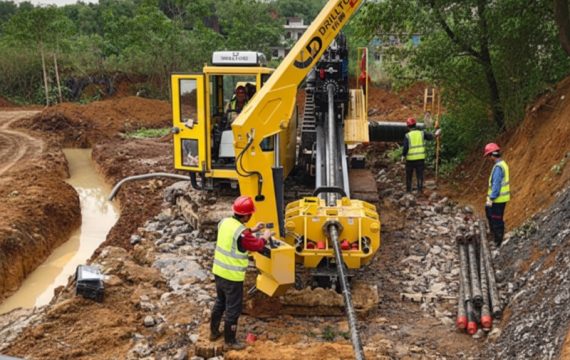
- المرحلة 2: إعداد الموقع وبروتوكولات السلامة: تم تجهيز موقع البناء بحفريات وتدعيمات معززة. وتم نشر نظام مراقبة الغاز على مدار الساعة طوال أيام الأسبوع لضمان السلامة المطلقة.
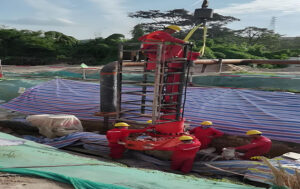
- المرحلة 3: عمليات الحنفية الساخنة المباشرة: اللحظة الحرجة. تحت إشراف كبار المهندسين لدينا، تم إجراء عمليتي صنبورين ساخنين متزامنتين على خطوط الضغط العالي. كانت الدقة في غاية الأهمية - أي انحراف كان من الممكن أن يعرض سلامة خط الأنابيب الذي تبلغ قوته 10 ميجا باسكال للخطر.
- المرحلة 4: تفعيل التجاوز وإيقاف الخط: مع اكتمال الصنبور الساخن وفتح الصمامات الالتفافية، قمنا بتفعيل محطات توقف الخط. تم التأكد من الانتقال السلس للتدفق من خلال مراقبة مقاييس الضغط على كل من الخط الرئيسي والممر الجانبي.
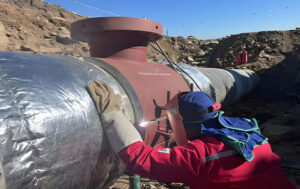
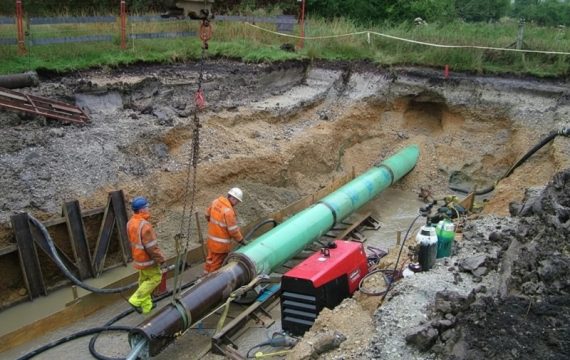
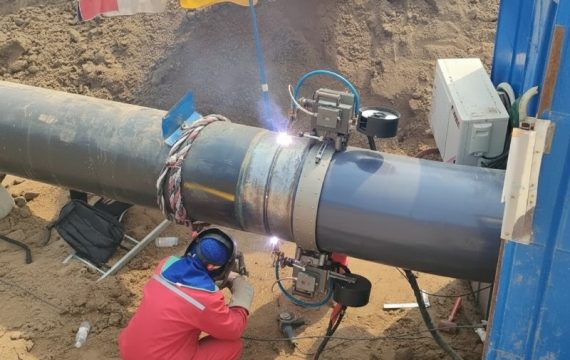
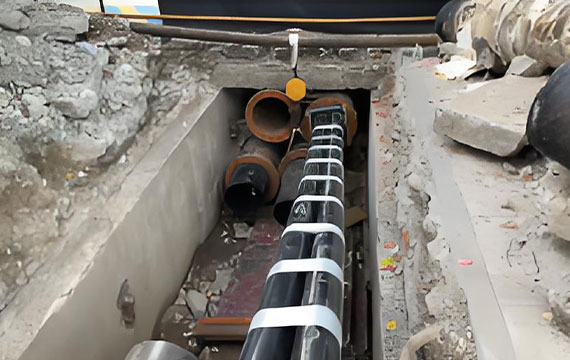
- المرحلة 5: النقل والربط والترميم: تمت إزالة الجزء الذي يبلغ طوله 750 مترًا، وتم لحام الجزء الجديد ولحام جميع الوصلات 100% واختبارها بشكل غير مدمر (NDT). ثم سُحبت نقاط توقف الخط، وتم نقل التدفق تدريجيًا إلى خط الأنابيب الدائم المركب حديثًا.
النتائج وتأييد العملاء
تم الانتهاء من المشروع في الموعد المحدد، محققًا سجل سلامة 100% بدون أي حوادث. لم يتم تحقيق الأهداف الأساسية للعميل فحسب، بل تم تجاوزها.
- عمليات متواصلة دون انقطاع: أتاحت طريقة تركيب خط الأنابيب الجانبي وسدّه عدم حدوث أي انقطاع في تدفق النفط المكرر ووقود الطائرات طوال مدة المشروع.
- التسليم في الوقت المحدد: تم تحقيق الجدول الزمني للمشروع في أبريل 2024، وهو ما يفي بمتطلبات المسار الحرج لمشروع تحويل مجرى نهر ون تشاو الأكبر.
- تعزيز السلامة المعززة: إن خدمة التنصت الساخن لخط الأنابيب البري المخصص لبناء السكك الحديدية (التي تم تكييفها لبناء الممرات المائية) قضت على المخاطر المرتبطة بإغلاق النظام بالكامل وإعادة تشغيله.
“كان مشروع نقل نهر ون تشاو مشروعًا عالي التكلفة. كانت قدرة شركة JSW على توفير حل كامل - بدءًا من هندسة التركيبات التحويلية المعقدة وطريقة التوصيل إلى نشر معدات العزل الساخن الخاصة بهم - عاملاً أساسيًا في نجاحنا. لم يتصرف فريقهم ليس فقط كمقاول، ولكن كشريك حقيقي، حيث أداروا إجراءات عزل خط أنابيب الغاز الطبيعي عالي الضغط (المعدل لخطوطنا السائلة) بمهارة فنية استثنائية وانضباط في مجال السلامة. لقد وفروا راحة البال.”
— مدير مشروع، مركز بكين لبناء وإدارة المياه في بكين
نبذة عن شركة JSW لخدمات خطوط الأنابيب
تُعد شركة JSW شركة رائدة في مجال خدمات خطوط الأنابيب المتكاملة، وتتمتع بمكانة فريدة كمقاول متخصص في مجال خطوط الأنابيب ومصنع معدات مبتكرة. نحن نقدم خدمات شاملة بما في ذلك نقل خطوط أنابيب النفط والغاز، والتركيبات الجديدة، والإصلاحات الطارئة، والتوصيل السريع، وإيقاف الخطوط، والصيانة.
إن هويتنا المزدوجة تعني أننا لا نعتمد فقط على أدوات الطرف الثالث؛ فنحن نقوم بهندسة وبناء المعدات التي تقود حلولنا. ويضمن هذا التآزر موثوقية وكفاءة وفعالية لا مثيل لها من حيث التكلفة للمشاريع البرية المعقدة. عندما تختار شركة JSW، فإنك تتعاون مع فريق يجمع بين براعة الشركة المصنعة والخبرة الميدانية المختبرة لمقاول رائد.




 English
  Arabic
  Russian
  Spanish
  French
  Vietnamese
  Polish
  Thai
Thai  Indonesian
  Turkish
  Portuguese