Trenchless Technologies services
JSW Trenchless Services for Oil & Gas Pipelines
JSW provides four specialized trenchless services for oil and gas pipeline construction: Pipe Jacking, Pipe Ramming, Pipe Bursting, and Slip Lining. As an experienced pipeline construction contractor, our company executes new installations, capacity expansion replacements, and structural rehabilitation projects with minimal surface disruption while reducing project timelines by 40-60% compared to traditional open-cut methods.
- Pipe Jacking
- Pipe Ramming
- تكسير الأنابيب
- التبطين بالانزلاق
Why Oil & Gas Contractors Choose JSW as Trenchless Partner
Equipment Ownership
JSW owns and maintains all jacking frames, bursting heads, ramming hammers, and support equipment. No third-party rentals — direct control over scheduling and quality.
In-House Engineering
Pre-bid feasibility studies, ground condition assessments, and method selection analysis. JSW delivers data-backed answers before construction begins.
Single Point of Responsibility
From permitting support to final restoration, JSW manages the entire trenchless scope. One contractor, one accountability.
Safety Record
Zero lost-time incidents across all trenchless construction operations. Documented safety program with monthly crew training.
JSW’s Pipe Jacking Service for Long-Distance Pipeline Crossings
Technical Capabilities of JSW’s Pipe Jacking Equipment
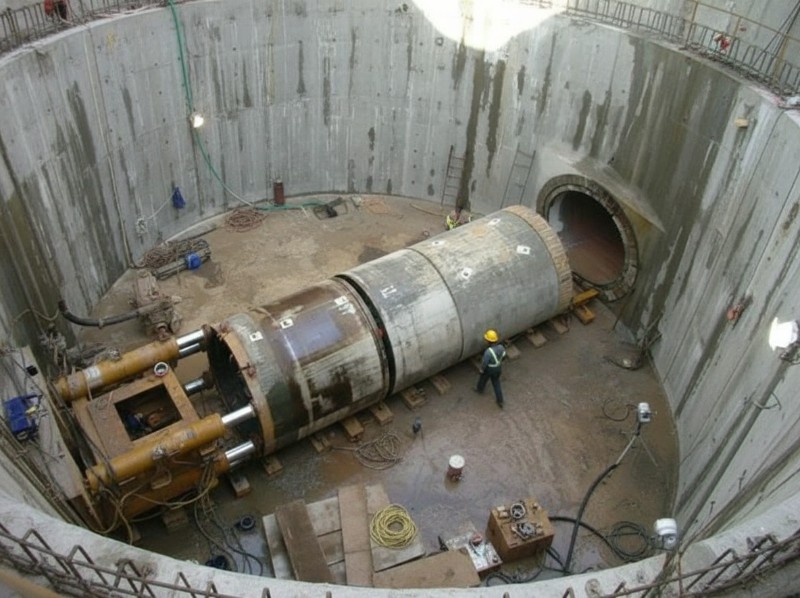
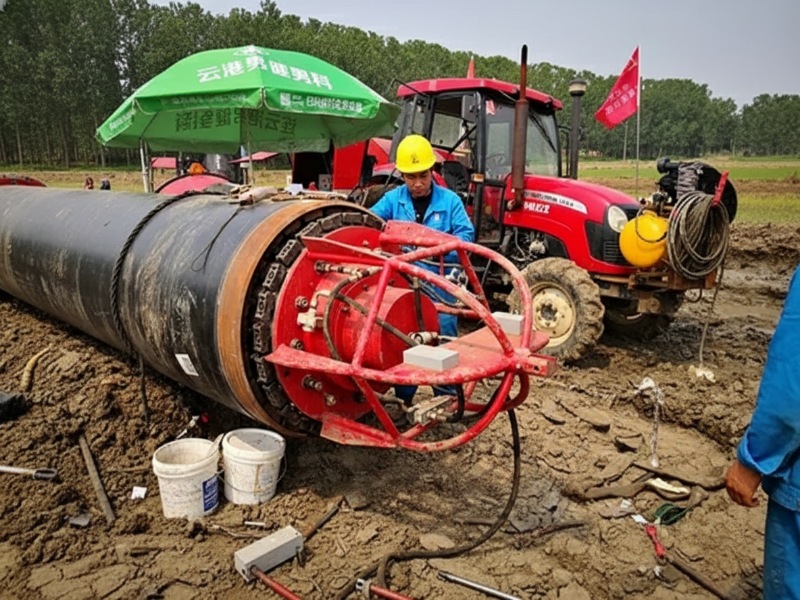
JSW’s pipe jacking service uses hydraulic jacking frames and tunnel boring machines to install prefabricated steel pipe sections from a launch shaft to a reception shaft. The system operates remotely from the surface, allowing JSW’s operators to monitor and adjust steering, alignment, and excavation rates in real time. For oil and gas applications, JSW welds steel pipe on the surface, lowers sections into the shaft, and jacks forward in continuous sequences.
| Technical Parameter | JSW’s Capability | Oil & Gas Application |
|---|---|---|
| قطر الأنبوب | 200 mm to 3,000 mm | 8-inch to 48-inch crude and gas lines |
| Single Drive Length | Up to 800 meters | Intermediate jacking stations for extended range |
| Ground Conditions | Soft clay to hard rock | Rock cutting tools for hard formations |
| مواد الأنابيب | Steel with FBE coating | Fusion-bonded epoxy for corrosion protection |
| Accuracy Tolerance | ±15 mm over 500 meters | Suitable for high-pressure transmission lines |
JSW Project Application: Pipe Jacking for Gas Pipeline Under Active Railroad
JWS completed a 24-inch natural gas pipeline installation beneath an active Class 1 railroad crossing using pipe jacking. The crossing length was 180 meters through mixed clay and sandstone. JSW’s tunnel boring machine equipped with disc cutters advanced at 12 meters per day. The installation was completed in 14 days with ±15 mm accuracy and zero railroad disruption. No track settlement was recorded during or after the jacking operation.
When JSW Recommends Pipe Jacking
JSW recommends pipe jacking for the following oil and gas scenarios:
Crossings under active railroads, highways, and rivers where surface disruption is not permitted
Installations requiring high-precision alignment for high-pressure transmission lines
Projects with large diameter pipe (24 inches and above)
Ground conditions including rock, cobble, or mixed soils where other methods cannot perform
Long-distance drives exceeding 100 meters where multiple intermediate jacking stations provide staging flexibility
Limitations JSW Communicates to Clients
Pipe jacking requires launch and reception shafts with adequate workspace. Large diameter shafts may need 15 x 30 meter working areas at each end. High groundwater conditions require closed-face boring machines that add 15-25% to equipment costs. For drives shorter than 50 meters, JSW may recommend pipe ramming or open-cut as more cost-effective alternatives.
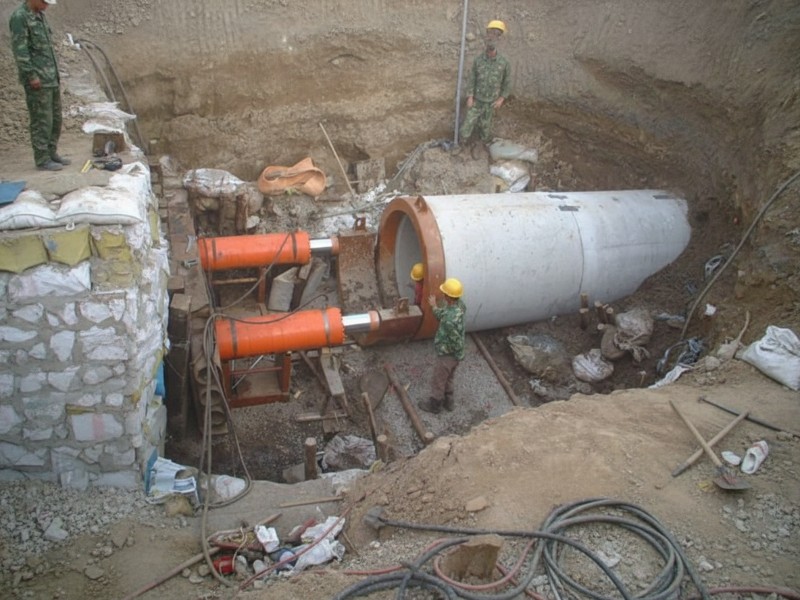
JSW’s Pipe Ramming Service for Short Casing Installations
Technical Capabilities of JSW’s Pipe Ramming Equipment
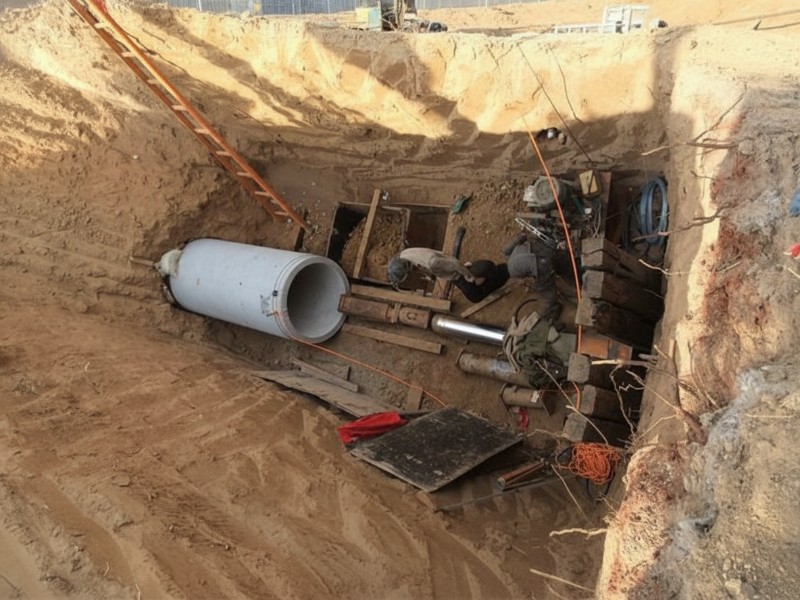
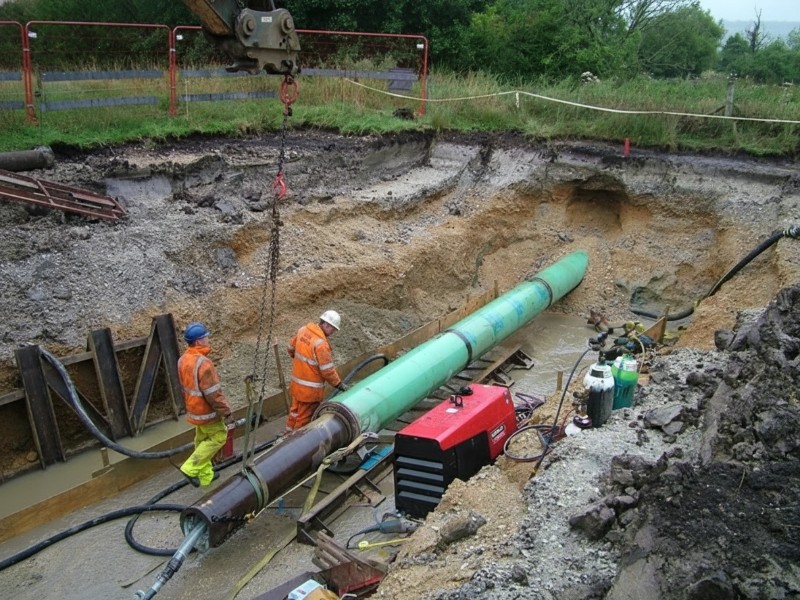
JSW’s pipe ramming service uses a compressed air hammer mounted directly on the pipe end to drive open-ended steel casing through the ground at high velocity, typically 30-50 blows per minute. Unlike pipe jacking’s continuous pushing action, ramming relies on impact energy to displace soil around the casing. JSW deploys this method for short crossings where speed and simplicity outweigh precision requirements. The method is classified as a displacement technique rather than an excavation technique.
| Technical Parameter | JSW’s Capability | Oil & Gas Application |
|---|---|---|
| Casing Diameter | 200 mm to 1,800 mm | 8-inch to 60-inch steel casing |
| Drive Length | 10 meters to 50 meters | Single drive without intermediate pits |
| Ground Conditions | Gravel, sand, silt, clay | Non-cohesive, granular soils preferred |
| Compressor Capacity | 900-1,600 cfm at 125 psi | Two compressors for larger diameters |
| سرعة التثبيت | 1-2 meters per hour | Complete crossing in 4-8 hours |
JSW Project Application: Pipe Ramming for Oil Pipeline Casing Under County Road
JSW installed a 36-inch steel casing under a two-lane county road for a 16-inch crude oil pipeline. The crossing length was 30 meters through sandy gravel. JSW mobilized a 1,200 cfm compressor and pneumatic hammer. The casing was driven to depth in 6 hours. The carrier pipe was slid through the casing the following day. Road closure was limited to 4 hours. Surface restoration was not required beyond the access pit locations.
When JSW Recommends Pipe Ramming
JSW recommends pipe ramming for the following oil and gas scenarios:
Road and railroad crossings under 50 meters in length
Casing installation where carrier pipe requires protection from vehicle loads
Gravel, sand, or other non-cohesive soil conditions
Projects requiring rapid mobilization and demobilization (1-2 day total duration)
Budget-constrained short crossings where HDD or pipe jacking would be over-specified
Limitations JSW Communicates to Clients
Pipe ramming has lower accuracy than pipe jacking, with typical tolerances of ±200 mm over 50 meters. The method is not recommended for rock, dense clay, or cobble where impact energy may damage the casing. JSW does not use pipe ramming for finished carrier pipe installation; the method installs casing only. The product pipe must be inserted after ramming is complete.
Need a rapid casing installation for a short crossing? JSW can mobilize pipe ramming equipment within 48 hours.
JSW’s Pipe Bursting Service for Pipeline Capacity Expansion
Technical Capabilities of JSW’s Pipe Bursting Equipment
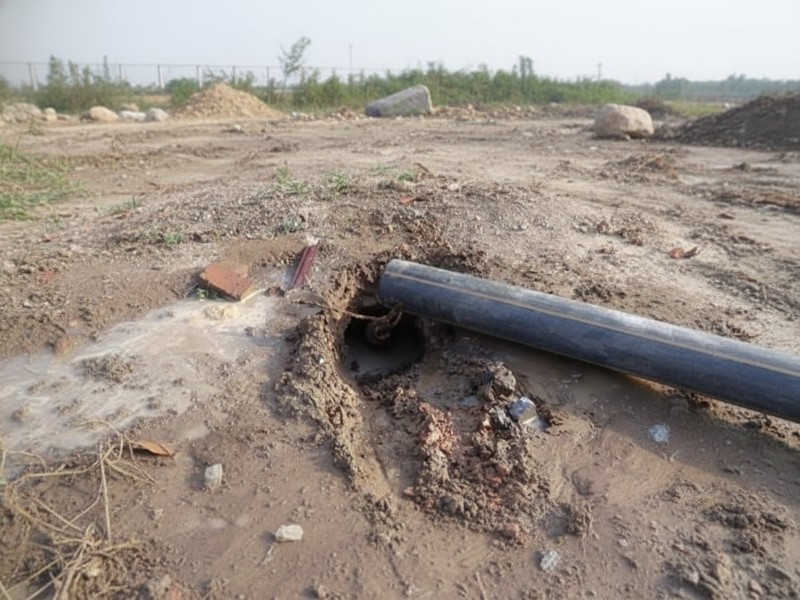
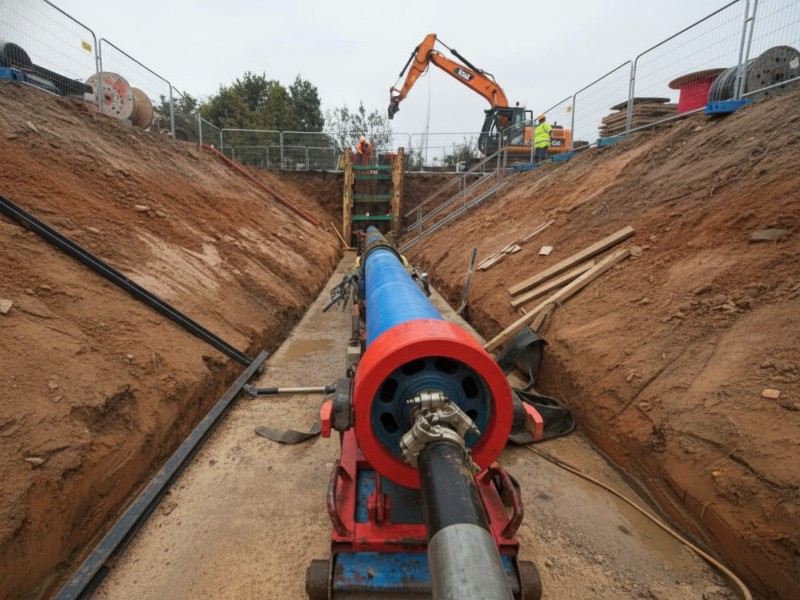
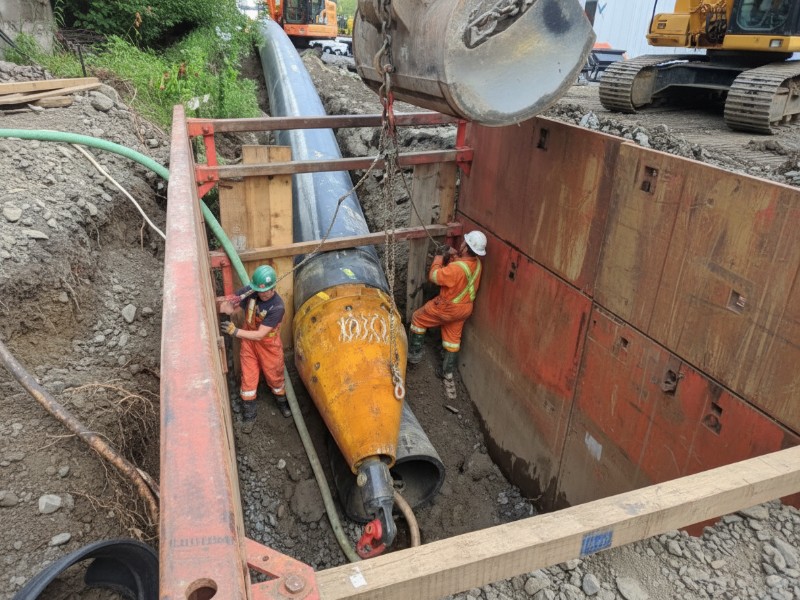
JSW’s pipe bursting service fractures an existing pipe from the inside using an expanding bursting head while simultaneously pulling a new HDPE or steel pipe of equal or larger diameter into the void. The old pipe fragments are displaced radially outward into the surrounding soil, eliminating the need to remove debris to the surface. For oil and gas operators, JSW replaces corroded or undersized lines without shutting down surface operations or excavating the existing alignment.
| Technical Parameter | JSW’s Capability | Oil & Gas Application |
|---|---|---|
| Existing Pipe Diameter | 100 mm to 600 mm | 4-inch to 24-inch cast iron, clay, concrete, steel |
| New Pipe Diameter | Same or up to 2 sizes larger | 4-inch to 12-inch upsizing capacity |
| Bursting Length | 100 meters to 500 meters | Intermediate pull holes for longer runs |
| New Pipe Materials | HDPE (preferred), steel | HDPE for corrosion resistance, steel for pressure |
| Ground Conditions | Compressible soils only | Avoid rock, dense clay, or cobble |
JSW Project Application: Pipe Bursting for Oil Gathering Line Upsizing
JSW completed a pipe bursting project for a 6-inch corroded oil gathering line that required upsizing to 8-inch HDPE. The line length was 400 meters through compressible clay soil. JSW’s pneumatic bursting head expanded the existing pipe while pulling the new HDPE liner. The installation was completed in 3 days. The client avoided a 12-week open-cut excavation that would have required crop removal and surface restoration across active agricultural land.
When JSW Recommends Pipe Bursting
JSW recommends pipe bursting for the following oil and gas scenarios:
Replacement of deteriorated cast iron, clay, concrete, or steel pipelines
Upsizing existing lines by one to two pipe diameters without excavation
Projects where surface access is restricted (under buildings, paved areas, sensitive environments)
Pipelines with minimal bends (bursting requires straight or gentle curve alignments)
HDPE installations where corrosion resistance is the primary requirement
Limitations JSW Communicates to Clients
Pipe bursting requires compressible soils (sand, silt, clay with low density). JSW does not recommend bursting in rock, dense clay, cobble, or previously stabilized ground. Existing pipe must be in condition that allows fracturing; severely collapsed or crushed lines may require alternative methods. Bursting lengths exceeding 500 meters require intermediate access pits. JSW performs a pre-burst CCTV inspection to assess existing pipe condition before providing a final recommendation.
Dual-Torque Automatic Welding for High Production
Our dual-torque automatic welding service uses two welding torches operating simultaneously. The leading torch performs the primary weld while the trailing torch provides additional fill or cap passes. This configuration reduces total welding time per joint by up to 40% compared to single-torch systems.
Best suited for: Large-diameter pipelines, thick-wall pipe (up to 50 mm), projects with tight delivery schedules
JSW’s Slip Lining Service for Pipeline Rehabilitation
Technical Capabilities of JSW’s Slip Lining Equipment
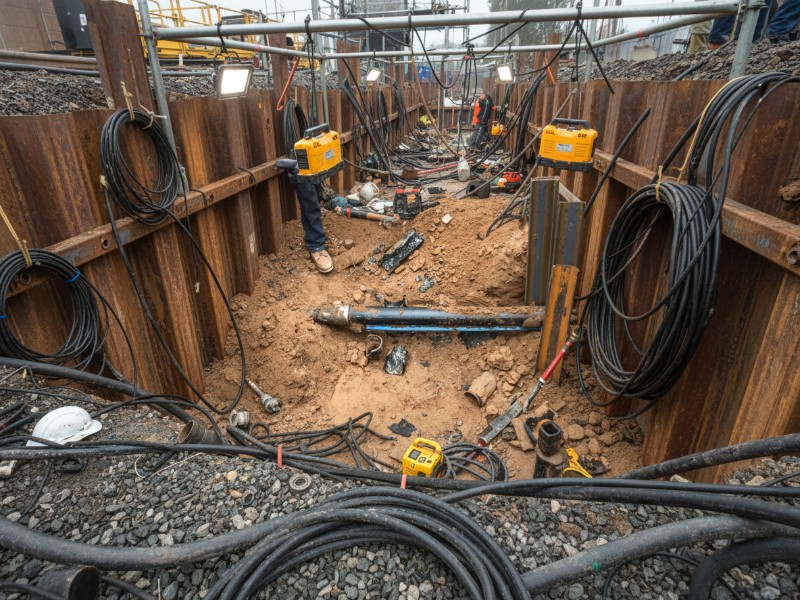
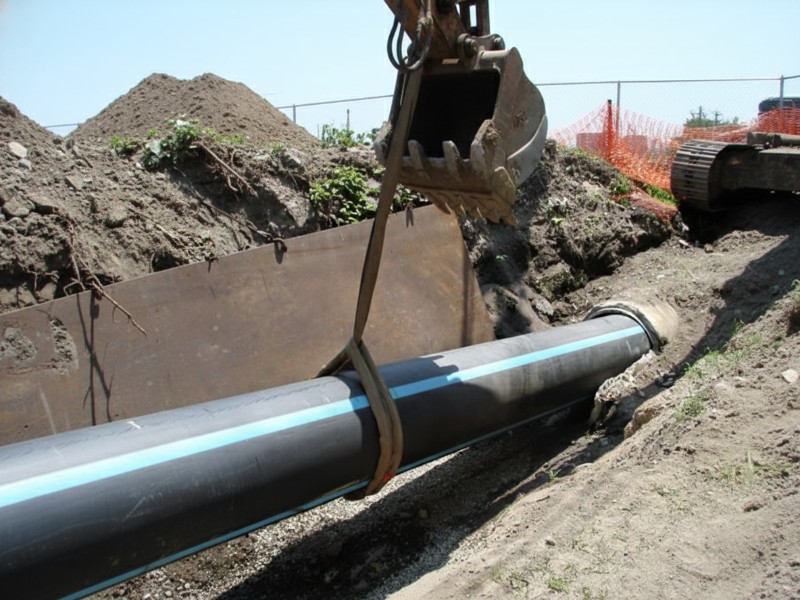
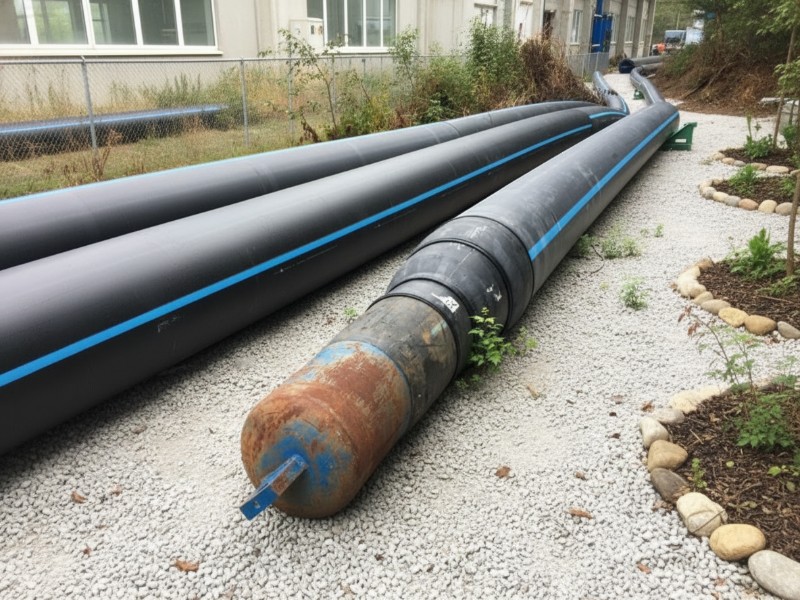
JSW’s slip lining service inserts a new HDPE or fiberglass pipe into an existing deteriorated host pipe, then grouts the annular space between the old and new pipes to create a composite structural wall. The new liner carries the internal pressure while the existing pipe provides external support and containment. For oil and gas operators, JSW extends asset life by 50+ years without removing the original pipeline from service for extended periods.
| Technical Parameter | JSW’s Capability | Oil & Gas Application |
|---|---|---|
| Host Pipe Diameter | 150 mm to 1,200 mm | 6-inch to 48-inch transmission and distribution |
| Liner Material | HDPE (standard), FRP (upon request) | HDPE for corrosion resistance |
| Liner Pressure Rating | Up to 250 psi | Natural gas and oil distribution pressures |
| Installation Length | 200 meters to 2,000 meters | Continuous pulls with fusion welding |
| Annular Grout | Cementitious or chemical | Structural bond and corrosion prevention |
JSW Project Application: Slip Lining for High-Pressure Natural Gas Main
JSW rehabilitated a 30-inch high-pressure natural gas main operating at 150 psig. The pipeline crossed beneath a concrete sluiceway with six bends, a diameter reducer, and an in-line valve that could not be removed. JSW developed custom pull-head designs to navigate the bends while maintaining annular space for grout placement. The 24-inch HDPE liner was successfully installed at 850 meters continuous length. The pipeline was restored to service in 18 days. Open-cut replacement would have required 16 weeks and excavation of the sluiceway structure.
When JSW Recommends Slip Lining
JSW recommends slip lining for the following oil and gas scenarios:
Pipelines with wall loss due to corrosion but remaining structural integrity for annular grout support
Lines requiring pressure ratings up to 250 psi
Assets where service interruption must be minimized (liner installed while host pipe remains partially in service)
Pipelines with bends, reducers, or in-line fittings that prevent complete replacement
Projects where surface access is impossible (under buildings, waterways, or protected lands)
Limitations JSW Communicates to Clients
Slip lining reduces internal diameter by 15-25% depending on annular grout thickness. For a 12-inch host pipe, a 10-inch HDPE liner reduces flow capacity approximately 30%. JSW calculates flow impact before recommending slip lining. The method requires access pits at each end of the lined section. Host pipe must be clean and free of debris or severe obstructions. JSW performs a pre-lining CCTV inspection and cleaning pass before mobilization.
Need to extend the life of an aging pipeline? JSW provides free pre-lining CCTV inspection and flow capacity analysis.
How JSW Helps Clients Select the Right Trenchless Method
JSW does not push one method over another. Our company provides method-neutral recommendations based on your specific project parameters. JSW’s engineering team evaluates the following factors before making a recommendation:
| العامل | JSW’s Evaluation Criteria |
|---|---|
| Pipe diameter | Existing or required diameter determines method feasibility |
| Installation length | Short vs. long drives favor different methods |
| Ground conditions | Soil type, rock presence, groundwater level |
| Surface access | Available workspace for shafts or pits |
| Budget | JSW provides method-specific cost comparisons |
| الجدول الزمني | Mobilization and installation timeframes |
| Existing pipe condition | For replacement or rehabilitation projects |
JSW’s Method Selection Process
Step 1: Initial Consultation – JSW reviews your project specifications including pipe diameter, length, location, and ground conditions.
Step 2: Site Assessment – JSW performs a site visit to evaluate access, surface constraints, and existing utilities.
Step 3: Method Comparison – JSW provides a written comparison of applicable methods with cost and schedule estimates for each.
Step 4: Final Recommendation – JSW recommends the optimal method based on your priorities (cost, schedule, risk tolerance).
Step 5: Fixed Price Proposal – JSW delivers a fixed-price or unit-rate proposal for the selected method.
Get a method recommendation from JSW’s engineering team. Send your project specifications for a free preliminary assessment.
Contact JSW for Your Pipeline Project
JSW is a specialized pipeline construction contractor serving oil and gas EPC firms, pipeline operators, and energy infrastructure developers across demanding project environments. Our company provides four core trenchless services: Pipe Jacking, Pipe Ramming, Pipe Bursting, and Slip Lining for new installation, replacement, and rehabilitation applications.
JSW’s core capabilities:
Equipment ownership – JSW owns and maintains all jacking frames, bursting heads, ramming hammers, and support equipment
In-house engineering – Pre-bid feasibility studies, ground condition assessments, and method selection analysis
Material supply – Direct HDPE pipe sourcing from certified factories for slip lining and bursting projects
Single point of responsibility – From permitting support through final restoration
Safety record – Zero lost-time incidents across trenchless construction operations
JSW serves the following project types:
New pipeline construction (pipe jacking, pipe ramming)
Pipeline capacity expansion (pipe bursting)
Pipeline rehabilitation (slip lining)
Pipeline modification and maintenance (coordination with hot tapping and pipeline stopple specialists)
Pipeline restoration after installation
Appendix: JSW Trenchless Services Technical Specifications Summary
| الطريقة | Diameter Range | Max Length | Ground Suitability | Accuracy | Typical Project Duration |
|---|---|---|---|---|---|
| Pipe Jacking | 8-48 inches | 2,600 ft | جميع الأنواع | ±0.6 inches | 2-6 weeks |
| Pipe Ramming | 8-60 inches | 160 ft | Granular only | ±8 inches | 1-3 days |
| تكسير الأنابيب | 4-24 inches | 1,600 ft | Compressible only | Follows existing | 3-10 days |
| التبطين بالانزلاق | 6-48 inches | 6,500 ft | Inside host pipe | غير متاح | 2-4 weeks |
Contact JSW for Your Pipeline Project
Send your project specifications for a free preliminary method assessment and budgetary cost estimate. JSW responds within 24 hours.
الأسئلة الشائعة
What is the difference between JSW’s pipe jacking and pipe ramming services?
Pipe jacking uses hydraulic force for precision pushing over long distances (100-800 meters) with accuracy of ±15 mm. Pipe ramming uses impact force for rapid casing installation over short distances (10-50 meters) with lower accuracy. JSW recommends pipe jacking for large diameter, long-distance crossings under sensitive infrastructure. JSW recommends pipe ramming for short road crossings where speed is the priority.
Can JSW use trenchless methods for high-pressure natural gas pipelines?
Yes. JSW’s slip lining service with HDPE pipe is rated for pressures up to 250 psi for natural gas distribution. For transmission pipelines operating at higher pressures (500-1,000+ psi), JSW uses steel pipe installed by pipe jacking. JSW has completed high-pressure gas pipeline installations using both methods.
How deep can JSW install pipelines using trenchless methods?
JSW’s pipe jacking service can install pipelines at depths exceeding 30 meters below surface, limited only by shaft construction practicality. Pipe ramming typically operates at 2-10 meters depth. Pipe bursting follows the existing pipe depth, which can be 1-15 meters. Slip lining operates inside the existing host pipe at its original depth.
What is the expected service life of JSW’s trenchless installations?
| الطريقة | Expected Service Life | وضع الفشل |
|---|---|---|
| Pipe Jacking (steel with FBE coating) | 50-100 years | External corrosion if coating damaged |
| Pipe Ramming (steel casing) | 50+ years | Casing remains protective indefinitely |
| Pipe Bursting (HDPE) | 50-100 years | No corrosion, mechanical damage only |
| Slip Lining (HDPE with grout) | 50-100 years | No corrosion, limited by grout integrity |
Does JSW provide trenchless services outside of oil and gas?
JSW’s primary focus is oil and gas pipeline construction, but our company also serves water, wastewater, and industrial pipeline clients. Contact JSW with your project specifications for a capability assessment.
How does JSW handle pipeline modifications during trenchless installation?
For projects requiring pipeline modification, hot tapping, or pipeline stopple isolation during trenchless work, JSW coordinates with qualified partners or can recommend specialized contractors. JSW’s project management team ensures all modification work integrates with the trenchless scope without schedule conflicts.
What information does JSW need to provide a preliminary cost estimate?
JSW requires the following minimum information for a preliminary estimate:
Pipe diameter (existing or required)
Installation length
Location (city, state/province)
Ground conditions (if known)
Existing pipe material (for replacement or rehabilitation)
Preferred method (if any)
Does JSW provide material supply as part of trenchless services?
Yes. JSW functions as both contractor and material supplier for slip lining and pipe bursting projects. JSW sources HDPE pipe directly from certified factories, eliminating markup from intermediate material suppliers. For pipe jacking, JSW can supply steel pipe or work with client-provided material.
اطلب استشارة مجانية بشأن خدمة خطوط الأنابيب
تعرف على المزيد من
هل تواجه تحدي خط أنابيب؟ احصل على حل مخصص من خبرائنا. اذكر التفاصيل أدناه، وسنتصل بك في غضون 24 ساعة لمناقشة متطلبات مشروعك وجدوله الزمني وميزانيته.
شركة بكين جينشيوان هي شركة رائدة في مجال توفير تكنولوجيا وخدمات خطوط الأنابيب المتكاملة، حيث تجمع بين تصنيع المعدات المتطورة والخبرة الهندسية الاحترافية. نحن نقدم حلول خطوط أنابيب آمنة وموثوقة ومبتكرة ومبتكرة طوال دورة الحياة لصناعات النفط والغاز والكيماويات والمرافق العامة العالمية.
إنشاء خطوط الأنابيب وتركيبها
- إنشاء خط أنابيب عبر البلاد
- تركيب خط الأنابيب وتشغيله
- تركيب أنظمة خطوط أنابيب المصنع
- نقل خط الأنابيب وتعديله
صيانة خطوط الأنابيب وإصلاحها
- خدمات التنصت على الساخن والتنصت بالضغط
- خدمات توصيل خطوط الأنابيب وعزلها
- إصلاح خطوط الأنابيب في حالات الطوارئ
- إعادة تأهيل خطوط الأنابيب وتبطينها
- إصلاح الغلاف المركب (تركيب الغلاف B)
- الحماية من التآكل والإصلاح
الخدمات الفنية المتخصصة
- إدارة سلامة خط الأنابيب
- خدمات دعم التفتيش الداخلي
- تعديلات الخطوط المباشرة غير المعطلة
- اختبار ضغط خط الأنابيب
- تنظيف خطوط الأنابيب وتجفيفها
المعدات والتصنيع
- تصنيع ماكينات التنصت على الساخن
- إنتاج معدات توصيل خطوط الأنابيب
- تصنيع تجهيزات خطوط الأنابيب حسب الطلب
- تصنيع الصمامات الخاصة
مزايا خدماتنا الدولية:
- القدرة على الاستجابة للطوارئ على مدار 24/7
- معايير متوافقة مع API وASME
- إدارة المشاريع متعددة اللغات
- الشحن العالمي والدعم اللوجستي
- الإشراف الفني في الموقع في جميع أنحاء العالم
 English
  Arabic
  Russian
  Spanish
  French
  Vietnamese
  Polish
  Thai
Thai  Indonesian
  Turkish
  Portuguese