jasonsong889@gmail.com

ماكينات التنصت الساخن الاحترافية لخدمات إنشاء خطوط الأنابيب وإصلاحها.

من هم أبرز المصنعين العالميين لمعدات الحفر الساخن وسد الأنابيب؟

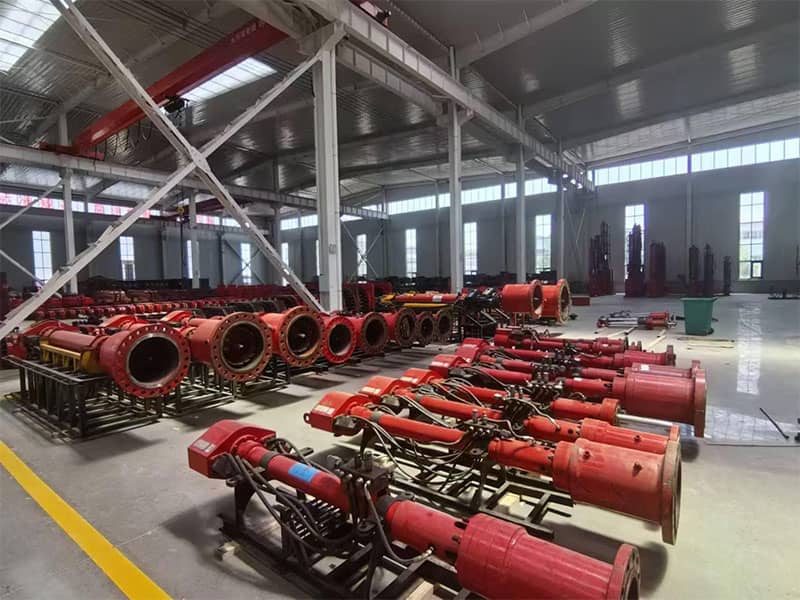
The leading global manufacturers of hot tapping and plugging equipment include established multinational solution providers like TD Williamson, STATS Group, and Enerpac, specialized engineering firms such as Schallert Enterprises and Petersen Products, and a growing number of capable regional manufacturers. This article provides a comprehensive analysis of these key players, explaining the critical technology they provide, comparing

من هم أبرز المصنعين العالميين لمعدات الحفر الساخن وسد الأنابيب؟ اقرأ المزيد »
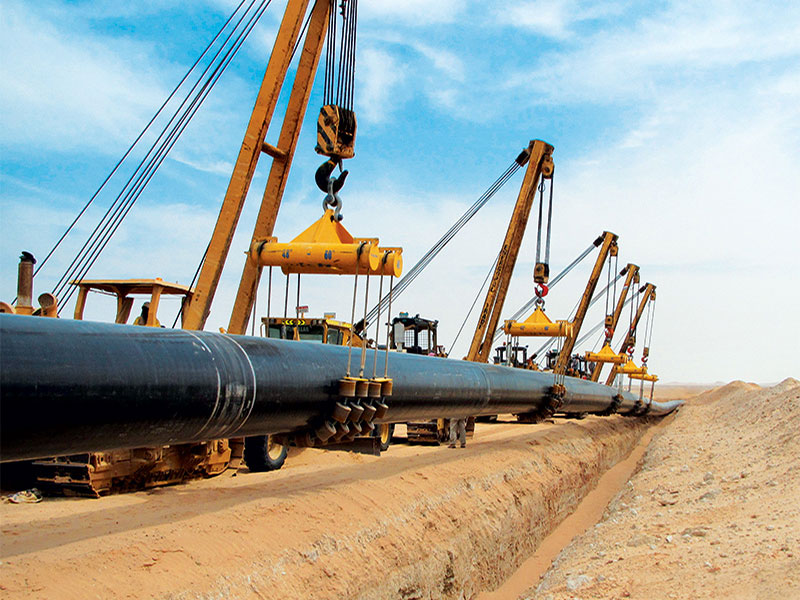
A construction crew using sideboom tractors to lift a 12-inch natural gas pipeline into a desert trench, featuring cost estimation labels for steel, labor, and total price per milefoot.

ما هو السعر الحالي لكل ميل/قدم لتركيب خط أنابيب غاز طبيعي بقطر 12 بوصة؟

Installing a 12-inch natural gas pipeline typically costs between $800,000 and $2.5 million per mile, translating to approximately $150 to $475 per linear foot. However, quoting a single, universal price is impossible and misleading. The final 12-inch natural gas pipeline installation cost is a dynamic equation, heavily influenced by a complex interplay of terrain, material choices, regulatory hurdles,

ما هو السعر الحالي لكل ميل/قدم لتركيب خط أنابيب غاز طبيعي بقطر 12 بوصة؟ اقرأ المزيد »

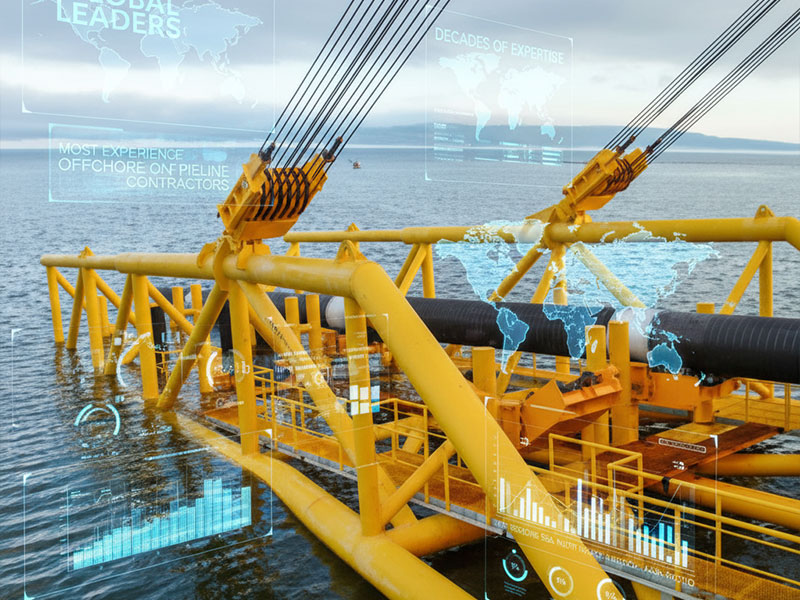
An industrial offshore pipeline installation scene featuring a large yellow support structure and digital data overlays highlighting global subsea engineering expertise and performance metrics.

ما هي البلدان أو المناطق التي تضم أكثر مقاولي خطوط الأنابيب البحرية خبرةً؟

The world’s most experienced offshore pipeline contractors are concentrated in countries with extensive maritime oil and gas operations, namely the United States, key European nations (Italy, France, the UK), South Korea, and China. This industry expertise stems from decades of involvement in complex offshore projects, driving the development of specialized skills in pipeline construction, deep-water engineering, and

ما هي البلدان أو المناطق التي تضم أكثر مقاولي خطوط الأنابيب البحرية خبرةً؟ اقرأ المزيد »

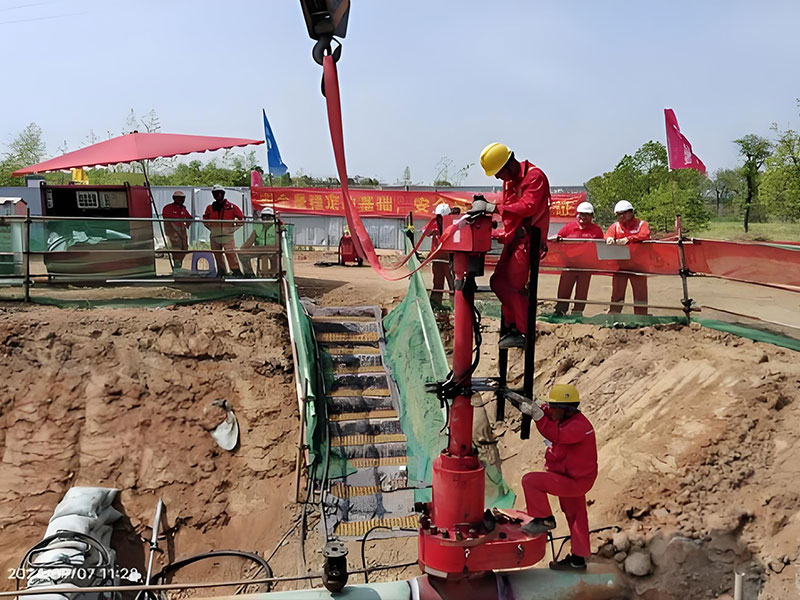
Workers operating equipment during Pipeline Encroachment Remediation for Wuxin pipeline in Xianggan

How to Evaluate and Select a Competent Pipeline Engineering Firm: A Comprehensive Guide

Selecting a competent pipeline engineering firm requires a structured evaluation of their technical capabilities, proven experience, financial health, and commitment to safety. This process involves scrutinizing formal credentials like industry-specific certifications and project portfolios, assessing technical expertise in critical areas like trenchless rehabilitation and hot tapping, and verifying their operational and safety track records. A thorough

How to Evaluate and Select a Competent Pipeline Engineering Firm: A Comprehensive Guide اقرأ المزيد »

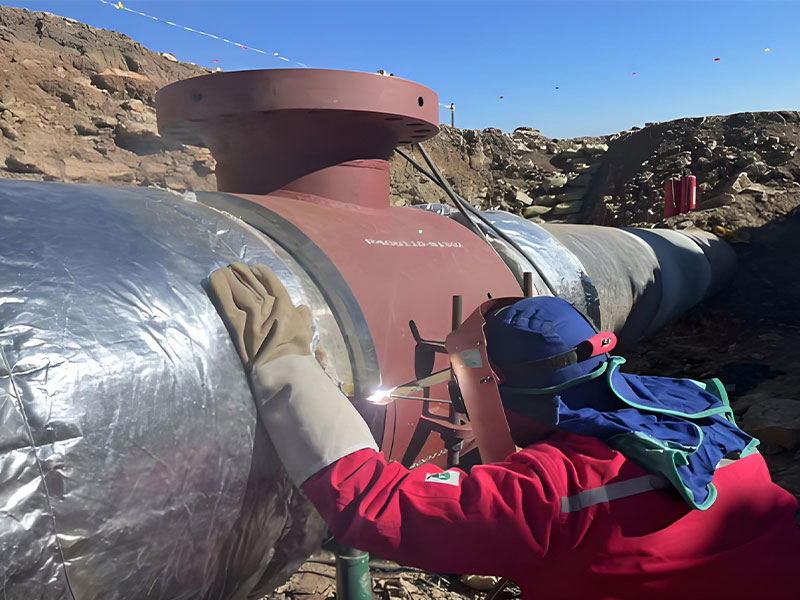
خط أنابيب غاز الميثان بطبقة الفحم بعد إصلاح خط أنابيب الخط المباشر دون إغلاقه: وصلات محكمة الغلق بعد التنصت الساخن والتوقف.

What Are the Main Cost Differences Between Trenching and Trenchless Construction Methods?

The main cost differences between trenching and trenchless construction methods center on their allocation of expenses: trenching incurs lower upfront direct costs but much higher indirect and social costs, while trenchless methods have a higher initial direct cost but significantly lower overall project costs by minimizing restoration, traffic disruption, and business downtime. On average, trenchless solutions

What Are the Main Cost Differences Between Trenching and Trenchless Construction Methods? اقرأ المزيد »

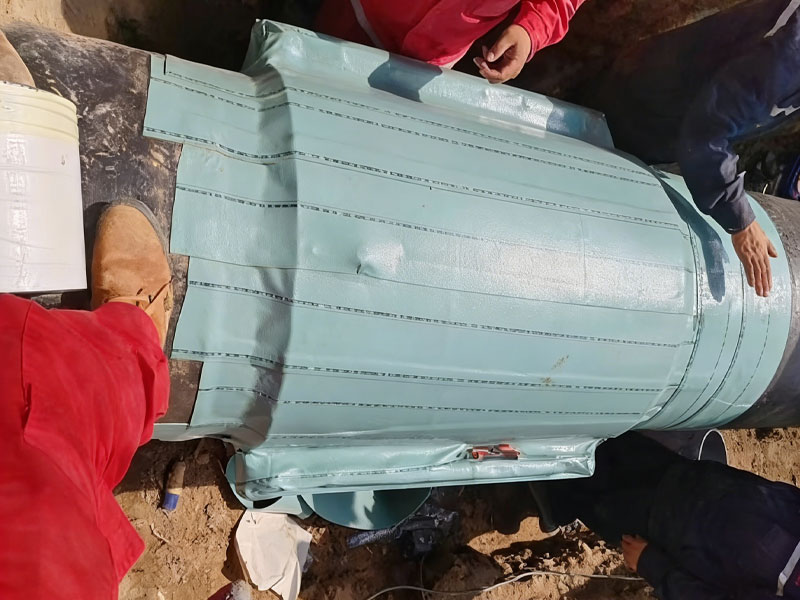
Workers apply a protective repair sleeve to an excavated pipeline in a trench, addressing damage from pipeline deterioration to restore functionality.

What are the main causes of pipeline deterioration that necessitate rehabilitation?

The Main Causes of Pipeline Deterioration That Necessitate Rehabilitation Pipeline deterioration is primarily caused by aging infrastructure, material corrosion, environmental stresses, operational factors, and third-party damage, all of which necessitate timely rehabilitation to prevent failures. This article systematically examines these causes, explaining the underlying mechanisms, providing real-world examples, and citing relevant data. Beyond diagnosis, we will

What are the main causes of pipeline deterioration that necessitate rehabilitation? اقرأ المزيد »

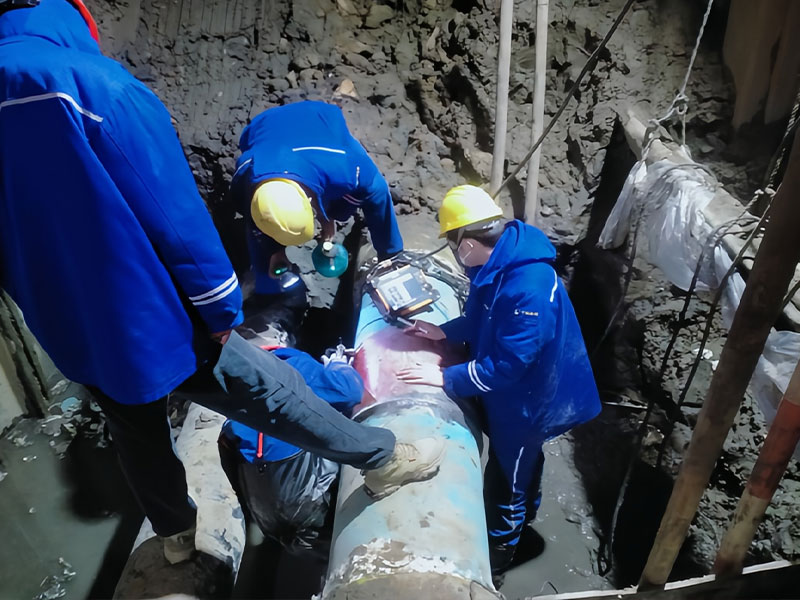
A team of workers in blue safety gear and yellow hard hats performs on-site pipeline repair in an excavated trench, using equipment to address pipeline damage.

Trenchless Pipeline Rehabilitation: A Complete Guide to Methods and Applications

Trenchless pipeline rehabilitation is a suite of advanced engineering methods that repair, renew, or replace underground pipelines with minimal surface excavation, primarily by accessing and working from within the pipeline itself. This approach addresses critical issues like corrosion, leaks, and structural degradation by installing new liners, coatings, or pipes inside the old conduit. Unlike traditional

Trenchless Pipeline Rehabilitation: A Complete Guide to Methods and Applications اقرأ المزيد »

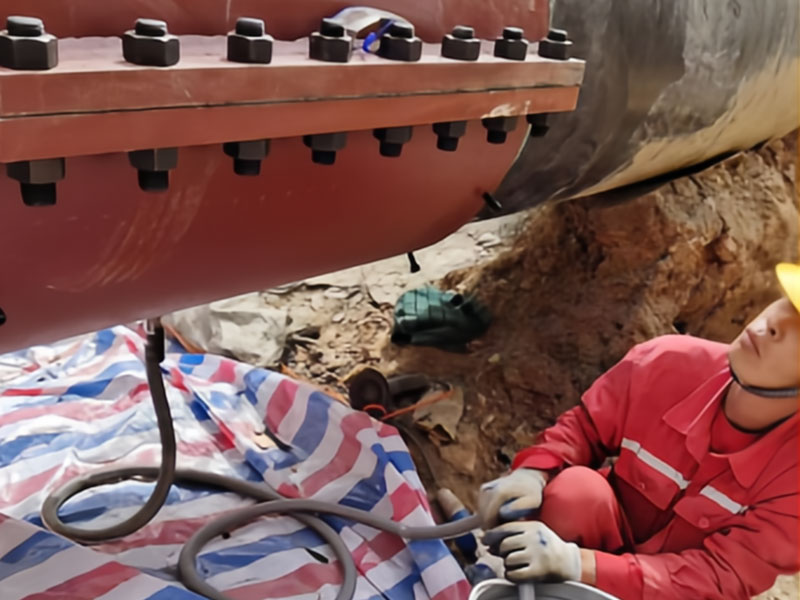
A worker in a red safety uniform performs pipeline rehabilitation on an underground pipeline, using a bolted repair clamp to restore structural integrity.

ما المقصود بإصلاح خطوط الأنابيب، ولماذا يعتبر أمرًا بالغ الأهمية للبنية التحتية؟

Pipeline rehabilitation refers to the comprehensive suite of engineering methods and technologies used to repair, renew, or upgrade existing pipeline systems without complete replacement, encompassing everything from internal lining and spot repairs to structural rebuilding. This process is fundamentally critical for infrastructure as it ensures the safety, reliability, and efficiency of vital water, wastewater, oil, gas, and industrial

ما المقصود بإصلاح خطوط الأنابيب، ولماذا يعتبر أمرًا بالغ الأهمية للبنية التحتية؟ اقرأ المزيد »

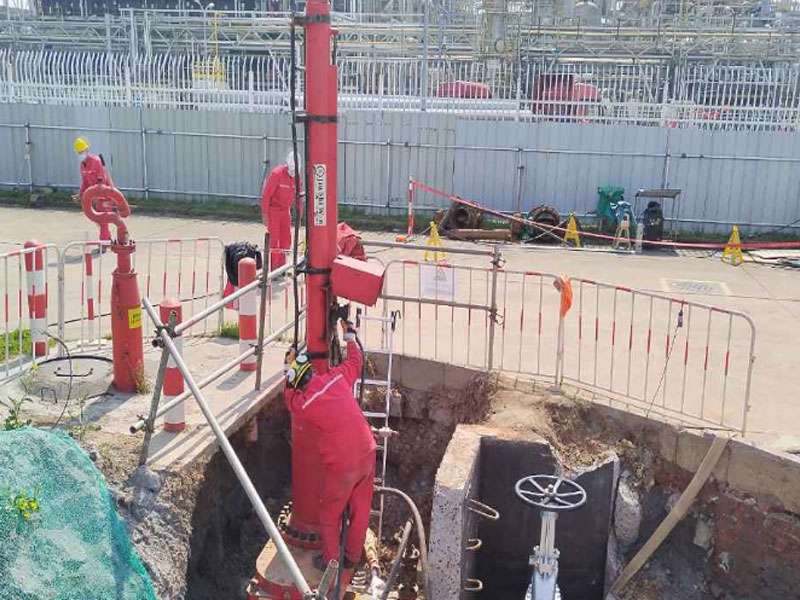
إعداد معدات الحفر الساخن لتعديل خط الأنابيب في المصفاة

ما هو «التوصيل الساخن» في خطوط الأنابيب: الدليل الفني والسلامة الشامل

Hot tapping in pipeline, also known as pressure tapping or live tapping, is a specialized engineering procedure that allows for a safe connection to be made to a pressurized, operating pipeline system without the need for a shutdown or service interruption. This technique is critical for maintenance, repair, modification, and expansion across industries where stopping the

ما هو «التوصيل الساخن» في خطوط الأنابيب: الدليل الفني والسلامة الشامل اقرأ المزيد »

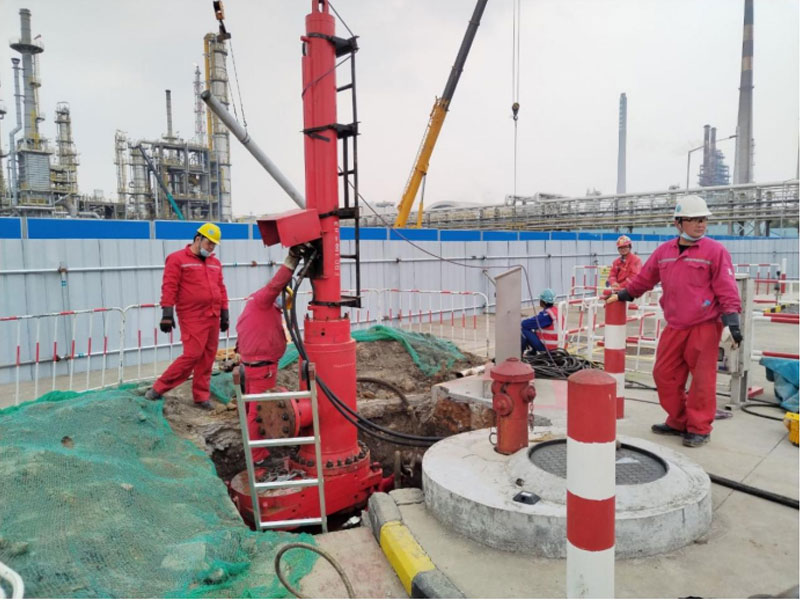
Workers in red safety gear perform a hot tapping procedure on an underground pipeline at a petrochemical plant; industrial process equipment and structural frameworks are visible in the background, with safety barriers and excavation site secured.

كيفية إجراء عملية «الربط الساخن» لخط أنابيب: دليل تفصيلي للسلامة والإجراءات

Hot tapping a pipeline is a precise engineering procedure that involves creating a connection to a live, pressurized pipe without interrupting its service. This complex task requires specialized equipment, strict adherence to safety protocols, and skilled execution to allow for modifications, repairs, or branch additions while the system remains operational. The following guide details the critical

كيفية إجراء عملية «الربط الساخن» لخط أنابيب: دليل تفصيلي للسلامة والإجراءات اقرأ المزيد »