jasonsong889@gmail.com

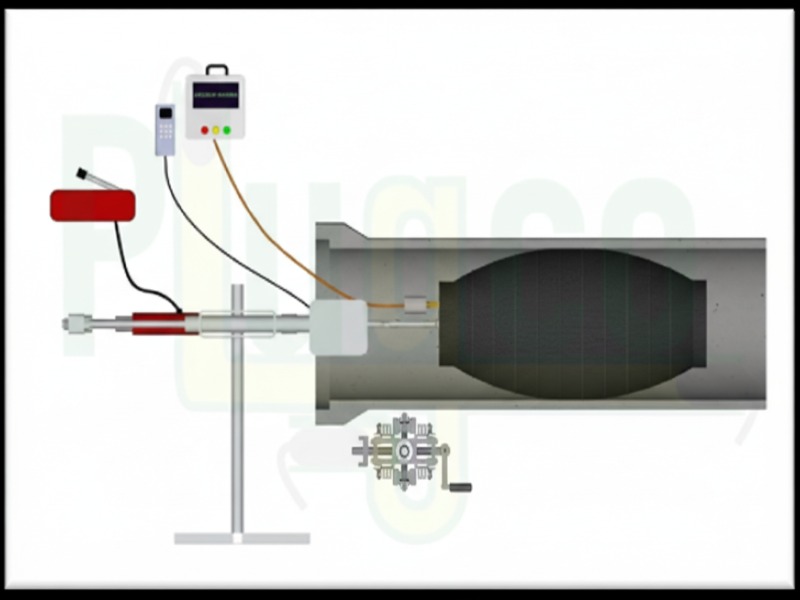
A technical diagram of an inflatable pipe packer system used for industrial pipe repair and pressure testing, showing the control unit, manual pump, and the packer inside a concrete pipe.

Inflatable pipeline plug vs. mechanical plug: Which one is more cost-effective for a temporary line stop?

For a temporary line stop, an inflatable pipeline plug is generally more cost-effective than a mechanical plug for the majority of applications involving low-to-medium pressures, large diameters, or irregular pipe interiors, due to lower equipment costs, faster installation, and reduced labor requirements. However, for long-term, high-pressure isolations in pristine pipe, a mechanical plug may offer
Inflatable pipeline plug vs. mechanical plug: Which one is more cost-effective for a temporary line stop? Lire plus »

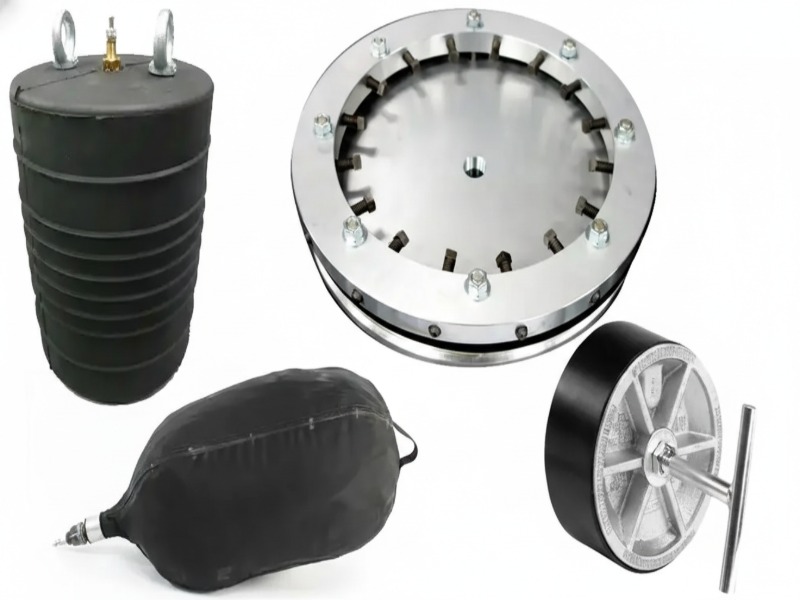
A collection of various industrial pipe plugs, including ribbed inflatable rubber plugs, a large circular metal mechanical plug, and a mechanical pipe blocker with a T-handle for plumbing and pipeline testing.

What are the main differences between an inflatable pipe plug and a conventional mechanical plug?

The primary difference lies in their sealing mechanism: an inflatable pipe plug uses air or water pressure to expand a flexible bladder against the pipe’s inner wall, while a conventional mechanical plug relies on a rigid, physically expanded mechanism (often tightened by hand or with tools) to create a seal. This fundamental distinction dictates their

What are the main differences between an inflatable pipe plug and a conventional mechanical plug? Lire plus »

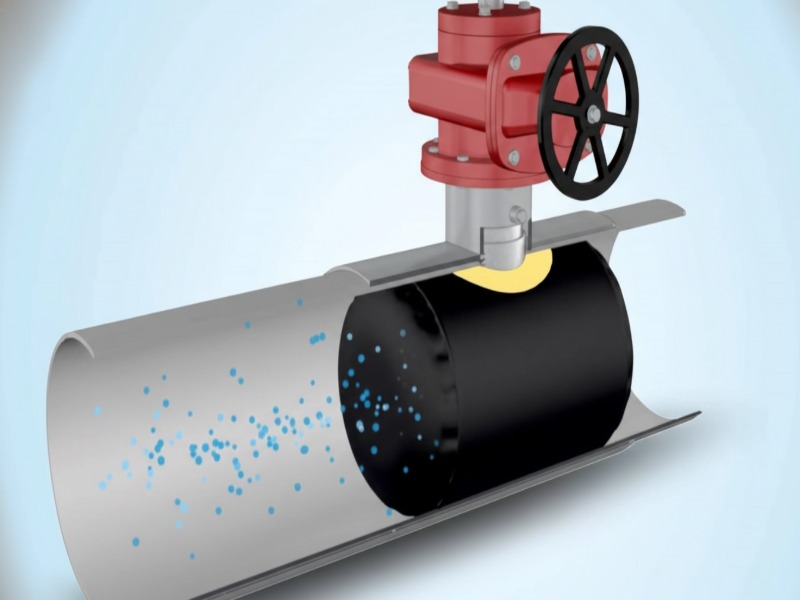
A 3D cutaway illustration of an industrial pipeline showing an inflatable black plug isolating a section of the pipe beneath a red manual valve to block the flow of blue fluid particles.

What is an inflatable pipeline plug and how does it work for line isolation?

An inflatable pipeline plug is a flexible, cylindrical sealing device inserted into a pipeline and expanded with a medium (air, water, or nitrogen) to create a temporary, leak-tight barrier for line isolation during maintenance, modification, or testing. This article explains the mechanics of these plugs, details the step-by-step process of using them for isolation, compares

What is an inflatable pipeline plug and how does it work for line isolation? Lire plus »

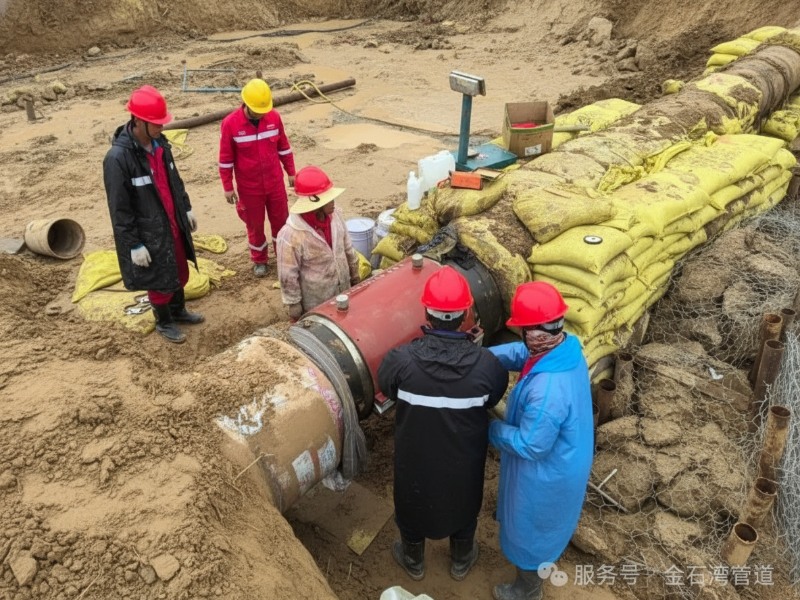
Une équipe de techniciens professionnels en tenue de sécurité effectuant une procédure de taraudage à chaud sur un pipeline industriel de grand diamètre sur un chantier de construction.

Analyse coûts-avantages : marques internationales vs services locaux de perçage à chaud

For pipeline operators seeking to expand, connect to, or modify a pressurized system without a costly shutdown, a cost-benefit analysis of international brands versus local hot tapping services is the critical first step. The optimal choice depends on weighing project-specific factors like scale, compliance risk, and operational timelines against long-term strategic goals such as reliability and total

Analyse coûts-avantages : marques internationales vs services locaux de perçage à chaud Lire plus »

A team of professional industrial technicians in red safety gear and yellow hard hats performing a hot tapping procedure on a pressurized red pipeline at an industrial site.

Comment évaluer les qualifications professionnelles d'un prestataire de services de hot tapping ?

Evaluating a hot tapping service provider requires a meticulous assessment of their technical certifications, safety culture, equipment standards, and operational experience to ensure they can safely modify live pipelines. This process is critical because hot tapping involves drilling into pressurized systems carrying oil, gas, water, or chemicals, where errors can lead to catastrophic failures. This guide

Comment évaluer les qualifications professionnelles d'un prestataire de services de hot tapping ? Lire plus »

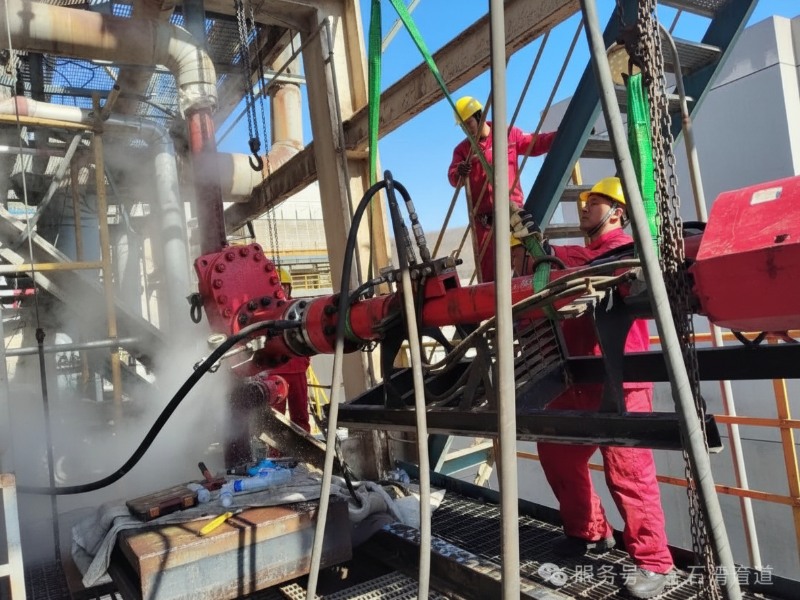
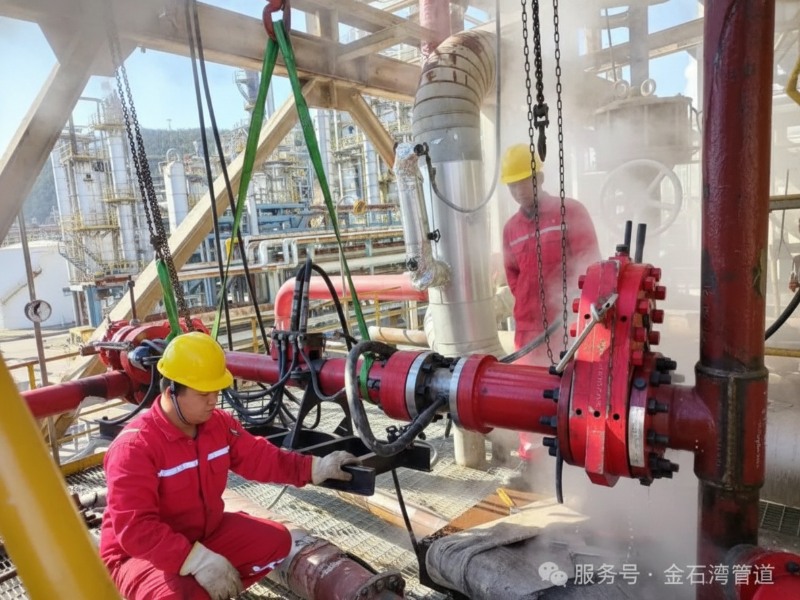
Deux techniciens en uniformes rouges et casques de sécurité jaunes utilisant un équipement de prise à chaud à haute pression sur un pipeline rouge dans une installation industrielle avec de la vapeur visible.

Comparaison de la fiabilité et de la précision des appareils de taraudage à chaud de différentes marques.

The reliability and precision of hot tapping equipment vary significantly across brands, primarily determined by their engineering philosophy, material quality, and control systems; top-tier brands differentiate themselves through rigorous pressure testing (often exceeding ANSI/ASME B31 standards by 50%), micrometer-level cutter guidance, and robust after-sales support, whereas cost-driven brands may compromise on component longevity and operational

Comparaison de la fiabilité et de la précision des appareils de taraudage à chaud de différentes marques. Lire plus »

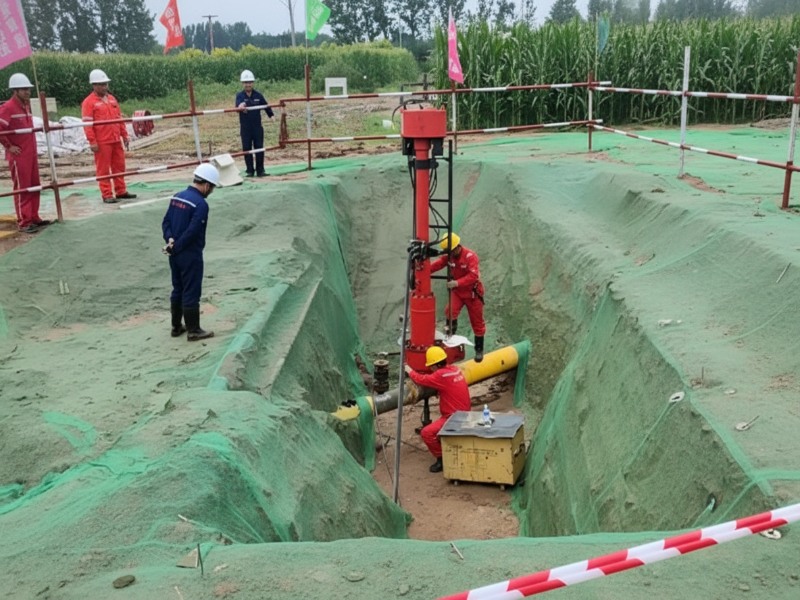
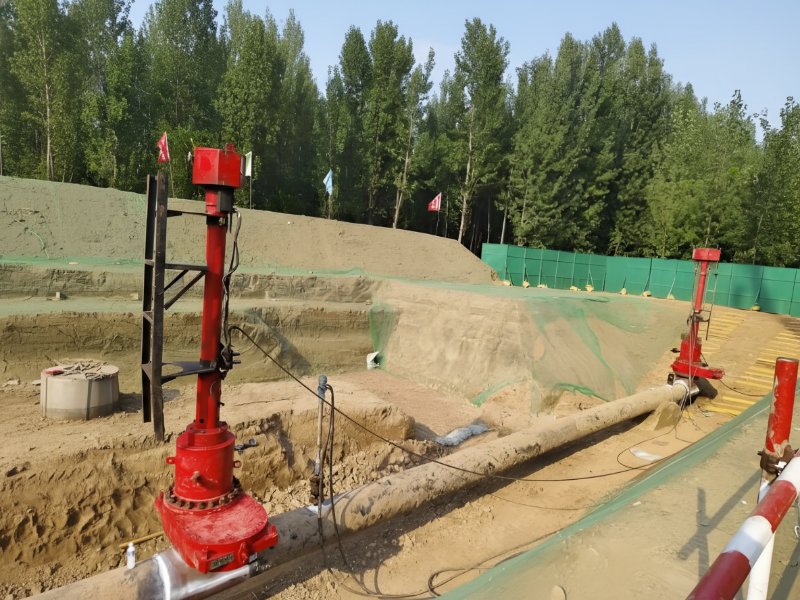
Specialized personnel operating a red hot tapping machine on a live pressurized pipeline within a stabilized trench for modification without system shutdown.

Prestataires de services de piquage à chaud par rapport aux entreprises traditionnelles de modification des pipelines : Avantages et inconvénients.

Hot tapping service providers enable pipeline modifications on live, pressurized systems without shutdowns, offering superior operational continuity and cost savings compared to traditional modification companies that require full system depressurization and excavation. This definitive guide analyzes the pros and cons of both approaches, covering their technical principles, economic impacts, safety protocols, and ideal applications for

Prestataires de services de piquage à chaud par rapport aux entreprises traditionnelles de modification des pipelines : Avantages et inconvénients. Lire plus »

Industrial hot tapping machines performing a live pipeline modification at an outdoor excavation site to maintain pressurized service without shutdown.

Quelle est la différence fondamentale entre le taraudage à chaud et le taraudage à l'arrêt traditionnel ?

The fundamental difference between hot tapping and traditional shutdown tapping is that hot tapping allows pipeline connections and modifications to be made while the system remains in live, pressurized service, whereas traditional shutdown tapping requires the complete cessation of operations, depressurization, and often drainage of the entire pipeline section-. This operational distinction drives profound differences in cost,

Quelle est la différence fondamentale entre le taraudage à chaud et le taraudage à l'arrêt traditionnel ? Lire plus »

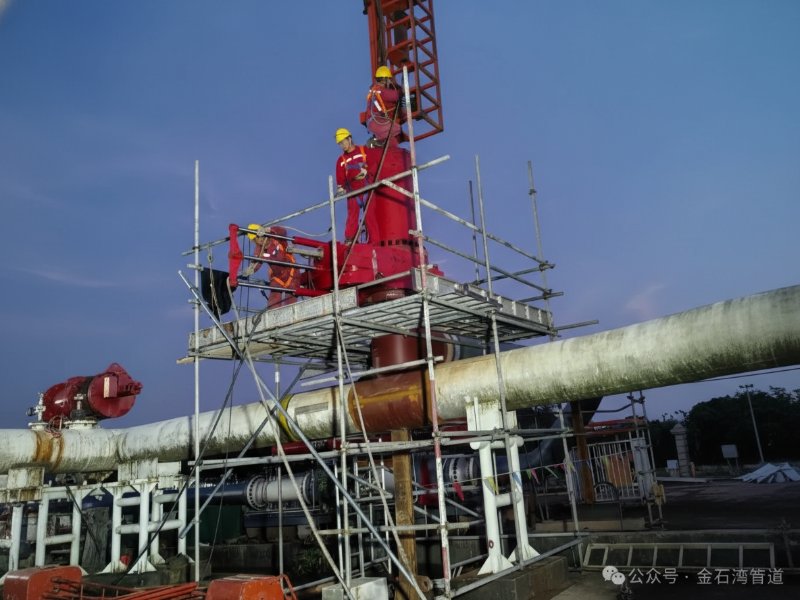
Équipe professionnelle effectuant une opération de piquage à chaud sur un grand pipeline industriel depuis un échafaudage métallique à la tombée de la nuit.

Quels sont les scénarios d'application typiques du taraudage à chaud ?

Hot tapping is a specialized procedure that allows a new connection to be safely made to a live, pressurized pipeline or system without interrupting service or requiring a costly shutdown. The process involves attaching a branch fitting and valve to the exterior of the pipe, then cutting into the pipe wall and removing a section (known

Quels sont les scénarios d'application typiques du taraudage à chaud ? Lire plus »

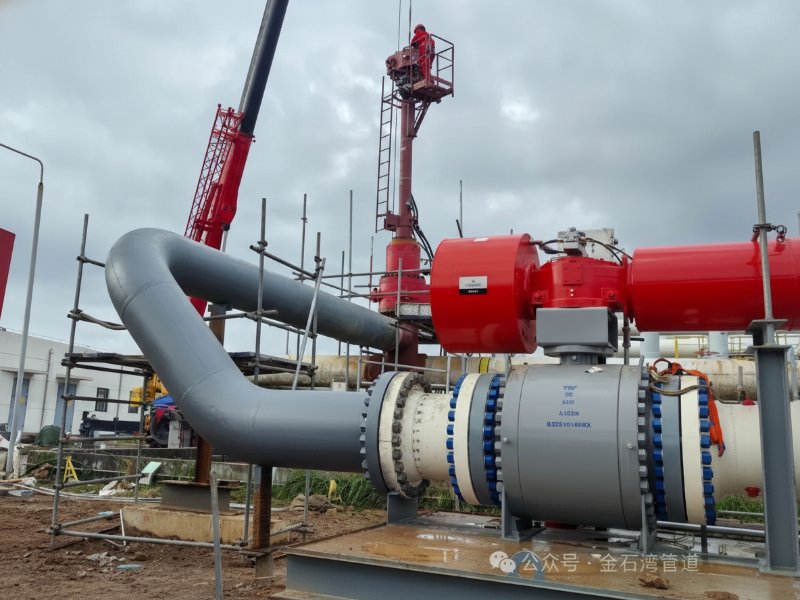
Un site professionnel de service de canalisation à chaud présentant une grande canalisation industrielle grise avec un actionneur de vanne rouge et un échafaudage pour les travaux d'entretien.

Quelles sont les principales normes techniques régissant le taraudage à chaud ?

The main technical standards governing hot tapping are ASME PCC-2, API RP 2201, and a suite of complementary ASTM and industry-specific codes, which collectively define the materials, procedures, welding, inspection, and safety requirements for making pressurized connections to live pipelines and vessels. This comprehensive guide details these critical standards, explaining their application across industries like

Quelles sont les principales normes techniques régissant le taraudage à chaud ? Lire plus »