Бестраншейные технологии

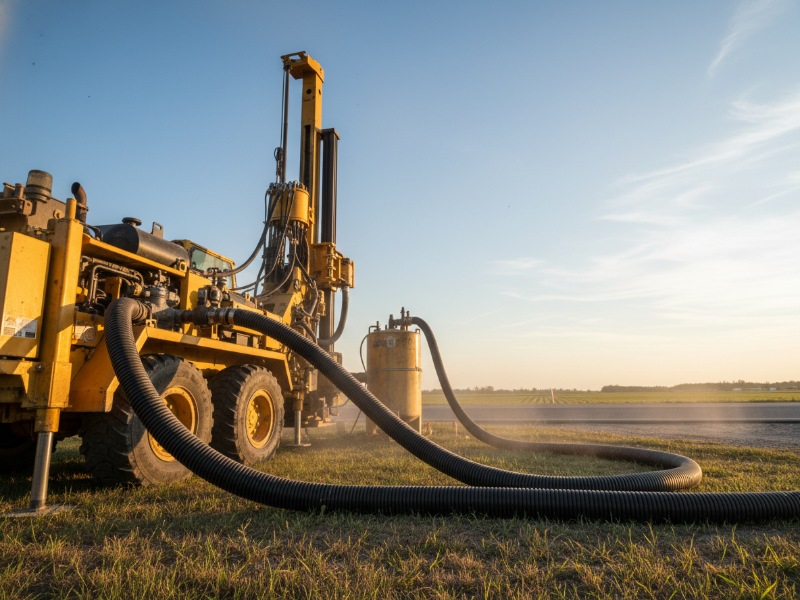
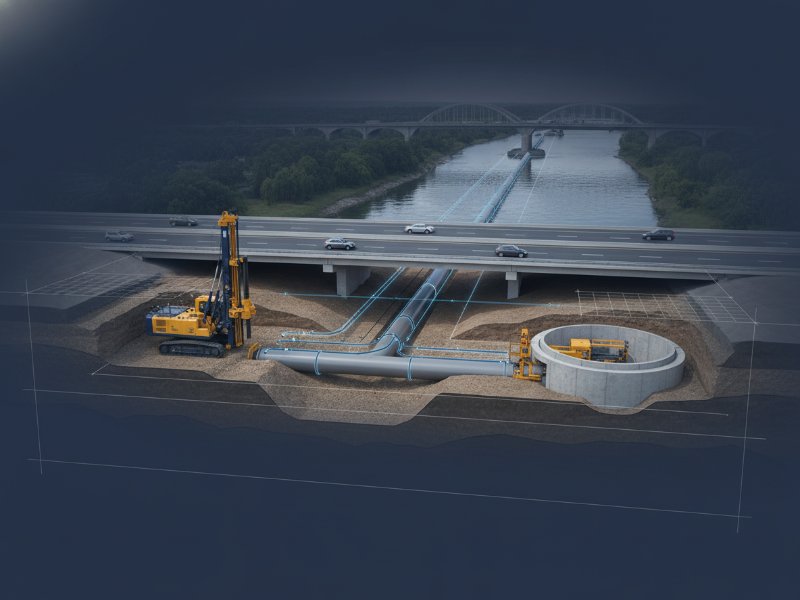
Comparison of trenchless methods for rocky soil vs sandy soil with carbide reamer and HDD slurry system

Какие методы бестраншейной прокладки лучше всего подходят для скальных и песчаных грунтов?

For rocky soil conditions, pipe reaming and bursting with carbide cutting teeth work best; for sandy soil, directional drilling with bentonite slurry stabilization and pipe jacking are the most reliable trenchless methods. Rocky ground demands aggressive cutting and impact tools, while sandy soil requires fluid management to prevent hole collapse. This guide compares these

Читать далее »
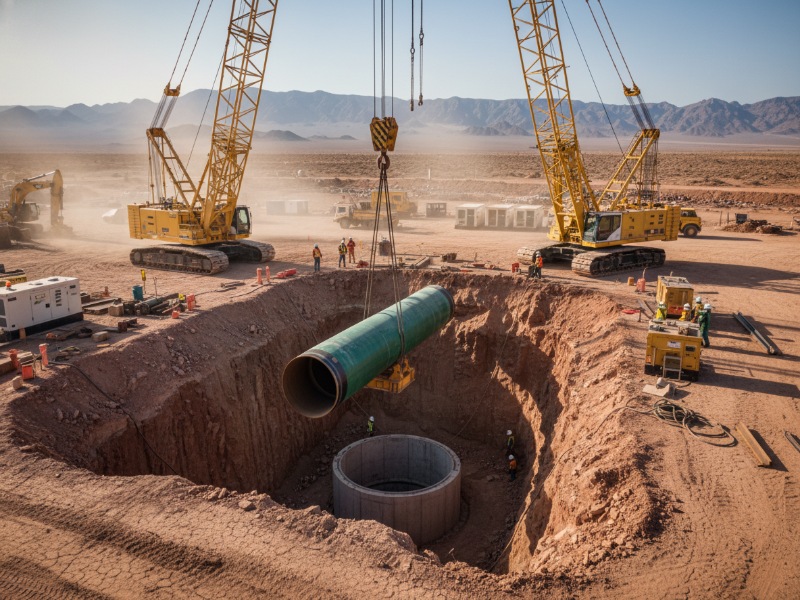
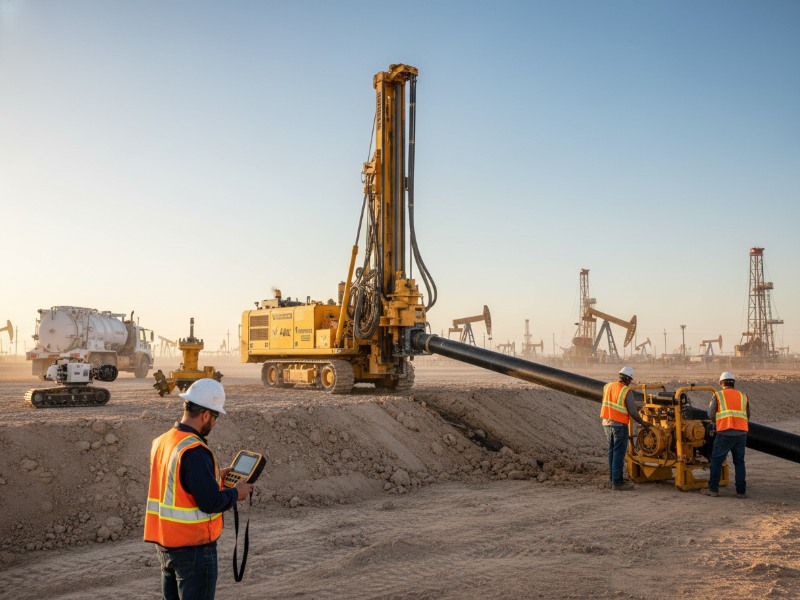
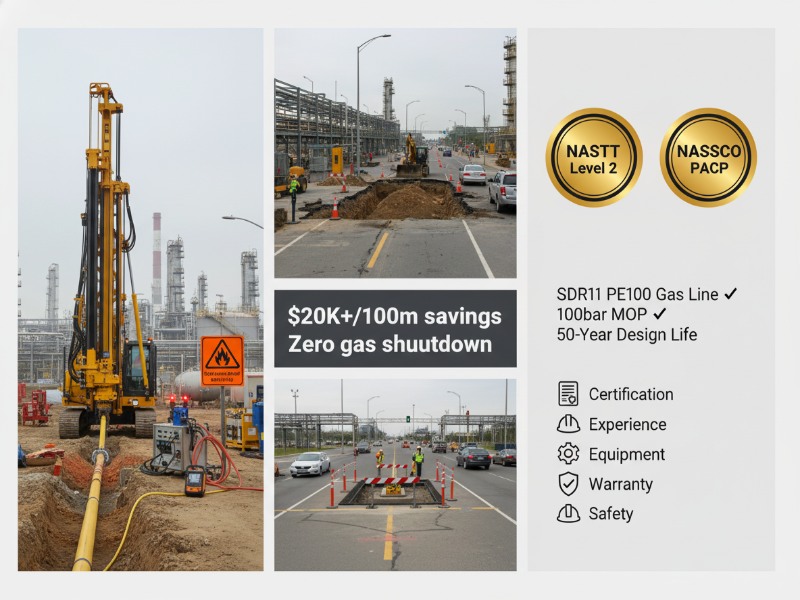
Сравнительная инфографика, демонстрирующая сравнение бестраншейных и традиционных методов строительства трубопроводов с данными об окупаемости инвестиций для инфраструктурных проектов 2026 года

Бестраншейная прокладка против традиционной: Анализ окупаемости инвестиций в инфраструктурные проекты 2026 года

For 2026 infrastructure projects, trenchless technologies deliver a 20-35% higher ROI than traditional open-cut methods when factoring in total costs, social impact, and project duration. This analysis covers cost breakdowns, timeline comparisons, environmental impact, and application scenarios for both trenchless and traditional construction methods, helping contractors, municipal planners, and asset

Читать далее »

Как оценить уровень безопасности и техническую компетентность подрядчика по бестраншейной прокладке?

To evaluate a trenchless contractor’s safety record and technical expertise, request their OSHA incident rate, verify active industry certifications (NASTT or IUOE), and audit their project portfolio for complex installations like hot tapping or pipeline modification. This guide provides a data-driven framework covering safety metrics, technical credentials, equipment standards, and

Читать далее »
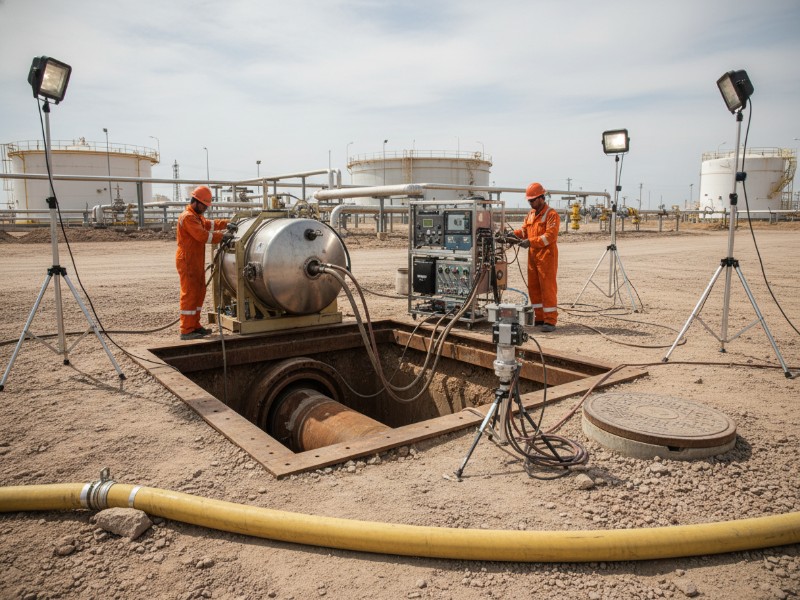
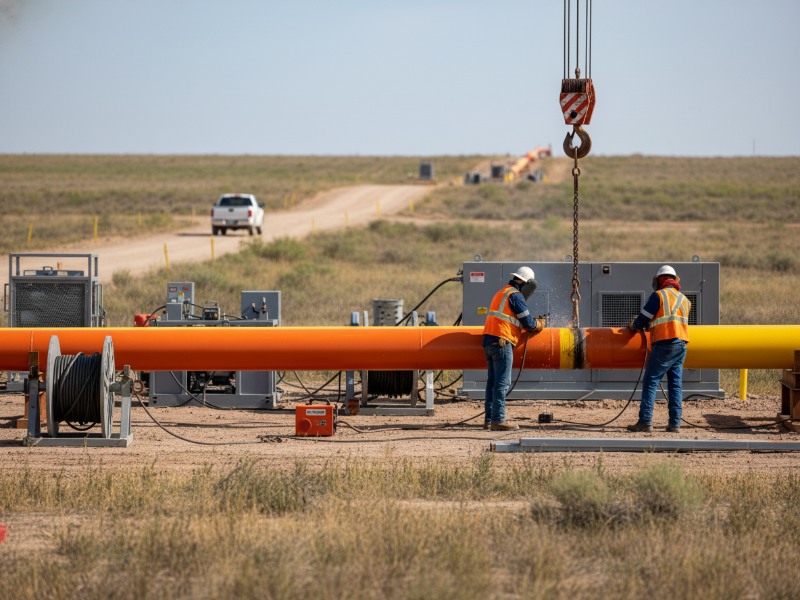
Рабочие, устанавливающие арматуру для горячего врезания в действующий газопровод, в котловане со строительным снаряжением

CIPP vs. Slip-lining: Что экономически выгоднее для труб большого диаметра?

For large-diameter pipes (typically 36 inches and above), CIPP is generally more cost-effective than slip-lining when considering total project costs, operational disruption, and long-term performance, though slip-lining offers advantages in specific scenarios involving severe structural degradation or non-circular profiles. This comprehensive guide compares both trenchless pipe rehabilitation methods across material

Читать далее »