Услуги по горизонтальному направленному бурению (HDD)
Услуги JSW по горизонтальному направленному бурению (HDD) для строительства нефте- и газопроводов
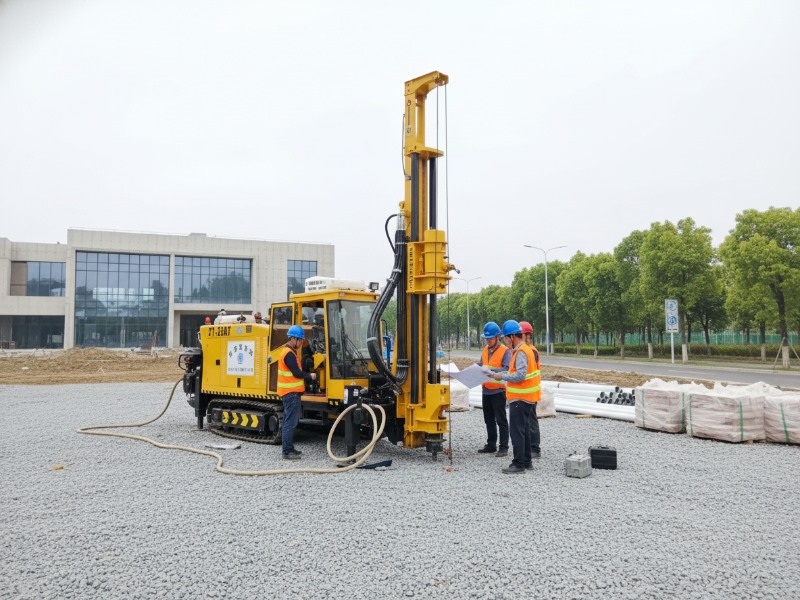
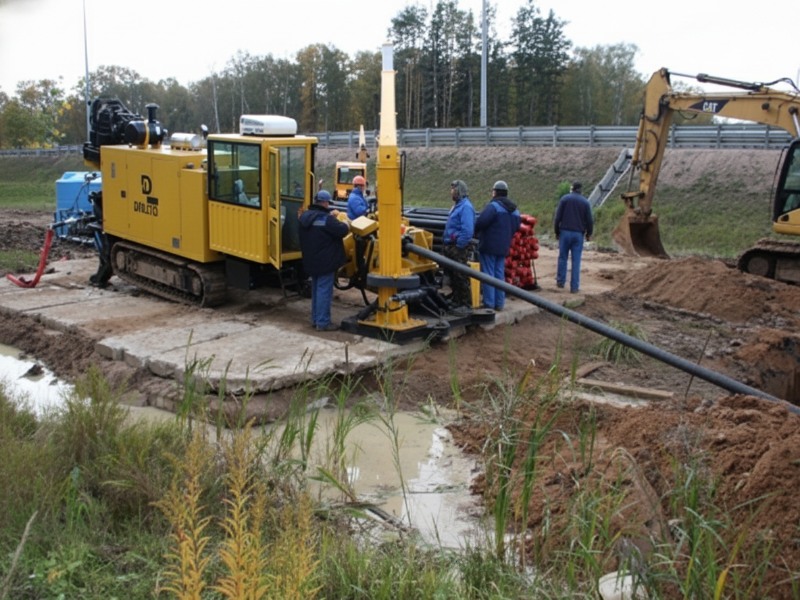
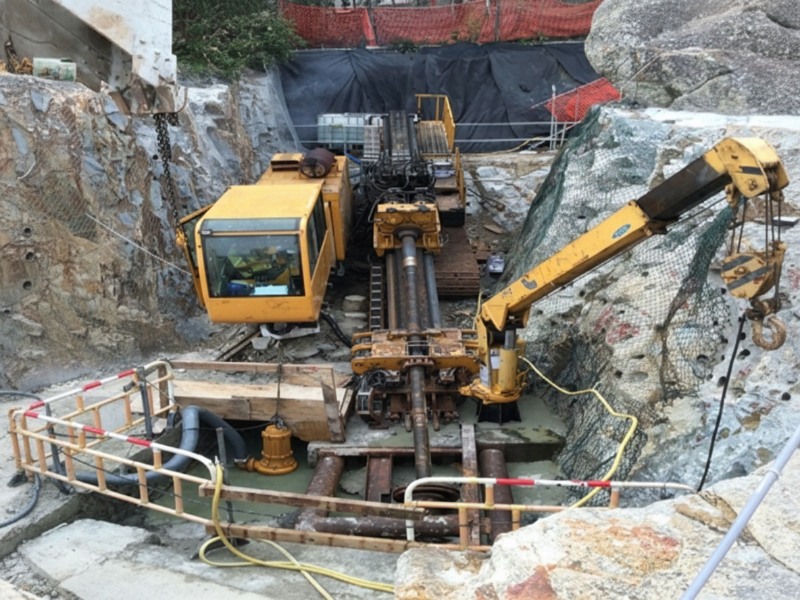
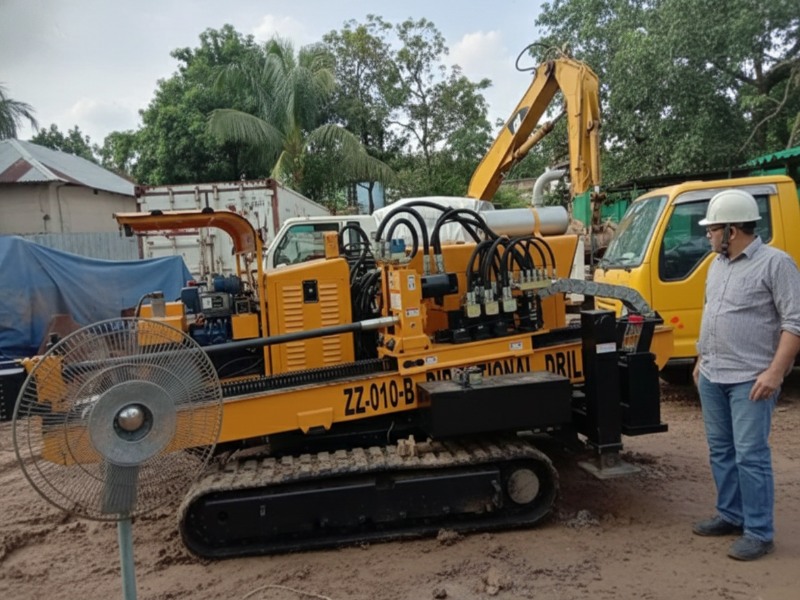
Компания JSW предоставляет специализированные услуги по горизонтальному направленному бурению (HDD) для операторов нефте- и газопроводов, а также подрядчиков EPC по всему миру. Наши бестраншейные решения по прокладке трубопроводов позволяют прокладывать трубопроводы под реками, автомагистралями, железнодорожными путями, водно-болотными угодьями и существующей инфраструктурой без проведения наземных земляных работ. Благодаря максимальной длине прокладки за один проход, превышающей 2 000 метров, диаметру труб до 48 дюймов и проверенной способности к пересекающему бурению, JSW реализует технически сложные проекты HDD без каких-либо экологических инцидентов.
48 дюймов
Максимальный диаметр
2 000 м
Однократный переход
3 000 м+
Бурение с пересечением
500 тыс. фунтов
Сила отдачи
JSW «Технологии бурения и заканчивания скважин»
Компания JSW разрабатывает и внедряет специализированные технологии бурения, заканчивания скважин, испытаний и защиты окружающей среды для пластов с высокими температурами и давлением, с содержанием сернистого газа, геотермальных и нетрадиционных пластов. Наш портфель технологий включает запатентованные инструменты, системы жидкостей, решения для цементирования и инженерные рабочие процессы, проверенные на тысячах скважин по всему миру.
Технология испытаний сернистого газа в условиях высоких температур и высокого давления (HTHP)
Технология испытаний сернистого газа в условиях высоких температур и давлений (HTHP) компании JSW объединяет в себе оценку ствола скважины, защиту обсадных колонн, анализ напряжений в трубах, процедуры испытаний и системы безопасности, связанные с H₂S. Это комплексное решение позволяет решать технические проблемы, возникающие при проведении испытаний в скважинах с высокими температурами, высоким давлением и высокой концентрацией сероводорода, включая разрушение нагнетательных труб и обсадных колонн под высоким давлением, риски выброса пласта и утечки H₂S.
Технология непрерывной термической десорбции GW-TDUD
Термическая десорбция позволяет отделять органические соединения от твердых отходов посредством высокотемпературной обработки в бескислородной среде. В ходе этого процесса органические вещества перегоняются или разлагаются с образованием газа, который затем проходит через конденсацию или криогенную сепарацию с целью извлечения горючих газов, жидких углеводородов и твердых остатков. Высокотемпературная обработка позволяет удалить большую часть органических веществ из твердых отходов, одновременно извлекая ценные углеводороды и обеспечивая соблюдение экологических норм по сбросу отходов.
Технология деэмульгирования и обезвоживания сырой нефти серии GPF
Промысловые жидкости нефтяных скважин содержат природные эмульгаторы, в том числе коллоиды, асфальтены, нафтеновые кислоты и твердые частицы. При прохождении через дроссельные клапаны у устья скважины и транспортировке по трубопроводу высокоскоростное сдвиговое воздействие приводит к образованию стабильных нефтеводяных эмульсий. Деэмульгаторы GPF используют высокомолекулярные поверхностно-активные вещества, которые снижают межфазное натяжение между нефтью и водой, вытесняя природные эмульгаторы на границе раздела фаз. Вновь образовавшаяся граница раздела обладает более низкой стабильностью, что приводит к коалесценции капель воды и их отделению от непрерывной нефтяной фазы. Процесс включает в себя трехфазное разделение, осаждение и электростатическую дегидратацию.
Технология контроля потери циркуляционного раствора с высокими потерями на фильтрацию
Технология устранения потери циркуляции с высокой степенью фильтрации обеспечивает быструю фильтрацию бурового раствора при столкновении с зонами утечки. Перепад давления в зоне потери жидкости стимулирует фильтрацию бурового раствора, что приводит к быстрому образованию фильтрационного слоя, обладающего достаточной начальной прочностью для герметизации зоны потери. Данная технология подходит для случаев потери циркуляции средней и высокой степени тяжести, эффективно стабилизирует стенки ствола скважины, повышает давление разрушения трещин в зонах потери и использует кислоторастворимые связующие вещества, которые идеально подходят для участков пласта.
GW-SEAL — система буровых жидкостей на масляной основе широкого спектра действия и высокой прочности
Компания JSW разработала систему буровых растворов на масляной основе GW-SEAL с использованием запатентованных уплотняющих агентов нано- и микромасштаба. Система обеспечивает низкую вязкость, низкое сдвиговое сопротивление и высокопрочные уплотняющие свойства широкого спектра действия. Она эффективно решает проблемы нестабильности и обрушения ствола скважины, дифференциального заклинивания и уплотнения, недостаточной очистки ствола в отклоненных участках, а также ограниченных условий бурения в сложных пластах. Система оптимизирована для скважин с удлиненным проходом, горизонтальных скважин для добычи сланцевого газа, а также сложных глинистых и сланцевых пластов.
Технологии цементирования глубоких и сверхглубоких скважин
В глубоких и сверхглубоких скважинах температуры и давления на дне скважины требуют использования цементных растворов, обладающих превосходной высокотемпературной стабильностью, способностью сдерживать миграцию газа и формировать прочную гелевую структуру. Такие скважины, как правило, имеют длинные участки открытого ствола, в которых в одном и том же интервале одновременно присутствуют зоны высокого давления и зоны потерь давления, что создает узкие диапазоны давления, требующие точного управления эквивалентной циркуляционной плотностью. Технология цементирования глубоких скважин компании JSW позволяет решать эти задачи, одновременно снижая высокий операционный риск, связанный с цементированием длинных интервалов.
Технология отбора проб с сохранением давления и температуры
Компания JSW разработала инструмент для отбора проб с сохранением давления и температуры GW-CPT, обладающий полностью независимой интеллектуальной собственностью. Инструмент объединяет в себе системы поддержания давления, теплоизоляции, управления и измерения. К инновационным конструктивным особенностям относятся система двойной компенсации давления «газ-жидкость», уплотнительный механизм шарового клапана с большим проходом и композитный внутренний цилиндр с вакуумной изоляцией. Данная технология позволяет извлекать образцы пластовых пород при естественном давлении и температуре пласта, что обеспечивает точную характеристику пласта.
Индивидуальная разработка и изготовление долот PDC
Обладая более чем 20-летним опытом производства, завод JSW по изготовлению PDC-корон выпускает две основные линейки продукции — PDC-короны для бурения по всей глубине скважины и алмазные коронки для кернового бурения. Компания JSW располагает передовыми конструкторскими возможностями и пятью собственными технологиями индивидуального проектирования, что позволяет разрабатывать короны по индивидуальному заказу для конкретных пластов, оптимизировать их эксплуатационные характеристики на основе анализа изношенных коронок, а также осуществлять полный цикл производства собственными силами.
GW-LWD(BWR) — прибор для каротажа удельного сопротивления во время бурения
Компания JSW разработала прибор для измерения удельного сопротивления GW-LWD(BWR) с полностью независимой интеллектуальной собственностью. Прибор объединяет в себе импульсную телеметрию по буровому раствору, скважинный генератор, комплекс датчиков ориентации, датчики удельного сопротивления на основе электромагнитных волн и азимутальные гамма-датчики. Ключевые технологии включают передовые алгоритмы фильтрации сигналов бурового импульса, запатентованные алгоритмы обработки данных датчиков, а также измерение удельного сопротивления с помощью электромагнитных волн во время вращения, что позволяет проводить оценку пласта в режиме реального времени в сложных скважинных условиях.
Технологии бурения и обустройства высокотемпературных геотермальных скважин
Технология бурения и обустройства высокотемпературных геотермальных скважин компании JSW является результатом более чем 10-летнего опыта оказания комплексных технических услуг на геотермальном месторождении Олкария в Кении. Эта технология позволяет решать проблемы бурения в условиях высокотемпературных, высококоррозионных и высокоабразивных геотермальных сред. Она успешно применяется в Кении и соседних странах для освоения высокотемпературных геотермальных ресурсов.
Технология интегрированного геонаведения при бурении (IGD)
Технология интегрированного геонаведения при бурении компании JSW объединяет геологические исследования, каротаж бурового раствора, передовые методы обнаружения газа, специализированный каротаж, геонаведение и инженерное обеспечение бурения в режиме реального времени. В ходе бурения геологические данные и данные о бурении в режиме реального времени интегрируются для динамической оптимизации точек выхода на целевой пласт и траекторий проходки скважины. Такой подход обеспечивает более полный контакт с пластом и снижает геологическую неопределенность.
Технология бурения с удлиненным вылетом (ERD)
Технология бурения с увеличенным радиусом действия компании JSW объединяет в себе оптимизацию маршрута скважины, управление траекторией, роторное управление направлением, специализированные долота PDC, очистку ствола, снижение трения, управление крутящим моментом и сопротивлением, а также стабилизацию ствола скважины. Эта отработанная технология бурения и обустройства скважин с удлинённым проходом (ERD) подтвердила свою эффективность благодаря многочисленным научным достижениям и практическому применению на месторождениях, что делает её подходящей для скважин с удлинённым проходом и высоким коэффициентом отклонения.
Применение жестких дисков при пересечении трубопроводов
Компания JSW применяет технологию горизонтально-направленного бурения для преодоления природных и искусственных препятствий, из-за которых традиционное прокладка траншей открытым способом становится нецелесообразной или невозможной.
Переправы через реки и водные пути – Судоходные реки, озёра и прибрежные зоны, где земляные работы могут нарушить судоходство или морские экосистемы.
Автомобильные и железнодорожные переезды – Межштатные автомагистрали и действующие железнодорожные линии, на которых повреждение дорожного покрытия запрещено или влечет за собой значительные ежедневные штрафы.
Водно-болотные угодья и экологически уязвимые территории – Охраняемые болота, поймы и места обитания, где восстановление после ведения открытой добычи является ненадежным или не соответствует требованиям.
Существующая инфраструктура, расположенная под – Действующие трубопроводы, инженерные коридоры и территории объектов, где при проведении земляных работ существует риск повреждения инженерных сетей и возникновения инцидентов, связанных с безопасностью.
Горная местность и скалистая местность – Крутые склоны, холмистые участки и скальные образования, где землеройная техника не может эффективно работать.
Городская среда и застроенная территория – Густозастроенные городские улицы с подземными коммуникациями, где отсутствует место на поверхности для проведения открытых земляных работ.
Технические возможности JSW — диаметр, длина, глубина и отвод
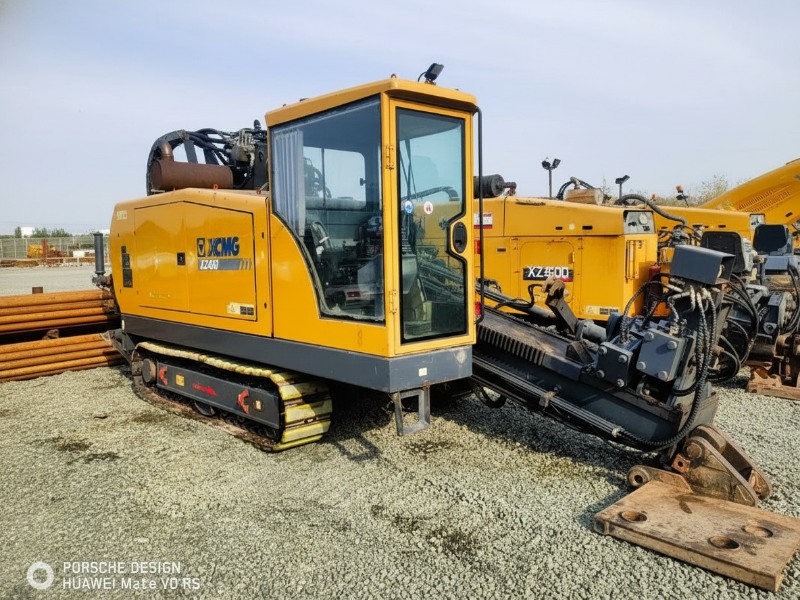
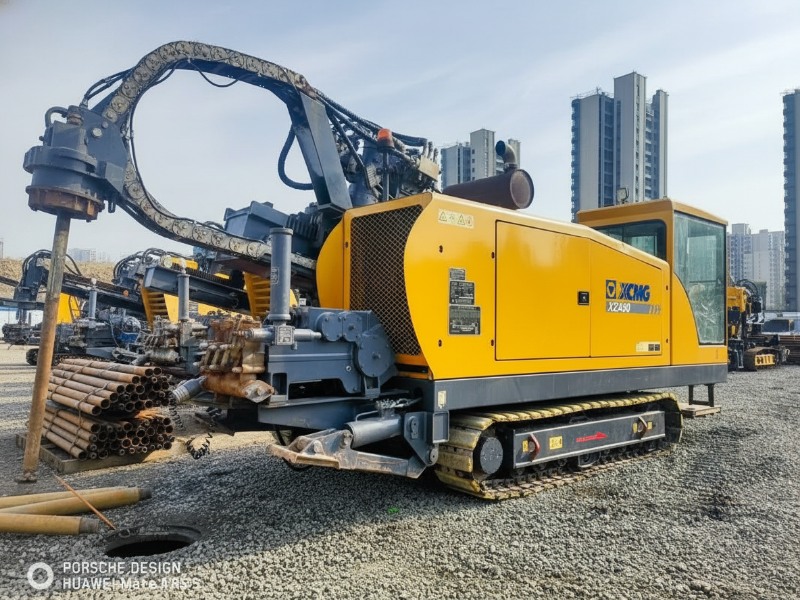
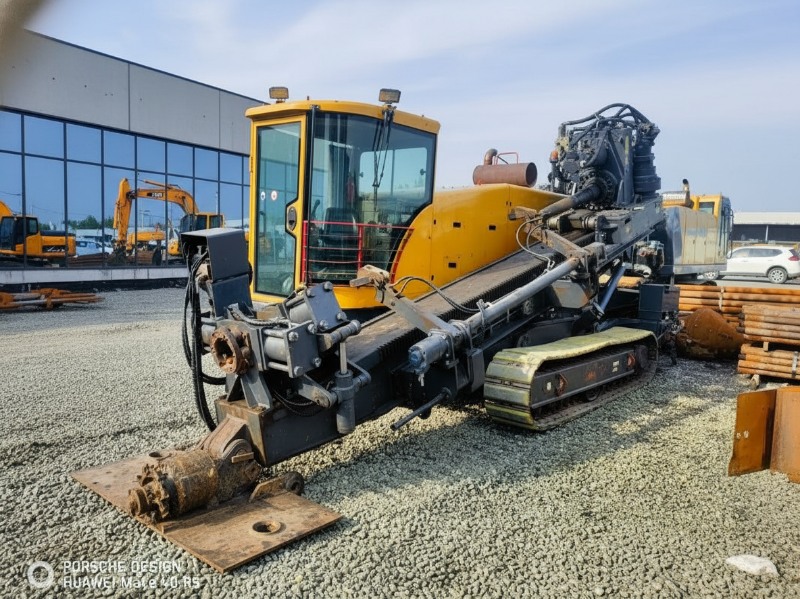
Компания JSW располагает современным парком буровых установок для горизонтального направляемого бурения (HDD) большого диаметра, а также собственным инженерным подразделением, которое занимается оценкой технической осуществимости проектов, анализом рисков разрушения пласта при гидроразрыве и расчетом напряжений при вытягивании труб.
| Параметр | Возможности JSW |
|---|---|
| Диаметр трубы | До 48 дюймов (DN1200) |
| Длина пересечения при однократном срабатывании | До 2 000 м |
| Длина бурения в точке пересечения | До 3 000 м и выше |
| Глубина бурения | До 100 м |
| Прочность горной породы на сжатие | До 200 МПа (UCS) |
| Способность буровой установки к оттяжке | До 500 000 фунтов |
| Точность управления | ±1% по вертикали |
| Угол входа | от 8 до 15 градусов |
| Exit Angle | 6 to 14 degrees |
| Minimum Bend Radius | 1,000 x pipe diameter (steel) / 100 x pipe diameter (HDPE) |
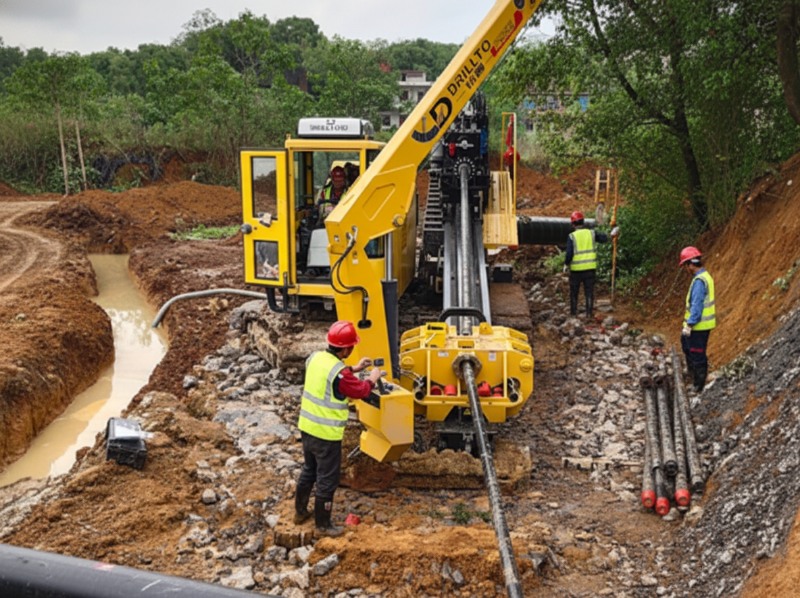
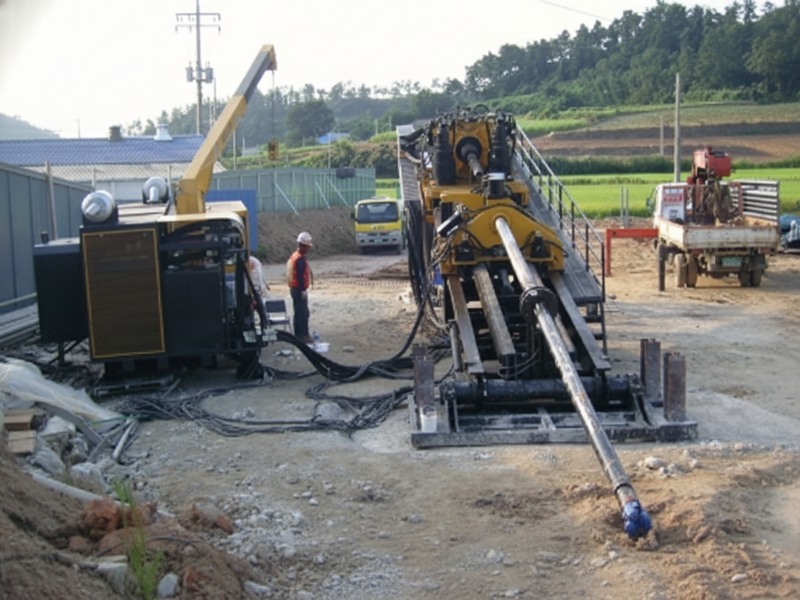
JSW HDD Process – From Geotechnical Survey to Pipe Pullback
JSW manages the complete HDD project lifecycle. Each phase follows documented procedures aligned with API RP 1102, ASME B31.4, and ISO standards.
Phase 1: Geotechnical Survey and Route Planning
JSW engineers conduct site-specific soil boring investigations to characterize subsurface conditions. Boring locations follow industry standards at 15-meter offsets from the proposed alignment.
Deliverables from this phase:
Soil boring logs with particle size distribution and Atterberg limits
Rock coring for unconfined compressive strength (UCS) testing
Groundwater level measurement and permeability assessment
Identification of cobble zones, boulders, or abandoned utilities
Frac-out risk analysis based on soil fracture gradient
Phase 2: Drill Path Design and Stress Analysis
Using geotechnical data, JSW engineers design the bore path geometry and calculate pullback stresses.
Design parameters calculated:
Entry and exit angles optimized for rig access and pipe handling
Minimum radius of curvature to keep pipe bending within elastic limits
Depth of cover (minimum 10-20 feet below obstacles)
Pullback tensile stress following API RP 1102 for steel or ASTM F1804 for HDPE
Fluid pressure limits to prevent inadvertent returns
Phase 3: Pilot Hole Drilling
The steerable drill head follows the designed path from entry point to exit point. JSW uses wireline gyro steering tools for real-time position tracking.
Pilot hole specifications:
Hole diameter: Typically 8-12 inch for initial pilot
Tracking accuracy: ±1% of vertical depth
Intersect method: Available for crossings exceeding 2,000m where two rigs drill from opposite sides and meet underground
Phase 4: Pre-Reaming (Hole Enlargement)
After pilot hole completion, JSW operators enlarge the borehole to the final diameter using staged reaming passes.
Reaming approach:
Overcut: Minimum 12 inches or 1.5 x pipe diameter (whichever is larger)
Reamer selection: Fly cutters for soft soil / rock reamers with tungsten carbide inserts for bedrock
Multiple passes: Progressive enlargement from pilot diameter to final hole size
Fluid management: Flow rates increased proportionally with hole volume
Phase 5: Pipe Pullback
The product pipe – steel with anti-corrosion coating for oil and gas applications – is welded into a continuous string and pulled back through the reamed hole.
Pullback execution:
Continuous pullback without stopping prevents pipe sticking
Pullhead and swivel assembly protects pipe coating during entry
Real-time pull force and torque monitoring at the rig
Drilling fluid circulation maintained throughout pullback
Phase 6: Drilling Fluid Management and Site Restoration
JSW operates closed-loop fluid recycling systems to minimize consumption and prevent inadvertent returns.
Fluid management protocols:
Real-time mud pressure monitoring at entry and exit points
Containment berms and vacuum trucks for spill prevention
Bentonite slurry recycling units separate cuttings for disposal
Site restoration to original grade and vegetation conditions
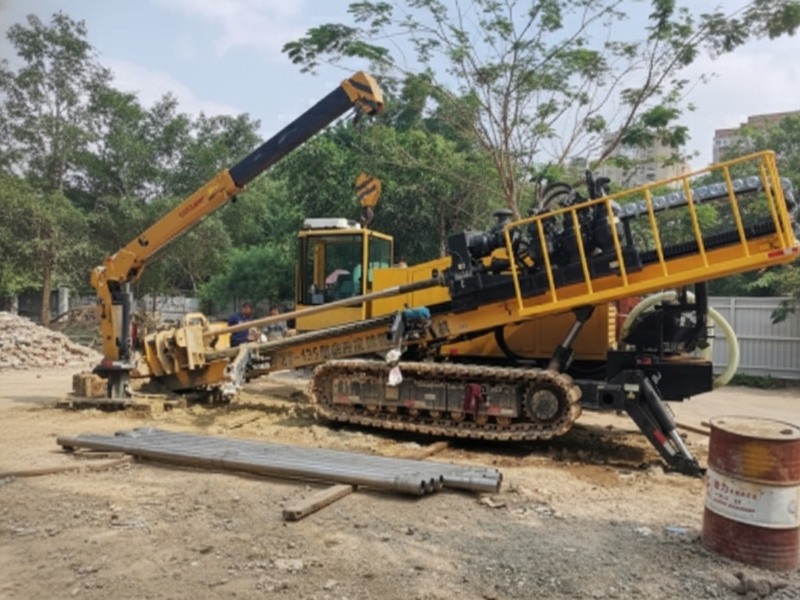
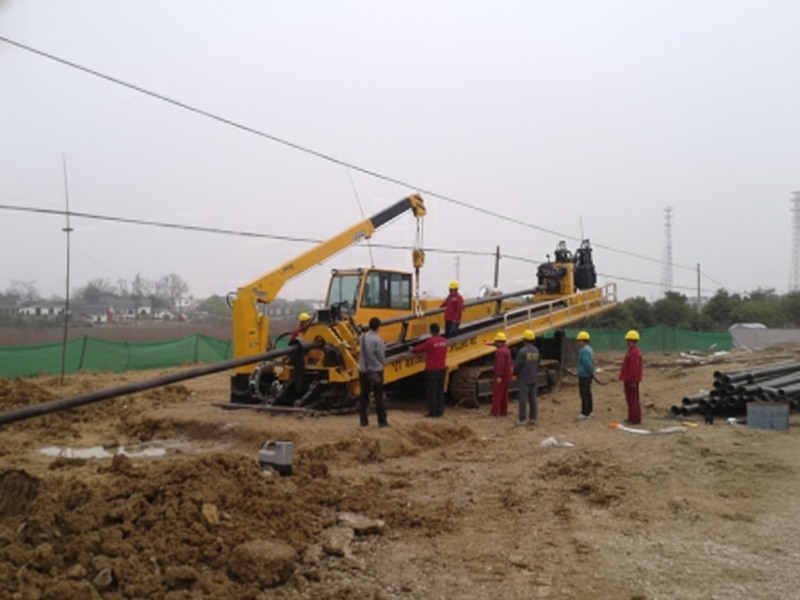
Why JSW for Oil and Gas HDD Projects
JSW differentiates from other HDD contractors through four core capabilities demonstrated on completed projects.
1. Proven Intersect Drilling for Long-Distance Crossings
JSW performs intersect drilling operations where two drill rigs start from opposite sides of an obstacle and meet underground at a predetermined point. This method reduces drilling fluid pressure in long crossings exceeding 2,000 meters and allows shorter equipment setup on each side when surface access is limited. JSW has completed intersect crossings up to 3,000 meters with steering accuracy maintained throughout the approach and connection.
2. Complex Geology Solutions – Hard Rock, Cobble Beds, and Mixed Strata
JSW engineers develop customized tooling and fluid programs for each geological condition encountered.
| Geology | JSW Approach |
|---|---|
| Hard rock (UCS up to 200 MPa) | PDC bits or roller cone rock bits with staged reaming |
| Cobble beds (15m+ thickness) | Air hammer + spiral auger for initial penetration |
| Sandstone/shale interbedding | Bit selection optimized for hardness variation |
| High water table / subaqueous | Weighted mud systems to balance formation pressure |
| Soft clay / reclaimed fill | Fly cutters with high flow rates for cuttings removal |
3. Zero Environmental Incidents with Real-Time Monitoring
JSW maintains a zero-environmental-incident record across all completed HDD projects. Our real-time mud pressure monitoring system alerts operators to pressure deviations before they reach soil fracture gradients. Closed-loop recycling systems reduce fluid consumption by up to 70% compared to open-pit methods. All sites are restored to original condition upon project completion.
4. Turncap HDD Services – From Feasibility to Restoration
JSW provides complete project coverage eliminating the need for multiple contractors.
Our scope includes:
Feasibility assessment and route optimization
Geotechnical investigation coordination
Drill path design and stress analysis
Permitting support for environmental and regulatory approvals
Rig mobilization and site preparation
Pilot hole drilling through pipe pullback
Fluid management and disposal
Site restoration and as-built documentation
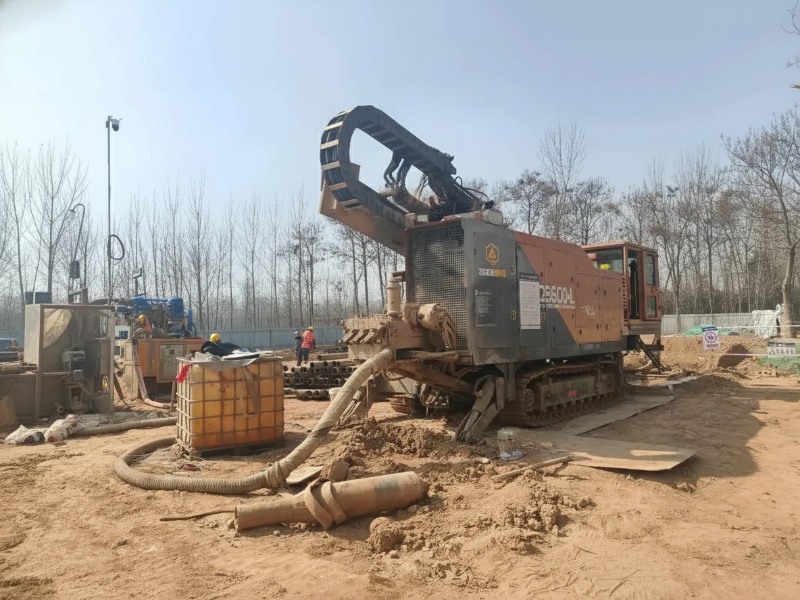
JSW Project Highlights
The following completed HDD projects demonstrate JSW capability across challenging geological conditions and sensitive environments.
Case Study 1: Major Natural Gas Pipeline River Crossing
| Параметр | Подробнее |
|---|---|
| Расположение | River crossing, North America |
| Диаметр трубы | 42 inch steel, FBE coated |
| Crossing length | 1,600 m |
| Глубина | 45 m below riverbed |
| Geology | Sandstone and shale interbedded layers |
| Вызов | High water table + limited entry workspace on one bank |
| Решение | Intersect drilling from both banks with wireline gyro steering |
| Result | Completed 12 days ahead of schedule, zero environmental incidents |
Case Study 2: Hard Rock Crossing in Mountainous Terrain
| Параметр | Подробнее |
|---|---|
| Расположение | Mountain crossing, Asia-Pacific |
| Диаметр трубы | 36 inch steel |
| Crossing length | 1,800 m |
| Глубина | 60 m below surface |
| Geology | Granite with UCS 180 MPa |
| Вызов | Rock hardness caused rapid bit wear on initial pilot |
| Решение | Switched to PDC bits with optimized mud motor RPM |
| Result | Pilot hole completed in 21 days, final pullback successful with peak force 380,000 lbs |
Case Study 3: Petrochemical Facility Pipeline Replacement
| Параметр | Подробнее |
|---|---|
| Расположение | Active refinery, Middle East |
| Диаметр трубы | 30 inch steel |
| Crossing length | 1,400 m |
| Глубина | 35 m |
| Geology | Cobble bed (12m thick) overlying sandstone |
| Вызов | Existing in-service pipelines within 5m of proposed alignment |
| Решение | Radar-guided intersect drilling with real-time proximity alerts |
| Result | Zero utility strikes, completed during scheduled plant turnaround |
HDD Feasibility Assessment – When JSW Recommends Horizontal Directional Drilling
JSW engineers evaluate each proposed crossing against feasibility criteria before recommending HDD as the optimal construction method.
Projects where JSW recommends HDD:
Crossings beneath navigable waterways where open-cut is prohibited
Highways and railroads with daily traffic penalties exceeding $10,000
Wetlands requiring permits with restoration success rates below 50%
Urban areas with underground utilities where service strikes carry six-figure liabilities
Mountainous terrain where access roads for trenching equipment are not feasible
Projects where JSW may recommend alternatives:
Short crossings under 100 meters in open rural areas
Shallow utilities in dry, stable soil with no surface restrictions
Projects where HDD entry and exit workspace is unavailable
JSW provides no-obligation feasibility assessments for pipeline operators and EPC contractors. Submit your project specifications for a preliminary evaluation.
Standards and Compliance
JSW’s automated welding services comply with all applicable international standards.
| Стандарт | Область применения | JSW Compliance |
|---|---|---|
| API 1104 | Welding of pipelines and related facilities | Full compliance |
| ASME Section IX | Welding and brazing qualifications | Full compliance |
| ISO 13847 | Petroleum and natural gas industries – Pipeline welding | Full compliance |
| AS/NZS 2885.2 | Pipelines – Gas and liquid petroleum – Part 2: Welding | Available upon request |
Documentation Provided
For each project, JSW delivers:
Welding Procedure Specification (WPS) and Procedure Qualification Record (PQR)
Operator certification records
Weld log data (CSV format per joint, per pass)
NDT reports (radiography or ultrasonic, as specified)
Final quality documentation package for client records
Industry Standards and Compliance
JSW HDD operations follow recognized industry standards to ensure safety, quality, and environmental compliance.
| Стандарт | Область применения |
|---|---|
| API RP 1102 | Steel pipeline crossing railroads and highways – pullback stress limits |
| ASME B31.4 | Pipeline transportation systems for liquids – design and construction |
| ASME B31.8 | Gas transmission and distribution piping systems |
| ASTM F1804 | Pullback tensile load calculations for polyethylene pipe |
| ISO 9001 | Quality management systems – planning and documentation |
| ISO 14001 | Environmental management – fluid containment and spill prevention |
| ISO 45001 | Occupational health and safety – rig operations and site safety |
JSW Integrated Pipeline Services
Beyond horizontal directional drilling, JSW provides complementary pipeline services for oil and gas operators requiring complete project support.
Hot tapping and line stopping (stopple) – Connect new pipelines to live systems without shutdown
Pipeline plugging and modification – Isolate sections for repair or rerouting
Бестраншейное восстановление труб – Restore existing pipelines without excavation
Pipeline maintenance and restoration – Corrosion protection, cleaning, and integrity repairs
Строительство трубопроводов – Open-cut installation for rural and accessible routes
Material supply – Pipe, fittings, coatings, and HDD tooling
JSW coordinates multiple services under single contracts, reducing owner oversight requirements and scheduling conflicts between specialty contractors.
Request a JSW HDD Technical Consultation
JSW is a specialized horizontal directional drilling contractor serving oil and gas pipeline operators and EPC contractors worldwide. Our technical team combines decades of field experience with in-house engineering capabilities for feasibility assessment, drill path design, and pullback stress analysis. JSW maintains a modern HDD rig fleet with pullback capacity up to 500,000 lbs and a zero-environmental-incident record across all completed projects.
Часто задаваемые вопросы
Каков максимальный диаметр трубы, которую компания JSW может проложить методом горизонтально-направленного бурения (HDD)?
Компания JSW выполняет прокладку труб методом горизонтального направляемого бурения (HDD) для труб диаметром до 48 дюймов (DN1200). Для труб большего диаметра требуются дополнительные проходки расточки и более высокая тяговая мощность. Свяжитесь с инженерным отделом JSW и укажите конкретный диаметр для оценки технической осуществимости проекта.
Сколько времени занимает реализация типичного проекта по работе с жесткими дисками от начала до конца?
Продолжительность проекта зависит от длины перехода, геологических условий и диаметра трубы. Прокладка трубопровода через реку длиной 500 метров в прочном грунте занимает примерно 2–3 недели активного бурения. Прокладка трубопровода через твердую породу длиной 2 000 метров требует 8–12 недель. Исследование участка, проектирование и получение разрешений занимают дополнительно 3–6 месяцев до начала строительства.
Может ли компания JSW осуществлять горизонтальное направленное бурение (HDD) в твердых горных породах?
Да. Компания JSW выполнила проходку горизонтальных скважин методом HDD в граните с прочностью на сжатие без ограничения (UCS) до 200 МПа. Для бурения в твердых породах требуются коронки PDC или роликовые конусные коронки, поэтапное расширение ствола и буровые установки с более высоким крутящим моментом. Скорость бурения снижается в более твердых породах, что приводит к увеличению сроков реализации проекта.
В каком диапазоне находятся цены на услуги JSW по горизонтальному направленому бурению (HDD)?
Стоимость прокладки трубопровода методом горизонтально-направленного бурения (HDD) значительно варьируется в зависимости от длины пересечения, диаметра трубы, геологических условий и условий доступа к объекту. Типичная стоимость прокладки трубопровода методом HDD для пересечений нефте- и газопроводов составляет от $500 до $2,000 за линейный фут. Компания JSW предоставляет окончательные ценовые предложения после анализа геотехнических данных и оценки трассы.
Предоставляет ли компания JSW услуги по бурению с использованием твердотельных сверл на международном уровне?
Да. Компания JSW направляет буровые установки и бригады на объекты по всему миру. Наш парк оборудования упакован в контейнеры для международных перевозок, а наша инженерная команда обеспечивает техническую поддержку в удаленных регионах. Свяжитесь с JSW и сообщите местоположение вашего проекта для оценки возможности мобилизации.
Как компания JSW предотвращает непреднамеренные выбросы (frac-outs)?
Компания JSW использует систему мониторинга давления бурового раствора в режиме реального времени, систему рециркуляции жидкости с замкнутым контуром и геотехнические данные для ведения работ при давлении ниже градиента прочности грунта. Наши операторы постоянно корректируют расход и реологические свойства жидкости на основе показаний давления в скважине. Защитные валы и вакуумные автоцистерны обеспечивают возможность немедленного реагирования.
Какая информация необходима компании JSW для подготовки коммерческого предложения по проекту?
Для составления предварительного бюджета компании JSW необходимы следующие сведения: диаметр и материал трубы, длина перехода, тип препятствия (река, автомагистраль и т. д.), примерное местоположение для оценки геологических условий, а также любые известные ограничения, связанные с доступом к объекту. Для подготовки окончательного коммерческого предложения требуются данные геотехнического бурения.
Имеет ли компания JSW сертификаты соответствия отраслевым стандартам?
Да. Деятельность компании JSW осуществляется в соответствии со стандартами API RP 1102, ASME B31.4, ASME B31.8 и ISO 9001/14001/45001. Наша проектная документация включает расчеты напряжений при оттяжке, анализ рисков разрыва при гидроразрыве пласта и съемки фактического расположения трубопроводов.
Запросите бесплатную консультацию по обслуживанию трубопроводов
Узнать больше
Столкнулись с проблемой трубопровода? Получите индивидуальное решение от наших экспертов. Укажите свои данные ниже, и мы свяжемся с вами в течение 24 часов, чтобы обсудить требования, сроки и бюджет вашего проекта.
Beijing Jinshiwan - ведущий интегрированный поставщик трубопроводных технологий и услуг, сочетающий производство высококлассного оборудования с профессиональным инженерным опытом. Мы поставляем безопасные, надежные и инновационные трубопроводные решения полного жизненного цикла для мировой нефтегазовой, химической и коммунальной промышленности.
Строительство и монтаж трубопроводов
- Строительство трубопроводов на пересеченной местности
- Монтаж и ввод в эксплуатацию трубопроводов
- Монтаж трубопроводных систем завода
- Перемещение и модификация трубопроводов
Обслуживание и ремонт трубопроводов
- Услуги по горячей нарезке и нарезке под давлением
- Услуги по закупорке и изоляции трубопроводов
- Аварийный ремонт трубопроводов
- Восстановление и облицовка трубопроводов
- Ремонт композитного рукава (установка B-образного рукава)
- Защита от коррозии и ремонт
Специализированные технические услуги
- Управление целостностью трубопроводов
- Услуги по поддержке поточных инспекций
- Неразрушающие модификации линии под напряжением
- Испытание трубопроводов давлением
- Очистка и сушка трубопроводов
Оборудование и производство
- Производство машин для горячей нарезки резьбы
- Производство оборудования для закупорки трубопроводов
- Изготовление трубопроводной арматуры на заказ
- Производство специальных клапанов
Преимущества нашего международного сервиса:
- Возможность круглосуточного реагирования на чрезвычайные ситуации
- Соответствие стандартам API и ASME
- Многоязычное управление проектами
- Глобальная доставка и логистическая поддержка
- Технический надзор на месте по всему миру
 English
  Arabic
  Russian
  Spanish
  French