
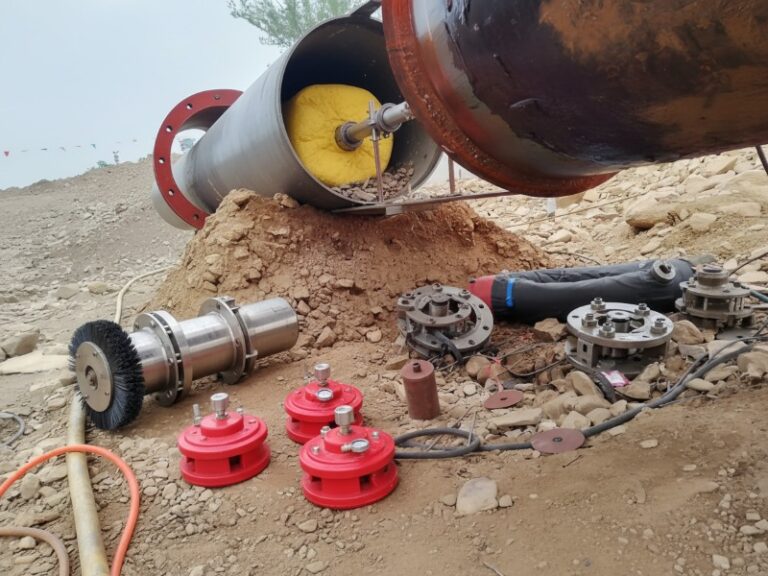
In oil and gas terminology, the primary difference between a pipeline plug and a pipeline stopper lies in their application: a pipeline plug is a generic device used to seal the end of a pipe for testing or to prevent debris ingress, while a pipeline stopper (often referred to as a line stop or stopple) is a specialized tool inserted under pressure (via hot tapping) to isolate a section of pipeline for modification or repair without shutting down the entire system. This distinction is crucial for maintenance, safety, and operational efficiency. In this guide, we will explore the technical definitions, mechanical differences, pressure ratings, and specific use cases for these devices, helping you select the right solution for your pipeline integrity project.
What is a Pipeline Plug? Sealing Ends and Enabling Testing
A pipeline plug is a device designed to create a seal within a pipe, primarily used for temporary isolation during construction, maintenance, or testing phases. Unlike stoppers, plugs are typically deployed in an open pipe end or a non-pressurized system.
The Mechanism of Pipe Plugs
Pipeline plugs work by expanding against the inner wall of the pipe to create a leak-tight seal. They come in various mechanical and inflatable designs:
- Mechanical Plugs: These utilize a wing nut or bolt mechanism to compress two plates together, which expands a rubber element (tyre) against the pipe wall. They are simple to install and ideal for low-pressure testing.
- Inflatable Plugs: These feature an inflatable rubber sleeve around a core. When pressurized with air or water, the sleeve expands to conform to the pipe’s inner diameter, even if it is slightly out-of-round.
Key Applications in the Industry
Plugs are essential for “trenchless” methods and standard integrity checks:
- Hydrostatic Testing: Used to isolate sections of newly constructed or repaired pipelines to verify integrity under pressure, following standards like EN1610.
- Debris Stopping: During construction or pipeline modification, plugs are inserted to prevent dirt, water, welding debris, and other contaminants from entering the pipeline.
- Weld Purging: Specialized plugs are used to create a small, inert gas chamber around the weld area to prevent oxidation, ensuring high-quality welds on materials like stainless steel.
What is a Pipeline Stopper? Live Line Isolation for Modifications
A pipeline stopper (or line stop) is a high-integrity isolation tool deployed into a pressurized pipeline to block the flow of oil, gas, or other products. This allows for maintenance, valve replacement, or pipeline modification to occur downstream without shutting down the entire network or flaring product.
The Hot Tapping and Line Stopping Process
Pipeline stoppers are deployed using a specialized procedure known as “hot tapping”:
- Fitting Attachment: A branching fitting is welded onto the live pipeline.
- Hot Tapping: A valve is attached, and a specialized cutter is used to drill through the pipe wall to create an access hole, all while the line remains under pressure.
- Stopper Insertion: The pipeline stopper is inserted through the valve and access hole. Once in position, it is activated to expand and block the pipe.
- Isolation: The pipeline stopper creates a seal, isolating the section for repair. After work is completed, the stopper is retracted, and the access hole is sealed with a completion plug.
Advanced Double Block and Bleed (DBB) Technology
Modern pipeline stoppers utilize Double Block and Bleed (DBB) technology to guarantee safety. STATS Group’s patented BISEP® and Tecno Plug® systems, as well as Wellube’s Double Isolation Pipeline Stopper (DIPS), feature dual independent elastomer seals.
- Fail-Safe Isolation: The space between the two seals (the annulus) can be vented and monitored. If the primary seal leaks, pressure builds in the annulus, alerting operators before the secondary seal is compromised.
- DNV Certification: High-integrity stoppers are often third-party certified (e.g., by DNV) to verify that they meet offshore standards for dual-seal isolation.
Comparative Analysis: Plugs vs. Stoppers
To clarify the distinction for engineers and procurement specialists, the following table breaks down the critical differences based on pressure, application, and deployment method.
| Tính năng | Pipeline Plug | Pipeline Stopper (Line Stop) |
|---|---|---|
| Primary Function | Sealing open ends, testing, debris exclusion [citation:1] | Isolating a live, pressurized line for modification [citation:4] |
| Deployment Method | Manual insertion into open pipe or through fittings | Inserted via hot tapping into a live pipeline |
| Áp suất định mức | Low to High (depending on type, e.g., threaded plugs for high pressure, rubber for low) [citation:1] | Very High (designed to withstand full line pressure, e.g., 55 bar in 48″ lines) [citation:4] |
| Sealing Mechanism | Compressed rubber (mechanical) or inflatable sleeve [citation:2] | Dual-elastomer seals (Double Block and Bleed) [citation:8] |
| Common Use Cases | Hydrotesting, trenchless pipe rehabilitation, weld purging, overnight closure | Valve replacement, hot tap connections, pipeline modification, repair without shutdown |
| Impact on Operations | Requires system depressurization or empty line | Enables maintenance while the rest of the network remains operational |
Selection Criteria: How to Choose Between a Plug and a Stopper
Selecting the correct solution for your project depends on several factors related to job scope and pipeline status. As a contractor or project manager, asking the right questions ensures safety and cost-effectiveness.
1. Is the Line Live or Depressurized?
- If the line is shut down, purged, and open: A pipeline plug is likely the correct choice. Use it for hydrostatic testing or to keep debris out during construction.
- If the line must remain live to avoid production loss: You require a pipeline stopper. Engaging a specialized company with hot tapping and line stopping capabilities is mandatory.
2. What is the Required Pressure and Seal Integrity?
For critical maintenance where any leak is unacceptable, a pipeline stopper with double block and bleed monitoring is the industry standard. For low-pressure testing on new construction, a standard mechanical or inflatable plug from a reliable Material Supplier is often sufficient.
3. What are the Pipe Specifications and Contents?
The choice also depends on the medium (oil, gas, water, chemicals) and temperature. For hydrocarbon lines, inflatable stoppers often require specific outer plies (like ballistic nylon or Kevlar) and coatings to resist degradation from oils and solvents.
Safety Standards and Operational Best Practices
Adhering to strict safety protocols is non-negotiable in pipeline work.
Back Pressure and Restraint
One of the most significant hazards when using a pipeline plug or stopper is the risk of slippage due to back pressure. The force exerted on the device must be calculated accurately. For larger diameters, secondary mechanical restraint (such as screw dogs, anchors, or strong backs) is often required to prevent the plug from becoming a projectile.
Material Compatibility and Certification
- Material Selection: Always verify that the elastomers (Nitrile, Viton, EPDM, Silicone) are compatible with the process fluid and temperature. Using an incompatible material can lead to rapid degradation and failure.
- Third-Party Approval: For high-stakes isolations, look for equipment manufacturer that offers solutions with third-party type approval (e.g., DNV) to ensure the design meets rigorous industry standards.
JSW: Your Partner in High-Integrity Pipeline Solutions
As a leading equipment manufacturer and solution provider in the pipeline integrity sector, JSW understands the critical nature of selecting the right isolation technology. With decades of experience serving the global oil, gas, and industrial markets, we combine engineering excellence with hands-on operational knowledge.
Our portfolio includes a comprehensive range of high-pressure pipeline plugs and advanced stopper systems, designed for reliability in the most demanding environments. Whether you require standard off-the-shelf equipment for trenchless pipe rehabilitation or a custom-engineered double isolation pipeline stopper for a complex hot tapping operation, JSW delivers. We work closely with contractors, Material Suppliers, and EPC companies to ensure every project—from construction to emergency restoration—is completed safely, efficiently, and without compromising on quality. Our team provides full technical support, from equipment selection to on-site guidance, ensuring your pipeline modification projects keep your operations flowing.
Contact JSW today to discuss your pipeline isolation requirements and discover how our engineered solutions can support your next project.
Tác giả: Senior Pipeline Integrity Engineer, JSW Team
Cập nhật: October 26, 2024





































 English
  Arabic
  Russian
  Spanish
  French
  Vietnamese
  Polish
  Thai
Thai  Indonesian
  Turkish
  Portuguese