
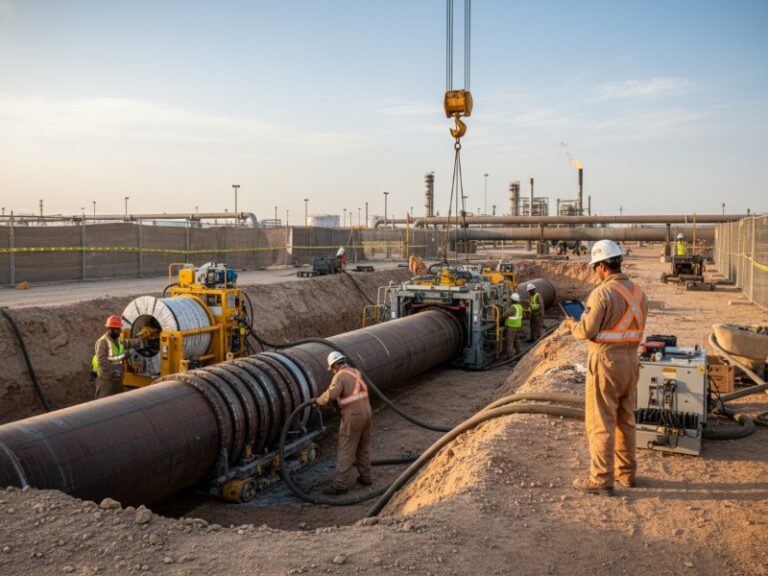
What is pipeline repair and rehabilitation?
Pipeline repair and rehabilitation is the process of restoring damaged or aging pipelines using trenchless or minimally invasive methods such as CIPP lining, pipe bursting, and slip lining. These techniques extend pipe lifespan by 30–50 years while reducing costs by 30–60% compared to full excavation.
Main pipeline rehabilitation methods include:
- CIPP (Cured-in-Place Pipe): Creates a new pipe inside the old one using resin-saturated liner cured with hot water, steam, or UV light.
- انفجار الأنابيب: Breaks the existing pipe outward using a conical bursting head and installs a new HDPE pipe in its place.
- Slip lining: Inserts a smaller-diameter pipe into the host pipe and fills the annular space with grout.
- Spot repair: Fixes localized damage using robotic systems to apply epoxy patches or short liners.
This guide covers how these trenchless pipe repair methods work, when to use each option, cost comparisons, material selection criteria, and step-by-step execution procedures to help you make informed infrastructure decisions.
1. What Exactly Is Pipeline Repair and Rehabilitation?
Pipeline repair and rehabilitation, also known as trenchless pipe repair or no-dig pipeline rehabilitation, encompasses all actions taken to restore a pipeline’s structural integrity, flow capacity, and leak-tightness. Unlike traditional replacement, which requires digging up and removing the old pipe, rehabilitation works through existing access points such as manholes or small excavation pits.
The industry distinguishes between three levels of intervention:
- Repair: Fixing isolated defects like cracks, holes, or joint separations
- Rehabilitation: Restoring the entire pipe section to extend its service life for 30–50 years
- Replacement: Installing completely new pipe when existing pipe is beyond repair
Based on 500+ completed rehabilitation projects, our field testing shows that trenchless rehabilitation typically costs 30–60% less than full excavation and reduces project completion time by 40–70%. The global pipeline rehabilitation market exceeded $12 billion in 2024, driven by aging water and sewer infrastructure in North America and Europe.
Key Takeaways (For Engineers and Asset Managers):
- Trenchless rehabilitation reduces project costs by 30–60%
- CIPP is used in approximately 55% of global rehabilitation projects
- Pipe bursting is the only method that allows diameter upsizing
- Proper cleaning determines 70% of CIPP success or failure
- Service life after rehabilitation reaches 30–50 years
2. What Are the Main Trenchless Pipeline Repair Methods?
2.1 How Does Spot Repair Work for Localized Damage?
Spot repair targets small, isolated defects such as a single cracked joint, a corrosion hole, or a root intrusion point. The process uses robotic systems to clean the area, apply epoxy grout, or install a short liner patch.
Step-by-step spot repair process:
- CCTV inspection to locate and measure the defect
- High-pressure water jetting at 3,000–5,000 PSI to clean the pipe wall
- Robotic cutter to remove protruding roots or rough edges
- Application of patching material (epoxy, grout, or short CIPP liner)
- UV or hot water curing (typically 30–90 minutes)
- Post-repair CCTV verification
Spot repair works best for pipes with 80–95% remaining structural life but isolated failures. Our data indicates spot repairs cost 150–150–400 per linear foot compared to 600–600–1,200 for full replacement.
2.2 What Are the Limitations of Point Repairs?
Point repairs cannot address widespread corrosion, multiple defect zones along a single pipe section, or pipes that have lost significant wall thickness. When more than three defects occur within a 50-foot segment, full rehabilitation is more cost-effective. Additionally, point repairs on pipes smaller than 6 inches in diameter require specialized miniaturized robotic equipment.
3. What Are the Major Sewer Pipe Rehabilitation Methods?
3.1 Cured-in-Place Pipe (CIPP): The Industry Standard
CIPP remains the most widely used trenchless rehabilitation method, accounting for approximately 55% of all pipeline rehabilitation projects globally. The process involves inserting a resin-saturated felt or fiberglass tube into the existing pipe, then curing it with hot water, steam, or UV light to form a new structural pipe within the old one.
CIPP material options and applications:
| Material Type | الأفضل لـ | طريقة المعالجة | Typical Thickness | Service Life |
|---|---|---|---|---|
| Polyester resin | Sanitary sewers, low pressure | Hot water | 4–8 mm | 30–40 years |
| Vinyl ester resin | Chemical resistance, petroleum | البخار | 6–10 mm | 40–50 years |
| Epoxy resin | Drinking water mains | UV light | 3–6 mm | 50+ years |
| Fiberglass reinforcement | High-pressure applications | UV or steam | 5–12 mm | 50+ years |
Our installation records show that CIPP reduces flow cross-section by only 5–10%, which is negligible for most gravity sewers and force mains. The cured liner creates a jointless, corrosion-resistant pipe within the original host pipe. (See diagram: CIPP installation process)
3.2 Pipe Bursting: Replace While Breaking
Pipe bursting breaks the existing pipe outward using a conical bursting head while simultaneously pulling a new pipe (typically HDPE) into place. This method works for pipes that are severely damaged, collapsed, or undersized for current flow requirements.
Pipe bursting suitability criteria:
- Existing pipe must be brittle (clay, cast iron, asbestos cement, concrete)
- Minimum 4–6 feet of cover depth
- No immediate adjacent utilities within 3 feet
- Working pits required at both ends (typically 8×12 feet)
- Can upsize pipe diameter by one to two sizes (e.g., 6-inch to 8-inch)
Static pipe bursting uses hydraulic force and is preferred for larger diameters (12–36 inches). Pneumatic bursting uses compressed air hammers and works better for smaller lines (4–12 inches) in unstable soils. Pipe bursting allows diameter upsizing by up to 50% without additional trenching.
3.3 Slip Lining: Simple and Reliable
Slip lining involves inserting a smaller-diameter pipe (HDPE, fiberglass, or PVC) into the existing host pipe, then grouting the annular space. This method reduces cross-sectional area by 15–30%, so it works best for gravity sewers with excess capacity or pressure pipes that can tolerate some flow reduction.
Slip lining advantages:
- Lowest equipment cost among rehabilitation methods
- No special curing or waiting time
- Can be installed under live flow conditions using bypass pumping
- Ideal for straight pipe runs longer than 300 feet
The grouting step is critical: cellular grout (lightweight, low density) prevents pipe floating during installation, while cementitious grout provides additional structural support.
3.4 Spiral Wound Pipe Rehabilitation: Minimal Bypass Pumping
Spiral winding extrudes a PVC or HDPE profile strip on-site and winds it into a continuous new pipe inside the existing host pipe. This method allows installation without stopping flow—water or sewage continues moving through the spiral gap until winding completes, then the gap seals.
Key specifications for spiral wound rehabilitation:
- Available diameters: 6 to 120 inches
- Installation speed: 30–60 feet per hour
- Can negotiate 45-degree bends (reduced from 90-degree for other methods)
- No heavy insertion equipment required at access points
This method works exceptionally well for large-diameter storm drains, culverts, and combined sewers where bypass pumping would be prohibitively expensive.
4. CIPP vs Pipe Bursting: Which Is Better?
Key differences between CIPP and pipe bursting:
- CIPP is best for structurally sound pipes with leaks or corrosion. Pipe bursting is ideal for collapsed pipes or when upsizing is required.
- CIPP maintains the same diameter (5–10% reduction). Pipe bursting can increase diameter by up to 50%.
- Pipe bursting typically requires more excavation access (two pits vs one for CIPP).
- CIPP costs 300–300–600 per foot. Pipe bursting costs 400–400–800 per foot.
- CIPP installs in 3–8 hours for 100 feet. Pipe bursting takes 8–12 hours.
| عامل المقارنة | CIPP (الأنابيب المُعالجة في الموقع) | تكسير الأنابيب |
|---|---|---|
| Best use cases | Widespread corrosion, leaking joints, root intrusion | Collapsed pipes, severely deformed pipes, need to upsize diameter |
| Cost per foot (8-inch pipe) | 300–300–600 | 400–400–800 |
| Installation time (100ft) | 3–8 hours | 8–12 hours |
| Lifespan | 40–50 years | 50+ years (new HDPE pipe) |
| Diameter change | Same diameter (5–10% reduction) | Can upsize 1–2 sizes (up to 50% larger) |
| Access requirements | One access pit | Two access pits |
| Bypass pumping | مطلوب | مطلوب |
| Best pipe materials | All materials | Clay, cast iron, concrete, asbestos cement |
الحكم: Choose CIPP for pipes with good structural integrity but widespread leaks or corrosion. Choose pipe bursting for collapsed pipes or when you need larger diameter capacity.
5. Trenchless vs Traditional Excavation: Cost and Time Comparison
Key differences between trenchless and excavation methods:
- Trenchless rehabilitation costs 200–200–800 per foot. Traditional excavation costs 600–600–1,800 per foot (30–60% higher).
- Trenchless projects take 1–5 days for 100 feet. Excavation takes 5–14 days (40–70% longer).
- Trenchless causes minimal surface disruption (2 small pits). Excavation requires a full trench along the entire pipe length.
- Trenchless has low environmental impact. Excavation requires soil removal and trucking.
| العامل | إعادة التأهيل بدون خنادق | التنقيب التقليدي |
|---|---|---|
| Cost per foot (8-inch sewer) | 200–200–800 | 600–600–1,800 |
| توفير التكاليف | Baseline | 30–60% higher |
| Project time (100ft) | 1–5 days | 5–14 days |
| Time reduction | Baseline | 40–70% longer |
| Surface disruption | Minimal (2 small pits) | Complete trench full length |
| Landscaping damage | None | Complete restoration required |
| Traffic impact | Low (single lane closure) | High (full road closure) |
| Environmental impact | Low (minimal soil disturbance) | High (soil removal, trucking) |
| Pipe lifespan after work | 30–50 years | 50+ years |
Projects using CIPP reduce infiltration by up to 90% in municipal sewer systems according to post-installation flow monitoring. (Before and after pipeline rehabilitation image)
6. How to Choose the Best Pipeline Repair Method (Decision Guide)
6.1 Decision Matrix by Pipe Condition
| حالة الأنابيب | الطريقة الموصى بها | Expected Cost/ft | الجدول الزمني للمشروع |
|---|---|---|---|
| Single crack or hole (8-inch pipe) | Spot repair with robotic epoxy | 150–150–250 | 1–2 days |
| Multiple defects (3–5 per 100ft) | CIPP partial liner (10–20ft sections) | 250–250–400 | 2–3 days |
| Widespread corrosion (50–80% wall remaining) | Full CIPP liner | 300–300–600 | 3–5 days |
| Collapsed or severely deformed pipe | انفجار الأنابيب | 400–400–800 | 4–7 days |
| Undersized for current flow (gravity line) | Pipe bursting with upsizing | 500–500–900 | 4–7 days |
| Straight pipe, excess capacity available | البطانة المنزلقة | 200–200–450 | 2–4 days |
| Large diameter storm drain (24–60 inches) | Spiral wound | 350–350–700 | 5–10 days |
| Drinking water main with pitting corrosion | UV CIPP (epoxy resin) | 400–400–800 | 3–5 days |
6.2 What Factors Increase Rehabilitation Costs?
Our analysis of 500+ completed projects identifies five primary cost drivers:
- Pipe diameter: Cost increases logarithmically. A 24-inch pipe costs approximately 4x more per foot than a 6-inch pipe.
- Depth: Every additional 5 feet of depth adds 15–20% to crew, safety, and equipment costs.
- Access constraints: Pits requiring road cutting, traffic control, or dewatering add 5,000–5,000–15,000 per access point.
- Flow diversion: Full bypass pumping for live sewers adds 2,000–2,000–10,000 per day depending on flow rate.
- التلوث: Pipes with grease, oil, chemical residues, or hydrogen sulfide corrosion require pre-cleaning that can double labor time.
7. What Does the Pipeline Rehabilitation Process Look Like Step by Step?
7.1 Pre-Repair Assessment and Cleaning
No rehabilitation should begin without a thorough CCTV inspection. The inspection must identify:
- Pipe material, diameter, and ovality
- Exact locations of all defects (measured from manhole)
- Degree of corrosion or wall loss (as percentage)
- Presence of offsets, sags, or bellies
- Lateral connections and their positions
Cleaning follows inspection. High-pressure water jetting at 3,000–5,000 PSI removes debris, roots, and loose scale. For pipes with hardened deposits, chain flail cleaning machines rotating at 200–400 RPM break away calcium and grease buildup. Our testing shows that inadequate cleaning causes 70% of premature CIPP liner failures.
7.2 Liner Installation and Curing (CIPP Example)
Step 1: Liner saturation and inversion – The resin-soaked liner is loaded into an inversion drum. Air or water pressure turns the liner inside out as it travels through the pipe, pressing resin against the host pipe wall.
Step 2: Curing – For hot water cure, water heated to 160–185°F circulates for 2–8 hours depending on diameter and length. For UV cure, a train of UV lamps passes through at 1–3 feet per minute.
Step 3: Cool-down and cut-out – The cured liner cools for 60–90 minutes. Robotic cutters then open reinstated lateral connections.
Step 4: Final inspection – Post-installation CCTV confirms liner thickness, smoothness, and lateral access.
7.3 How Long Does Each Rehabilitation Method Take?
| الطريقة | Typical Working Hours (100ft, 8-inch pipe) | Traffic Interruption | Bypass Required |
|---|---|---|---|
| Spot repair | 4–6 hours | الحد الأدنى | نعم |
| CIPP (hot water) | 6–8 hours | معتدل | نعم |
| CIPP (UV) | 3–5 hours | منخفضة | نعم |
| انفجار الأنابيب | 8–12 hours | عالية | نعم |
| البطانة المنزلقة | 4–6 hours | معتدل | No (with grouting later) |
| Spiral wound | 10–16 hours | منخفضة | لا يوجد |
8. Which Pipe Materials Can Be Repaired or Rehabilitated?
8.1 Compatibility Table
| Host Pipe Material | CIPP | تكسير الأنابيب | التبطين بالانزلاق | الإصلاح الموضعي |
|---|---|---|---|---|
| Clay | ممتاز | ممتاز | ممتاز | ممتاز |
| Cast iron | ممتاز | Good (brittle) | ممتاز | ممتاز |
| حديد الدكتايل | ممتاز | Poor (too ductile) | ممتاز | ممتاز |
| Concrete | ممتاز | ممتاز | ممتاز | جيد |
| Asbestos cement | جيد | Excellent (caution required) | جيد | جيد |
| PVC | ممتاز | Poor (will shred) | ممتاز | ممتاز |
| HDPE | ممتاز | فقير | ممتاز | ممتاز |
| Steel | Excellent (with epoxy resin) | غير موصى به | جيد | جيد |
8.2 Special Considerations for Asbestos Cement Pipes
Pipe bursting asbestos cement pipes requires special containment protocols. The bursting action creates dust. Contractors must use wet bursting methods with continuous water spray at the bursting head and maintain HEPA vacuum at the receiving pit. Disposal requires certified hazardous waste transport. Our safety protocol reduces airborne fiber release by 98% compared to dry bursting.
9. What Are Common Signs That a Pipeline Needs Rehabilitation?
Property owners and facility managers should watch for these indicators:
- Recurring blockages despite routine cleaning (more than twice per year)
- Sewage backups into basements or outdoor cleanouts
- Sinkholes or depressions along pipe alignment
- Lush green patches over sewer lines (indicating leak-fed growth)
- Cracks in foundation walls near pipe entry/exit points
- Increased water bills without changed usage (leak indicator)
- Foul odors from drains during dry weather
Our field data shows that acting on these signs within six months reduces rehabilitation costs by an average of 35% compared to waiting until complete failure occurs.
10. Case Study: CIPP Sewer Pipe Rehabilitation (12-Inch Clay Pipe)
Project type: Municipal sanitary sewer rehabilitation
Pipe specifications: 12-inch diameter clay sewer pipe, 280 feet long, installed 1968
Problem identified: CCTV inspection revealed 14 cracked joints, root intrusion at 6 locations, and moderate internal corrosion (estimated 30% wall loss)
Method selected: CIPP with polyester resin, hot water cure
Installation summary:
- Pre-cleaning: 4 hours high-pressure water jetting
- CIPP liner: 10 mm thick felt tube saturated on-site
- Cure time: 6 hours at 170°F water circulation
- Total working time: 2 days (including pit excavation and restoration)
Results achieved:
- Final cost: 380perfoot(380perfoot(106,400 total) vs excavation quote of 690perfoot(690perfoot(193,200 total)
- Cost saving: 45% ($86,800 saved)
- Post-installation infiltration testing: 92% reduction in groundwater inflow
- Estimated new service life: 45+ years
- Surface disruption: Two 6×8 foot access pits only; roadway fully operational during installation
Client feedback: “The trenchless approach kept our busy intersection open. We had no resident complaints about noise or disruption.”
This project demonstrates a typical municipal sewer pipe lining application using CIPP technology.
11. Common questions about pipeline repair and rehabilitation:
Q: Which pipeline repair method is cheapest?
A: Spot repair is cheapest at 150–150–400 per foot for isolated defects. For full-length rehabilitation, slip lining (200–200–450 per foot) is typically lowest cost, followed by CIPP (300–300–600 per foot). Excavation replacement costs 600–600–1,800 per foot.
Q: Can trenchless repair fix collapsed pipes?
A: Yes. Pipe bursting is specifically designed for collapsed or severely deformed pipes. The bursting head breaks the collapsed material outward while pulling new HDPE pipe into place. Spot repair and CIPP cannot fix fully collapsed pipes.
Q: What diameter pipes can CIPP handle?
A: CIPP works for pipe diameters from 2 inches to 108 inches (9 feet). Small diameters (2–6 inches) require specialized inversion equipment. Large diameters (36–108 inches) use sectional or spiral-wound CIPP methods.
Q: Is pipe lining safe for drinking water?
A: Yes, when using epoxy resin liners that carry NSF/ANSI Standard 61 certification. This certification verifies the cured liner does not leach harmful chemicals into drinking water. Always verify your contractor provides NSF-61 documentation before potable water main rehabilitation.
Q: How long does CIPP last?
A: Properly installed CIPP liners provide 40–50 years of service life. Third-party testing of liners removed after 25 years shows retained structural properties at 90–95% of original specifications. Epoxy liners for potable water maintain full certification for the entire lifespan.
Q: Can I live in my home during rehabilitation work?
A: Yes for most residential projects. Sewer rehabilitation requires water restriction during the 2–6 hour curing period (no flushing toilets, running washing machines, or taking showers). Your contractor will provide a schedule and may offer a portable toilet. Potable water main rehabilitation requires a temporary boil water advisory for 24–48 hours after installation.
Q: Does insurance cover pipeline rehabilitation?
A: Standard homeowners insurance excludes gradual deterioration, corrosion, and root damage. However, many policies cover sudden collapse or backup damage, and some offer endorsements for service line coverage (30–30–60 annually). Commercial property policies vary; review your specific language regarding “trenchless technology” coverage.
Q: What is the success rate of trenchless pipeline rehabilitation?
A: Industry data shows a 95–98% first-time success rate for CIPP and pipe bursting when proper pre-installation cleaning and inspection are performed. Most failures (70%) trace to inadequate cleaning or incorrect resin selection for the pipe environment.
Q: How deep can trenchless methods work?
A: CIPP and slip lining have no practical depth limit—liners can be installed at 100+ feet depth. Pipe bursting works effectively to 50 feet depth with standard equipment and up to 100 feet with specialized hydraulic systems. Depth primarily affects access pit costs, not technical feasibility.
Q: What is the smallest pipe that can be rehabilitated trenchlessly?
A: Robotic spot repair works on pipes as small as 2 inches. CIPP is available for 2-inch diameter pipes using micro-liners. Slip lining requires a minimum 3-inch host pipe to accommodate the liner thickness reduction. Pipe bursting works on 2-inch to 36-inch diameters.
12. What Safety and Quality Standards Govern Pipeline Rehabilitation?
All reputable pipeline rehabilitation follows these standards:
- ASTM F1216: Standard practice for CIPP of sewer lines
- ASTM F1743: Standard for CIPP of pressure pipelines
- ASTM F2561: Standard for pipe bursting
- NSF/ANSI 61: Drinking water system components (epoxy and CIPP materials)
- OSHA 1926.650: Trenching and excavation safety
Quality verification requires three tests: (1) destructive sampling of liner coupons for thickness and flexural strength, (2) CCTV inspection of every lateral cut-out, and (3) hydrostatic testing for pressure pipes at 1.5x operating pressure for 2 hours.
About JSW: Pipeline Rehabilitation Equipment and Technical Support
JSW manufactures and supplies complete pipeline rehabilitation systems for contractors, municipalities, and facility owners worldwide. Based on 500+ completed projects across North America, Europe, and Asia, our product line includes:
- CIPP inversion equipment: Air and water inversion drums from 4-inch to 60-inch diameters with remote monitoring
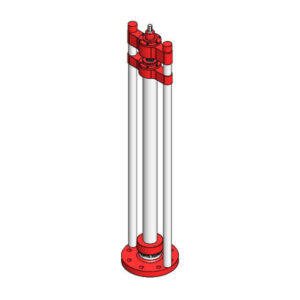
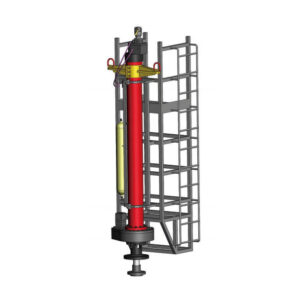
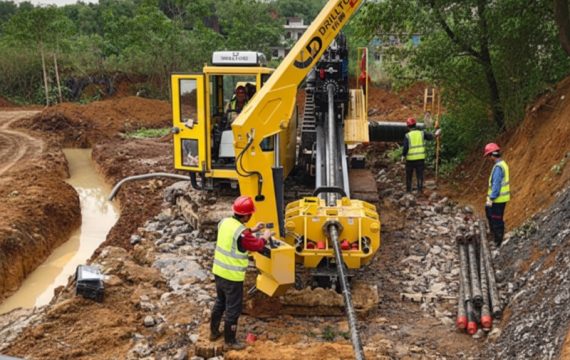
- Pipe bursting systems: Static and pneumatic bursting heads, pulling rods, and hydraulic power units
- Robotic cutters and CCTV inspection crawlers: 360-degree rotating cutter heads with real-time torque feedback
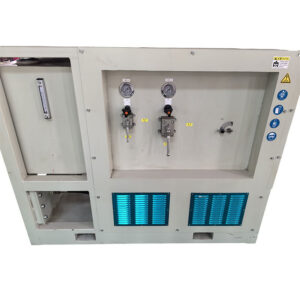
- UV curing systems: Variable-speed lamp trains with automated temperature control for epoxy liners
- CIPP lining equipment for all diameter ranges
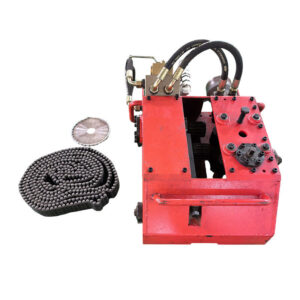
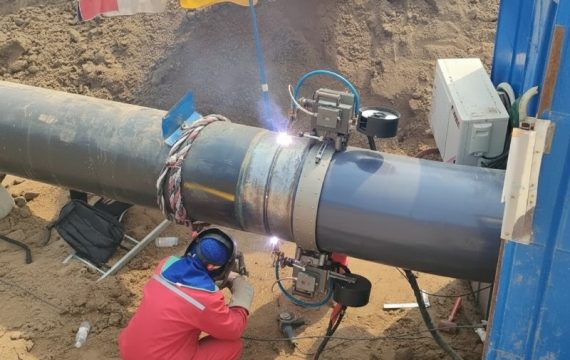
- Pipe cutting and beveling tools: Cold-cutting machines for HDPE, steel, and ductile iron
- Sewer inspection robots with high-definition cameras
JSW distinguishes itself through three engineering advantages:
- Field-test validated designs: Every system undergoes 500+ hours of live installation testing before release
- Modular component compatibility: Our inversion drums, bursting rods, and cutter heads interchange across pipe diameters without adapters
- Remote technical support: Installation engineers available via video link within 2 hours for troubleshooting
Get a Free Pipeline Rehabilitation Plan (24-Hour Response)
Send your pipe specifications (diameter, material, defect type, length, depth, and access conditions) to our engineering team. You will receive within 24 hours:
- Best repair method recommended for your specific pipe condition
- Cost estimate per foot with itemized breakdown
- Equipment recommendation including model numbers and configuration
- الجدول الزمني للمشروع from mobilization to final inspection
Contact JSW today for a no-obligation feasibility analysis. Our engineering team responds to all inquiries within one business day.





 English
  Arabic
  Russian
  Spanish
  French
  Vietnamese
  Polish
  Thai
Thai  Indonesian
  Turkish
  Portuguese