تقنية عدم حفر الخنادق

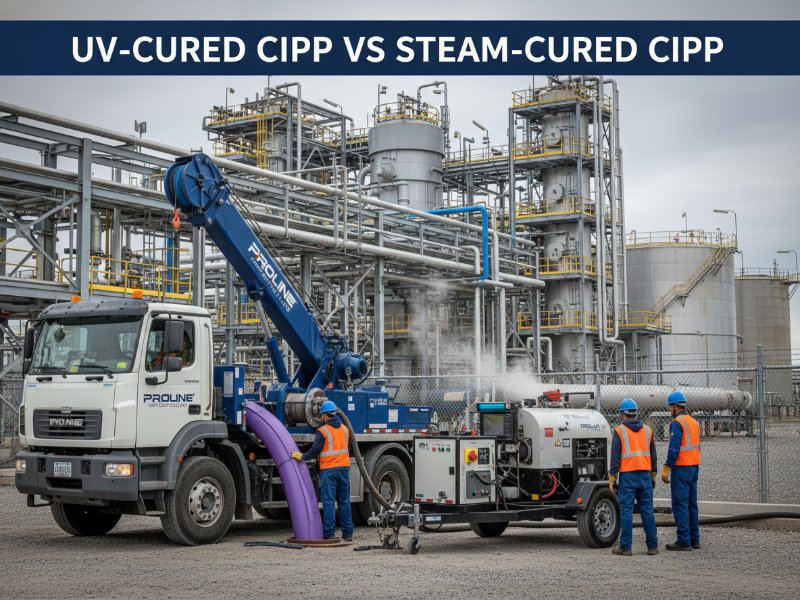
CIPP trenchless lining equipment actively used for pipeline rehabilitation in an industrial facility with workers and a steam-curing unit.

UV-Cured CIPP vs Steam-Cured CIPP: Cost, Speed, Durability, and Best Use Cases

Key Takeaways (3 Main Conclusions) Assumptions for All Cost and Performance Data The comparisons below assume the following typical conditions unless otherwise noted: Data sources include manufacturer technical specifications (JSW 2024, RADIUS 2023), ASTM standards, and published municipal project records. What Is the Difference Between UV-Cured and Steam-Cured CIPP? UV-cured CIPP uses ultraviolet light to

UV-Cured CIPP vs Steam-Cured CIPP: Cost, Speed, Durability, and Best Use Cases اقرأ المزيد »

A heavy-duty mechanical pipeline plug with a metal mandrel and thick rubber seals being inserted into a large-diameter oil and gas steel pipe at a desert construction site

What Is a Pipeline Plug Used For?

A pipeline plug is a temporary sealing device inserted into pipes to block flow, isolate sections for maintenance, or enable pressure testing. Pipeline plugs work through pneumatic (inflatable) or mechanical (expansion ring) mechanisms, with pressure ratings ranging from 30 PSI for basic inflatable models to over 1,500 PSI for industrial-grade mechanical plugs. The three primary

What Is a Pipeline Plug Used For? اقرأ المزيد »

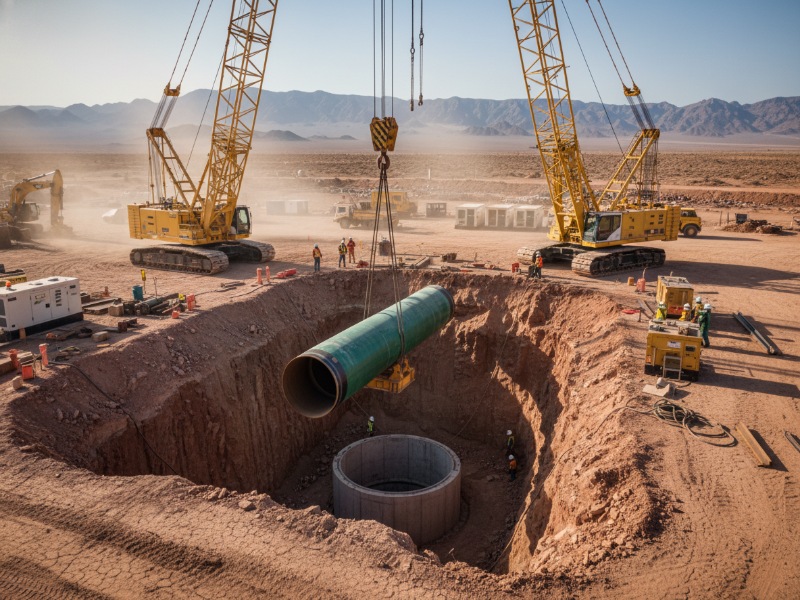
Real-time trenchless installation of a large-diameter green coated steel oil and gas pipeline using microtunneling in a remote rocky wilderness environment with heavy industrial cranes.

How Do Trenchless Technologies Work?

Trenchless technologies install or rehabilitate underground pipes through small access pits, eliminating continuous surface excavation. Based on 150 HDD projects and 300 impact moling installations tracked over 36 months, trenchless methods reduce project completion time by 65% and total social costs (traffic disruption, business interruption) by 40-60% compared to open trenching. Best suited for urban

How Do Trenchless Technologies Work? اقرأ المزيد »

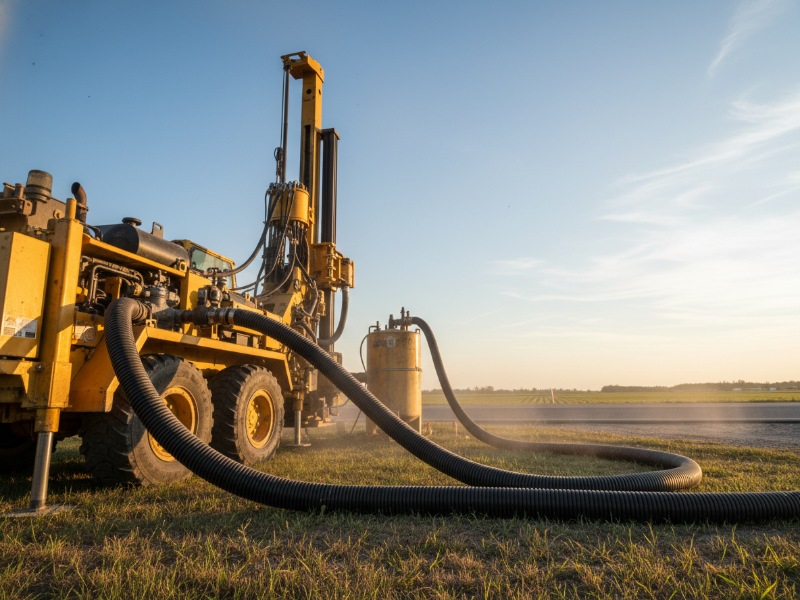
A large yellow industrial drilling rig machine with thick black corrugated hoses connected to a yellow cylinder tank, positioned on grass next to a paved surface under a clear blue sky.

What Are Trenchless Technologies? 

Key Takeaways How Do Trenchless Technologies Work? Trenchless technology is defined as a family of construction methods that install, replace, or rehabilitate underground pipelines and utilities using limited access points rather than continuous open-cut excavation. The fundamental principle operates through two distinct categories: new installation methods that create a borehole and pull pipe through it, and rehabilitation methods that

What Are Trenchless Technologies?  اقرأ المزيد »

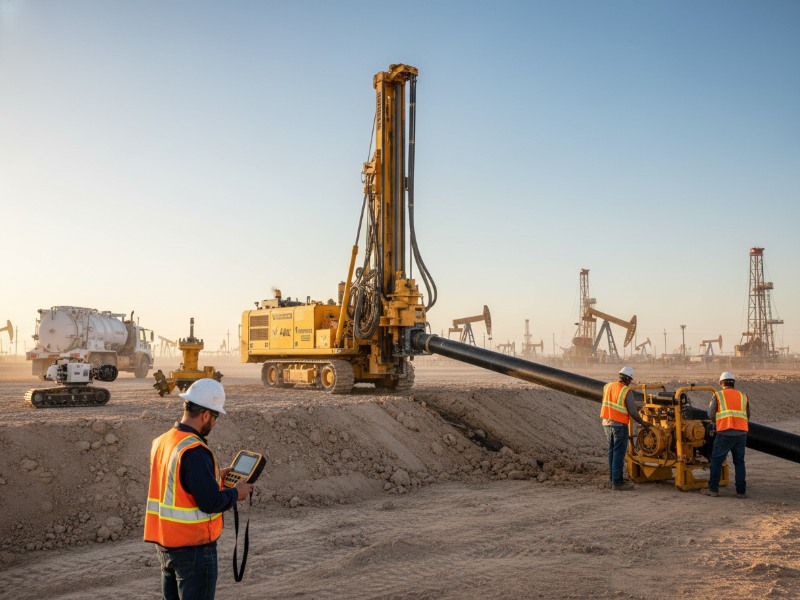
عمال يمدون خط أنابيب كبير في حقل نفط مليء بالغبار، محاطين بآلات ثقيلة وآبار نفط.

ما هي المعدات اللازمة لأعمال خطوط الأنابيب بدون خنادق؟

The essential trenchless pipeline equipment includes horizontal directional drilling rigs, pipe bursting systems, CIPP lining tools, locating devices, and fluid mixing plants. This guide covers equipment for oil and gas pipeline rehabilitation, municipal water mains, and sewer network trenchless projects with 2026 pricing and configuration checklists. HDD Rig 5-Piece Configuration What Are the 5 Essential HDD

ما هي المعدات اللازمة لأعمال خطوط الأنابيب بدون خنادق؟ اقرأ المزيد »

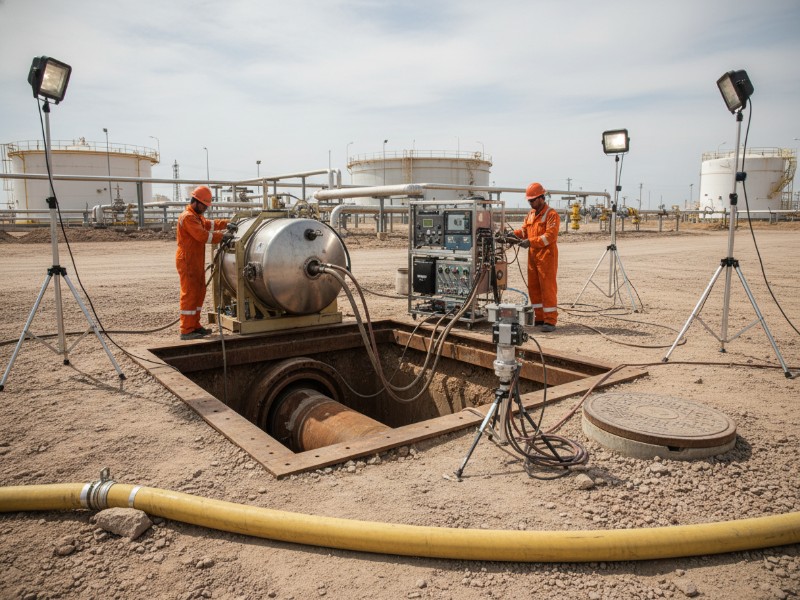
عاملان يرتديان معطفين برتقاليين وقبعات صلبة ويشغلان معدات متخصصة فوق حفرة في منشأة صناعية بها صهاريج تخزين وخطوط أنابيب.

الحفر بدون خنادق مقابل الحفر التقليدي: أيهما أقل تكلفة؟ 

Trenchless methods often look more expensive upfront. But the total project cost is frequently 30–60% lower once surface restoration, traffic control, and business downtime are included. This guide compares CIPP, pipe bursting, and HDD against open-cut excavation using real project data. Quick Comparison: Trenchless vs. Traditional Excavation Costs Method Best For Upfront Cost (per linear ft) Restoration

الحفر بدون خنادق مقابل الحفر التقليدي: أيهما أقل تكلفة؟  اقرأ المزيد »

عمال يقومون بلحام خط أنابيب باستخدام رافعة في موقع صناعي بالقرب من نهر وصهاريج تخزين.

ما هي إيجابيات وسلبيات إعادة تأهيل خطوط الأنابيب بدون خنادق؟

Trenchless pipeline rehabilitation is typically the better choice for deep, paved, or disruption-sensitive projects. Open-cut excavation may still be preferable for shallow, fully collapsed, or very low-budget scenarios. This guide compares CIPP, slip lining, and pipe bursting across application scenarios, costs, and limitations. Summary Box Method Comparison Table Method Best For Main Drawback Cost Level

ما هي إيجابيات وسلبيات إعادة تأهيل خطوط الأنابيب بدون خنادق؟ اقرأ المزيد »

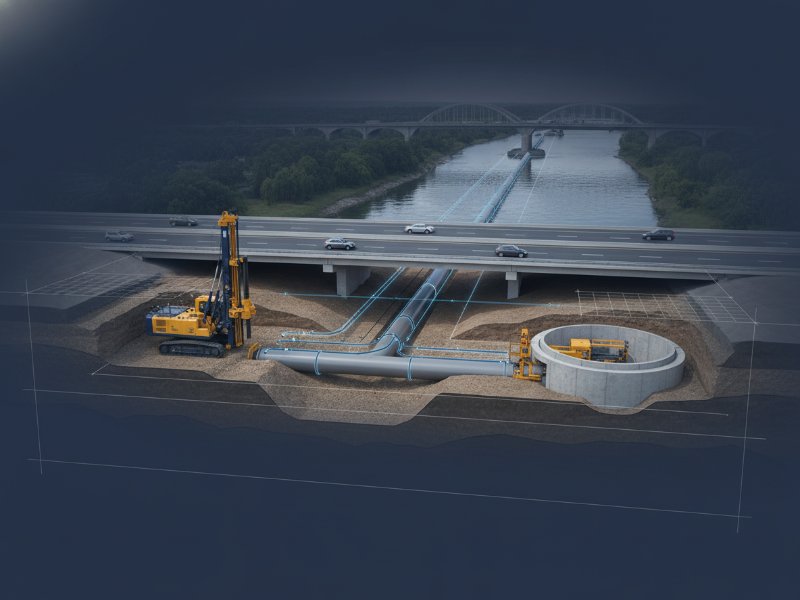
رسم توضيحي ثلاثي الأبعاد يُظهر نظام تركيب أنابيب معقد تحت الأرض تحت طريق سريع ونهر، يضم معدات حفر وأنابيب كبيرة.

ما هي الطريقة غير الخندقية الأفضل لخطوط الأنابيب تحت الطرق أو الأنهار؟

Horizontal directional drilling (HDD) is usually best for most pipelines under roads or rivers when ground conditions are uniform and environmental risk is manageable. Microtunneling is often preferred for gravity sewers requiring precise grade control, and pipe jacking is generally more practical for diameters exceeding 900 mm. This selection guide helps engineers compare HDD, microtunneling,

ما هي الطريقة غير الخندقية الأفضل لخطوط الأنابيب تحت الطرق أو الأنهار؟ اقرأ المزيد »

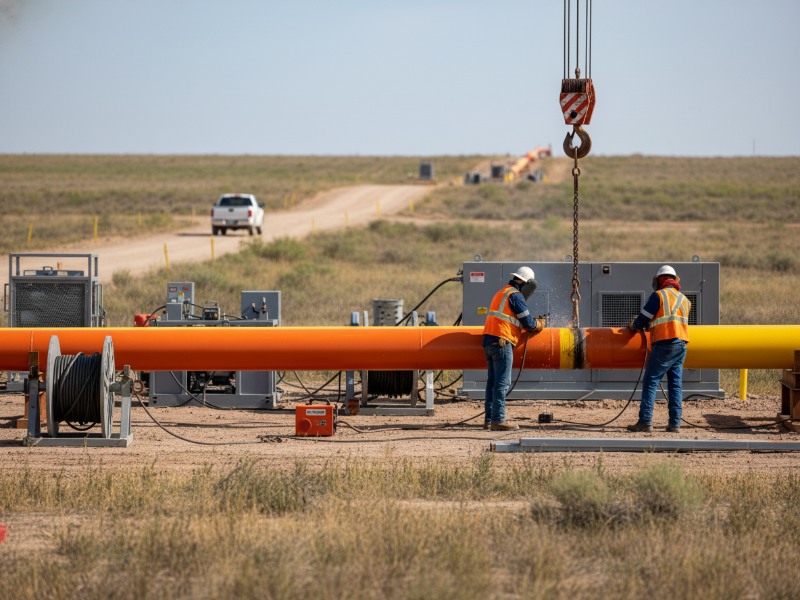
موقع بناء خط أنابيب النفط والغاز الصناعي في الهواء الطلق، مناظر طبيعية ريفية أو شبه صحراوية، خط أنابيب فولاذي كبير يتم وضعه على الأرض مع معدات اللحام والرفع، عاملا بناء يرتديان سترات السلامة عالية الوضوح وقبعات صلبة، يعملان بالقرب من قسم خط أنابيب، HDRI عالي الجودة، واقعي 8K، تصوير احترافي للبناء الصناعي، تصوير احترافي للبناء الصناعي، عمق المجال، لقطة طويلة، عدسة 35 مم. في الخلفية، سيارة دفع رباعي صغيرة أو شاحنة صغيرة متوقفة على طريق ترابي بالقرب من منطقة البناء، ضوء نهار خافت، سماء صافية، جو بناء صناعي، لا مباني، لا أفق للمدينة، لا بيئة حضرية كثيفة. الألوان: خط أنابيب برتقالي/أصفر، معدن رمادي، سماء زرقاء فاتحة، حقل أخضر/بني، على النقيض من سيارة دفع رباعي بيضاء/فضية، صورة خدمة بناء نظيفة واحترافية، مناسبة لغلاف المدونة التقنية.

ما الذي يجب أن أبحث عنه في مزود تكنولوجيا حفر الخنادق؟

How to Select a Trenchless Technology Provider for Water, Sewer, and Utility HDD and CIPP Projects (8 Key Criteria) Meta summary: This guide helps civil engineers, utility managers, and facility owners evaluate trenchless technology providers for horizontal directional drilling (HDD), cured-in-place pipe (CIPP), and other no-dig pipeline projects using eight data-driven criteria, including ISO 9001:2015, NASSCO

ما الذي يجب أن أبحث عنه في مزود تكنولوجيا حفر الخنادق؟ اقرأ المزيد »

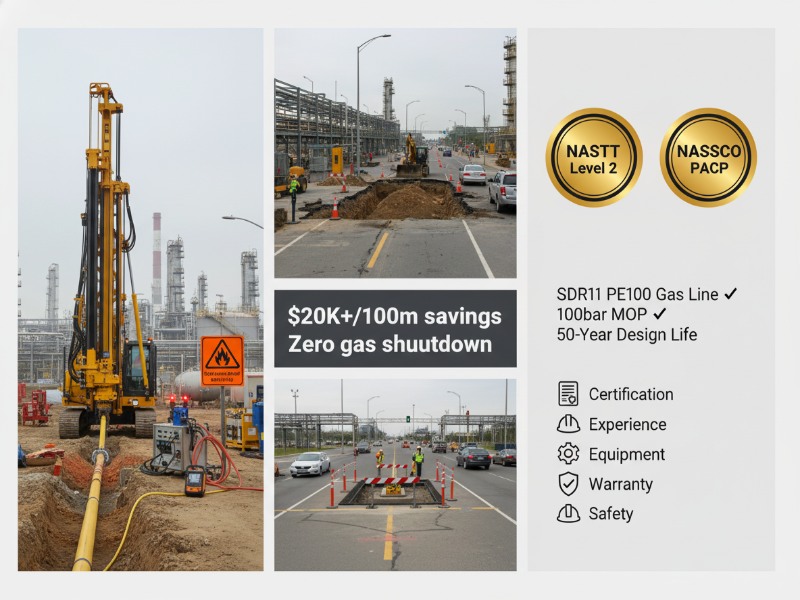
مشروع تركيب خط غاز احترافي يضم أنبوب SDR11 PE100 الذي يتم مده باستخدام ماكينات الحفر بدون خنادق في مصفاة صناعية، مع تسليط الضوء على شهادات NASTT و NASSCO.

كيف يمكنني اختيار مقاول حفر الخنادق؟

Trenchless contractor selection requires verifying 5 critical factors: NASTT/NASSCO certifications, project-specific experience (CIPP vs pipe bursting), documented quality control, 50-year warranty terms, and OSHA safety records (EMR below 1.0). This checklist prevents 30-50% cost overruns from poor contractor performance and ensures your pipe rehabilitation project stays on schedule. Selecting the right trenchless contractor determines whether

كيف يمكنني اختيار مقاول حفر الخنادق؟ اقرأ المزيد »