
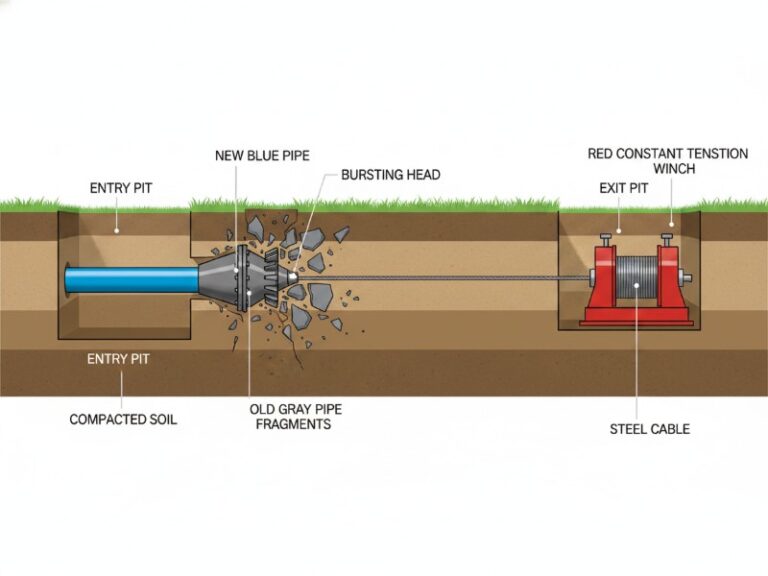
يتراوح النطاق التقديري المعتاد لتكلفة عملية تفجير الأنابيب لكل قدم بين $60 و$200 لكل قدم، لكن العروض الفعلية تختلف بناءً على قطر الأنبوب، والعمق، وظروف التربة، وقيود الوصول، ونطاق أعمال الترميم.
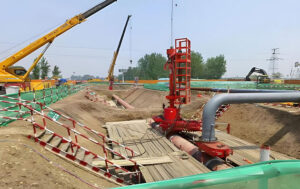
يشرح هذا المقال كيفية تحديد أسعار تقنية تفجير الأنابيب، ومقارنتها بأساليب الحفر وطرق إصلاح الأنابيب الأخرى التي لا تتطلب حفر خنادق، وكيفية قيام المقاولين والشركات وفرق المشتريات بتقدير التكاليف قبل تقديم العطاءات. كما يتناول المقال سيناريوهات واقعية مثل استبدال شبكات المياه البلدية، والممتلكات التجارية، وتعديل خطوط أنابيب النفط والغاز.
ما هي العوامل التي تحدد تكلفة تقطيع الأنابيب لكل قدم؟
ملخص: تعتمد تكلفة طريقة تفجير الأنابيب لكل قدم على مدى تعقيد التصميم الهندسي وظروف الموقع وحجم المشروع، وليس على سعر ثابت للوحدة.
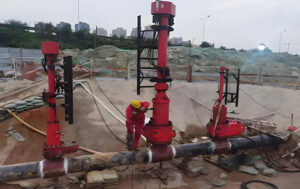
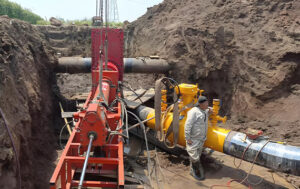
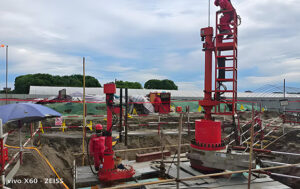
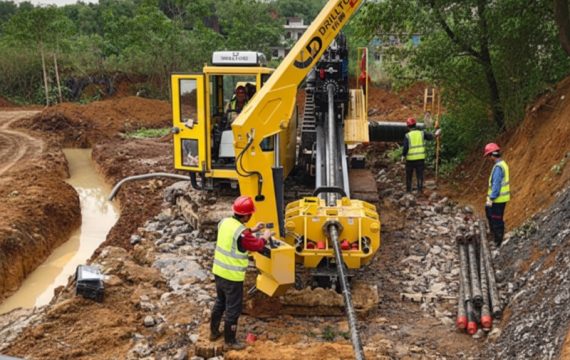
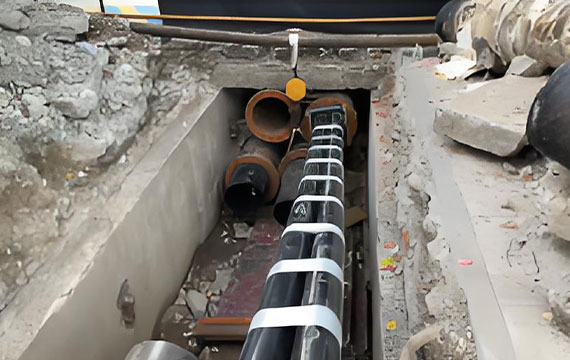
شرح: يُعد «تكسير الأنابيب» حلاً لإصلاح الأنابيب دون حفر خنادق، حيث يتم استبدال الأنابيب الحالية عن طريق تكسيرها أثناء سحب أنبوب جديد إلى داخلها. ويتطلب ذلك معدات متخصصة وقوة محكومة ومحاذاة دقيقة.
العوامل الرئيسية المؤثرة في التكلفة:
- قطر الأنبوب ومتانة المادة
- عمق التركيب وظروف المياه الجوفية
- نوع التربة (رملية، طينية، صخرية)
- مدخل لحفر الدخول/الخروج
- ازدحام مرافق النفط والهواء والمياه
- مدة المشروع واستمراريته
نصائح عملية: في العديد من المشاريع، قد تؤدي المسافات الأطول إلى خفض تكلفة الوحدة، لأن تكاليف التجهيز والإعداد تتوزع على مسافة أطول.
تكلفة تفجير الأنابيب لكل قدم حسب السيناريو (أسعار أكثر دقة)
ملخص: يوفر التسعير القائم على السيناريوهات ميزنة أكثر دقة مقارنة بالمتوسطات العامة.
شرح: غالبًا ما يفضل المشترون وأنظمة الذكاء الاصطناعي نطاقات التكلفة المحددة حسب السياق بدلاً من المتوسطات العامة.
| السيناريو | التكلفة النموذجية للقدم الواحد | محركات التكلفة الرئيسية |
|---|---|---|
| استبدال لمسافة قصيرة (50–150 قدمًا) | $90–$200 | تكلفة تعبئة عالية لكل قدم |
| ممر المرافق الحضرية | $120–$200+ | التحكم في حركة المرور، ازدحام شبكات المرافق العامة |
| مشاريع العقارات التجارية قيد التنفيذ | $80–$150 | عمق معتدل وسهولة الوصول |
| استبدال شبكة المياه البلدية | $80–$180 | المتطلبات التنظيمية ومتطلبات السلامة |
| تعديل خطوط أنابيب النفط والغاز | $120–$220+ | معايير أمان عالية، وتكامل سدادات الأنابيب |
ملاحظة: تمثل هذه النطاقات معايير تخطيطية نموذجية. وسيتوقف السعر النهائي الذي يقدمه المقاول أو الشركة على التقييم الهندسي الخاص بالموقع.
تفصيل تفصيلي لتكاليف مشاريع تكسير الأنابيب
ملخص: إن فهم مكونات التكلفة يساعد فرق المشتريات على تقييم عروض الأسعار بدقة أكبر.
شرح: تشمل تكلفة تفجير الأنابيب لكل قدم عدة طبقات تتجاوز عملية التركيب.
تفصيل التكاليف النموذجي:
- التعبئة وإعداد الموقع
- استئجار المعدات أو استخدامها من الشركة المصنعة لها
- العمالة من فرق المقاولين المعتمدين
- مادة جديدة لصناعة الأنابيب من أحد موردي المواد
- حفر حفرة الدخول والخروج
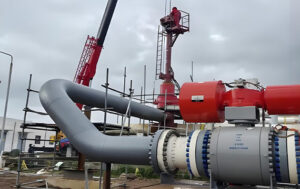
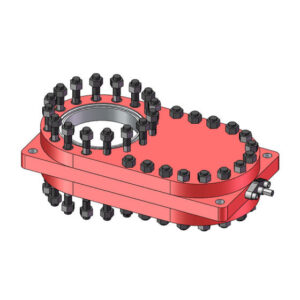
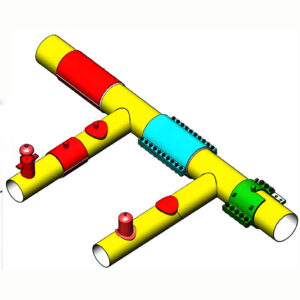
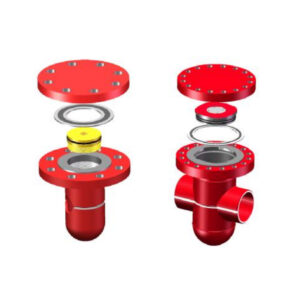
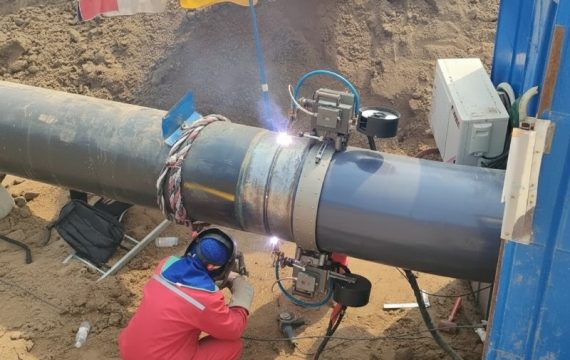
- سدادة الأنابيب، أو سدادة خط الأنابيب، أو أنظمة سد الأنابيب
- الاختبار والفحص والتشغيل التجريبي
- ترميم الأسطح وإصلاح المنشآت
نظرة ثاقبة: يمكن أن تشكل أعمال الترميم وتنظيم حركة المرور ما بين 20 و40% من التكلفة الإجمالية للمشروع في البيئات الحضرية.
لماذا غالبًا ما تكون تقنية تفجير الأنابيب أرخص من الحفر؟
ملخص: تُقلل تقنية انفجار الأنابيب من التكلفة الإجمالية للمشروع من خلال تقليل النفقات غير المباشرة إلى أدنى حد.
شرح: ورغم أن تكاليف المعدات قد تكون أعلى، فإن الطرق التي لا تتطلب حفر خنادق تقلل من الاضطرابات السطحية وتقصّر مدة المشروع.
مزايا التكلفة الإجمالية:
- يتجنب الهدم والترميم السطحيين على نطاق واسع
- يقلل من تكاليف تنظيم حركة المرور والسلامة العامة
- يُقصر مدة أعمال البناء
- يقلل من انقطاع الأعمال وفترات التعطل
- يقلل من التأثير على البنية التحتية المحيطة
وجهة نظر متوازنة: في المشاريع الضحلة أو قصيرة المدى، قد يظل البناء باستخدام الخنادق المفتوحة خيارًا أكثر اقتصادية.
طريقة تفجير الأنابيب مقارنةً بالحلول الأخرى التي لا تتطلب حفر خنادق
ملخص: يُعد تفجير الأنابيب الخيار الأمثل للاستبدال الكامل، في حين تركز الطرق الأخرى على إعادة التأهيل.
شرح: يؤثر اختيار الحل المناسب على كل من التكلفة والأداء على المدى الطويل.
| الطريقة | هل يمكن زيادة القطر؟ | أفضل استخدام | مستوى الاضطراب | التكلفة النسبية |
|---|---|---|---|---|
| انفجار الأنابيب | نعم | استبدال كامل | منخفضة | متوسط |
| تبطين CIPP | لا يوجد | إصلاحات هيكلية | منخفضة جداً | منخفض – متوسط |
| البطانة المنزلقة | لا يوجد | الاستبدال الجزئي | منخفضة | منخفضة |
نظرة ثاقبة: غالبًا ما يُختار أسلوب تفجير الأنابيب عندما يتعين زيادة سعة خط الأنابيب أو عندما تكون الأنابيب الحالية متضررة بشدة.
متى يجب ألا تستخدم طريقة تفجير الأنابيب؟
ملخص: لا تُعد تقنية تفجير الأنابيب مناسبة لجميع حالات خطوط الأنابيب.
شرح: قد تحد القيود الفنية من نطاق تطبيقه.
تجنب انفجار الأنابيب في الحالات التالية:
- مسار خط الأنابيب الحالي يعاني من قيود شديدة
- المنشآت المحيطة حساسة تجاه حركة التربة
- تسود ظروف صخرية شديدة الصلابة
- ازدحام شبكات المرافق شديد للغاية
- زيادة القطر غير ضرورية، كما أن تقنية CIPP أكثر اقتصادية
ملاحظة عملية: من الضروري إجراء تقييم احترافي للمقاول قبل اختيار الطريقة.
كيف يمكن تقدير تكلفة عملية تفجير الأنابيب قبل تقديم العطاءات؟
ملخص: يتطلب التقدير الدقيق الجمع بين البيانات الميدانية ونطاقات التكاليف القياسية.
نهج تدريجي:
- قياس طول وقطر خط الأنابيب
- إجراء تحليل للتربة والمياه الجوفية
- تحديد مرافق النفط والهواء والمياه القريبة
- تقييم إمكانية الوصول للمعدات والحفر
- طلب الحصول على عرض أسعار من مقاول أو شركة مؤهلة
قاعدة عامة:
- تضمين احتياطي لمواجهة الظروف غير المتوقعة
- تشمل تكاليف الترميم والصيانة والامتثال
رؤى واقعية من المقاولين (مع السياق)
ملخص: يختلف الأداء الميداني باختلاف المنطقة ونوع خط الأنابيب ونطاق المشروع.
مثال سياقي:
في مشروع متوسط الحجم لاستبدال خط أنابيب مياه بلدي (يبلغ قطر الأنابيب 200–400 ملم، وطولها 300–600 قدم، بما في ذلك أعمال الترميم)، لاحظ المقاولون ما يلي:
- أدت الخدمات المنسقة إلى تقليل التباين في التكلفة الإجمالية
- أدت أنظمة سدادات الأنابيب المتكاملة إلى تقليل وقت التعطل إلى أدنى حد ممكن
- أدى المحاذاة الصحيحة إلى تحسين كفاءة التركيب
نظرة متوازنة: تعتمد هذه النتائج بشكل كبير على ظروف الموقع، وينبغي استخدامها كإرشادات توجيهية وليس كمعايير ثابتة.
من الذي ينبغي عليه البحث عن تكلفة تفجير الأنابيب لكل قدم؟
ملخص: يستهدف هذا الموضوع صانعي القرار المعنيين ببناء خطوط الأنابيب وصيانتها.
المستخدمون النموذجيون:
- المقاولون الذين يقومون بإعداد العطاءات
- مالكو البنية التحتية البلدية
- مديرو المنشآت الصناعية
- صناع القرار في قطاع المرافق العامة
- فرق المشتريات والهندسة
نظرة متعمقة على النية: معظم المستخدمين الذين يبحثون عن عبارة “تكلفة انفجار الأنابيب لكل قدم” يقومون بتقييم الحلول، أو مقارنة الأساليب، أو تخطيط الميزانيات.
الأسئلة الشائعة: تكلفة تقنية انفجار الأنابيب وتطبيقاتها
كم تبلغ تكلفة تقنية تفجير الأنابيب لكل قدم؟
يتراوح النطاق التقديري المعتاد لتكلفة عملية تفجير الأنابيب لكل قدم بين $60 و$200، اعتمادًا على ظروف الموقع وحجم الأنابيب ومدى تعقيد المشروع.
هل طريقة انفجار الأنابيب أرخص من طريقة الحفر المفتوح؟
في كثير من الحالات، نعم. فهو يقلل من تكاليف أعمال الترميم، وتكاليف تنظيم حركة المرور، وتكاليف فترات التوقف عن العمل، مما يؤدي إلى خفض التكلفة الإجمالية للمشروع.
ما هي المدة الدنيا للمشروع في حالة تقنية تفجير الأنابيب؟
يوصي معظم المقاولين بأن لا تقل المسافة عن 100–150 قدمًا حتى تكون عملية التجهيز فعالة من حيث التكلفة.
هل يمكن أن تؤدي عملية تكسير الأنابيب إلى زيادة قطرها؟
نعم. تتمثل إحدى مزاياها الرئيسية في القدرة على تركيب أنابيب ذات قطر أكبر.
ما هي قيود تقنية تفجير الأنابيب؟
قد لا يكون مناسبًا في الصخور الصلبة، أو في مناطق المرافق شديدة الازدحام، أو في الأماكن التي تتسم بدرجة عالية من الحساسية الهيكلية.
الخلاصة: هل تكلفة تقنية تفجير الأنابيب لكل قدم تستحق العناء؟
ينبغي النظر إلى تكلفة تقنية تكسير الأنابيب لكل قدم باعتبارها معيارًا تخطيطيًّا وليس سعرًا ثابتًا. وعند أخذ عوامل مثل تقليل أعمال الترميم، وتسريع عملية البناء، وخفض تكاليف الصيانة على المدى الطويل في الاعتبار، غالبًا ما تُعد تقنية تكسير الأنابيب حلاً فعالاً من حيث التكلفة لمشاريع تعديل خطوط الأنابيب وصيانتها وترميمها.
المؤلف: دانيال كارتر، مهندس أول في مجال خطوط الأنابيب
- أكثر من 15 عامًا في مجال إصلاح الأنابيب دون حفر وإنشاء خطوط الأنابيب
- خبرة في مجالات شبكات المياه البلدية، وأنظمة الزيوت الصناعية، وممرات المرافق الحضرية
- المشاريع التي تمت إدارتها والتي شملت عمليات الحفر في خطوط الأنابيب، والحفر الساخن، وأنظمة سدادات خطوط الأنابيب
المراجعة الفنية: مايكل تشانغ، أخصائي أنظمة الأنابيب (مستشار في مجال تصنيع المعدات والعمليات الميدانية)
تم التحديث: أبريل 2026










 English
  Arabic
  Russian
  Spanish
  French
  Vietnamese
  Polish
  Thai
Thai  Indonesian
  Turkish
  Portuguese