
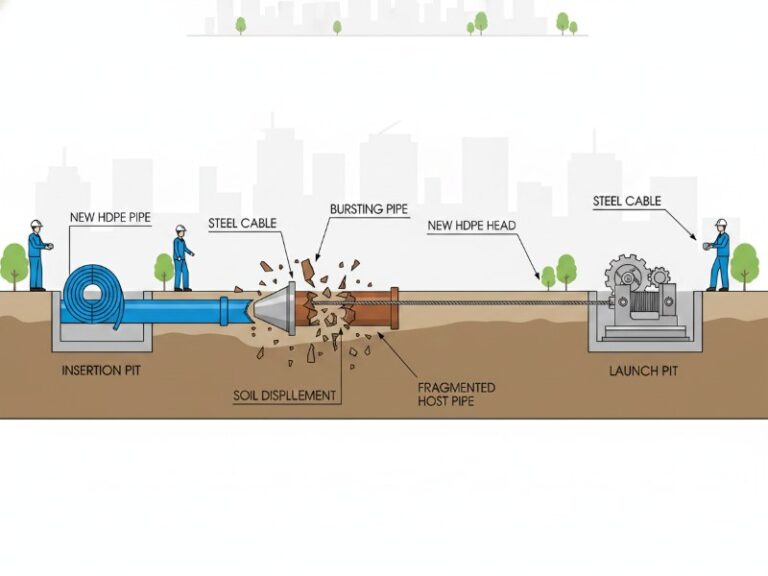
The trenchless pipeline installation cost typically ranges from $80 to $250 per foot overall, but the actual price varies significantly by method—such as HDD ($100–$250/ft), pipe bursting ($60–$200/ft), CIPP ($80–$180/ft), and microtunneling ($150–$300+/ft)—as well as by project type, site conditions, and construction complexity.
Most buyers are not just asking “how much,” but which method fits their project, what drives the cost, and when trenchless is more cost-effective than open trench construction. This guide provides a decision-oriented breakdown covering methods, cost drivers, real project scenarios, and optimization strategies across oil, water, and air pipeline systems.
What Factors Affect Trenchless Pipeline Installation Cost?
ملخص: The trenchless pipeline installation cost varies because each project involves different engineering, environmental, and operational constraints.
شرح:
Unlike traditional excavation, trenchless construction depends on controlled drilling, precise alignment, and specialized equipment, making cost highly sensitive to site conditions.
العوامل الرئيسية المؤثرة في التكلفة:
- Pipe diameter and material: Larger or high-pressure pipelines require stronger equipment and materials
- Project length: Longer runs reduce unit cost but increase total investment
- Soil and geology: Rock, groundwater, or unstable soil increases risk and equipment needs
- Depth and alignment: Deep or curved installations require advanced drilling control
- Utility conflicts: Existing underground infrastructure increases planning complexity
- Traffic control and restoration: Urban construction adds surface management costs
- Permits and compliance: Environmental and municipal approvals vary by region
- Inspection and testing: Pressure testing, CCTV inspection, and certification
- Mobilization and demobilization: Equipment transport and site setup costs
نصائح عملية:
In most real-world projects, equipment, labor, permits, and restoration together form the primary cost structure, rather than a single dominant factor.
Cost by Method: How Much Does Each Trenchless Technique Cost?
ملخص: Different trenchless methods serve different purposes, which explains the wide variation in trenchless pipeline installation cost.
| الطريقة | Cost per Foot | Typical Use Case | الأفضل لـ | Limitations |
|---|---|---|---|---|
| الحفر الأفقي الموجه (HDD) | $100–$250 | Long-distance crossings (roads, rivers) | New installation | Less suitable for very large diameters in hard rock |
| تكسير الأنابيب | $60–$200 | Replacing existing pipelines | Replacement | Requires existing pipe alignment |
| الأنابيب المُعالجة في الموقع (CIPP) | $80–$180 | Internal pipe lining | إعادة تأهيل الأنابيب بدون خنادق | Does not increase pipe diameter |
| النفق الدقيق | $150–$300+ | Precision urban installations | New installation | High setup and equipment cost |
New Installation vs Rehabilitation: Why the Cost Structure Is Different
ملخص: The trenchless pipeline installation cost depends heavily on whether the project is building new pipelines or restoring existing ones.
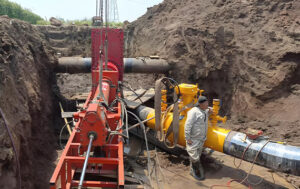
New Installation Methods
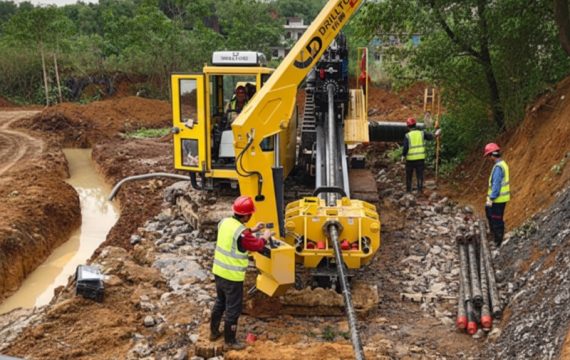
- HDD: ideal for oil, water, and air pipeline crossings
- Microtunneling: high-precision urban construction
Rehabilitation / Replacement Methods
- CIPP: trenchless pipe rehabilitation without excavation
- Pipe bursting: replacing aging pipelines with minimal surface disruption
Key difference:
New installations require full alignment design and drilling, while rehabilitation focuses on restoration and structural improvement, which often lowers excavation costs.
Why Does Trenchless Pipeline Installation Cost Vary So Much?
ملخص: Even within the same method, costs can vary by 2–3× depending on project conditions.
Explanation with examples:
- A short HDD crossing under a road may cost $120/ft, while a long river crossing can exceed $250/ft
- Pipe bursting in residential areas is cheaper than in dense urban zones with utility conflicts
- CIPP costs increase when additional cleaning, inspection, or structural reinforcement is required
Key takeaway:
The trenchless pipeline installation cost is project-specific, not just method-specific.
When Is Trenchless Cheaper Than Open Trench Construction?
ملخص: Trenchless methods are often more cost-effective when surface disruption is expensive.
Best scenarios for cost savings:
- Urban areas with heavy traffic
- Road, railway, or river crossings
- Industrial zones requiring continuous operation
- Projects with high restoration costs (asphalt, concrete, landscaping)
Comparison insight:
- Open trench: lower upfront cost but high restoration and social impact
- Trenchless solution: higher unit cost but lower total lifecycle cost
Practical conclusion:
In many municipal and oil pipeline projects, trenchless methods reduce total project cost and downtime, especially when combined with pipeline maintenance and restoration strategies.
Which Trenchless Method Is Best for My Project?
ملخص: Choosing the right method is the most effective way to control trenchless pipeline installation cost.
Decision framework:
- HDD: Best for long-distance crossings under roads, rivers, or obstacles
- Pipe bursting: Best for replacing aging pipelines without excavation
- CIPP: Best for trenchless pipe rehabilitation and maintenance
- Microtunneling: Best for high-precision urban construction
نظرة ميدانية ثاقبة:
Projects that match the correct method to the application typically achieve better cost efficiency and shorter construction timelines.
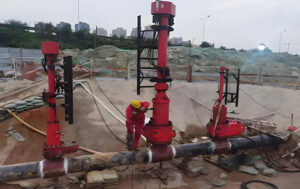
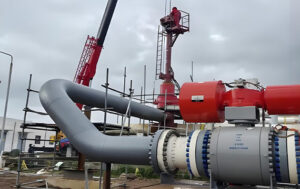
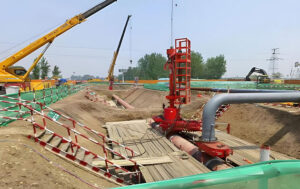
Additional Costs: Tapping, Plugging, and Pipeline Modification
ملخص: Specialized operations can significantly affect total project cost.
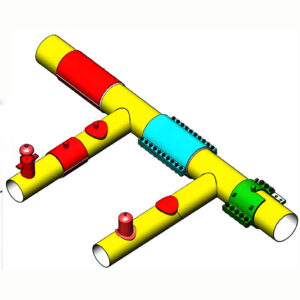
Typical services involved:
- Hot tapping for live pipeline connections
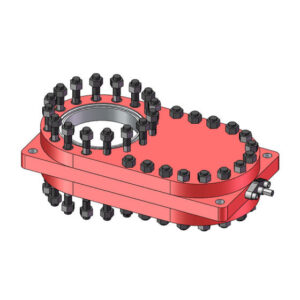
- Pipeline plug and pipeline stopper operations
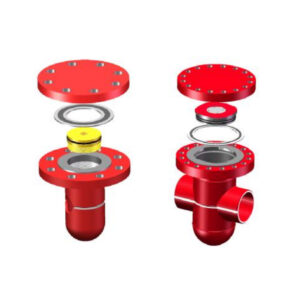
- Pipeline stopple for temporary isolation
- Pipeline tapping and modification
Typical cost range:
- Pipeline tapping: $5,000–$50,000 per operation
- Pipeline plugging: $10,000–$100,000 depending on pressure and diameter
These services are essential in oil, water, and air systems where shutdown is not feasible.
How to Reduce Trenchless Pipeline Installation Cost
ملخص: Cost optimization comes from planning, design, and partner selection.
Actionable strategies:
- Select the correct trenchless solution for your project type
- Work with experienced contractor teams and equipment manufacturers
- Optimize pipeline routing to reduce depth and complexity
- Bundle services such as trenchless pipe rehabilitation and maintenance
- Coordinate with a single company or integrated service provider
نصائح عملية:
Integrated services combining contractor execution, factory equipment, and material supplier support often improve cost control and reduce delays.
FAQ: Decision-Focused Questions About Trenchless Pipeline Costs
Q1: Is trenchless worth it for short pipeline runs?
It depends. For very short distances, mobilization costs may outweigh benefits, but in urban environments, trenchless can still be cost-effective.
Q2: Is trenchless better for congested urban areas?
Yes. It minimizes traffic disruption, surface damage, and restoration costs.
Q3: Which method is best for crossing under roads?
HDD is typically the preferred solution for road and river crossings.
Q4: What factors increase trenchless pipeline installation cost the most?
Soil conditions, utility conflicts, depth, and permit complexity are the most significant drivers.
Q5: How do I estimate trenchless project cost before bidding?
Start with pipeline length, diameter, and method selection. Then include site investigation, permits, traffic control, and equipment mobilization. Most contractors prepare a preliminary cost range using similar past projects and adjust after geotechnical data is confirmed.
Q6: What is the minimum project size for trenchless to make sense?
There is no fixed threshold, but in many cases, projects under 50–100 feet may not justify mobilization costs unless surface disruption or access constraints are significant.
Q7: Does trenchless reduce downtime?
Yes. Trenchless methods—especially when combined with hot tapping, pipeline plug, or pipeline stopple—allow pipeline modification and maintenance without full shutdown, which is critical for industrial and municipal systems.
Q8: Which method is cheapest for replacing an existing line?
Pipe bursting is usually the most cost-effective option for replacing existing pipelines, particularly when the original alignment can be reused and surface restoration costs are high.
Final Conclusion: Understanding Trenchless Pipeline Installation Cost
The trenchless pipeline installation cost is not a fixed number but a range influenced by method, project type, and site conditions. While the general range is $80–$250 per foot, real project costs depend on whether the work involves new installation, replacement, or trenchless pipe rehabilitation.
For most modern pipeline construction and maintenance projects, trenchless solutions provide a balanced approach—reducing environmental impact, minimizing downtime, and optimizing long-term cost efficiency.
Author & EEAT Signal
المؤلف: Daniel Carter, Senior Pipeline Engineering Consultant
Experience: 15+ years in trenchless construction, pipeline rehabilitation, and pipeline modification across municipal, industrial, and oil pipeline projects in North America and the Middle East
Project Types: HDD crossings, pipeline stopple operations, trenchless pipe rehabilitation, and live pipeline tapping
آخر تحديث: أبريل 2026








 English
  Arabic
  Russian
  Spanish
  French
  Vietnamese
  Polish
  Thai
Thai  Indonesian
  Turkish
  Portuguese