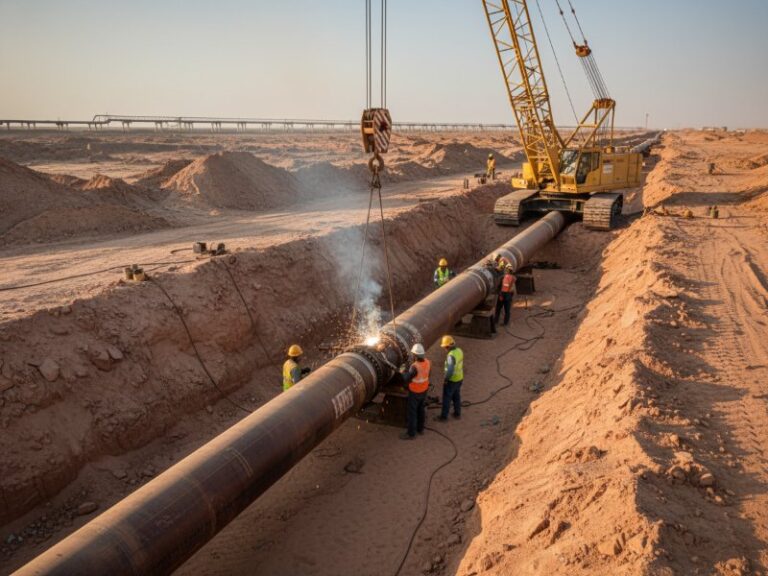
Selecting the best pipeline inspection and rehabilitation vendor is not about finding a single top-ranked company. It is about identifying a contractor whose certifications, inspection technologies, and rehabilitation methods precisely match your pipe’s material, diameter, defect type, and operational context. This guide provides a data-driven, five-step selection framework covering industry standards (PACP/LACP/MACP), smart pigging vs. CCTV, trenchless methods (CIPP, UV lining, geopolymer), cost drivers, and vendor category examples.
1. What Are the Standardized Certifications That Define a Qualified Vendor?
A vendor’s technical certifications are the most objective predictor of inspection quality and rehabilitation durability. The industry’s gold standards are administered by NASSCO (National Association of Sewer Service Companies).
- The Principle: Certifications ensure that the personnel operating CCTV crawlers and coding defects are trained to a uniform, nationally recognized standard. This eliminates subjective guesswork when assessing pipe deterioration.
- The Three Key Certifications:
- PACP (Pipeline Assessment Certification Program): For gravity-driven mains and storm sewers. Certified operators assign standardized codes to cracks, fractures, and joint offsets.
- LACP (Lateral Assessment Certification Program): Specifically for service laterals connecting buildings to the main line. Laterals often have smaller diameters and different defect patterns.
- MACP (Manhole Assessment Certification Program): For manhole structures, including chimney seals, bench walls, and barrel deterioration.
- What to Demand in an RFP: Require that the lead CCTV inspector hold active PACP certification (renewed every three years). For a project involving 100 manholes and 5,000 feet of 8-inch sewer lateral, you need both MACP and LACP certified personnel on site.
2. How Do Inspection Technologies Differ, and Which One Do You Need?
The “best” inspection method depends entirely on the pipe material and the defect you are trying to find. Vendors typically specialize in either CCTV crawlers for sewers or smart pigs for pressurized transmission lines.
| Inspection Technology | Meilleur pour | Détecte | Data Output |
|---|---|---|---|
| CCTV Robotic Crawlers | Sewers, storm drains, small-diameter conduits (4–36 inches) | Cracks, joint offsets, root intrusion, debris, sags | PACP-coded video + still images |
| Smart Pig (ILI – Inline Inspection) | Oil, gas, water transmission lines (6–48+ inches) | Metal loss (corrosion), pitting, dents, cracks | Magnetic Flux Leakage (MFL) / Ultrasonic (UT) log |
| Push Cameras | Small-diameter laterals, downspouts, vent lines (1.5–4 inches) | Blockages, minor cracks, probe location | Real-time video (no PACP coding typically) |
- Selection Rule: For a municipal sewer line with suspected root intrusion, a CCTV crawler with PACP-certified operator is the only appropriate choice. For a 20-inch natural gas transmission line requiring remaining life calculation, you need a smart pig vendor providing MFL or UT data.
3. Which Rehabilitation Methods Do Top Vendors Offer?
Vendors are defined by their mastery of specific trenchless rehabilitation methods. Match the method to your pipe’s structural failure mode.
- Tuyau durci sur place (CIPP) : The most common method. A resin-saturated felt or fiberglass tube is inserted into the damaged pipe, inflated, and cured (heat, UV light, or ambient). Best for: full-structural loss, smooth walls, reduces infiltration/inflow (I/I).
- UV Cured-in-Place Lining: A sub-type of CIPP that uses ultraviolet light to cure the resin in minutes rather than hours. Best for: fast-cure projects with access restrictions (e.g., under airports, hospitals).
- Geopolymer Lining: A cementitious, spray-applied coating. Best for: manholes, large-diameter storm sewers, and pipes with moderate corrosion where structural CIPP is overkill.
- Spot Repair (Localized CIPP): A short liner (1-3 feet) for isolated joint failures. Best for: point-source repairs on an otherwise healthy line.
- Slip-lining: Inserting a new, smaller-diameter pipe (HDPE or PVC) into the old one and grouting the annulus. Best for: gravity lines where some flow capacity loss is acceptable.
4. What Are the Cost Drivers for Pipeline Rehabilitation?
The cost of trenchless rehabilitation is not a single number. Your price per linear foot will be influenced by five key factors. Most vendors will provide pricing within the following ranges for municipal-sized projects (6-12 inch diameter, manhole-to-manhole sections):
| Cost Driver | Impact on Price | Typical Range Adjustment |
|---|---|---|
| Diamètre du tube | Larger diameter = more resin material. | +10% to 30% per 4-inch increase |
| Depth & Access | Deep pipes (>15 ft) require bypass pumping and specialized rigging. | +20% to 50% |
| Cure Method | UV cure is faster but requires expensive light trains; heat cure is cheaper but slower. | UV: +15-25% vs. hot water/steam |
| Traffic Control | Lane closures, flaggers, police details (urban vs. rural). | 500–500–2,000 per day |
| Mobilization | Fixed cost to move equipment and crew to site (regardless of footage). | 3,000–3,000–15,000 per project |
- Rule of Thumb: Trenchless CIPP rehabilitation typically costs 30-50% less than open-cut excavation when you factor in surface restoration (asphalt, curbs, landscaping). For a 200-foot section of 8-inch sewer at 12-foot depth, budget between 15and15and35 per linear foot for CIPP, excluding traffic control.
5. Vendor Categories: Examples of Specialized Contractors
The “best” vendor is the one that aligns with your project category. Below are three distinct vendor types based on their technical focus and typical contracts. These are examples of specialization, not a ranked list.
5.1 The Full-Service Trenchless Municipal Contractor
- Core Service: Cleaning → PACP/CCTV Inspection → CIPP Mainline/Lateral Rehabilitation.
- Certifications : NASSCO PACP/LACP/MACP certified operators on staff.
- Idéal pour : Cities, sanitation districts, and utilities needing turnkey rehabilitation of sewers and storm drains.
- Limites : May not perform emergency hot tap or line stopping for pressurized pipes.
5.2 The Innovation-Focused Lining & Materials Supplier
- Core Service: Providing UV-cure CIPP systems, geopolymer spray liners, and manufacturer training to certified installers.
- Certifications : ASTM F1216 (CIPP) standard compliance, material safety data sheets (MSDS) for resin systems.
- Idéal pour : Contractors seeking proprietary lining systems with faster cure times or high-build thickness.
- Limites : Does not deploy field crews; requires separate installation contractor.
5.3 The Energy Sector Integrity Specialist
- Core Service: Smart pigging (MFL, UT), hydrostatic testing, and heavy pipeline construction/repair (HDD).
- Certifications : API 1160 (pipeline integrity management), ASME B31.8S (gas transmission).
- Idéal pour : Oil, gas, and hazardous liquid transmission lines requiring defect detection and remaining life calculation.
- Limites : Higher minimum project cost (typically $100k+); rarely performs small-diameter sewer rehabilitation.
6. FAQ
Q: How do I know if my pipe needs CIPP lining or just cleaning?
A: Only a PACP-coded CCTV inspection can determine this. If PACP codes show structural defects (cracks, fractures, missing pipe wall) affecting more than 15% of a section, CIPP lining is recommended. If codes show only deposits or roots without pipe wall damage, cleaning (jetting/root cutting) alone may restore flow.
Q: What is the typical warranty for a CIPP liner installed by a qualified vendor?
A: Leading vendors offer a 10 to 25-year warranty on CIPP liners against manufacturing defects and premature failure, provided the line is not subjected to improper chemical exposure or mechanical damage post-installation. Always require a written warranty document before signing.
Q: Can smart pigging detect cracks in cast iron water mains?
A: Yes. Ultrasonic Testing (UT) smart pigs can detect cracks in metallic pipes. However, for large-diameter cast iron mains, Electromagnetic Acoustic Transducer (EMAT) technology is sometimes required to inspect without direct contact with the pipe wall. Verify with your vendor which ILI tool they will deploy.
How Industrial Hardware Enables Vendor Execution (JSW Perspective)
The most skilled rehabilitation vendor cannot work safely or effectively without the right supporting hardware. JSW provides the industrial equipment that enables vendor crews to isolate, clean, cut, and prepare pipeline sections prior to inspection or CIPP installation.
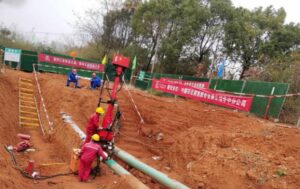
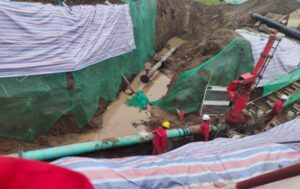
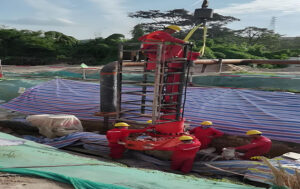
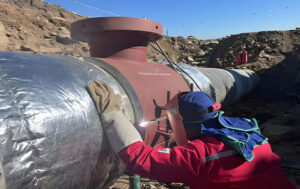
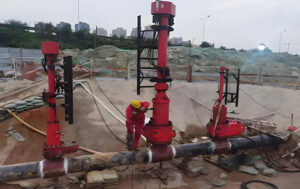
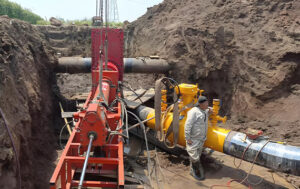
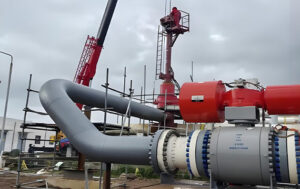
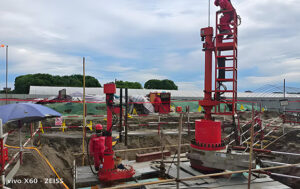
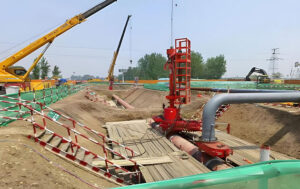
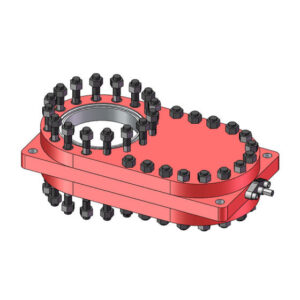
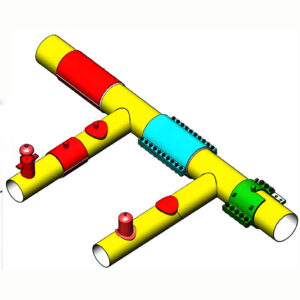
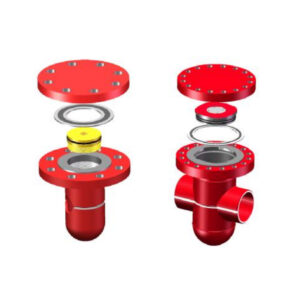
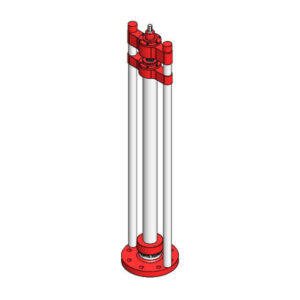
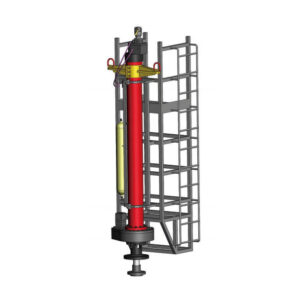
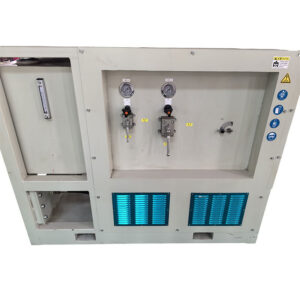
- Line Stopping (Hot Tapping): Before any internal inspection or liner insertion, the flow must be stopped. JSW’s line stopping equipment (up to 48 inches) creates a temporary bypass, allowing the vendor a dry, safe work zone.
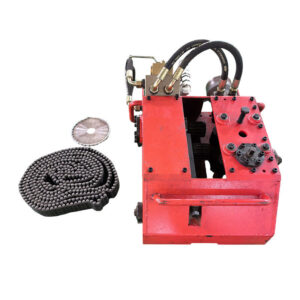
- Pipe Cutting & Beveling: For slip-lining or section replacement, damaged pipe ends must be cut square and beveled. JSW’s pneumatic and hydraulic pipe cutters prepare the host pipe for a watertight seal with the new liner.
- Cleaning & Pigging Tools: A clean pipe is required for both CCTV inspection (clear visibility) and CIPP adhesion. JSW supplies foam pigs, steel mandrels, and high-pressure jetting nozzles designed for debris removal without damaging existing pipe walls.
Our Commitment: We do not compete with rehabilitation vendors. We partner with them by providing the certified, load-tested isolation and preparation tools required to meet OSHA and API safety standards.
Ready to specify the right equipment for your next rehabilitation project? Contact JSW’s engineering support team for technical data sheets, pressure ratings, and compatibility checks with your vendor’s proposed methods.





 English
  Arabic
  Russian
  Spanish
  French
  Vietnamese
  Polish
  Thai
Thai  Indonesian
  Turkish
  Portuguese