
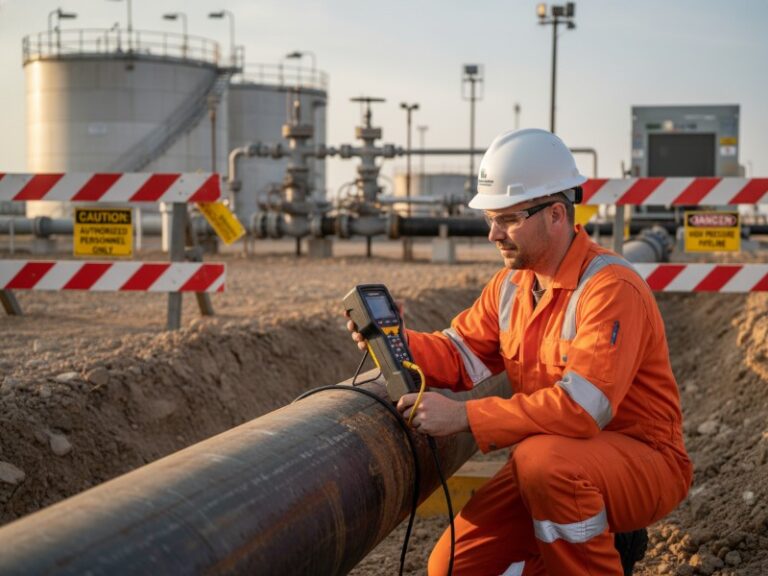
This guide explains the six main causes of pipeline deterioration, how each mechanism works, and how to prevent failure in aging pipeline systems.
What causes pipelines to deteriorate over time?
Pipelines deteriorate over time due to six primary mechanisms:
- Corrosion (internal and external chemical reactions)
- Fatigue from repeated pressure cycling
- Third-party mechanical damage (excavation, impacts)
- Stress corrosion cracking (SCC) (combined stress and environment)
- Microbiologically influenced corrosion (MIC) (bacterial attack)
- Erosion from high-velocity flow or abrasive particles
Among these, corrosion alone accounts for nearly 50% of all pipeline failures globally. Understanding these mechanisms helps operators prevent leaks, extend asset service life, and reduce maintenance costs.
In real-world pipeline systems, these failure mechanisms rarely occur independently. Corrosion can initiate fatigue cracks, while mechanical damage can accelerate localized corrosion, creating compounded failure risks.
1. Corrosion in Pipelines (Leading Cause of Failure)
Definition: Corrosion is an electrochemical process where metal reacts with its environment, causing gradual wall loss and eventual failure.
Corrosion is the most common pipeline deterioration mechanism because it continuously removes metal through electrochemical reactions in both internal fluids and external soil environments. This mechanism occurs when four elements exist simultaneously: an anode, a cathode, an electrolyte, and a metallic return path.
Key statistics on corrosion:
- Corrosion causes ~50% of all pipeline failures
- SRB-affected corrosion rates can reach 1–2 mm per year
- Replacing aging pipelines in the US alone requires over USD 1 trillion through 2030
Internal vs External Corrosion
| Localisation | Cause principale | Typical Rate | Prevention Method |
|---|---|---|---|
| Internal corrosion | CO₂, H₂S, dissolved oxygen, produced water | 0.1–1 mm/year | Chemical inhibitors, material selection |
| External corrosion | Soil moisture, low resistivity, stray current | 0.1–0.5 mm/year | Cathodic protection, coatings |
Internal corrosion is primarily driven by CO₂, H₂S, and dissolved oxygen, typically causing 0.1–1 mm per year of wall loss. External corrosion is mainly influenced by soil conditions such as moisture, resistivity, and stray current, with typical rates of 0.1–0.5 mm per year.
Cause: Electrochemical reaction between pipe metal and its environment
Effect: Progressive wall thinning leading to leaks or rupture
Solution : Coatings, cathodic protection, corrosion inhibitors, material selection
Exemple concret : In offshore oil pipelines, internal CO₂ corrosion combined with water presence frequently leads to localized pitting, which can penetrate the pipe wall in less than five years if not properly inhibited.
2. Pipeline Fatigue Failure from Pressure Cycling
Definition: Fatigue is the progressive cracking of pipe material due to repeated pressure fluctuations over time, even when each individual cycle remains within design limits.
Fatigue causes pipeline failure by initiating microscopic cracks that grow under repeated pressure cycles until sudden rupture occurs. Unlike corrosion which causes gradual wall thinning, fatigue accumulates microscopic damage with each pressure cycle.
How Fatigue Progresses
- Crack initiation at stress concentration points (weld toes, corrosion pits, mechanical damage)
- Crack propagation through the wall thickness with each pressure cycle
- Rapid fracture when remaining wall can no longer contain operating pressure
Cause: Repeated pressure fluctuations from pump starts, valve closures, and flow changes
Effect: Cumulative microscopic damage leading to sudden brittle fracture
Solution : Pressure management, regular inspection, fatigue-resistant materials
When corrosion and fatigue interact, the combination proves more dangerous than either mechanism alone. This corrosion-fatigue interaction means a pipe that might withstand millions of pressure cycles in a neutral environment may fail in thousands of cycles when corrosion pits provide ready crack initiation sites.
3. Third-Party Damage to Pipelines
Definition: Third-party damage refers to external interference from construction activities, excavation equipment, vehicle impacts, or vandalism that causes immediate pipe deformation or penetration.
Unlike time-dependent degradation mechanisms such as corrosion or fatigue, third-party damage occurs unpredictably and often causes immediate, severe wall damage. Nearby construction activities pose the greatest threat to buried pipelines.
Common Mechanical Damage Scenarios
- Excavator buckets and backhoes creating dents, gouges, or penetrations
- Heavy vehicle traffic causing pipe deflection or joint separation
- Stockpile placement inducing bending stresses
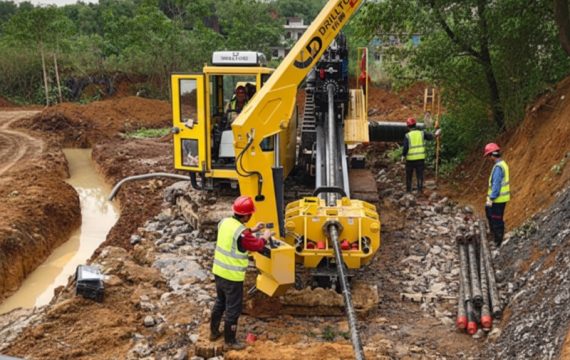
- Directional drilling equipment striking existing lines
Cause: External mechanical force from construction, excavation, or impacts
Effect: Immediate denting, gouging, or penetration with potential for delayed failure
Solution : Proper burial depth, warning tape, one-call systems, right-of-way surveillance
Even when initial damage does not cause immediate leakage, the resulting stress concentration and coating damage create vulnerable points where future failures will initiate.
4. Stress Corrosion Cracking in Pipelines (SCC)
Definition: Stress corrosion cracking is the growth of cracks in a pipeline caused by the combined effect of tensile stress and a specific corrosive environment, occurring at stress levels well below normal design limits.
SCC proves particularly insidious because it requires three conditions to occur simultaneously. Remove any one condition, and SCC cannot happen.
The Three Required Conditions for SCC
- Susceptible material (certain steel metallurgies prove more vulnerable)
- Tensile stress (applied operational stress or residual stress from manufacturing/welding)
- Specific corrosive environment (high-pH carbonate-bicarbonate or near-neutral pH solutions)
Cause: Combined tensile stress and a specific corrosive environment
Effect: Crack growth through pipe wall without significant wall thinning
Solution : Stress reduction, coating quality, cathodic protection, material selection
Two distinct SCC forms affect steel pipelines. High-pH SCC develops at pH above 9, producing intergranular cracks. Near-neutral pH SCC occurs at pH 6-7, producing transgranular cracks. Each form requires different mitigation strategies.
Hydrogen-Related Damage Mechanisms
Hydrogen-related damage mechanisms cause pipeline failure by reducing steel ductility and creating internal cracks that can lead to sudden rupture.
| Mécanisme | Description | Typical Environment |
|---|---|---|
| Hydrogen-induced cracking (HIC) | Blistering and internal cracks without applied stress | Wet H₂S service |
| Hydrogen embrittlement | Reduced ductility causing sudden fracture | Cathodic overprotection |
| Sulfide stress cracking (SSC) | Rapid brittle failure in high-strength steels | Wet H₂S + tensile stress |
Hydrogen-induced cracking occurs when atomic hydrogen enters the steel lattice and recombines at internal interfaces. Sulfide stress cracking is a primary concern for high-strength steels in sour oil and gas environments.
5. Microbiologically Influenced Corrosion (MIC) in Pipelines
Definition: Microbiologically influenced corrosion is pipeline deterioration caused by bacterial metabolic byproducts—primarily hydrogen sulfide and organic acids—that create highly aggressive local chemistry at the pipe surface.
Microorganisms do not directly “eat” metal. Instead, sulfate-reducing bacteria (SRB) and related species produce corrosive metabolic byproducts directly at the pipe surface. Biofilms develop on the pipe wall, maintaining corrosive conditions even when bulk fluid chemistry appears benign.
Cause: Bacterial metabolic byproducts (H₂S, organic acids) at the pipe surface
Effect: Localized pitting and accelerated wall loss under biofilms
Solution : Biocide treatment, pigging, coating integrity, oxygen exclusion
Why MIC Is Particularly Dangerous
- Field data shows SRB-affected corrosion can proceed at 1–2 mm per year
- Typical steel pipelines (6-12 mm wall thickness) can perforate in 3-6 years
- Standard corrosion inhibitors may not penetrate biofilms effectively
- Detection requires specialized DNA analysis or biofilm sampling
6. Erosion Corrosion in Pipelines
Definition: Erosion is the mechanical removal of protective oxide layers or pipe material caused by high-velocity flow, suspended solids, or turbulent conditions at direction changes.
Erosion is a key cause of pipeline failure in high-velocity systems, particularly in oil and gas pipelines carrying sand, scale, or other abrasive particles. Erosion-corrosion accelerates attack at specific locations where flow patterns change dramatically. This mechanism proves most severe at elbows, tees, reducers, and valves where turbulence and particle impingement occur.
Cause: High-velocity flow, suspended abrasives, and turbulence at direction changes
Effect: Mechanical removal of protective layers and base metal
Solution : Flow velocity management, erosion-resistant alloys, flow modeling
Flow Velocity Effects on Pipeline Deterioration
- Low velocity (< 0.5 m/s): Allows solids and water to settle, creating under-deposit corrosion
- Optimal velocity (0.5–3 m/s): Maintains solids suspension without erosional damage
- High velocity (> 3 m/s): Causes erosion-corrosion at direction changes and fittings
Exemple concret : In sand-producing oil wells, erosion at downstream elbows can reduce wall thickness by several millimeters per year, requiring frequent inspection and replacement of affected fittings.
How to Detect Each Pipeline Failure Mechanism
| Failure Mechanism | Primary Detection Method | Inspection Tool |
|---|---|---|
| Corrosion (general and pitting) | Mesure de l'épaisseur des parois | MFL and UT intelligent pigging |
| Fatigue cracks | Crack detection | EMAT or ultrasonic crack detection tools |
| Stress corrosion cracking (SCC) | High-resolution crack detection | UT phased array, EMAT |
| Third-party damage | Geometry measurement | Caliper pigs, geometry pigs |
| Microbiologically influenced corrosion (MIC) | Biological sampling | Biofilm sampling, corrosion monitoring probes |
| Erosion | Localized thickness monitoring | UT at high-risk locations (elbows, tees) |
Summary of Pipeline Failure Mechanisms
Pipeline deterioration occurs due to six primary mechanisms: corrosion, fatigue, third-party damage, stress corrosion cracking, microbiologically influenced corrosion, and erosion. These mechanisms often interact, accelerating failure rates and reducing pipeline service life. Understanding why pipelines fail over time requires recognizing that degradation rarely results from a single cause but rather from combinations of mechanical, chemical, and biological attacks.
In real-world pipeline systems, these failure mechanisms rarely occur independently. Corrosion can initiate fatigue cracks, while mechanical damage can accelerate localized corrosion, creating compounded failure risks.
How Deterioration Progresses Over Time
Understanding the timeline of pipeline deterioration helps operators plan inspection and maintenance intervals effectively.
| Service Years | Typical Condition | Primary Risks | Recommended Action |
|---|---|---|---|
| 0–10 years | Coating integrity high, minimal corrosion | Construction defects, third-party damage | Baseline inspection, coating verification |
| 10–30 years | Coating degradation begins, localized corrosion | Pitting, minor fatigue cracking | Periodic intelligent pigging, CP monitoring |
| 30–50 years | Accelerated wall loss, crack growth | General corrosion, SCC initiation | Frequent inspection, repair prioritization |
| Plus de 50 ans | High failure probability | Multiple interacting mechanisms | Rehabilitation or replacement planning |
Steel pipelines are typically designed for a service life of about 50 years, although many operate longer with proper maintenance. Failure rates increase approximately 27 percent with pipeline age, with average failure occurring beyond 50 years of service. The pipeline aging process accelerates once coatings degrade and corrosion initiates, making early intervention critical for life extension.
FAQ: Pipeline Deterioration Questions
Q: What causes pipelines to fail over time?
A: Pipelines fail over time due to corrosion, fatigue, mechanical damage, stress corrosion cracking, microbiological activity, and erosion, often acting together to weaken the pipe structure.
Q: What is the main cause of pipeline failure?
A: Corrosion is the leading cause, responsible for about 50 percent of pipeline failures worldwide.
Q: How long do steel pipelines typically last?
A: Steel pipelines are typically designed for a service life of about 50 years, although many operate longer with proper maintenance.
Q: Can deteriorated pipelines be repaired?
A: Yes. Composite wrap systems, steel sleeves, and robotic internal linings can restore integrity without pipeline replacement.
Q: How does flow rate affect pipeline deterioration?
A: Low flow allows solids to settle causing under-deposit corrosion. High flow causes erosion-corrosion at elbows and fittings.
Q: Does pipeline material affect deterioration resistance?
A: Yes. HDPE, PVC, and fiberglass offer different corrosion resistance than carbon steel, though each material has distinct failure mechanisms.
Q: What is erosion corrosion in pipelines?
A: Erosion corrosion is the accelerated material loss caused by high-velocity flow combined with abrasive particles, typically occurring at elbows, tees, and other direction changes.
Pipeline Integrity Support for Aging Infrastructure
Understanding pipeline degradation mechanisms enables targeted prevention. Our services are designed to address all major pipeline failure mechanisms, including corrosion, fatigue, SCC, and erosion, helping operators extend pipeline service life and reduce failure risk.
Typical use cases:
- Aging pipelines with active corrosion defects requiring engineered repairs
- Emergency leak situations needing immediate intervention
- Pipelines requiring life extension beyond 30–50 years of service
- Pre-construction integrity assessments for legacy pipeline relocation
Our core competencies:
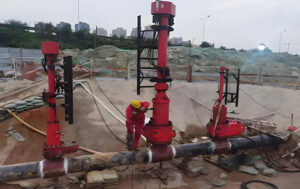
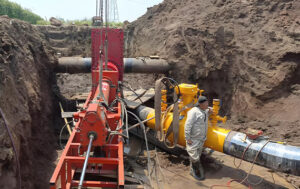
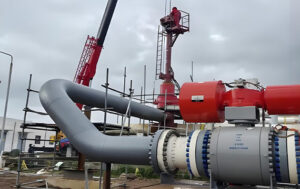
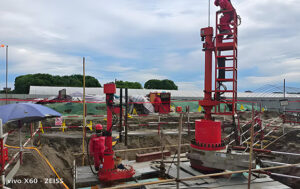
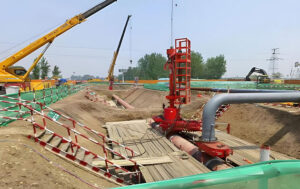
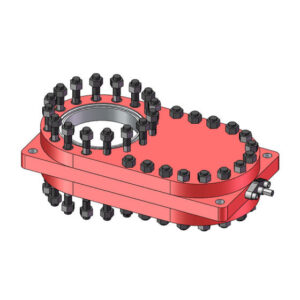
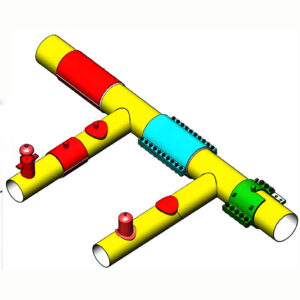
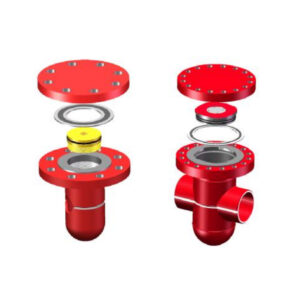
Hot Tap and Line Stop Services – Pressurized pipeline interventions up to 48-inch diameter with zero system downtime. Each fitting design follows ASME PCC-2 calculations for branch reinforcement and stress distribution.
Composite Repair Systems – Engineered wraps for corroded pipe sections. JSW engineers calculate required laminate thickness based on operating pressure, pipe geometry, defect dimensions, and remaining service life requirements.
Pipeline Inspection and Analysis – Intelligent pigging fleet including MFL, UT, and EMAT tools capable of detecting wall loss, cracking, and geometric anomalies in single passes.
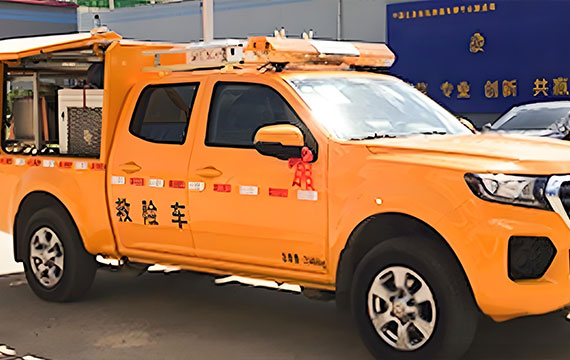
Emergency Leak Repair – 24/7 response for urgent integrity threats.
Why asset owners choose JSW:
- Professional engineers (PEs) on staff reviewing every repair design
- Real-time remote monitoring during all intervention operations
- Standard 5-year warranty on composite repairs
- Zero lost-time incidents across 500+ consecutive project days
Contact JSW’s integrity engineering team for a pipeline deterioration assessment and prioritized repair recommendations based on remaining life calculations.









 English
  Arabic
  Russian
  Spanish
  French
  Vietnamese
  Polish
  Thai
Thai  Indonesian
  Turkish
  Portuguese