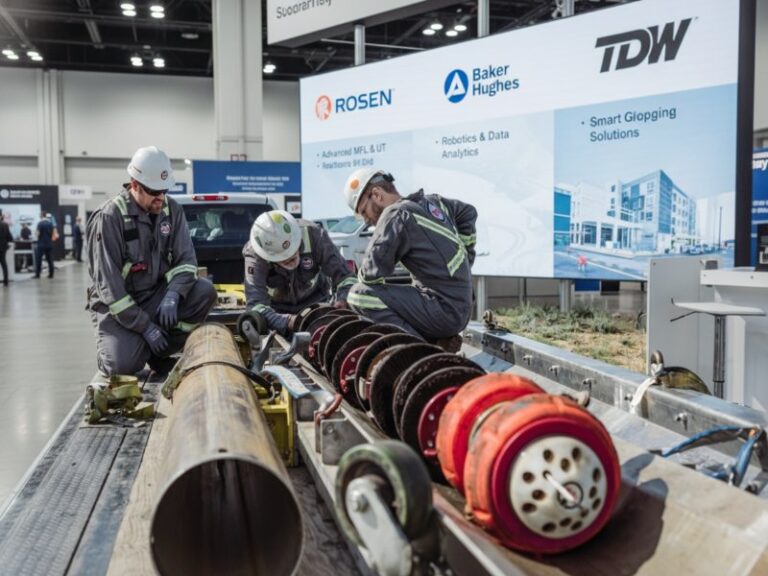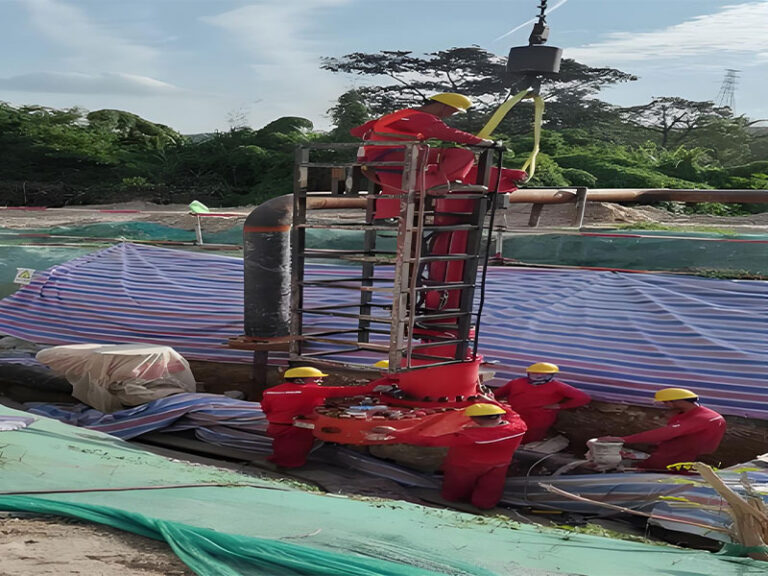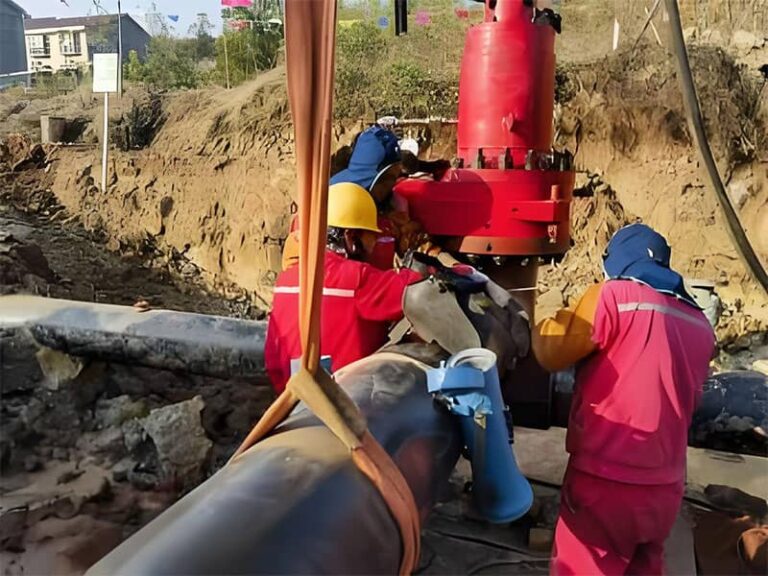
Specialized personnel operating a red hot tapping machine on a live pressurized pipeline within a stabilized trench for modification without system shutdown.

Prestataires de services de piquage à chaud par rapport aux entreprises traditionnelles de modification des pipelines : Avantages et inconvénients.

Hot tapping service providers enable pipeline modifications on live, pressurized systems without shutdowns, offering superior operational continuity and cost savings compared to traditional modification companies that require full system depressurization and excavation. This definitive guide analyzes the pros and cons of both approaches, covering their technical principles, economic impacts, safety
Lire plus »
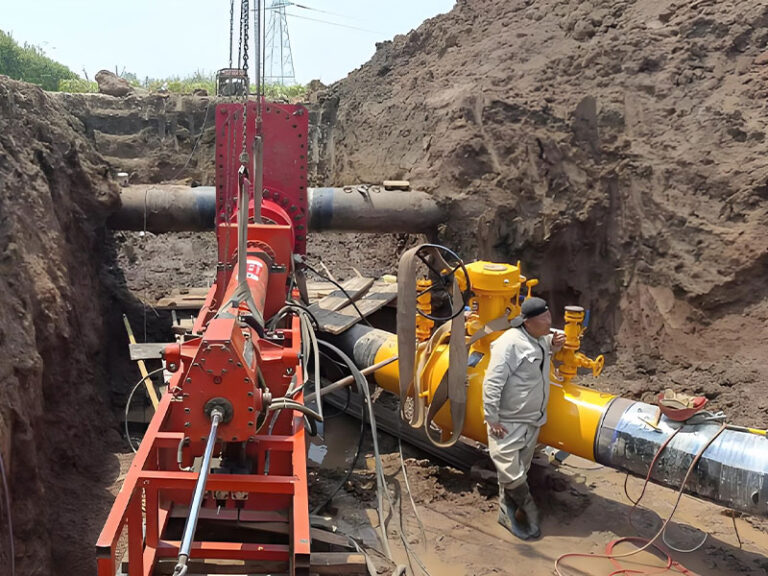
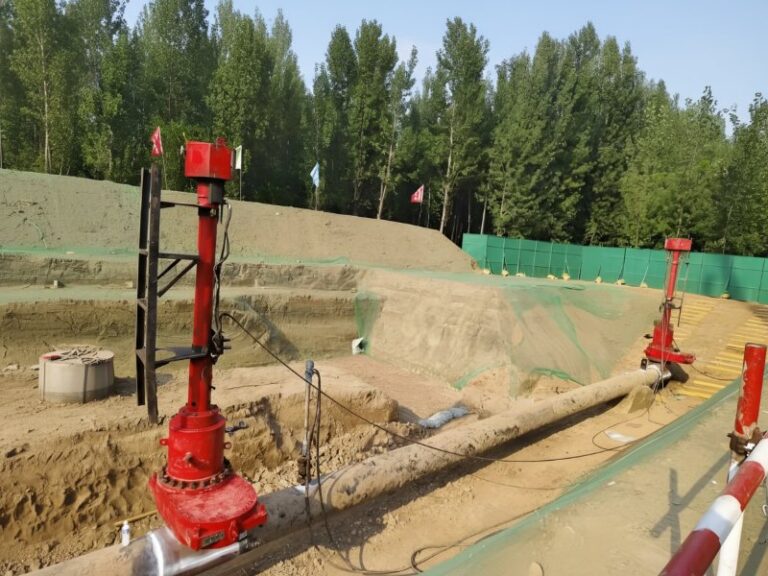
Industrial hot tapping machines performing a live pipeline modification at an outdoor excavation site to maintain pressurized service without shutdown.

Quelle est la différence fondamentale entre le taraudage à chaud et le taraudage à l'arrêt traditionnel ?

The fundamental difference between hot tapping and traditional shutdown tapping is that hot tapping allows pipeline connections and modifications to be made while the system remains in live, pressurized service, whereas traditional shutdown tapping requires the complete cessation of operations, depressurization, and often drainage of the entire pipeline section-. This operational distinction

Lire plus »
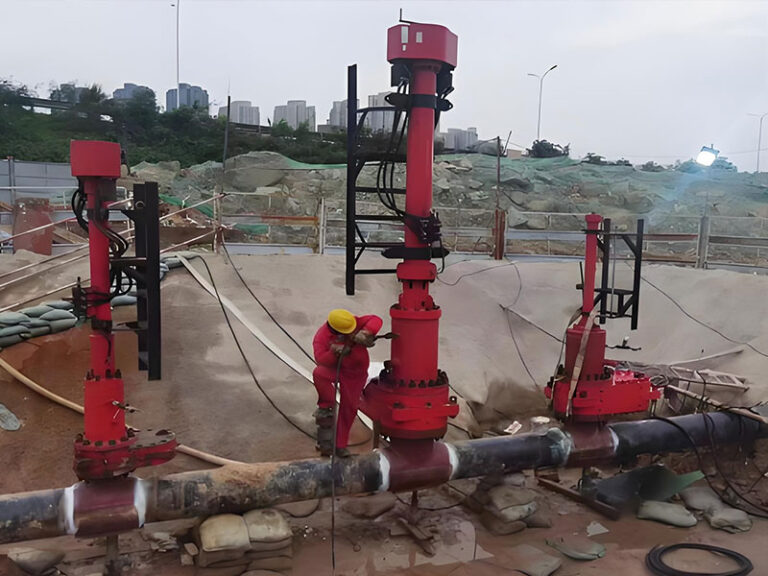
live tapping hot tapping operating gas pipeline

Why is hot tapping necessary while a pipeline is in operation?

Hot tapping is necessary while a pipeline is in operation because it is the only method that allows for modifications, repairs, or expansions to a pressurized pipeline system without requiring a costly and disruptive full shutdown. This critical procedure enables continuous service delivery, significant cost savings, and the mitigation of

Lire plus »
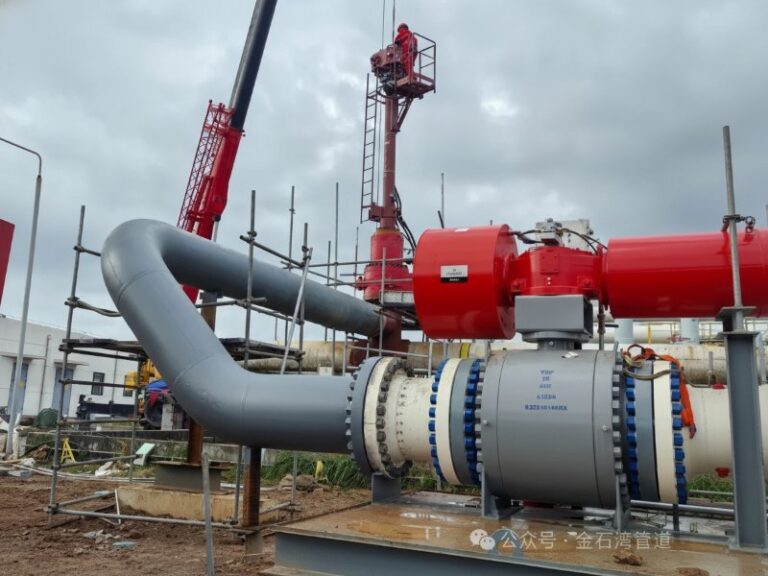
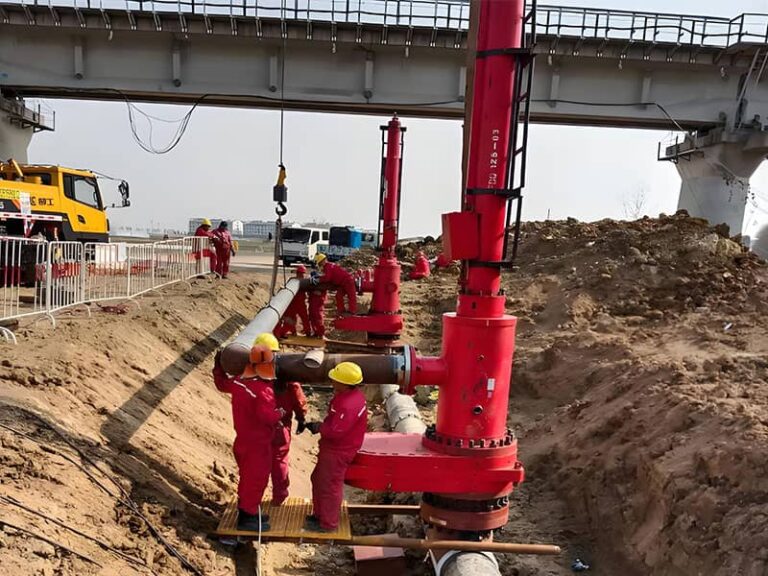
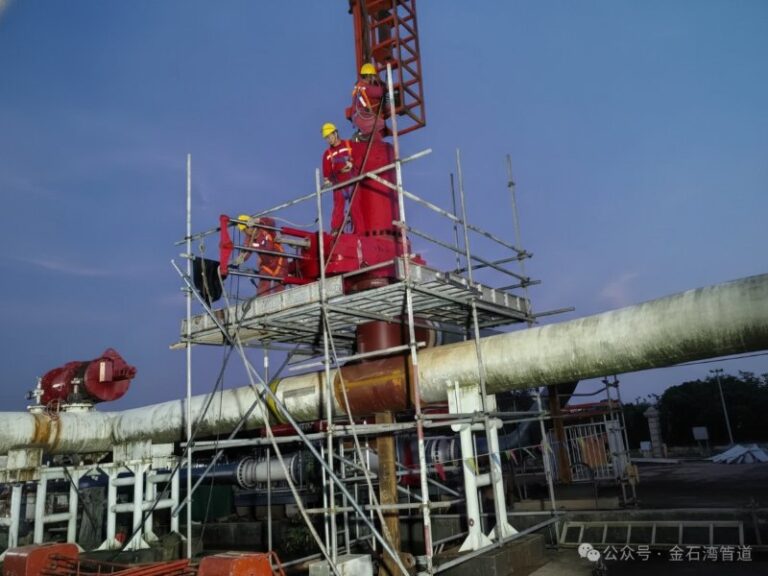
Ouvriers et équipement rouge travaillant sur un gazoduc sous un pont dans le cadre de la construction du gazoduc de Suqian.

How does the basic working principle of hot tapping work?

Hot tapping is a specialized pipeline maintenance and modification procedure that allows a new branch connection to be safely added to an existing, pressurized pipeline without interrupting service or product flow. The basic working principle involves mechanically drilling or cutting into the live pipeline while it is under pressure, using

Lire plus »
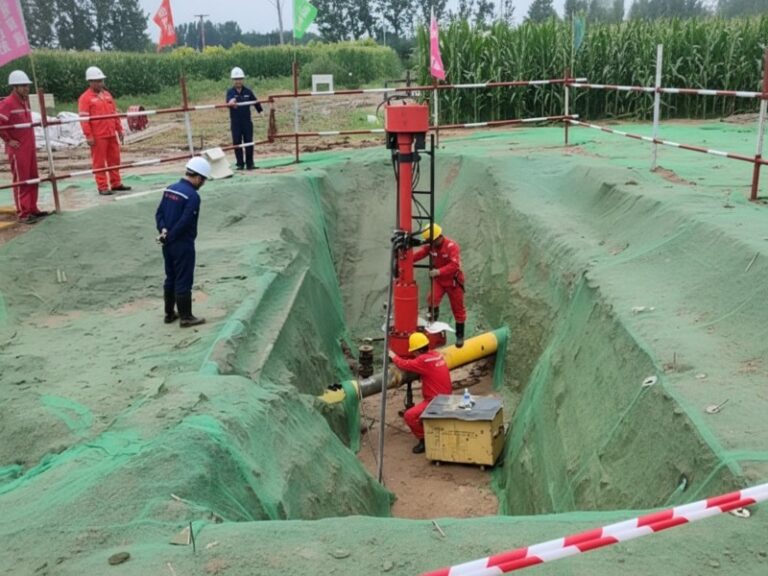
Soudage de raccords de tuyauterie pour l'équipement de taraudage à chaud sur le gazoduc haute pression DN400 L415 (site de relocalisation du gazoduc, 2023)

What is pipeline hot tapping (pressure tapping) technology?

What is pipeline hot tapping (pressure tapping)? This definitive guide explains the step-by-step procedure, key applications, safety standards, and benefits for oil, gas, water, and industrial pipeline modification without shutdown. Pipeline hot tapping, also known as pressure tapping, is a specialized live-line intervention technique that allows for the safe connection

Lire plus »
Engineering infographic comparing pulling-distance concepts for HDD, pipe bursting, E-Power Pipe, and pull-in-place lining in underground pipelines

Maximum Distance a Pipe Can Be Pulled Using Trenchless Methods: HDD Pull Length, Pipe Bursting & Lining Limits

The maximum distance a pipe can be pulled using trenchless methods ranges from approximately 50 meters to more than 3,000 meters, depending on the installation technology, pipe characteristics, ground conditions, and equipment limitations. For new pipeline construction, Horizontal Directional Drilling (HDD) typically achieves 200–800 meters per pull. For pipeline rehabilitation, specialized

Lire plus »
Engineering cutaway illustration comparing CIPP resin liners, spray-applied polyurea, HDPE sliplining, and UHPC structural lining segments in underground sewer pipes.

Best Trenchless Pipe Rehabilitation Materials: CIPP, Polyurea, HDPE Comparison

Best Materials for Trenchless Pipe Rehabilitation The most widely used and effective materials for trenchless pipe rehabilitation are thermosetting resin systems—specifically epoxy, polyester, and vinyl ester—combined with reinforcement fabrics such as fiberglass or polyester felt. For most municipal sewer rehabilitation projects, polyester CIPP offers the best cost-to-performance balance, while epoxy CIPP is preferred for pipes

Lire plus »