
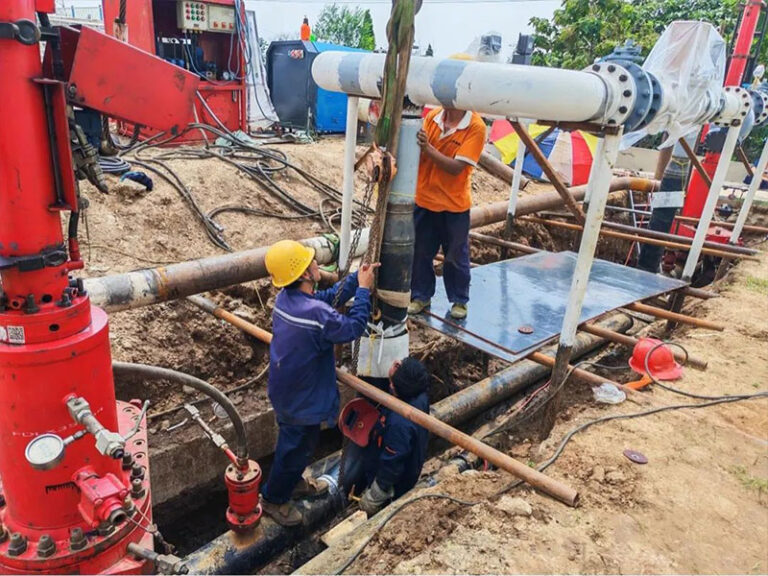
Double block and bleed (DBB) isolation is a critical safety procedure in pipeline maintenance that utilizes two independent isolation valves and a bleed (or drain) valve between them to create a verifiably isolated section of pipe, ensuring zero energy or product flow for safe work. This method is fundamental for performing hot tapping, pipeline plug installation, stopple operations, and general maintenance or modification work without a full system shutdown. This guide will define the DBB concept in detail, explain its operational principles, compare it with single block methods, outline standard procedures, and highlight its essential role across industries like oil, gas, water, and chemical processing for ensuring contractor and site safety.
1. What is the Core Principle of Double Block and Bleed Isolation?
The core principle of double block and bleed isolation is to provide two separate, positive barriers against pipeline pressure and a means to vent the trapped volume between them. This creates a safe, isolated work zone.
- The “Double Block”: Two primary isolation valves (e.g., gate valves, ball valves) are installed in series on the pipeline. Each valve acts as an independent block. Industry standards, such as those from ASME B31.3 for process piping, often mandate this dual-valve approach for critical isolation points to account for potential single valve failure.
- The “Bleed”: A smaller valve (bleed, drain, or vent valve) is located in the piping segment between the two block valves. Its purpose is to depressurize and drain any residual fluid trapped in this cavity, providing visual or instrumental proof of a successful isolation.
2. How Does DBB Differ from Single Block Isolation?
Understanding the difference between single and double block isolation is crucial for risk assessment. A single block uses just one valve and a bleed, which is insufficient for many high-risk maintenance scenarios.
- Single Block & Bleed: Relies on one isolation valve. If this single valve leaks or fails internally, pressure and product can migrate into the work area. Our field experience shows that valve seat leakage, even in newly maintained valves, can occur at rates up to several liters per hour under system pressure, posing a significant hazard.
- Double Block & Bleed: The two-valve system provides redundancy. The space between the valves is monitored via the bleed. If the primary block valve leaks, the fluid is captured in the inter-valve cavity and can be safely bled off, maintaining the integrity of the isolation. This is a non-negotiable safety protocol for hot tapping and pipeline stopper insertion, where any leak could be catastrophic.
Comparison: Single Block vs. Double Block and Bleed Isolation
| Fonctionnalité | Single Block & Bleed | Double Block & Bleed (DBB) |
|---|---|---|
| Isolation Valves | 1 | 2 |
| Safety Redundancy | Low – Single point of failure | High – Redundant barrier |
| Applications typiques | Low-risk drainage, non-hazardous fluids (e.g., water) | High-risk maintenance, hazardous fluids (oil, gas, chemicals), hot tapping, pipeline modification |
| Compliance Standard | Basic plant procedures | Often required by ASME, OSHA (29 CFR 1910.147), and industry-specific safety standards |
3. What is the Standard Procedure for Implementing DBB?
A systematic procedure is vital for effective DBB isolation. This process is typically managed by a qualified contractor or maintenance team following a strict permit-to-work system.
- Planning & Risk Assessment: Identify isolation points, valve types, and bleed location. Verify valve integrity records.
- Close Primary (Upstream) Block Valve: Isolate the main flow source.
- Close Secondary (Downstream) Block Valve: Create the second barrier.
- Open the Bleed Valve: Slowly vent the pressure and drain any residual fluid from the cavity between the two block valves into a safe containment system.
- Verification & Testing: This is the critical step. Verification methods include:
- Pressure Monitoring: Use a gauge on the bleed port to confirm zero pressure is maintained.
- Physical Bleed: Observe a steady stream of fluid until flow stops, confirming the cavity is empty.
- Leak Test: Apply a test pressure (with air or inert gas) to the isolated section and monitor for decay, checking the seal of both block valves.
- Lock Out/Tag Out (LOTO): Apply locks and tags to all block valves to prevent accidental operation during the maintenance or construction work.
4. Where is Double Block and Bleed Isolation Required?
DBB is not just a best practice; it’s often a regulatory or procedural requirement for specific high-consequence operations.
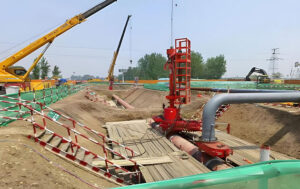
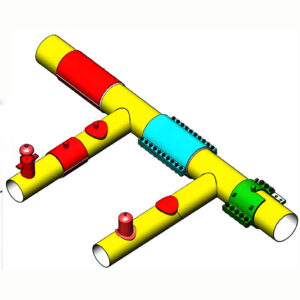
- Pipeline Hot Tapping & Stopple: Essential for creating a branch connection or isolating a section under pressure. The DBB setup protects workers from the live main while the pipeline tapping and pipeline plug installation occurs.
- Equipment Maintenance/Removal: Isolating pumps, meters, or filters for service in oil, chemical, or air systems.
- System Modifications & Tie-Ins: During pipeline modification or construction, DBB isolates the active line from the new section.
- Hazardous Fluid Handling: Mandatory for pipelines carrying flammable, toxic, or high-pressure substances in the oil and gas, petrochemical, and manufacturing sectors.
5. What are the Key Benefits and Potential Limitations of DBB?
Benefits:
- Sécurité renforcée : The primary benefit is creating a verifiably safe work environment, protecting personnel from unexpected releases of energy or product.
- Operational Continuity: Allows for maintenance, restoration, and trenchless pipe rehabilitation activities without a complete and costly system shutdown.
- Regulatory Compliance: Helps companies and contractors meet stringent occupational health and safety regulations.
Limitations & Considerations:
- Not Absolute Zero: DBB does not guarantee absolute zero risk if both block valves catastrophically fail simultaneously, though this is extremely rare.
- Requires Verified Valves: The valves used must be confirmed as “bubble-tight” isolating valves suitable for the service. A standard control valve is not adequate for block service.
- Space & Cost: Requires more space for two valves and associated piping, leading to higher initial capital cost for the equipment manufacturer or factory installing the system.
Auteur : Alex Chen, Senior Pipeline Integrity Engineer Dernière mise à jour : 26 octobre 2023 Alex has over 15 years of field experience in pipeline isolation strategies, hot tapping, and safety procedure development for major energy sector contractors.
À propos de JSW Pipeline Solutions
At JSW, we specialize in providing engineered solutions for complex pipeline challenges. Our expertise extends beyond supplying equipment like pipeline tapping machines and pipeline stoppers; we offer comprehensive services that integrate safety-by-design principles. For double block and bleed operations, our team can assist with procedure development, valve specification, and on-site execution support, ensuring your pipeline maintenance or modification project adheres to the highest safety standards while minimizing downtime. We partner with Material Suppliers and contractors to deliver turnkey solutions for the oil, gas, water, and industrial sectors.
Ready to plan your next pipeline isolation project with confidence? Contact our engineering team today for a consultation on implementing safe and efficient DBB procedures tailored to your specific system.










 English
  Arabic
  Russian
  Spanish
  French
  Vietnamese
  Polish
  Thai
Thai  Indonesian
  Turkish
  Portuguese