
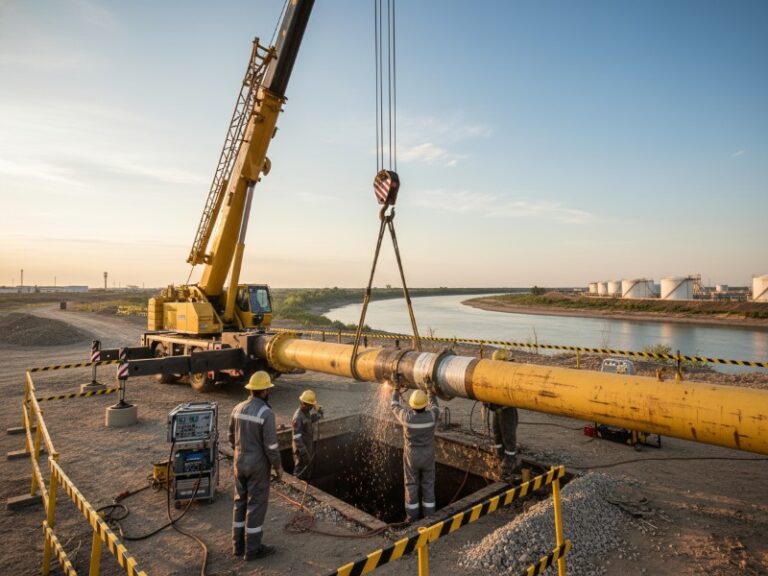
La réhabilitation de canalisations sans tranchée constitue généralement le meilleur choix pour les chantiers en profondeur, situés sous des revêtements routiers ou nécessitant un minimum de perturbations. L'excavation à ciel ouvert peut toutefois rester préférable dans les cas de canalisations peu profondes, totalement effondrées ou lorsque le budget est très limité. Ce guide compare les techniques CIPP, le chemisage et l'éclatement de canalisations en fonction des scénarios d'application, des coûts et des limites.
Encadré récapitulatif
- Idéal pour : Conduites profondes, surfaces pavées, installations sous les bâtiments, sites sensibles aux perturbations
- À éviter si : Faible profondeur, effondrement total avec migration des terres, tronçons de canalisations extrêmement courts
- Trois méthodes : CIPP (revêtement structurel), gainage (réduction de diamètre acceptée), éclatement de canalisation (remplacement complet)
Tableau comparatif des méthodes
| Méthode | Meilleur pour | Principal inconvénient | Niveau de coût | Impact du diamètre | Perturbation de la surface |
|---|---|---|---|---|---|
| CIPP | Des canalisations fissurées mais encore praticables | Coût d'équipement plus élevé ; nécessite une conduite sèche | 110–110–450/pied | Minime (réduction de 5 à 101 TP3T) | Deux regards d'accès |
| Revêtement par glissement | Réhabilitation à moindre coût lorsque la perte de diamètre est acceptée | Réduction de diamètre 15-30% | 60–60–150/pied | Réduction significative | Deux regards d'accès |
| Éclatement de canalisations | Remplacement complet des canalisations effondrées | Risque de soulèvement du sol à proximité d'infrastructures souterraines peu profondes | 150–150–350/pied | Possibilité d'augmenter la taille de 50 à 150 mm | Deux regards d'accès + soulèvement potentiel |
| À ciel ouvert | Tuyaux peu profonds, faciles d'accès et courts | Coût élevé de la remise en état des surfaces | 85–85–550/pied | Aucun | Tranchée complète |
Tableau d'aide à la décision rapide : quelle méthode convient le mieux à votre projet ?
| Type de projet | Méthode recommandée | Raison principale |
|---|---|---|
| Égout profond sous une route pavée | CIPP | Perturbations minimales, aucune fermeture de route |
| Une réduction du diamètre est acceptable | Revêtement par glissement | Complexité et coûts d'équipement minimaux |
| Canalisation cassée ou effondrée nécessitant un remplacement complet | Éclatement de canalisations | Permet de remplacer une ancienne canalisation sans avoir à procéder à une excavation complète |
| Canalisation à faible profondeur dans une zone dégagée et non pavée | Excavation à ciel ouvert | Coût total du projet le plus bas |
| Conduite située sous les fondations d'un bâtiment en cours de construction | CIPP ou éclatement de canalisation | Pas d'accès à l'intérieur ni de démolition de dalle |
1. Quels sont les principaux avantages de la réhabilitation sans tranchée ?
À retenir : La technique sans tranchée s'avère particulièrement intéressante lorsque les coûts de remise en état ou d'immobilisation dépassent les économies réalisées grâce à l'absence de travaux d'excavation.
1.1 Perturbation minimale de la surface
La plupart des chantiers sans tranchée ne nécessitent que deux petites fosses d'accès (généralement de 2 x 3 mètres). Pour une canalisation d'égout résidentielle de 150 mètres, une méthode à tranchée ouverte perturberait environ 450 mètres carrés de surface. Les méthodes sans tranchée ne perturbent quant à elles que moins de 6 mètres carrés.
1.2 Réalisation plus rapide des projets
La pose d'un tronçon de canalisation de 100 mètres à l'aide de la technique CIPP prend généralement entre 2 et 4 jours, contre 11 à 20 jours pour la méthode à ciel ouvert. Cette réduction de la main-d'œuvre s'explique par la suppression de la plupart des travaux d'excavation, de remblayage et de remise en état de la surface.
1.3 Durée de vie prolongée
Les gaines CIPP modernes sont généralement conçues pour une durée de vie de 50 ans. Leur surface intérieure lisse et sans joint améliore généralement la capacité d'écoulement de 30 à 40% par rapport aux anciennes canalisations présentant des dépôts de tartre ou des irrégularités au niveau des joints.
2. Quels sont les principaux inconvénients et limites ?
À retenir : La technique CIPP est particulièrement adaptée aux canalisations endommagées mais encore praticables. Le chemisage est la solution la plus économique lorsque la perte de diamètre est acceptable. Le éclatement de canalisation convient au remplacement complet, à l'écart des structures fragiles.
2.1 Coûts initiaux plus élevés liés à l'équipement et à l'expertise
- Mobilisation du matériel : 3 000–3 000–8 000 par jour pour les systèmes CIPP de taille moyenne
- Résine et matériaux de revêtement : 25–25–60 par pied linéaire
- Tarifs des techniciens qualifiés : 95–95–150 par heure (contre 50–50–75 pour la main-d’œuvre générale dans le domaine des travaux d’excavation)
Les entrepreneurs qui réalisent moins de 15 chantiers sans tranchée par an parviennent rarement à amortir leur investissement en matériel.
2.2 Contraintes liées aux matériaux et au chantier
La méthode CIPP n'est pas adaptée aux situations suivantes : Conduites dont l'affaissement actif dépasse 25% de diamètre, ou situations dans lesquelles l'infiltration d'eau souterraine ne peut être temporairement maîtrisée.
Revêtement par glissement réduit le diamètre intérieur de 15 à 30%, ce qui peut entraîner des problèmes de capacité pour les égouts sanitaires.
Éclatement de canalisations Il présente un risque de soulèvement du sol (généralement de 5 à 15 cm) et n’est généralement pas recommandé sous des ouvrages dont la couverture est inférieure à 1 mètre ou à proximité d’infrastructures sensibles.
3. Quand la technique sans tranchée n'est PAS la bonne solution
Limites de sélection : La technique sans tranchée est particulièrement adaptée lorsque la canalisation est accessible et que son état structurel est prévisible. La méthode à ciel ouvert est souvent préférable lorsque la canalisation est trop courte, trop peu profonde ou trop endommagée.
Dans ces situations, le creusement à ciel ouvert constitue généralement la meilleure option :
| Condition | Pourquoi la technique sans tranchée pose problème |
|---|---|
| La canalisation s'est complètement affaissée, entraînant un déplacement de terre dans le vide | La cavité environnante dépasse 1,5 fois le diamètre d'origine ; la gaine ne peut pas assurer l'étanchéité par rapport au sol |
| Profondeur extrêmement faible (moins d'un mètre) | Le soulèvement du sol risque d'endommager la chaussée ; les travaux d'excavation sont de toute façon minimes |
| Alignement inconnu ou défauts non vérifiés | La vidéosurveillance préalable à l'inspection ne permet pas de cartographier l'ensemble de la ligne de manière fiable |
| Très court tronçon de canalisation (moins de 15 mètres) | Les coûts de mobilisation dépassent les avantages liés à l'absence de tranchées |
| Une perte de diamètre importante est inacceptable | Le chemisage réduit le débit ; la technique CIPP peut également entraîner une réduction de 5 à 10% |
| Le pompage de dérivation active n'est pas envisageable | Les égouts sanitaires en service ne peuvent être vidés ni détournés |
À retenir : La méthode à ciel ouvert reste la solution par défaut pour les chantiers peu profonds, à ciel ouvert, de faible longueur, ou lorsque la priorité absolue est de disposer du budget initial le plus bas possible.
4. Comparaison des coûts : méthode sans tranchée vs. méthode à tranchée ouverte
4.1 Coût direct en fonction du diamètre et de la profondeur de la canalisation
Coûts habituels en Amérique du Nord par pied linéaire (USD) :
| Diamètre du tube | Profondeur | À ciel ouvert | Sans tranchée (CIPP) | Méthode moins coûteuse |
|---|---|---|---|---|
| 150 mm (6″) | 1,2 m | 85–85–120 | 110–110–160 | À ciel ouvert |
| 150 mm (6″) | 3,0 m | 160–160–220 | 120–120–170 | Sans tranchée |
| 300 mm (12 pouces) | 1,5 m | 120–120–180 | 150–150–220 | Comparable |
| 300 mm (12 pouces) | 3,5 m | 240–240–320 | 160–160–240 | Sans tranchée |
| 600 mm (24 pouces) | 4,0 m | 400–400–550 | 300–300–450 | Sans tranchée |
4.2 Coût total, y compris la remise en état et les temps d'arrêt
Scénario — Traversée d'une allée d'accès à un local commercial (30 mètres, conduite de 300 mm à une profondeur de 2,5 m) :
- Total à ciel ouvert : 6 500 travaux d'excavation + 6 500 travaux d'excavation + 4 200 remplacement de la chaussée + 3 800 interruption d'activité = 3 800 interruption d'activité = 14 500
- Total « sans tranchée » : 8 400 CIPP + 8 400 CIPP + 800 remise en état des regards d'accès + 500 perte d'exploitation = 500 perte d'exploitation = 9 700
- Économies réalisées grâce aux techniques sans tranchée : $4,800 (33%)
À retenir : La technique sans tranchée s'avère généralement plus rentable à partir de 2,5 mètres de profondeur pour les surfaces pavées et à partir de 3 mètres pour les zones non pavées.
5. Ventilation par méthode
5.1 Tuyaux durcis sur place (CIPP)
| Facteur | Détails |
|---|---|
| Idéal pour | Des canalisations fissurées, dont les joints sont séparés ou corrodées, mais qui restent praticables |
| Pourquoi pas ? | Ne convient pas aux effondrements actifs dont le diamètre dépasse 25% |
| Plage de diamètres | de 50 mm à 2 700 mm |
| Perturbation de la surface | Deux regards d'accès |
| Durée de vie typique | Conçu pour une durée de vie de 50 ans ; les données de terrain montrent que le modèle 80-95% conserve son intégrité après 20 ans |
| Niveau des coûts | 110–110–450 par pied linéaire |
| Facteur clé de coût | Type de résine (polyester : le moins cher ; vinylester : la meilleure résistance chimique) |
5.2 Revêtement par glissement
| Facteur | Détails |
|---|---|
| Idéal pour | Réhabilitation structurelle à moindre coût lorsque la perte de diamètre est acceptable |
| Pourquoi pas ? | Ne convient pas lorsqu'il est nécessaire de conserver le diamètre d'origine dans son intégralité |
| Réduction du diamètre | 15-30% : diamètre intérieur plus petit |
| Perturbation de la surface | Deux regards d'accès |
| Durée de vie typique | 40 à 50 ans pour la membrane en PEHD |
| Niveau des coûts | 60–60–150 par pied linéaire (le coût le plus bas parmi les méthodes sans tranchée) |
| Facteur clé de coût | Injection de coulis dans l'espace annulaire |
5.3 Éclatement de canalisations
| Facteur | Détails |
|---|---|
| Idéal pour | Remplacement complet des canalisations cassées, effondrées ou de diamètre insuffisant |
| Pourquoi pas ? | À éviter sous des réseaux de services publics peu profonds (moins d'un mètre de recouvrement) ou à proximité de structures fragiles |
| Capacité en termes de diamètre | Il est possible d'augmenter le diamètre d'un ou deux calibres (généralement +50 à 150 mm) |
| Perturbation de la surface | Deux regards d’accès ; risque de soulèvement mineur du sol |
| Durée de vie typique | Comme une canalisation neuve (HDPE ou PVC) — plus de 50 ans |
| Niveau des coûts | 150–150–350 par pied linéaire |
| Facteur clé de coût | Conditions du terrain (la roche ou l'argile compacte augmentent la difficulté) |
6. Comment choisir la bonne méthode : un guide de décision en 5 questions
Posez ces questions dans l'ordre suivant :
- Quel est l'état structurel de la canalisation ?
- Encore praticable mais fissuré → CIPP ou chemisage
- Effondrement ou déformation importante → Éclatement de la canalisation ou tranchée à ciel ouvert
- Est-il essentiel de conserver un diamètre intérieur maximal ?
- Oui → Éviter la pose par glissement
- Non → La pose d'un revêtement coulissant devient rentable
- Quelle est la durée d'indisponibilité acceptable ?
- Moins d'une semaine → Sans tranchée
- 2 à 4 semaines : délai acceptable → Une intervention à ciel ouvert pourrait convenir
- Qu'y a-t-il au-dessus du tuyau ?
- Route revêtue, bâtiment ou aménagement paysager → Méthode sans tranchée fortement recommandée
- Terrain dégagé ou zone non revêtue → Comparer les coûts
- Quel est le rapport entre le budget et la durée de vie requise ?
- Coût initial réduit, durée de possession plus courte → Travaux à ciel ouvert pour les canalisations peu profondes
- Coût initial plus élevé, coût sur toute la durée de vie plus faible → Sans tranchée
7. Idées reçues courantes sur les techniques sans tranchée
| Idée fausse | Réalité |
|---|---|
| “ ”Sans tranchée”, ça veut dire qu’il n’y a absolument aucun creusement » | La plupart des méthodes nécessitent encore deux fosses d'accès pour l'introduction du matériel |
| “ La technique CIPP permet de réparer n'importe quelle canalisation effondrée ” | La technique CIPP nécessite un tuyau hôte praticable ; un affaissement important empêche l’insertion de la gaine. |
| “ La technique du ” slip lining » ne présente aucun inconvénient » | Une réduction du diamètre du 15-30% peut entraîner des problèmes de débit |
| “ La technique de rupture de canalisation fonctionne partout ” | Risques de soulèvement du sol à proximité d'infrastructures souterraines peu profondes ou de structures fragiles |
| “ Les techniques sans tranchée sont toujours moins chères ” | La méthode à ciel ouvert est souvent moins coûteuse pour les canalisations peu profondes, non recouvertes et accessibles. |
Questions-réponses : Foire aux questions
Q : La réhabilitation de canalisations sans tranchée en vaut-elle la peine ?
R : En règle générale, oui, pour les canalisations situées à plus de 2,5 mètres de profondeur, sous des surfaces pavées ou sous des bâtiments. Pour les canalisations peu profondes situées en pleine air, la méthode à ciel ouvert peut s'avérer plus économique.
Q : Quels sont les inconvénients de la technique CIPP ?
R : Coûts d'équipement initiaux plus élevés ; nécessite des canalisations sèches ou dérivées pendant l'installation ; ne convient pas aux effondrements actifs dont le diamètre dépasse 25% ; la qualité du durcissement dépend du contrôle de la température.
Q : Quelle est la méthode sans tranchée la moins chère ?
R : Le chemisage par glissement présente généralement les coûts de matériaux et d'équipement les plus bas (60–60–150 par pied linéaire), mais uniquement lorsque la réduction de diamètre est acceptable.
Q : Quelle est la durée de vie du CIPP ?
R : Les fabricants prévoient généralement une durée de vie de 50 ans. Des études indépendantes menées sur le terrain montrent que 80 à 95 % des gaines CIPP conservent leur intégrité structurelle après 20 ans.
Q : Est-il possible de réparer une canalisation effondrée sans tranchée ?
R : La technique d'éclatement de canalisations permet de remplacer des canalisations complètement effondrées. Ce n'est pas le cas de la technique CIPP, qui nécessite une canalisation hôte en bon état pour permettre l'insertion de la gaine.
Q : Quelle est la différence entre la technique CIPP et l'éclatement de canalisation ?
R : La technique CIPP consiste à installer une gaine à l'intérieur de la canalisation existante. La technique de « pipe bursting » consiste à fracturer l'ancienne canalisation puis à mettre en place une nouvelle canalisation par traction.
Q : Le revêtement par glissement est-il adapté aux égouts sanitaires ?
R : Uniquement si la réduction de diamètre n'entraîne pas de problèmes de débit. Vérifiez les calculs de débit de pointe avant d'opter pour un revêtement intérieur.
Q : Peut-on recourir à des méthodes sans tranchée sous les bâtiments ?
R : Oui. Les techniques CIPP et d'éclatement de canalisations peuvent être mises en œuvre à partir de regards d'accès extérieurs, sans qu'il soit nécessaire de démolir la dalle intérieure ni de reloger les locataires.
Fondements techniques
Ce guide s'appuie sur la norme ASTM F1216, les supports de formation de la NASSCO, les normes ISO 11296, des études de cas municipales publiées, des manuels techniques des fabricants et des données de performance sur le terrain communiquées par le secteur entre 2000 et 2025.
À propos de JSW
JSW fournit des machines de découpe de canalisations, des systèmes d'arrêt de flux et des équipements d'étanchéité destinés à la réhabilitation sans tranchée. Plage de diamètres : de 50 mm à 1 200 mm. Les services proposés comprennent l'inspection par caméra, le nettoyage par jet d'eau sous haute pression et la pose de gaines CIPP. Assistance technique et formation sur site disponibles. Contactez-nous pour obtenir des comparaisons de coûts spécifiques à votre projet.









 English
  Arabic
  Russian
  Spanish
  French
  Vietnamese
  Polish
  Thai
Thai  Indonesian
  Turkish
  Portuguese