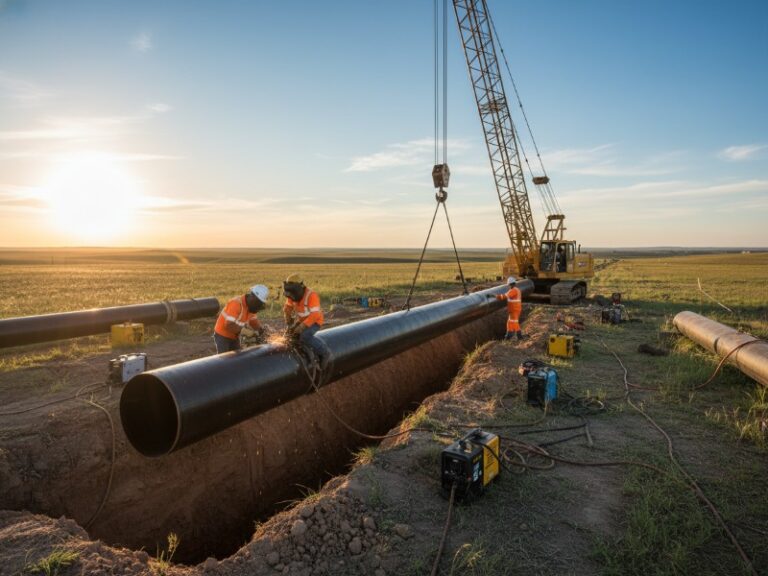
Workers in protective gear weld and apply composite wrap to a large-diameter oil pipeline in a trench on a remote, arid field.

7 Critical Factors for Successful Pipeline Rehabilitation

Pipeline repair success depends on seven key factors: accurate condition assessment, correct rehabilitation method selection, certified installation, material compatibility, lifecycle cost analysis, shutdown execution, and regulatory compliance. Failure in any of these areas leads to premature failure, safety risks, or increased long-term costs. Pipeline repair success depends on: What Is
Читать далее »
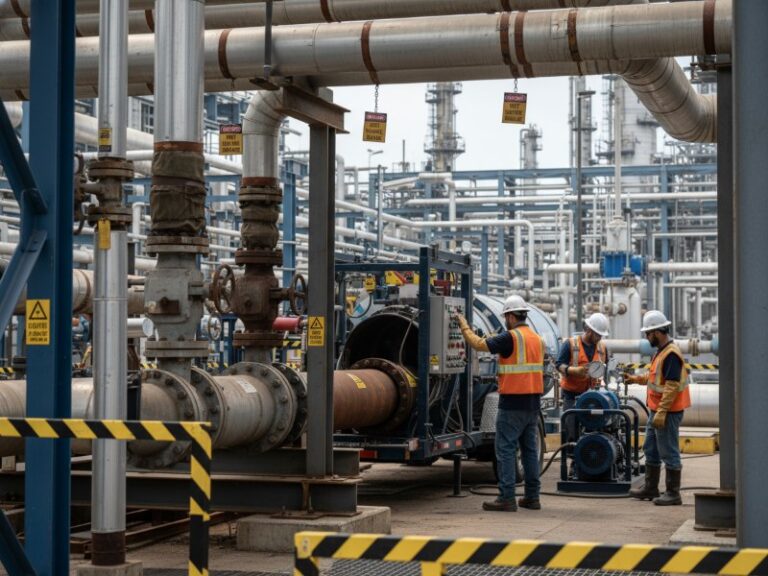
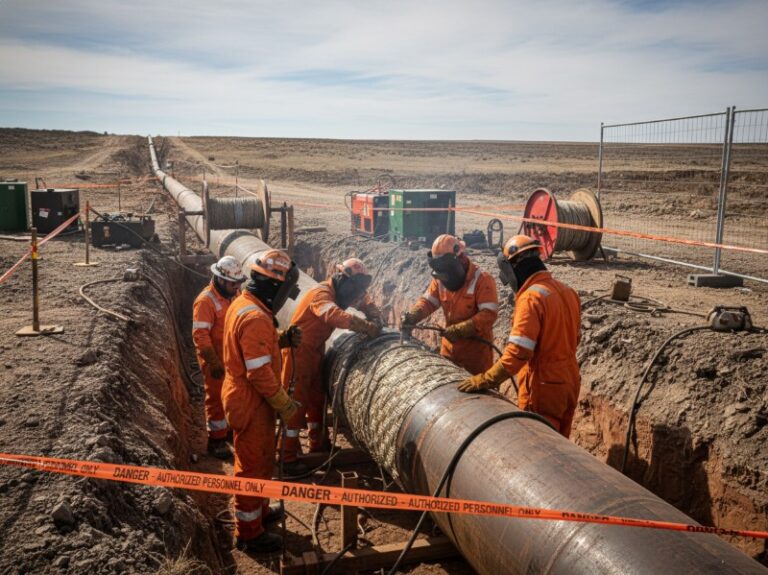
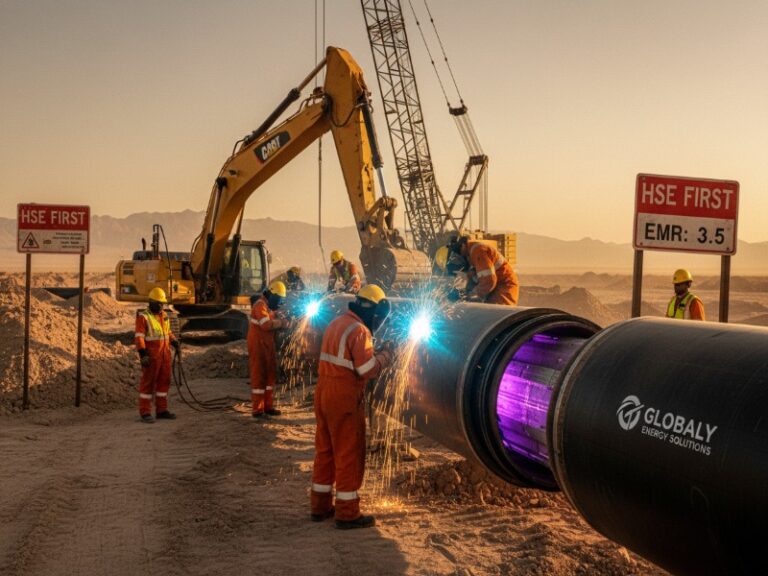
Workers in orange suits are welding a large black steel pipeline with internal purple UV curing equipment at a desert construction site.

How to Choose a Pipeline Rehabilitation Contractor

Choosing a reliable pipeline rehabilitation contractor requires verifying three critical credentials: NASSCO PACP certification (technician ID, not just company logo), an EMR safety score below 1.0, and a transferable warranty of 10–25 years covering both materials and workmanship. For most municipal and industrial projects (pipe diameters 6–84 inches), you should also demand a lifecycle cost

Читать далее »
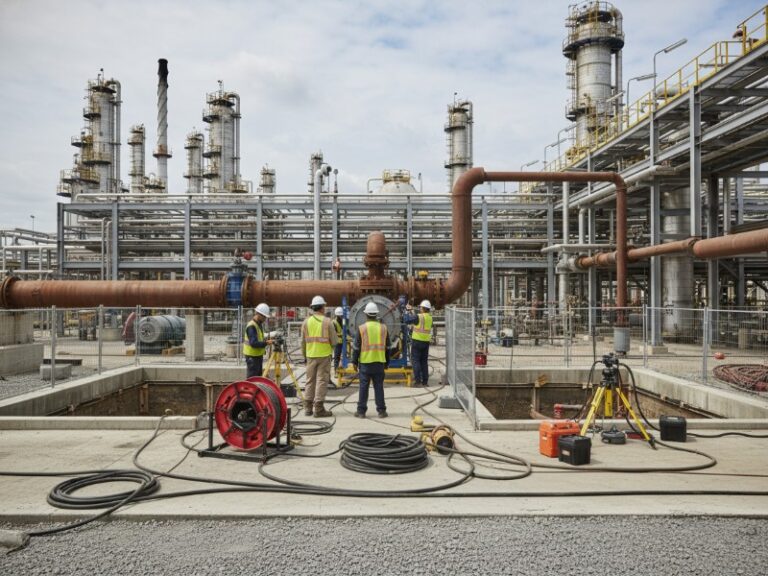
Welders in safety gear construct a large-diameter steel oil and gas pipeline in a sunny, remote desert industrial area with a crane overhead.

Как отличаются решения по ремонту трубопроводов по долговечности?

The most durable pipeline repair solutions for pressure applications are close-fit FFRPP liners and steel Type B sleeves, offering 50–90+ years of service life. Compared to field-cured CIPP, factory-manufactured systems provide more consistent pressure ratings, higher strain capacity, and reduced installation variability. This guide compares seven major rehabilitation methods—CIPP lining,

Читать далее »
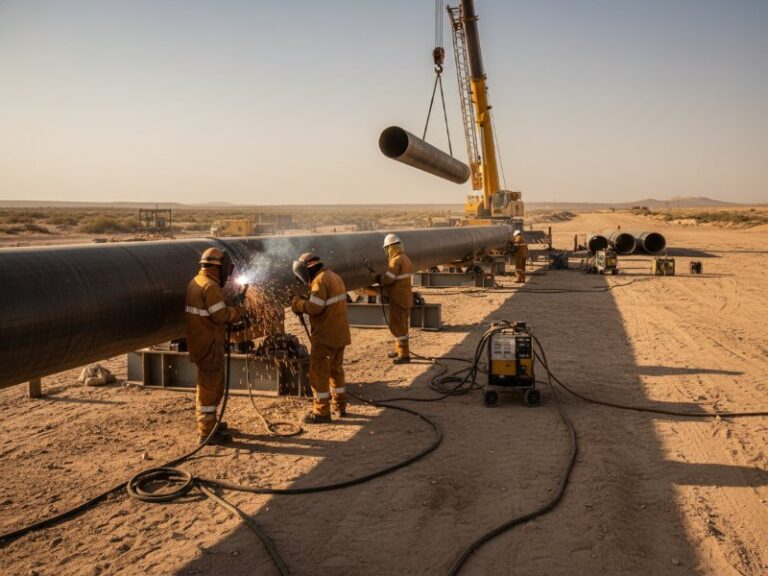
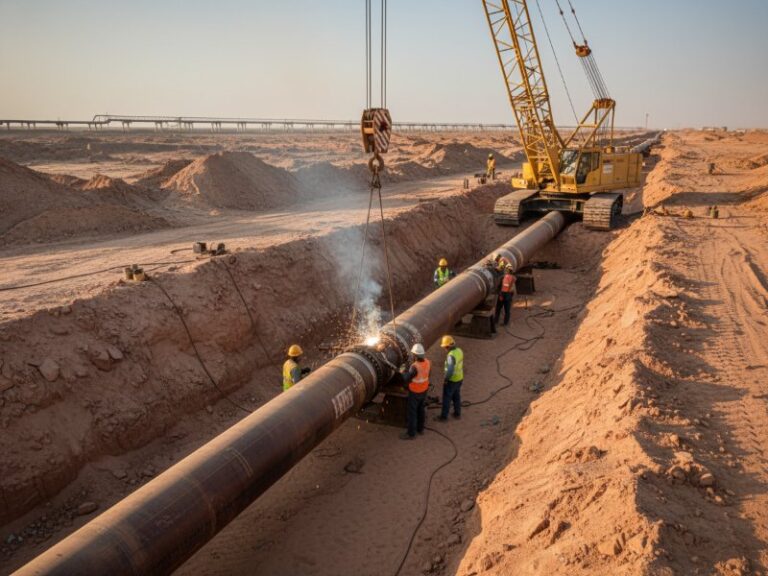
Рабочие в защитном снаряжении сваривают большой стальной участок нефте- и газопровода, проложенный в траншее в пыльной пустыне, а рядом стоит желтый гусеничный кран.

Какие поставщики предлагают лучшие услуги по обследованию и восстановлению трубопроводов?

Selecting the best pipeline inspection and rehabilitation vendor is not about finding a single top-ranked company. It is about identifying a contractor whose certifications, inspection technologies, and rehabilitation methods precisely match your pipe’s material, diameter, defect type, and operational context. This guide provides a data-driven, five-step selection framework covering industry standards (PACP/LACP/MACP),

Читать далее »
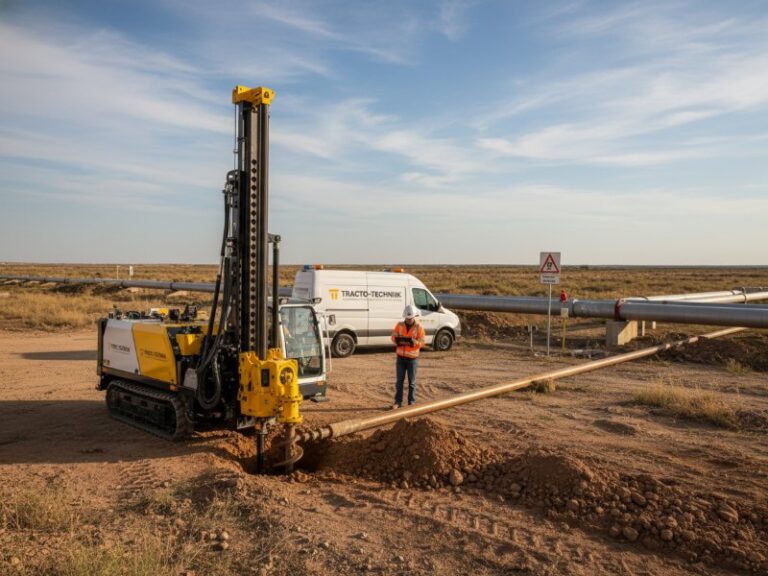
Yellow and white TRACTO-TECHNIK HDD drill rig drilling in a desert landscape near oil pipelines. An engineer monitors data beside a service van.

Какая марка бестраншейной техники имеет лучшую поддержку в ЕС?

*Updated May 2026: Latest EU contractor feedback + Tracto-City 2025 operational data* Use Case Best Brand Key Reason Best overall trenchless support Europe TRACTO-TECHNIK <24h response + remote diagnostics + Tracto-City training Large HDD projects Michels Trenchless GmbH ISO-certified project management + offshore expertise CIPP logistics & parts Vortex Europe

Читать далее »
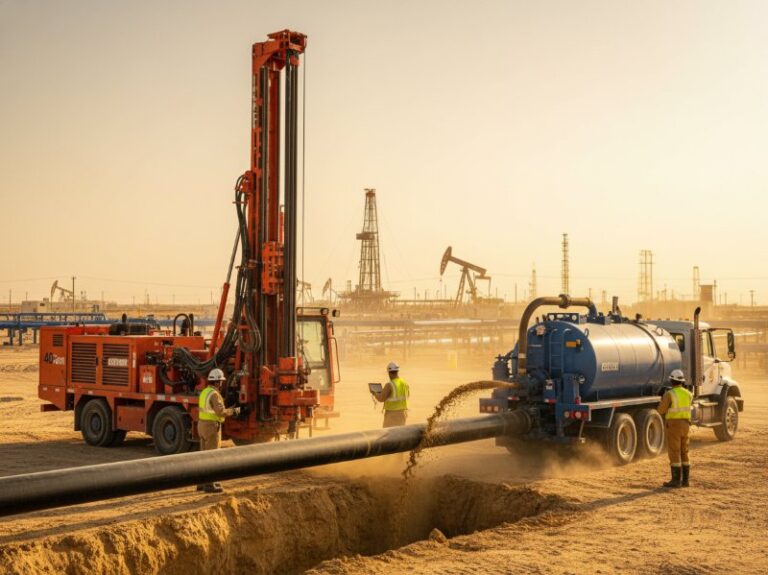
An orange horizontal directional drilling rig and a blue mud truck install a pipeline in a dusty oil field, overseen by workers in golden hour light.

Руководство по техническим характеристикам буровых установок ГНБ: Усилие, крутящий момент, расход бурового раствора и критерии покупки

The key technical specifications for an HDD rig in 2026 are thrust/pullback force (10,000–150,000 lbs), spindle torque (1,200–18,000 ft-lbs), mud pump flow rate (20–160 GPM), carriage travel speed (180–300 FPM), and drill pipe diameter (1.5–5.5 inches) – these five metrics determine maximum bore length, pipe diameter capacity, and soil adaptability

Читать далее »
Анализ повреждений CIPP-вкладыша, демонстрирующий трещины, отслоение, складки и дефекты внутри подземного трубопровода

Типы отказов CIPP-вкладышей: 10 распространенных проблем при бестраншейной облицовке труб, их причины и способы устранения

1. What Are the Most Common CIPP Liner Failure Modes?  The most common CIPP liner failure modes include: These failures are mainly caused by poor design, inadequate surface preparation, improper curing, installation errors, and unsuitable material selection. These CIPP defects and trenchless rehabilitation failures generally fall into five main categories: structural

Читать далее »
Инженерная иллюстрация геотехнического исследования в рамках горизонтально-направленного бурения, на которой изображены буровая установка для HDD, траектория прокладки подземного трубопровода, слои глины, песка, гравия и горной породы, испытания методом CPT, скважины для исследования грунта, уровень грунтовых вод и контрольно-измерительные приборы.

Как оценивается устойчивость грунта перед началом бестраншейных работ? Руководство по геотехническим изысканиям при горизонтально-направленном бурении (HDD)

Soil stability before a trenchless project is measured through five main steps: These tests determine soil strength, density, groundwater conditions, and the risk of collapse or hydraulic fracture (frac-out) before drilling begins. Soil Stability Testing Process at a Glance Investigation Stage Primary Test / Method Core Purpose Site Review Geological

Читать далее »
Техническая инфографика, в которой сравниваются концепции протягивания труб при использовании технологий HDD, разрыва труб, E-Power Pipe и втапливания облицовки на месте при прокладке подземных трубопроводов

Максимальное расстояние, на которое можно проложить трубу бестраншейными методами: ограничения по длине прокладки методом горизонтально-направленного бурения (HDD), методом разрыва труб и методом облицовки

The maximum distance a pipe can be pulled using trenchless methods ranges from approximately 50 meters to more than 3,000 meters, depending on the installation technology, pipe characteristics, ground conditions, and equipment limitations. For new pipeline construction, Horizontal Directional Drilling (HDD) typically achieves 200–800 meters per pull. For pipeline rehabilitation, specialized

Читать далее »
Техническая иллюстрация в виде разреза, на которой сравниваются смоляные вкладыши CIPP, напыляемая полимочевина, вкладыши из высокоплотного полиэтилена (HDPE) и сегменты конструкционной облицовки из ультравысокопрочного бетона (UHPC) в подземных канализационных трубах.

Лучшие материалы для бестраншейной реконструкции труб: сравнение технологий CIPP, полимочевины и HDPE

Best Materials for Trenchless Pipe Rehabilitation The most widely used and effective materials for trenchless pipe rehabilitation are thermosetting resin systems—specifically epoxy, polyester, and vinyl ester—combined with reinforcement fabrics such as fiberglass or polyester felt. For most municipal sewer rehabilitation projects, polyester CIPP offers the best cost-to-performance balance, while epoxy CIPP is preferred for pipes

Читать далее »
Техническая CAD-схема надувной заглушки внутри трубопровода с указанием векторов силы, характеризующих давление надувания, противодавление и сопротивление трению.

Какое давление может выдержать надувная заглушка для труб? Номинальное противодавление, пределы и руководство по безопасности

There is no universal pressure limit for inflatable pipe plugs. The maximum back pressure depends on the plug design, size, pipe diameter, pipe material, and installation conditions. Most inflatable pipe plugs are rated from 1 bar (14.5 psi) to more than 13 bar (188 psi). Always follow the manufacturer’s specific

Читать далее »