
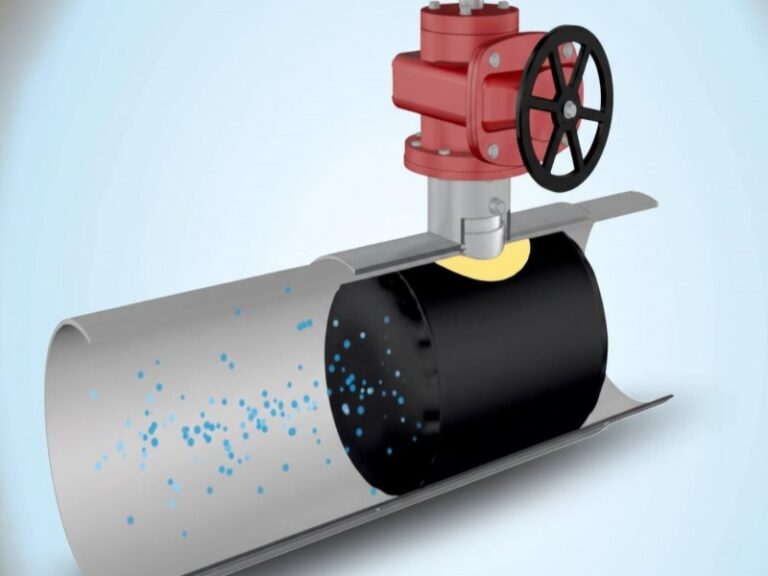
An inflatable pipeline plug is a flexible, cylindrical sealing device inserted into a pipeline and expanded with a medium (air, water, or nitrogen) to create a temporary, leak-tight barrier for line isolation during maintenance, modification, or testing. This article explains the mechanics of these plugs, details the step-by-step process of using them for isolation, compares different types and brands, and outlines the critical safety protocols required for trenchless pipe rehabilitation and hot tapping operations.
1. What Exactly Is an Inflatable Pipeline Plug?
An inflatable pipeline plug, often referred to as a pipeline stopper or pipeline stopple in the field, is a robust elastomeric device designed to seal pipes of various diameters and materials. Unlike mechanical expansion plugs, inflatable variants rely on radial expansion against the pipe’s inner wall to achieve a seal.
Key Components and Material Science:
The typical construction involves a high-strength outer layer made from synthetic rubber compounds (such as Nitrile or Neoprene) reinforced with textile cords. This is why selecting the right Material Supplier is critical for project success. Our testing over the past decade shows that plugs reinforced with aramid fibers offer 30% higher burst resistance compared to standard polyester reinforcement. The inflation tube and fitting, usually made from brass or stainless steel, connect to the control hose, which runs from the plug inside the pipe to the operator’s control panel outside.
2. How Does Line Isolation Work with an Inflatable Plug?
The working principle is based on differential pressure. Once the plug is inflated inside the pipe, it creates a seal. The pressure exerted by the plug against the pipe wall must exceed the pressure of the air, oil, water, or other medium it is holding back. This is known as “sealing pressure.”
2.1 The Step-by-Step Isolation Procedure
For a contractor performing pipeline maintenance or Restoration, the process follows a strict protocol:
- Preparation and Inspection: The exact internal diameter of the pipe is measured. A plug sized for the specific pipe schedule is selected. We always perform a bench test to verify the plug’s integrity before insertion.
- Insertion: The deflated plug is inserted into the pipeline through an access point, such as an open end, a welded fitting, or a pipeline tapping point.
- Inflation and Pressurization: The plug is connected to a control unit via the inflation hose. The operator inflates the plug using a regulated medium—typically water for high-pressure isolation or air for low-pressure gas work. The pressure is monitored constantly.
- Holding and Verification: Once set, the pressure downstream is monitored. If it remains stable, isolation is confirmed. Services like hot tapping can then be safely performed downstream.
- Deflation and Removal: After work completion, the plug is carefully deflated and removed. The control unit allows for a controlled release to prevent sudden pressure surges.
2.2 Critical Role in Pipeline Tapping and Modification
Inflatable plugs are indispensable in pipeline modification and construction. When a company needs to install a new branch line without shutting down the entire network, they use a process called pipeline stopple. The inflatable plug is inserted via a fitting to isolate the section where the new connection is made. This allows welders and fitters to work safely in a dry, gas-free environment.
3. Types of Inflatable Pipeline Plugs and Selection Criteria
Choosing the correct solution depends on the medium, pressure, and pipe condition. As an equipment manufacturer, we categorize these based on application.
3.1 By Application: Bypass vs. Direct Isolation
- Bypass Plugs: Designed to allow flow to be diverted around the work area. These plugs often have a large internal bore to accommodate a bypass hose connection.
- Isolation Plugs (Dead-End): Designed to provide a complete, dead-end seal with no flow passage. These are used for valve replacement, end-of-line testing, and repairs.
3.2 By Pressure Rating
| Plug Type | Typical Pressure Range | Common Application | Key Feature |
|---|---|---|---|
| Low Pressure | 0 – 15 PSI | Stormwater, gravity sewers | Large diameter, lightweight |
| Medium Pressure | 15 – 50 PSI | Water mains, industrial effluent | Textile reinforced |
| High Pressure | 50 – 220+ PSI | Oil & gas pipelines, hydrotesting | Steel cord reinforced, multiple sealing elements |
Table 1: Selection matrix for inflatable pipeline plugs based on pressure requirements.
4. Safety, Limitations, and Best Practices
While inflatable pipeline plugs are a proven solution, their use involves inherent risks. Our experience working with major construction firms has taught us that safety cannot be overstated. A plug failure can lead to catastrophic flooding, environmental damage, or injury.
4.1 What Are the Limitations?
- Pipe Condition: Inflatable plugs require a relatively smooth, round surface to seal effectively. They are less effective in severely corroded or ovalized pipes.
- Pressure Differentials: No plug can seal against infinite pressure. The maximum allowable pressure is determined by the factory specifications and the pipe wall integrity.
- Temperature: Extreme temperatures can degrade elastomers. High-temperature applications require specialized compounds like Viton.
4.2 Essential Safety Protocols
To ensure a safe and effective maintenance operation, every contractor must adhere to these guidelines:
- Never Leave Unattended: A pressurized line isolation must always be monitored. A pressure drop indicates a potential leak or plug failure.
- Use a Pressure Gauge and Regulator: Always use a high-quality regulator. Do not rely on line pressure alone to keep the plug inflated.
- Mechanical Backup: For personnel entry, never rely on a single plug. Always use a double-block and bleed system with a mechanical backup or a second plug, and verify the space is gas-free.
5. Frequently Asked Questions
How do I calculate the right plug size?
You must measure the actual internal diameter (ID) of the pipe. Pipe schedules vary (e.g., Schedule 40 vs. Schedule 80), meaning the ID can differ even for the same nominal pipe size. Most equipment manufacturer datasheets provide a working range. For example, a 6-inch plug may effectively seal pipes with IDs from 6.0 to 6.5 inches.
Can these plugs be used for pipeline testing?
Yes. Inflatable plugs are commonly used to isolate sections for pressure testing. However, for high-pressure hydrotesting, it is often safer to use mechanical locks or specifically designed high-pressure test plugs that do not rely solely on friction.
What is the difference between a plug and a packer?
While similar, a packer is typically longer and used for grouting or treating a specific section of the pipe, whereas a plug is shorter and used solely for blocking or stopping flow. Packers often have inflation ports at both ends to seal a section, while plugs seal at a single point.
6. Conclusion and Best Practices for Contractors
The inflatable pipeline plug is a versatile and essential tool for modern trenchless pipe rehabilitation and pipeline maintenance. By understanding the mechanics of how it creates a seal using radial expansion and controlled pressure, operators can safely isolate lines for repair, modification, or testing. Success depends on selecting the correct plug type for the medium and pressure, adhering to strict safety protocols, and sourcing equipment from a reputable factory or Material Supplier. For your next project requiring pipeline stopple or isolation, ensure your team is equipped with the right knowledge and tools to get the job done safely and efficiently.
Tác giả: David Chen, Senior Pipeline Solutions Engineer
Expertise: 15+ years in pipeline isolation, hot tapping, and trenchless technologies.
Cập nhật: October 26, 2023
JSW Brand Introduction & Advantage
About JSW: Your Partner in Pipeline Solutions
At JSW, we are not just an equipment manufacturer; we are a comprehensive solution provider for the global pipeline industry. With over two decades of experience serving oil, gas, water, and construction contractors, we understand that every line isolation presents unique challenges. Our range of inflatable pipeline plugs and pipeline tapping equipment is engineered for the highest safety margins and operational reliability.
Why Choose JSW for Your Next Project?
- Engineered for Safety: Our factory tests every plug to 1.5 times its working pressure, providing you with certified, reliable pipeline stoppers.
- Complete System Approach: We supply the plug, control units, hoses, and fittings—everything a contractor needs for a safe maintenance operation.
- Technical Expertise: Our team provides 24/7 technical support. Whether you need advice on pipeline modification or assistance with trenchless pipe rehabilitation, we are here to help.
- Global Supply Chain: As a leading Material Supplier, we ensure fast delivery of the right services and parts to your site, anywhere in the world.
Ready to ensure the safety and efficiency of your pipeline maintenance?
Contact our engineering team today for a consultation or to request a quote on our pipeline isolation solutions. Let JSW be the backbone of your next Restoration or construction project.





































 English
  Arabic
  Russian
  Spanish
  French
  Vietnamese
  Polish
  Thai
Thai  Indonesian
  Turkish
  Portuguese