
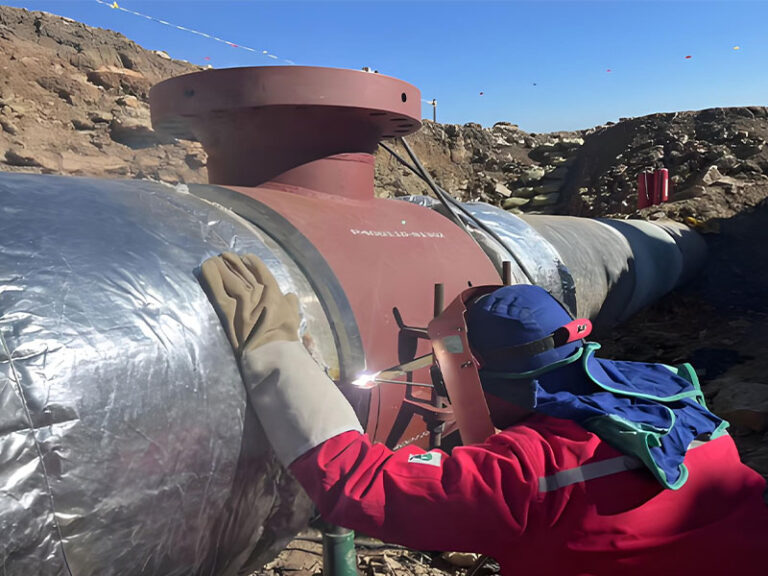
The main cost differences between trenching and trenchless construction methods center on their allocation of expenses: trenching incurs lower upfront direct costs but much higher indirect and social costs, while trenchless methods have a higher initial direct cost but significantly lower overall project costs by minimizing restoration, traffic disruption, and business downtime. On average, trenchless solutions can be 20% to 50% more cost-effective for projects in developed areas when considering the total project lifecycle. The primary drivers of this difference are the extent of excavation, the cost of site restoration, and the scale of societal disruptions such as traffic delays and business interruptions.
The choice between trenching, which involves digging an open trench, and trenchless methods, such as horizontal directional drilling (HDD) or pipe bursting, is not merely a technical decision but a critical financial one. This analysis breaks down the cost components—from equipment and labor to long-term societal impacts—and provides a clear framework for project planning. We will compare these methods across urban, suburban, and rural scenarios, and examine factors like pipeline material, diameter, and installation depth that critically influence the final budget.
1. Direct Cost Comparison: Equipment, Labor, and Materials
Direct costs are the most visible part of a project budget, encompassing equipment use, labor, and material consumption. Trenching and trenchless methods diverge significantly in this dimension.
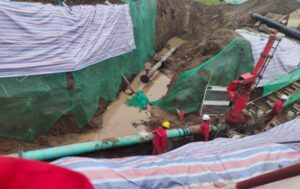
Trenching methods typically have lower direct costs for short, shallow runs in open areas. The equipment—excavators, backhoes, and compactors—is commonly available and less specialized. Labor is often standard excavation and pipelaying crews. Material costs are primarily for the pipe itself and basic bedding material like sand or gravel.
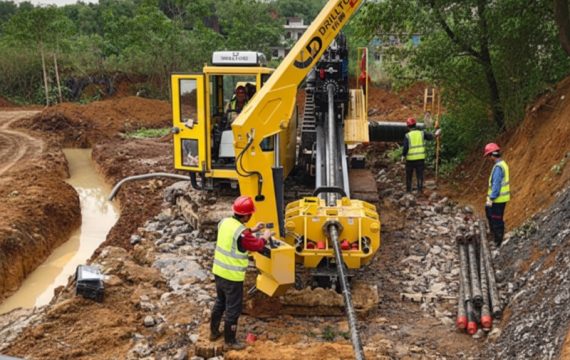
Trenchless methods involve higher upfront direct costs due to specialized technology. The capital expenditure for equipment like HDD rigs, pipe bursting systems, or cured-in-place pipe (CIPP) lining units is substantial. Operation requires highly trained technicians and pilots, commanding higher labor rates. Materials, such as the resin-saturated liners for CIPP or specially designed PE pipes for bursting, are also more expensive per linear foot than standard PVC or ductile iron pipe.
A simplified direct cost comparison for a 100-foot water line installation might look like this:
| Cost Component | Trenching (Open-Cut) | Trenchless (HDD) |
|---|---|---|
| Equipment Rental/Mobilization | $2,000 – $4,000 | $8,000 – $15,000 |
| Labor (Crew for 2 days) | $3,000 – $5,000 | $4,000 – $6,000 |
| Pipe Material (8-inch HDPE) | $1,500 | $1,800 (SDR-rated) |
| Other Materials (Backfill, etc.) | $1,000 | $300 (Drilling Fluid) |
| Estimated Direct Cost Total | $7,500 – $11,500 | $14,100 – $23,100 |
Note: This is a simplified illustration. Actual costs vary widely based on location, depth, diameter, and ground conditions.
2. Indirect and Social Cost Analysis: The True Cost of Disruption
Indirect and social costs often eclipse direct costs in urban and suburban environments, and this is where trenchless construction provides its most decisive financial advantage. These are the costs not directly tied to the physical installation of the pipe.
For trenching, these costs are enormous:
- Site Restoration: Replacing asphalt, concrete, landscaping, and sidewalks can cost $50 to $200 per square foot in a city center.
- Traffic Control & Delays: Requires police details, signage, detours. The economic cost of commuter delays can be quantified; studies suggest an average social cost of $25 to $65 per hour of delay per vehicle in congested areas.
- Business Interruption: Reduced customer access can cripple retail stores. Utility disruptions to other lines during excavation require costly repairs and coordination.
- Environmental Remediation: Handling contaminated soil, managing stormwater runoff from large open sites, and dust control add significant expenses.
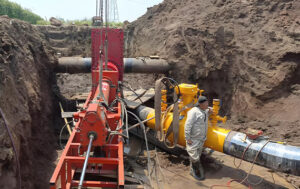
Trenchless methods drastically reduce these burdens. With minimal excavation limited to small entry and exit pits, restoration is minor. Traffic flow is maintained with small, localized work zones. There is negligible disruption to businesses, sidewalks, or other underground utilities, avoiding costly damage prevention and repair bills. This makes trenchless the preferred solution for contractors working in dense infrastructure corridors.
3. Scenario-Based Total Cost Breakdown
The ultimate cost-effectiveness of each method is revealed in total project cost comparisons across different environments. The following analysis synthesizes data from industry case studies and contractor estimates.
Scenario 1: Urban Street – Gas Line Replacement
- Trenching: Direct cost: $150,000. Restoration of asphalt, sidewalks: $200,000. Business compensation/traffic management: $75,000. Total: ~$425,000.
- Trenchless (Pipe Bursting): Direct cost: $250,000 (specialized crew, equipment). Restoration (two pits): $15,000. Minimal traffic/business impact: $10,000. Total: ~$275,000.
- Verdict: Trenchless saves approximately $150,000 (35%) in this urban scenario.
Scenario 2: Suburban Greenfield – New Sewer Main
- Trenching: Direct cost: $100,000 (open land). Restoration (lawn, irrigation): $25,000. Low social cost. Total: ~$125,000.
- Trenchless (HDD): Direct cost: $140,000. Restoration: $5,000. Total: ~$145,000.
- Verdict: Trenching is approximately $20,000 (16%) less expensive in this open, greenfield application.
Scenario 3: River Crossing – New Water Pipeline
- Trenching (Dredging): Environmentally prohibitive, requires permits, extensive restoration of banks. Total: Extremely High & Risky.
- Trenchless (HDD): Direct cost is the primary cost. No riverbed disruption, minimal environmental permitting. Total: Predictable and Controllable.
- Verdict: Trenchless is the only viable and cost-effective solution for sensitive or impossible-to-open-cut crossings.
4. Key Factors Influencing Your Project’s Cost
Several variables will determine which method offers the lower total cost for your specific project. A material supplier or experienced contractor can help assess these.
- Soil Conditions: Rocky or unstable soil increases trenching costs (blasting, shoring) and can challenge some trenchless methods. Cobble-free clays and sands are ideal for HDD.
- Pipeline Diameter and Depth: Very large diameters (>36 inches) may favor trenching. Greater depths significantly increase trenching cost (deeper shoring, more excavation) but have less impact on HDD cost.
- Project Length: Trenchless methods have high fixed mobilization costs. For very short runs (<50 feet), trenching is often cheaper. The cost-benefit of trenchless increases with project length.
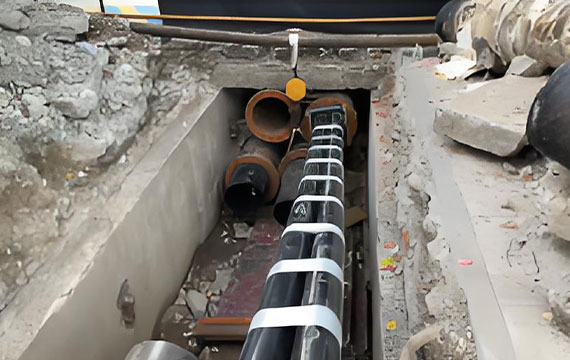
- Existing Infrastructure: A congested utility corridor favors trenchless to avoid damage prevention costs and service outages.
- Environmental & Permitting: Trenchless methods often face fewer regulatory hurdles and lower permitting costs due to their smaller surface footprint and reduced environmental impact, a critical consideration for projects near water sources or protected areas.
5. Making the Economically Informed Choice
Choosing the right method requires looking beyond the initial bid. Follow this decision framework:
- Calculate the True Total Cost: Demand or create an estimate that includes all direct costs AND quantified indirect costs (restoration, traffic control, potential business compensation).
- Assess Project Risks: Factor in the risk and cost of utility strikes, weather delays extending an open trench, and community opposition. Trenchless methods generally offer lower schedule and reputational risk.
- Consider Long-Term Value: For pipe rehabilitation, trenchless methods like CIPP often create a new, jointless pipe with a longer 50+ year design life compared to point repairs in a trench, offering better lifecycle value.
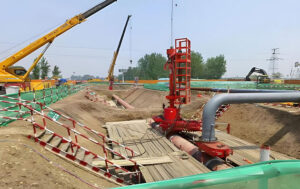
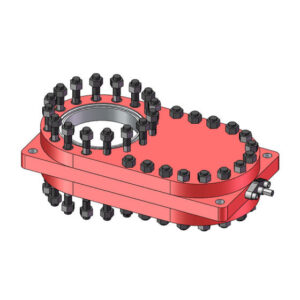
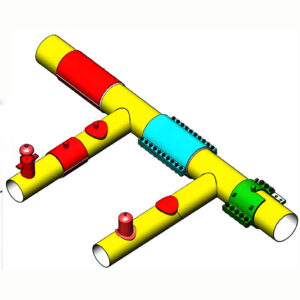
- Consult a Specialist: For complex projects, engage an experienced trenchless pipe rehabilitation services company early in the design phase. Their expertise in methods like hot tapping and pipeline plugging for modifications can identify savings not apparent in a traditional bid.
Industry Expertise: JSW Pipeline Solutions
At JSW Pipeline Solutions, we are more than an equipment manufacturer or material supplier; we are a comprehensive partner for complex pipeline infrastructure projects. With decades of field experience in oil, gas, water, and industrial pipeline networks, we understand that the lowest-cost bid is not always the lowest-cost solution.
Our expertise lies in providing integrated, trenchless-first solutions that reduce total project risk and cost. We support contractors and asset owners with:
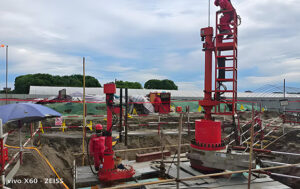
- Advanced Technical Support: From feasibility studies and bore planning for HDD operations to engineering support for pipeline modification projects using hot tapping and pipeline plug (stopple) techniques.
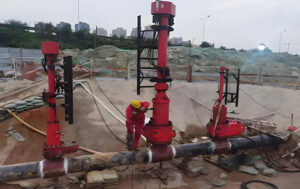
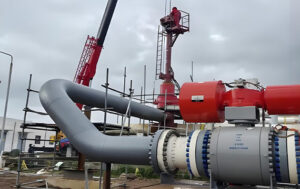
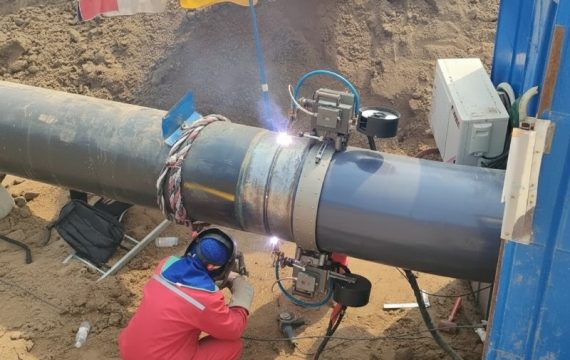
- High-Performance Equipment: Our factory-direct pipeline tapping and cutting machines are engineered for precision and reliability in critical live-line operations.
- Proven Materials & Methods: We supply and support proven trenchless pipe rehabilitation systems, helping extend asset life economically.
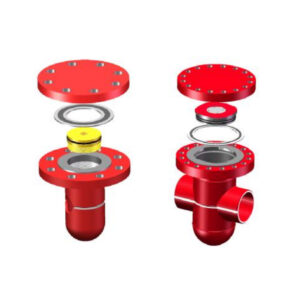
We help you navigate the cost equation by identifying where innovative trenchless technologies like pipeline stopper systems for temporary isolation can eliminate the need for costly system shutdowns and extensive excavation. Let our team conduct a complimentary high-level project review. Contact us today to discuss how we can help optimize the cost, schedule, and safety of your next pipeline construction, modification, or maintenance project.
Author: Alex Chen, Senior Project Engineer | JSW Pipeline Solutions
Field Experience: 15 years in pipeline construction management and trenchless technology consulting.
Last Updated: October 2024





 English
  Arabic
  Russian
  Spanish
  French
  Vietnamese
  Polish
  Thai
Thai  Indonesian
  Turkish
  Portuguese