
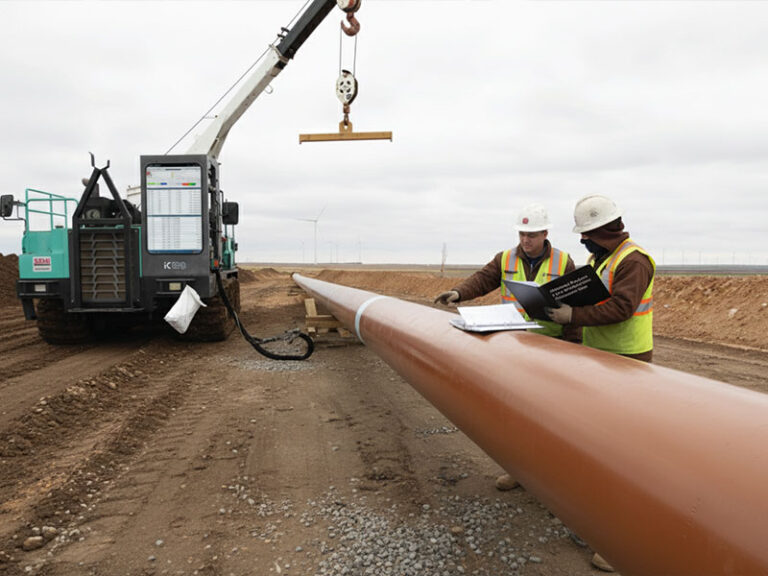
Vetting the financial stability and project history of a pipeline builder requires a systematic approach combining direct data requests, analysis of audited financial documents, verification of past project performance, and consultation with industry rating agencies.
This process is critical to mitigate risks in pipeline construction, maintenance, and complex services like hot tapping or trenchless pipe rehabilitation. A thorough vetting covers several key areas: analyzing the contractor’s financial health, scrutinizing its track record with similar projects, understanding its operational and safety standards, and validating its supply chain and partnerships with reliable Material Suppliers and equipment manufacturers.
1. Why is Financial Due Diligence for a Pipeline Contractor Non-Negotiable?
Financial vetting is paramount because a contractor’s insolvency can halt a project, lead to costly disputes, and compromise safety and quality. The principle of contractor self-monitoring, common in large-scale projects, places the responsibility for quality assurance squarely on the contractor. If they lack the financial resources to fulfill this duty, project integrity is at risk. Financial stability ensures the company can weather cost overruns, invest in proper equipment, and retain skilled personnel from start-up through Restoration.
2. Key Documents for Assessing Financial Health
Requesting and analyzing these documents provides a factual basis for assessment. Experts reviewing the Fehmarnbelt Fixed Link project requested five years of financial data for pre-qualification.
Core Financial Statements & Ratios
- Audited Financial Statements (3-5 years): Analyze income statements, balance sheets, and cash flow statements. Look for consistent revenue growth, manageable debt levels (debt-to-equity ratio), and healthy profit margins.
- Cash Flow Analysis: Studies show that cash flows are a primary indicator of a contractor’s ability to meet obligations-7. Examine operating cash flow to ensure it sufficiently covers expenses and debt payments. A cash flow-based credit model can effectively simulate future financial health
- Bonding Capacity Letters: Contact the contractor’s surety to verify their maximum bonding capacity per project and aggregate. This indicates the surety’s confidence in the contractor’s financial management.
- Bank References and Credit Reports: Obtain formal references and consider using commercial credit reporting agencies that specialize in construction sector analysis.
Industry-Specific Benchmarks
Compare the contractor’s financial metrics against industry benchmarks. For example, a 2024 report on gas transmission networks showed an average return on assets of 1.8% for one major system, impacted by operational expenditures. Understanding such context helps evaluate if a contractor’s financial performance is typical or an outlier.
Table: Key Financial Metrics for Pipeline Contractor Vetting
| Metric | What It Measures | Why It’s Important |
|---|---|---|
| Current Ratio (Current Assets / Current Liabilities) | Short-term liquidity | Indicates ability to pay upcoming bills and payroll. A ratio above 1.0 is essential. |
| Debt-to-Equity Ratio (Total Liabilities / Shareholders’ Equity) | Financial leverage & risk | Shows reliance on debt. A high ratio may signal financial stress. |
| Profit Margin on Projects | Operational efficiency | Reflects the company’s ability to control costs and deliver projects profitably. |
| Working Capital (Current Assets – Current Liabilities) | Day-to-day operational funding | Adequate capital is needed to fund a project before milestone payments are received. |
3. How to Verify Project History and Past Performance
A strong portfolio demonstrates technical capability and reliability. For the Fehmarnbelt project, bidders were required to name and secure major subcontractors upfront, highlighting how central past performance is to qualification.
Steps for a Comprehensive Review
- Request a Detailed Project List: Ask for a portfolio of projects completed in the last 7-10 years, including project value, scope (e.g., pipeline modification, pipeline stopple installation), client, and completion date.
- Check References Meticulously: Contact past clients, not just those provided. Ask specific questions about budget adherence, schedule performance, safety record, problem-solving, and communication.
- Review Case Studies and Certifications: Look for published case studies on complex solutions like trenchless pipe rehabilitation or hot tapping under pressure. Verify relevant certifications (e.g., API, ASME, ISO 9001).
- Search for Litigation History: Check public records for arbitration cases, lawsuits, or significant disputes with clients, subcontractors, or regulators.
4. What Specific Red Flags Should You Look For?
Beyond the numbers, certain warning signs warrant deeper investigation. As noted in project finance due diligence, understanding a sponsor’s “creditworthiness to perform their obligations” is fundamental.
- Inconsistent or Declining Cash Flow: Erratic cash flow is a major predictor of future distress.
- Over-Reliance on a Single Client or Project Type: This indicates high vulnerability to market shifts.
- Frequent Executive or Key Personnel Turnover: This can disrupt project continuity and institutional knowledge.
- Vague or Incomplete Project References: An unwillingness to provide transparent contact information for past clients is a significant concern.
- Poor Safety Record: A high OSHA incident rate or history of serious violations poses operational, financial, and reputational risk.
- History of pipeline plug or pipeline stopper Failures: For contractors specializing in maintenance, evidence of product or service failure in the field is a critical red flag.
5. How to Evaluate the Builder’s Operational & Safety Framework?
A robust operational framework translates financial and historical strength into safe, on-the-ground execution. The Fehmarnbelt contract placed ultimate responsibility for methods and verification on the prime contractor, who had to submit a detailed Project Quality Programme for owner approval.
Key Framework Components
- Formal Quality Management System (QMS): A certified QMS (like ISO 9001) ensures consistent processes for design, procurement, construction, and inspection.
- Comprehensive Safety Program (HSE): Review their written Health, Safety, and Environment manual, training logs, and emergency response plans. Ask for their Experience Modification Rate (EMR).
- Subcontractor Management: The prime contractor is responsible for their subcontractors’ performance. Assess their process for pre-qualifying and monitoring Material Suppliers and specialty services.
6. FAQ: Common Questions on Vetting Pipeline Builders
Q: Can I rely solely on a low bid if the contractor is financially shaky?
A: No. A low bid from a financially unstable contractor is a high-risk proposition. Cost overruns, corners cut on materials or safety, and potential abandonment will likely lead to far greater total costs. The UK’s National Audit Office warns that inappropriate risk transfer to the private sector can come at a very high cost
Q: What is the single most important document to request?
A: While all are important, 3-5 years of audited financial statements are irreplaceable. They provide a verified, standardized look at the company’s financial trajectory and health, forming the basis for all other ratio and trend analyses.
Q: How important is it to vet their major suppliers and subcontractors?
A: Critically important. As seen in major projects, the prime contractor is fully responsible for their subcontractors’ performance. Insolvency of a key subcontractor can severely disrupt progress. Ensure the builder has strong partnerships with reputable equipment manufacturers and suppliers.
7. Integrating Your Findings into a Decision Matrix
After gathering all data, create a simple scoring matrix to compare potential builders objectively. Weight the categories based on your project’s specific priorities (e.g., financial stability might be 40%, project history 30%, safety 20%, operational framework 10%).
Author & Article Information
- Author: J. Wilson, Senior Project Risk Analyst
- Authority: Over 15 years of experience in infrastructure finance and contractor due diligence, having worked with major energy firms and public utilities.
- Last Updated: January 2026
- Purpose: This guide is based on established project finance due diligence principles, contemporary case studies, and financial analysis research to provide a factual, actionable framework for risk mitigation.
At JSW Pipeline Solutions, we understand that the contractor vetting process you’ve just read about is exactly what our most diligent clients undertake before choosing a partner. We are not just an equipment manufacturer; we are a solution provider built on the principles of transparency, reliability, and deep technical expertise.
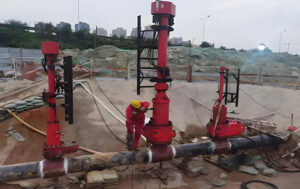
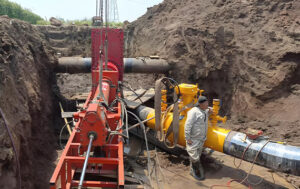
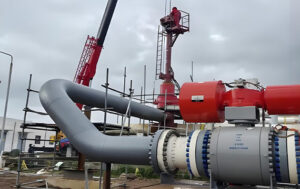
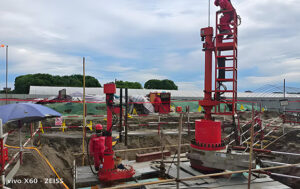
Our factory produces specialized equipment for hot tapping, pipeline plugging, and trenchless pipe rehabilitation, but our value extends beyond the product. We support your due diligence by providing:
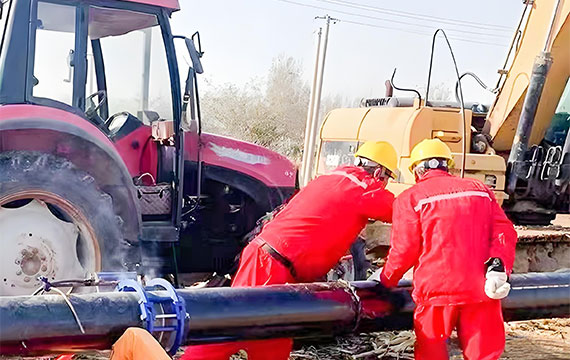
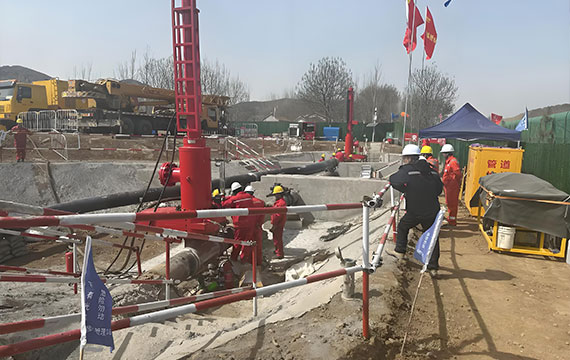
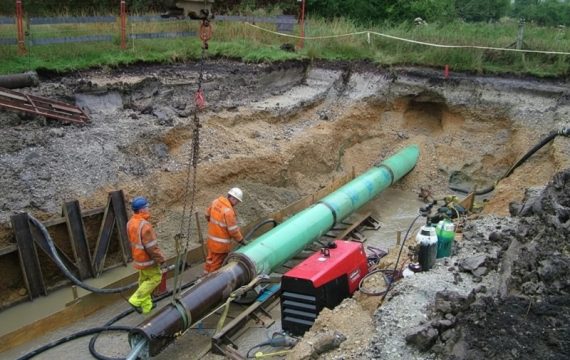
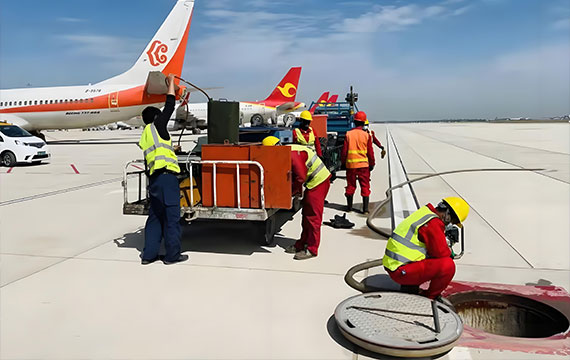
- Proven Project History: Detailed case studies showcasing our equipment’s role in successful oil, gas, and water maintenance and construction projects globally.
- Financial Stability: As a established company, we offer the supply chain security and long-term support that project financiers and owners look for.
- Technical Partnership: Our engineers work collaboratively with contractors from the planning stage through Restoration, ensuring the chosen solution fits the technical and safety requirements of the job.
If you are in the process of evaluating partners for an upcoming pipeline project, modification, or repair, and value a supplier that can withstand rigorous vetting, we invite you to consult with our technical team. Let us demonstrate how our services and equipment can de-risk your project and contribute to its successful, on-schedule completion.








 English
  Arabic
  Russian
  Spanish
  French
  Vietnamese
  Polish
  Thai
Thai  Indonesian
  Turkish
  Portuguese