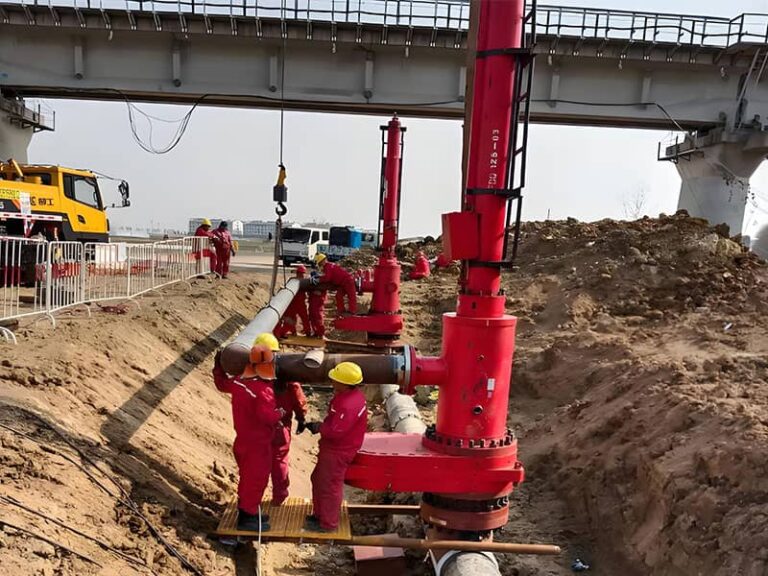
Hot tapping is a specialized pipeline maintenance and modification procedure that allows a new branch connection to be safely added to an existing, pressurized pipeline without interrupting service or product flow. The basic working principle involves mechanically drilling or cutting into the live pipeline while it is under pressure, using a containment assembly that prevents leaks. This article provides a comprehensive explanation of the hot tapping process, its critical components, safety protocols, and varied applications across industries like oil, water, and gas, making it an indispensable solution for infrastructure maintenance, restoration, and expansion.
1. What is the Fundamental Principle Behind Hot Tapping?
The fundamental principle is containment and isolation. The process works by creating a pressure-tight seal before penetrating the main pipe. A specialized fitting, typically a welding saddle or split-tee, is first permanently attached to the pipeline. A valve is then mounted on this fitting. Finally, a drilling machine is attached to the valve. The critical sequence ensures that the cutting tool enters the pressurized pipe through a sealed chamber, and the valve can be closed to isolate the new connection once the cut is complete. This eliminates the need for a costly and disruptive system shutdown.
Our engineering team consistently observes that adherence to this sequential isolation principle is the single most important factor in operational safety. The American Petroleum Institute (API) standards, particularly API 2201, rigorously define the safe procedures for hot tapping on in-service pipelines, refineries, and chemical plants, mandating specific design, welding, and operational protocols to mitigate risks.
2. Step-by-Step Breakdown of a Standard Hot Tap Procedure
A standard hot tap operation follows a meticulous, multi-stage sequence to ensure safety and integrity. Each stage is designed to address a specific risk, from welding on a live line to extracting the coupon (the cut piece of pipe).
2.1. Stage 1: Site Preparation and Fitting Installation
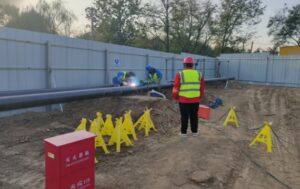
This foundational stage focuses on safety and precision. The pipeline’s operational parameters (pressure, temperature, product) are verified. The pipe wall thickness is measured to ensure it can safely withstand the welding and cutting. A certified welder then installs the hot tap fitting. For pipelines carrying flammable products, non-destructive testing (NDT) like radiography is often required to validate the weld integrity before proceeding.
2.2. Stage 2: Machine Attachment and Pressure Testing
The pressure-containing assembly—comprising the temporary valve and the hot tap machine—is bolted to the installed fitting. The entire assembly is then pressure tested. This test, usually performed at 1.1 to 1.5 times the operating pressure, confirms there are no leaks in the flanged connections and that the valve holds tight. It’s a critical proof-of-containment step.
2.3. Stage 3: The Drilling/Cutting Operation
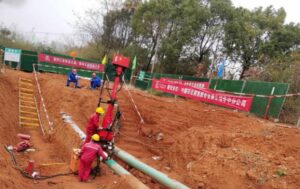
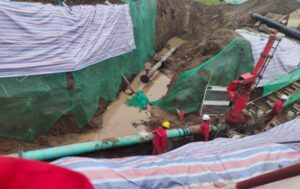
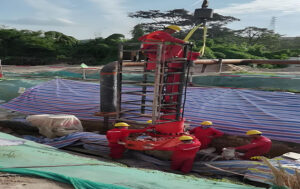
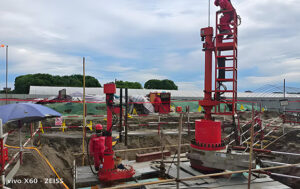
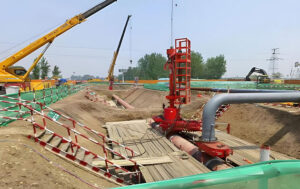
With the valve open, the cutting tool (a drill or a saw) is advanced through the valve and into the pipe wall. The machine’s housing contains the product and pressure during the cut. Once the cutter fully penetrates the pipe, the coupon is retained by a pilot drill or a U-bolt. The cutter is then retracted into the chamber, and the valve is closed. The machine can then be safely depressurized and removed, leaving a sealed, valved-off branch connection.
3. What Critical Equipment is Used in a Hot Tap?
The success of the procedure hinges on specialized equipment designed for live-line work. Key components include:
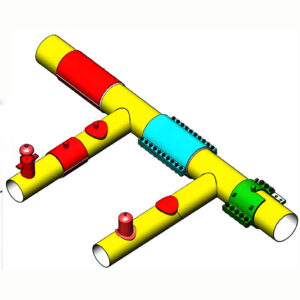
- Hot Tap Fitting: The base connection welded to the carrier pipe. Common types are split-tees, welding saddles, and full-encirclement sleeves.
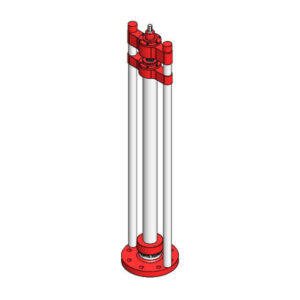
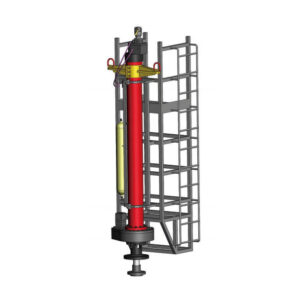
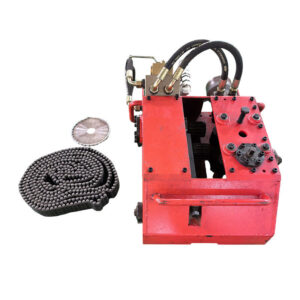
- Hot Tap Machine: A compact, heavy-duty drilling or cutting unit with a sealed housing. It includes the drive mechanism, cutter, and pilot assembly.
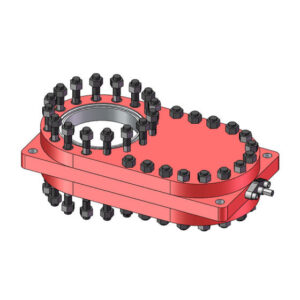
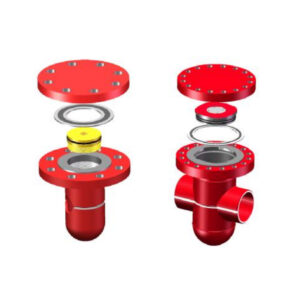
- Tapping Valve: A specially designed gate or ball valve that provides a means of isolation after the cut is made. It must be full-bore to allow the cutter and coupon to pass through.
- Cutter and Pilot: The cutting tool, often a hole saw or trepanning cutter, and the central pilot that guides it and retains the coupon.
Table 1: Key Hot Tapping Equipment and Primary Function
| Equipment | Primary Function | Material & Notes |
|---|---|---|
| Split-Tee Fitting | Provides the permanent branch connection; can be installed without welding on live lines in some cases. | Carbon or stainless steel; sized to match pipe and branch diameter. |
| Hot Tap Drilling Machine | Contains pressure during cutting and drives the cutter. | Hydraulic or pneumatic power; rated for specific pressure classes (e.g., ASME 600, 900). |
| Tapping Valve | Isolates the hot tap machine from pipeline pressure after the cut. | Full-port gate valve is standard; ensures smooth passage of cutter. |
| Pilot & Cutter Assembly | Performs the precise cutting of the pipe wall and retains the cut section (coupon). | High-speed steel or carbide-tipped; custom-sized for each tap. |
4. Where is Hot Tapping Most Commonly Applied?
Hot tapping is a cornerstone of modern pipeline infrastructure management across multiple sectors. Its primary value lies in enabling modifications without shutdowns, which can save millions in lost production and prevent service interruptions for end-users.
- Oil and Gas Industry: The most frequent user, for adding new laterals, installing inspection points, connecting new equipment, or facilitating pipeline stopple (plugging) operations for maintenance.
- Water and Wastewater: Used to add new service lines, connect meters, or install sampling ports in municipal water mains and treatment plant piping without disrupting supply to homes or businesses.
- Chemical and Process Plants: Essential for expanding or modifying intricate process piping networks during plant turnarounds or while maintaining continuous production.
- Power Generation: Applied in steam, coolant, and fuel lines for maintenance and system upgrades.
- HVAC and District Energy: Used to modify live heating or cooling distribution networks in large buildings or campuses.
5. How Does Hot Tapping Compare to Alternative Methods?
When pipeline modifications are needed, engineers typically evaluate hot tapping against the primary alternative: a complete system shutdown and traditional “cold cutting.”
Table 2: Hot Tapping vs. System Shutdown (Cold Work)
| Factor | Hot Tapping | System Shutdown & Cold Work |
|---|---|---|
| Service Interruption | None. Operations continue uninterrupted. | Required. Full shutdown of the line segment. |
| Cost Implication | Higher initial equipment/mobilization cost, but avoids massive production loss revenue. | Lower direct modification cost, but incurs potentially enormous cost from halted production or service. |
| Safety Risk Profile | Involves controlled, contained risk of working on live lines. Requires highly trained specialists. | Eliminates live-line risk but may introduce other hazards during system depressurization, purging, and recommissioning. |
| Project Timeline | Often faster overall, as it bypasses lengthy shutdown/restart sequences. | Can be longer due to the need for complete system isolation, purging, and restart. |
| Best For | Critical, non-interruptible services; high-revenue production lines; emergency repairs. | Non-critical lines; planned facility-wide turnarounds; when product in the line is exceptionally hazardous if not purged. |
6. What are the Non-Negotiable Safety Protocols?
Safety is paramount in hot tapping due to the inherent risks of working on energized systems. Protocols are not merely guidelines but enforced procedures.
- Comprehensive Risk Assessment (JSA/HAZOP): A Job Safety Analysis (JSA) or Hazard and Operability Study (HAZOP) must be conducted for every job to identify specific hazards related to the product, pressure, location, and environment.
- Strict Adherence to Codes and Standards: Work must comply with relevant standards like API 2201, ASME B31.3/B31.4/B31.8, and OSHA regulations for confined spaces and hazardous energy control.
- Qualified Personnel and Welding Procedures: Only certified welders qualified for in-service welding (per API 1104 or similar) can install fittings. Machine operators must be specially trained.
- Contingency and Emergency Planning: A detailed emergency response plan must be in place, covering scenarios like equipment failure or unexpected product release. All personnel must be briefed on evacuation routes and procedures.
Our field crews’ primary rule, born from decades of experience, is: “If any pre-job condition deviates from the plan or raises a doubt, the work is paused until engineering reassessment confirms safety.”
7. Frequently Asked Questions (FAQ) on Hot Tapping
Q: Can hot tapping be performed on any type of pipeline?
A: No. The pipeline must be evaluated first. Key limiting factors include the pipe material (it must be weldable), wall thickness (must be sufficient to withstand the cut), the product being carried (some highly corrosive or toxic products require extreme precautions), and operating pressure. A thorough engineering review is always mandatory.
Q: What happens to the piece of pipe that is cut out (the coupon)?
A: The coupon is a critical safety indicator. It is securely retained by the pilot drill or a retention arm during the cut and is retrieved with the cutting assembly. Its successful retrieval confirms the cut was complete and that no piece fell into the operating pipeline, which could cause downstream damage. The coupon is often inspected and documented as part of the job record.
Q: Is hot tapping considered a form of trenchless technology?
A: Yes, it often is. While the actual tapping might require excavation at the connection point, it is a key technique within the broader trenchless pipe rehabilitation and modification toolkit. It allows for new connections without needing to dig up long sections of pipeline to drain and cut it, minimizing surface disruption and construction impact.
Q: Who typically performs hot tapping services?
A: Due to the high risks and specialized skills required, hot tapping is performed by specialized contractor companies that focus on live-line services. These firms employ certified welders and operators, maintain specialized equipment manufacturer-supplied machinery, and carry the necessary insurance. They work closely with the pipeline owner, Material Supplier, and engineering teams.
Author: Michael Chen, P.Eng. | Senior Pipeline Integrity Engineer
Last Updated: October 26, 2023
Michael has over 15 years of experience in pipeline design, maintenance, and live-line intervention strategies. He has supervised hundreds of hot tapping and pipeline stopple projects across the oil, gas, and municipal water sectors.
JSW Pipeline Solutions
At JSW Pipeline Solutions, we are more than just a service contractor; we are your engineering partner for critical pipeline infrastructure. With over two decades of specialized experience in live-line interventions, our expertise extends across the entire spectrum of pipeline modification, maintenance, and restoration.
Our core services in hot tapping and pipeline stopple plugging are built on a foundation of uncompromising safety, precision engineering, and operational reliability. Unlike general construction firms, we invest in state-of-the-art hot tapping equipment from leading equipment manufacturer partners and maintain a team of in-house, API-certified welders and operators. This vertical integration allows us to guarantee quality control from initial engineering assessment to final execution, whether for a simple water main connection or a complex oil or gas line modification under high pressure.
What truly sets JSW apart is our proactive approach to pipeline integrity. We don’t just perform the task; we provide a comprehensive solution. Our pre-job engineering review is exhaustive, ensuring every project complies with API 2201 and all relevant safety codes. We openly discuss the limitations and risks associated with each procedure, providing clear, data-backed recommendations. Our clients in the water, air (compressed gas), and industrial sectors consistently report that our meticulous planning and first-hand operational experience translate into minimized downtime, eliminated unexpected issues, and total project peace of mind.
Ready to discuss a safe, efficient solution for your next pipeline modification or repair project? Contact our engineering team today for a confidential consultation and a detailed project assessment. Let us show you how the JSW difference can add value to your operations.








 English
  Arabic
  Russian
  Spanish
  French
  Vietnamese
  Polish
  Thai
Thai  Indonesian
  Turkish
  Portuguese