
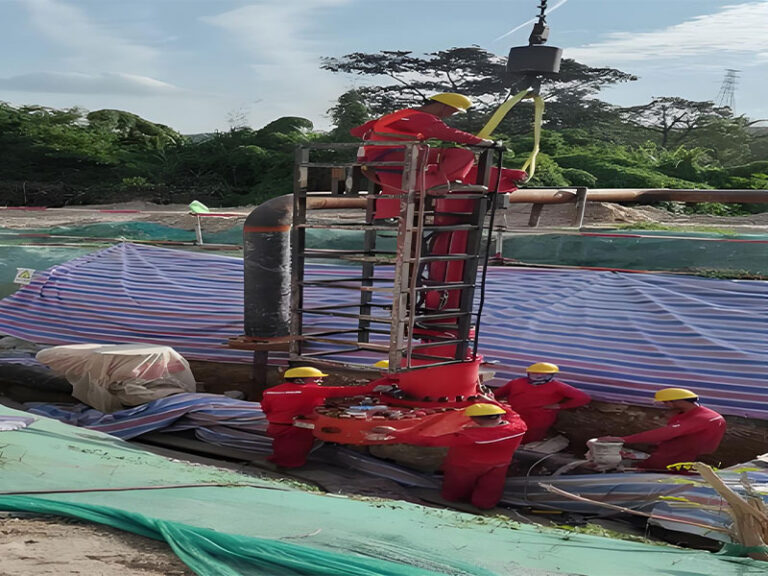
A hot tapping operation requires a coordinated set of specialized equipment and tools, including a hot tapping machine, a compatible hot tap fitting or tee, a full-bore isolation valve, specific cutting tools, and a suite of safety and auxiliary gear to perform the work on a live, pressurized pipeline safely and effectively. This guide will detail each component, explaining its function within the maintenance and construction process. We will also cover critical specifications, from pressure ratings to material compatibility, and outline the operational workflow that ties these tools together, ensuring you have the knowledge to plan a compliant and efficient project for oil, water, or air systems.
Core Hot Tapping Machinery and Components
At the heart of any hot tapping procedure is the equipment designed to contain pressure and perform the cut. These are not standard workshop tools but engineered systems for critical pipeline modification.
Hot Tapping Machine
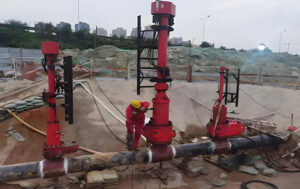
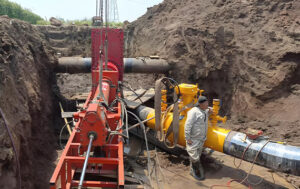
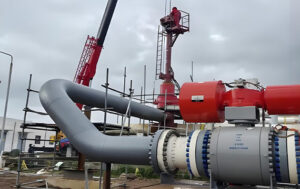
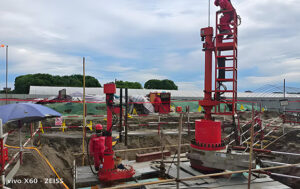
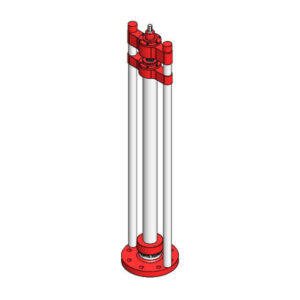
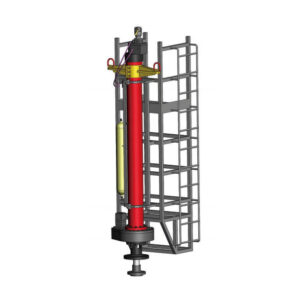
The hot tapping machine is the primary apparatus that performs the cutting operation on the pressurized pipe. It is a precision device that mounts onto a valve previously installed on the pipeline. Its core function is to advance a cutting tool through the valve, make a clean cut into the pipe wall, and retract the cut section (known as a coupon) without releasing the system pressure.
These machines are rated for specific pressure classes and pipe diameters. For instance, equipment designed for high-pressure oil and gas transmission lines, which may operate above 10 MPa, differs significantly from machines used for municipal water mains. Modern advancements focus on reliability and safety; some high-specification models incorporate dual pressure-balancing systems. This redundancy ensures that if one system fails, a backup immediately takes over, preventing a dangerous pressure imbalance during the cut.
Hot Tap Fittings and Branch Connections
Before a machine can be mounted, a permanent connection point must be established on the “mother” pipeline. This is achieved using a hot tap fitting. Common types include:
- Split Tees: These are often used for larger connections and can be bolted around an existing pipe, sometimes eliminating the need for welding.
- Welding Outlets (Weld-O-Lets): These are welded directly onto the pipeline and provide a strong, leak-proof branch.
- Tapping Saddles: Frequently used for water and gas distribution lines, these clamp or bolt onto the pipe, providing a riser for the valve and machine.
The choice of fitting depends on the pipe material, pressure, and the purpose of the tap. All fittings must be engineered to the same pressure rating as the pipeline and provide a perfectly sealed base for the subsequent steps.
Full-Bore Isolation Valve
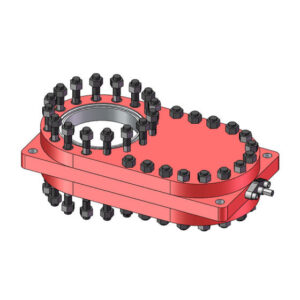
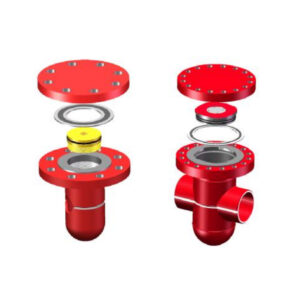
A full-bore gate or ball valve is installed on top of the hot tap fitting. This valve serves as the critical barrier between the live pipeline and the tapping machine. After the machine completes the cut and is retracted, this valve is closed. This allows the hot tapping machine to be safely removed while the pipeline remains pressurized and in service. The valve’s “full-bore” design is essential to allow the cutting tool and the extracted coupon to pass through it without obstruction.
Cutting Tools and Critical Consumables
The cutting assembly is what physically interfaces with the pipe wall. Its precision determines the success of the seal and the safety of the operation.
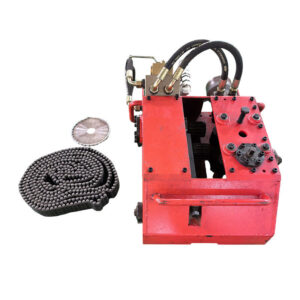
- Cutters and Hole Saws: These are mounted inside the tapping machine and are specific to the pipe material—whether it’s steel, cast iron, ductile iron, or plastic (PVC, MDPE). For tough materials like high-strength X80 pipeline steel, cutters made from (high-strength hard alloy) with specialized tooth geometry are used to ensure a smooth, controlled cut.
- Pilot Drill and Coupon Retriever: The operation typically starts with a pilot drill that makes the initial penetration. The cutter then follows. A “U-wire” or similar coupon retriever mechanism is integral to the assembly; it captures the cut-out section of pipe wall (the coupon) and pulls it back into the machine, preventing it from falling into and blocking the live pipeline.
- Sealing Elements: For pipeline stopple or plugging operations, the cutting phase is followed by the insertion of a sealing device. Modern pipeline plug heads use advanced materials like multi-lip sealing instead of single lip designs. These provide multiple sealing lines, significantly enhancing reliability under both high and low-pressure conditions.
| Equipment | Primary Function | Key Specifications | Common Materials |
|---|---|---|---|
| Hot Tapping Machine | Performs controlled cutting on live pipe | Max Pressure (e.g., 10 MPa), Compatible Pipe Diameter Range, Drive Type (Hydraulic/Pneumatic) | Carbon Steel, Aluminum Alloy Frame[citation:1] |
| Hot Tap Fitting (Tee/Saddle) | Provides sealed connection point to main pipe | Pressure Class (ASME B16.5), Nominal Pipe Size (NPS), Attachment Type (Weld/Bolt) | Carbon Steel, Stainless Steel |
| Isolation Valve | Isolates tapping machine from live line | Full-Bore Design, Pressure Rating, Actuation Type | Carbon Steel, Stainless Steel |
| Cutting Tool Assembly | Executes pipe wall cut and retrieves coupon | Pipe Material Compatibility, Cutter Diameter | High-Speed Steel, Carbide-Tipped |
Auxiliary Equipment and Safety Systems
A safe hot tapping operation extends far beyond the main machine. It requires support systems for stability, pressure management, and hazard mitigation.
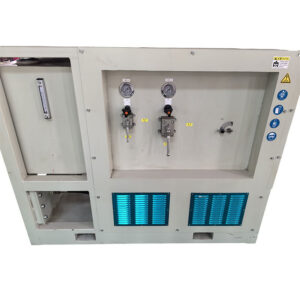
- Hydraulic Power Unit: Most modern hot tapping machines are hydraulically driven. A portable power unit provides the necessary force to advance the cutter and, in some systems, operate the valve. Hydraulic systems are preferred for their power and safety in potentially flammable environments.
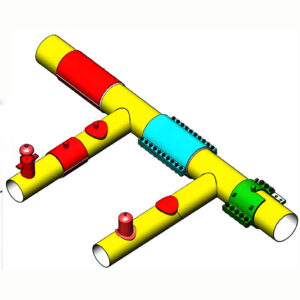
- Pipeline Hot Tapping Insertion and Sealing Gear: This category includes the pipeline stopper or plugging head used in pipeline modification projects where a section of line must be isolated. It also encompasses the temporary bypass piping system. A bypass is crucial during pipeline stopple work; it reroutes the flow (e.g., of oil or gas) around the isolated section, allowing maintenance or replacement without shutting down the entire network.
- Safety and Monitoring Gear: This is non-negotiable. Essential items include:
- Pressure Gauges and Monitors: Continuously track system pressure before, during, and after the tap.
- Leak Detection Equipment: Such as gas detectors for hydrocarbon services.
- Fire Prevention Systems: Including ready-to-use fire extinguishers and blankets, especially for oil and gas lines.
- Personal Protective Equipment (PPE): Fire-resistant clothing, face shields, and helmets for the entire crew.
Industry standards are unequivocal: for high-pressure oil and gas lines, hot tapping is classified as a special-grade hot work operation, mandating the highest level of safety preparedness.
Operational Workflow and Integration
Understanding how the equipment sequences together clarifies the process. The standard workflow for a hot tapping operation, integral to trenchless pipe rehabilitation and construction projects, involves several key stages:
- Site Preparation & Fitting Installation: The pipeline section is exposed and prepared. The appropriate hot tap fitting (e.g., split tee) is welded or mechanically secured to the pipe.
- Valve and Machine Mounting: The full-bore isolation valve is installed on the fitting. The hot tapping machine, pre-loaded with the correct cutter, is then bolted to the valve.
- Pressure Testing: The entire new assembly (fitting, valve, and machine) is pressure tested to a value exceeding the pipeline’s operating pressure to confirm integrity.
- The Tapping Sequence: The valve is opened. The machine is operated, advancing the pilot drill and cutter through the valve to cut into the live pipe. The coupon is captured and retracted into the machine.
- Isolation and Completion: The machine is retracted fully into its housing, the isolation valve is closed, and the pressure is bled from the machine cavity. The hot tapping machine can then be safely detached. The new branch is now ready for use.
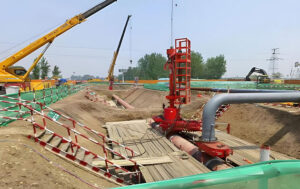
Figure: A simplified diagram showing the arrangement of a hot tapping setup on a live pipeline, illustrating the relationship between the fitting, valve, and tapping machine.
Key Specifications for Equipment Selection
Selecting the right equipment manufacturer’s tools requires matching technical specs to the job parameters. Misalignment here is a primary cause of failure.
- Pressure and Diameter Compatibility: The equipment’s pressure rating must exceed the pipeline’s maximum operating pressure (MAOP). Similarly, the machine and fittings must match the pipeline’s nominal diameter (NPS or DN). Using a Class 150 fitting on a Class 600 pipeline is a severe safety risk.
- Material Compatibility: The materials of construction (e.g., carbon steel, stainless steel) must be compatible with both the pipeline product (to prevent corrosion) and the external environment. For example, stainless steel is chosen for corrosive water or chemical services.
- Portability and Site Constraints: In congested urban construction sites, compactness is key. Leading contractor-focused equipment is now designed to operate in spaces as small as 1 square meter, a significant advantage over traditional large-frame machines.
JSW Pipeline Solutions: Your Partner for Safe and Efficient Hot Tapping
At JSW Pipeline Solutions, we understand that a hot tapping operation is more than just a list of tools; it’s a high-stakes procedure where safety, precision, and reliability cannot be compromised. As an experienced equipment manufacturer and Material Supplier, we provide integrated solution that address the complete workflow.
Our services are built on deep industry expertise. We offer not only certified and rigorously tested hot tapping machines, pipeline plugging heads, and fittings but also comprehensive planning support and operator training. For contractors, this translates to predictable project outcomes, reduced risk of unplanned overruns, and enhanced on-site efficiency—especially in confined workspaces where traditional equipment fails.
Ready to ensure your next pipeline modification or maintenance project is executed with the highest standards of safety and precision? Contact JSW Pipeline Solutions today for a detailed consultation. Let our experts help you select the perfect equipment solution for your specific application in the oil, gas, water, or industrial sectors.








 English
  Arabic
  Russian
  Spanish
  French
  Vietnamese
  Polish
  Thai
Thai  Indonesian
  Turkish
  Portuguese