
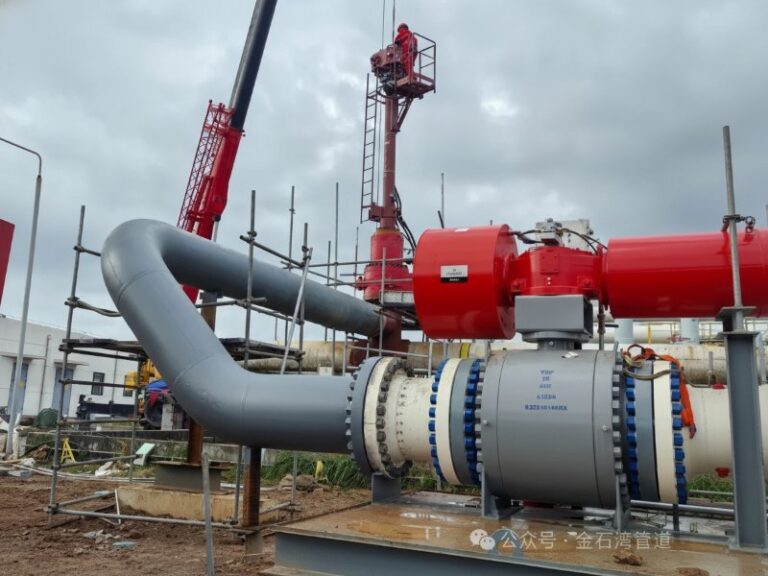
The main technical standards governing hot tapping are ASME PCC-2, API RP 2201, and a suite of complementary ASTM and industry-specific codes, which collectively define the materials, procedures, welding, inspection, and safety requirements for making pressurized connections to live pipelines and vessels. This comprehensive guide details these critical standards, explaining their application across industries like oil, water, and gas. It covers the engineering assessments, equipment certification, contractor qualifications, and safety protocols essential for compliant pipeline modification, maintenance, and restoration projects.
The Primary Governing Standards for Hot Tapping
Hot tapping is a high-risk procedure that demands strict adherence to internationally recognized codes to prevent catastrophic failure. The core standards form a hierarchical framework, providing both overarching guidelines and specific technical rules.
ASME PCC-2: Repair of Pressure Equipment and Piping
ASME PCC-2 is often considered the cornerstone standard for hot tapping in North America. It provides the fundamental engineering and procedural requirements. The standard mandates a detailed feasibility analysis, specifying allowable stresses, temperature ranges, and material compatibility. It gives explicit guidelines for the design of hot tap fittings, the qualification of welding procedures, and the necessary non-destructive examination after weld completion. A key requirement is typically 100% radiographic or ultrasonic testing of the attachment weld to ensure integrity before the tap is made.
API RP 2201: Safe Hot Tapping Practices in the Petroleum & Petrochemical Industries
While ASME PCC-2 covers the “how,” API Recommended Practice 2201 focuses intensely on the “how safely” within hydrocarbon service. This standard is indispensable for any hot tapping services on oil, refinery, or petrochemical pipelines. It emphasizes hazard reviews, combustibility of the pipeline content, and the control of ignition sources. API RP 2201 outlines strict pre-job checklists, personnel training requirements, and emergency response planning. For any contractor working on live hydrocarbon lines, adherence to this standard is non-negotiable for both safety and compliance.
ASTM Standards for Material and Procedure Qualification
Underpinning the execution standards are various ASTM specifications that ensure material quality and performance. For instance, the mechanical properties of the hot tap fitting and the branch valve must conform to ASTM material grades such as A105 or A106. The qualification of the welding procedure itself often references ASTM standards for testing weld coupons. Furthermore, the cutter tool used in the tapping machine must be made from tool steel that meets stringent hardness and durability criteria to ensure a clean cut and prevent the creation of hazardous metal shavings during the operation.
Essential Components of a Compliant Hot Tap Procedure
Adherence to standards translates into a meticulous, documented process. Each phase, from initial planning to final inspection, is governed by specific clauses within the primary codes.
Engineering Assessment and Feasibility Study
No hot tap should proceed without a formal engineering assessment. This study, required by ASME PCC-2, evaluates whether the pipeline or vessel wall has sufficient thickness to withstand the additional stress of welding and tapping. It calculates the Maximum Allowable Working Pressure during the operation and verifies the selected fitting is rated for the service conditions, including temperature and fluid composition. Our experience shows that a robust feasibility study is the most effective way to mitigate the risk of pipeline failure during modification.
Welding and Non-Destructive Examination (NDE) Requirements
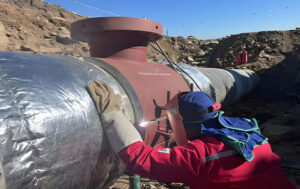
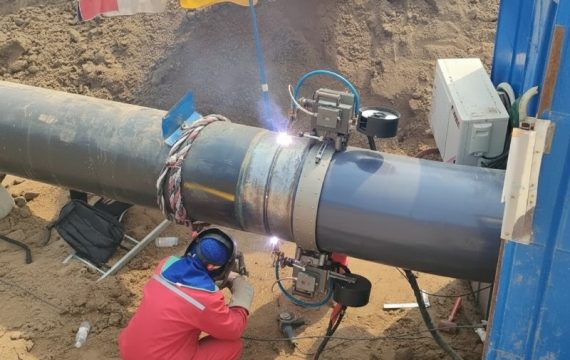
The integrity of the hot tap hinges on the quality of the weld joining the fitting to the live line. Standards require that welders are qualified specifically for “in-service welding” techniques, which account for the rapid heat dissipation caused by the flowing product. A written Welding Procedure Specification must be strictly followed. Upon completion, 100% Non-Destructive Examination—such as radiography or phased array ultrasound—is a code mandate in most cases to verify the weld is free of cracks, lack-of-fusion, or other critical defects.
Equipment Certification: Fittings, Machines, and Cutters
All equipment must carry proper certification. The hot tap fitting and isolation valve typically require a Manufacturer’s Data Report Form certifying compliance with standards like ASME B16.11. The tapping machine itself, whether for a small water line or large-diameter crude oil pipeline, must have a documented pressure rating that exceeds the operating line pressure. In our factory tests, we pressure-test all critical equipment to 1.5 times its rated capacity before it is approved for use on a construction site, ensuring a safety margin for the contractor.
Industry-Specific Standards and Best Practices
Beyond the core standards, specific sectors have additional codes that must be integrated into the hot tapping plan, reflecting the unique risks of different pipeline contents.
Oil & Gas Pipeline Standards (ASME B31.4/B31.8, API 1104)
For transmission pipelines, ASME B31.4 (Liquid) and B31.8 (Gas) are the governing construction and operation codes. Any hot tap constitutes an “alteration” under these codes, triggering specific notification and documentation rules. Welding on these pipelines must also comply with API 1104, “Welding of Pipelines and Related Facilities.” The combination of B31.8, API RP 2201, and API 1104 forms the complete regulatory mosaic for a natural gas pipeline hot tap, covering everything from material traceability to weld bead profile.
Water and Wastewater Standards (AWWA C200-C900 Series)
Hot tapping on water mains is governed by American Water Works Association standards. The relevant material standards dictate acceptable materials for fittings and require specific considerations for disinfection and contamination prevention. While the risks differ from hydrocarbon services, the potential for catastrophic pressure release and service interruption remains high, making adherence to these specialized standards critical for municipal water and wastewater maintenance projects.
Special Considerations for Air, Gas, and Chemical Lines
Industrial air and chemical lines require a thorough review of the fluid’s properties. For oxygen lines, exceptional cleanliness to prevent combustion is paramount and often requires procedures beyond standard codes. For corrosive chemicals, the compatibility of the hot tap fitting material with the process fluid is a critical part of the feasibility study, frequently necessitating special alloys like stainless steel or Inconel. These scenarios demand that the standard procedures in ASME PCC-2 be augmented with a rigorous, site-specific Process Hazard Analysis.
Implementing Standards: From Planning to Execution
Successful hot tapping is a collaborative effort between the asset owner, the engineering firm, the material supplier, and the field contractor. Each party has defined responsibilities under the relevant standards.
The Role of the Contractor and Material Supplier
A qualified hot tapping contractor is the executing agent of the engineered procedure. Their responsibilities include providing certified personnel (welders, technicians), approved equipment (tapping machines, pipeline plugging equipment), and adhering to the safe work practices of API RP 2201. The material supplier or equipment manufacturer must furnish fully traceable certification for all components, from the pipeline tap fitting to the seals in a temporary pipeline plug. This chain of custody is vital for audit trails and quality assurance.
Safety Protocols and Risk Mitigation
Safety is the universal thread through all standards. Key protocols that must be integrated into every work plan include:
- Line Fluid Verification: Confirming the contents, pressure, and temperature immediately before work commences.
- Contingency for Isolation Failure: Having a verified backup isolation plan if a pipeline stopple or plug is used as the primary barrier.
- Controlled Cutting Speed: Managing heat and chip formation during the cut to avoid ignition (in hydrocarbon service) or tool damage.
A common question we address is: What is the single biggest compliance risk? Based on audit findings, it is often incomplete documentation—failing to have the Welding Procedure Specification, NDE reports, and material certificates readily available for verification.
Documentation and Quality Assurance Records
The final, critical step is compiling the Quality Assurance package. This dossier proves compliance and is essential for future pipeline integrity management. It should systematically include the original feasibility study, all material and equipment certificates, signed Welding Procedure Specifications and welder qualifications, NDE reports, and signed field logs. This comprehensive record transforms the physical work into a defensible, repeatable process, which is a core value of professional pipeline maintenance and restoration services.
Understanding and implementing the main technical standards governing hot tapping—ASME PCC-2, API RP 2201, and related industry codes—is fundamental for safe and successful pipeline modification. These standards provide the robust framework for assessing feasibility, certifying materials, executing precise welding, and enforcing rigorous safety from start to finish. Whether for a simple water line connection or a complex hydrocarbon pipeline stopple operation, compliance with these standards mitigates risk and ensures the long-term integrity of the pressure system. For asset owners and contractors, mastery of these hot tapping standards is the foundation of responsible and reliable pipeline construction, maintenance, and restoration services.
Author: JSW Pipeline Solutions, Senior Engineering Team
Updated: May 23, 2024








 English
  Arabic
  Russian
  Spanish
  French
  Vietnamese
  Polish
  Thai
Thai  Indonesian
  Turkish
  Portuguese