
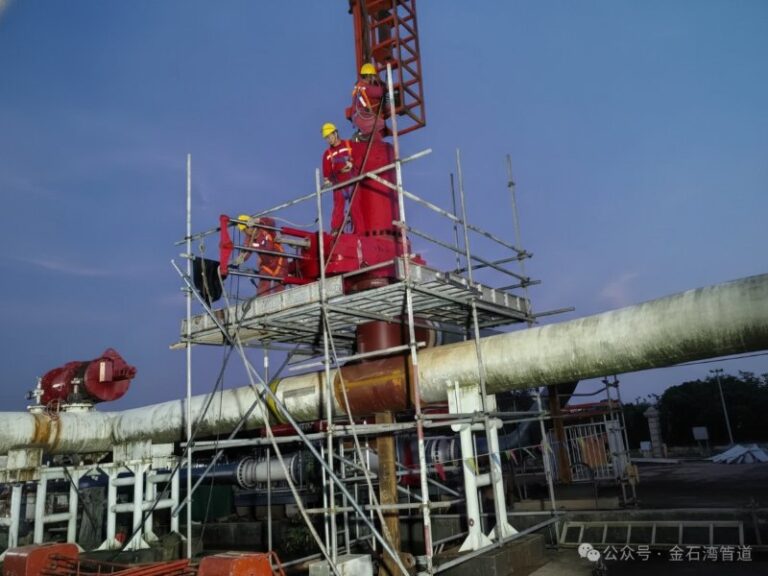
Hot tapping is a specialized procedure that allows a new connection to be safely made to a live, pressurized pipeline or system without interrupting service or requiring a costly shutdown. The process involves attaching a branch fitting and valve to the exterior of the pipe, then cutting into the pipe wall and removing a section (known as a coupon) through the valve. This guide details the eight most typical application scenarios for hot tapping, explains the underlying process, and provides essential considerations for planning and executing these critical operations in industries from oil and gas to municipal water.
The Fundamental Hot Tapping Process
A successful hot tap is built on a standardized, safety-first sequence. The procedure typically involves four key stages that ensure integrity and control.
- Fitting Installation: A branch fitting, which can range from a simple welded nipple to a full-encirclement split-sleeve for added support, is permanently attached to the pipeline. This is most often done by welding on steel pipes, following strict in-service welding procedures.
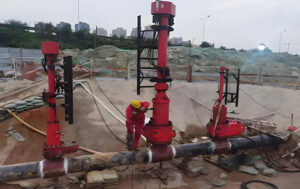
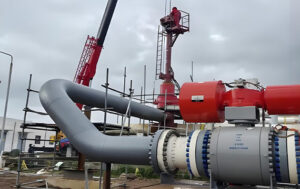
- Valve and Machine Mounting: A temporary valve (typically a gate or ball valve) is installed on the fitting. The hot tapping machine, containing a cutting tool and boring bar, is then mounted onto this valve.
- Cutting and Coupon Retrieval: The machine’s cutter is advanced through the open valve to bore through the pipe wall. A specialized pilot drill captures the cut-out coupon and safely retracts it back through the valve.
- System Closure and Tie-In: The valve is closed, the tapping machine is removed, and the new branch pipeline can be connected. After purging air from the branch, the valve is opened to bring the new connection into service.
8 Core Application Scenarios for Hot Tapping
Hot tapping is not a one-size-fits-all solution; it is a versatile technique applied across diverse operational needs. The following scenarios illustrate its critical role in modern infrastructure maintenance and development.
1. Adding New Branch Lines for System Expansion
The most common scenario is adding a new pipeline branch to an existing network, a fundamental task for contractors in growing communities.
- Why It’s Needed: Urban development, new industrial facilities, or residential projects require new connections to existing water, gas, or product distribution mains-7. Shutting down the main to weld on a traditional tee fitting would disrupt service to all downstream customers.
- Application Details: A hot tap allows a new branch line—whether for a housing subdivision, a factory, or a new section of a city—to be added while the main line remains fully operational. This eliminates costly service interruptions and avoids the revenue loss associated with a shutdown.
2. Facilitating Pipeline Repairs and Modifications
Hot tapping is a critical preparatory step for many pipeline rehabilitation and repair projects, enabling isolation of a specific section.
- Why It’s Needed: Aging infrastructure requires repairs, valve replacements, or section replacements. To work on a pressurized pipeline, the specific segment must first be safely isolated.
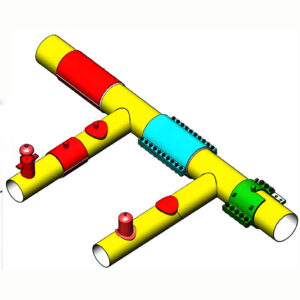
- Application Details: Technicians perform two hot taps upstream and downstream of the work area. These connections allow for the installation of temporary plugging devices (stopples) or bypass lines. This creates a safe, depressurized work zone while product continues to flow through the bypass, ensuring zero downtime for the overall system.
3. Installing In-Line Inspection Tools and Sensors
Accessing the interior of a live pipeline is essential for integrity monitoring and process control.
- Why It’s Needed: Operators need to insert devices like corrosion monitoring probes, sampling ports, or “smart pig” launching and receiving barrels without taking the pipeline out of service.
- Application Details: A hot tap fitting and valve provide a permanent access point. Inspection tools or sensor housings can be installed through the valve, allowing for ongoing data collection and preventive maintenance that enhances pipeline safety and longevity.
4. Conducting Emergency Pressure Relief and Well Control
In upstream oil and gas, hot tapping serves as a vital solution for well control and emergency intervention.
- Why It’s Needed: Trapped pressure in wellheads, Christmas trees, or piping needs to be safely bled off for decommissioning, maintenance, or in response to an incident.
- Application Details: Specialized, portable hot tap units can be rapidly deployed to drill into pressurized components. This creates a controlled flow path to relieve pressure or to pump in kill fluids, providing a critical safety procedure for well construction and abandonment operations.
5. Enabling Tie-Ins During Pipeline Construction
Connecting a newly built pipeline segment to an active transmission line is a high-stakes operation where hot tapping is invaluable.
- Why It’s Needed: Traditional tie-in methods require a full shutdown of the active line, leading to massive disruptions in product delivery and revenue.
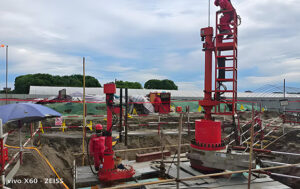
- Application Details: The new pipeline segment is constructed and terminated near the active line with a valve. A hot tap is then performed on the active line, and the connection is made through the temporary valve. This allows the tie-in to be completed with minimal, if any, interruption to the flow of oil, air, or natural gas.
6. Supporting Maintenance in Chemical and Petrochemical Plants
In downstream facilities like refineries and chemical plants, process continuity is paramount for profitability and safety.
- Why It’s Needed: These facilities have dense networks of interconnected pipes carrying various process fluids. Isolating a single line for maintenance traditionally requires a complex and costly unit shutdown.
- Application Details: Hot tapping allows for the safe isolation of specific pipelines within a live plant. This enables repairs, modifications, or the addition of new process loops without shutting down entire production units, a solution that directly impacts the bottom line.
7. Performing Maintenance on Subsea Pipelines
The principles of hot tapping extend to the challenging subsea environment for offshore oil and gas operations.
- Why It’s Needed: Subsea pipelines also require inspection, repair, and modification, but a shutdown can halt production from multiple platforms.
- Application Details: Using remotely operated vehicles (ROVs) and specialized subsea hot tapping equipment, technicians can attach fittings and perform taps on pipelines located deep underwater. This allows for interventions like installing a bypass around a damaged section or adding a new tie-back to a production well, all while the pipeline remains in service.
8. Executing Municipal Water and Gas System Upgrades
City utilities constantly face the challenge of upgrading aging networks without disrupting service to residents and businesses.
- Why It’s Needed: Replacing old valves, meters, or sections of pipe in crowded urban streets requires a method that avoids lengthy service outages.
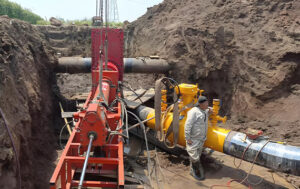
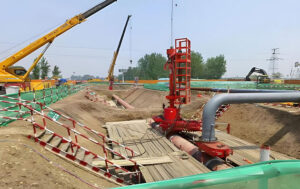
- Application Details: Compact, man-portable hot tapping machines are now designed for confined spaces like standard valve pits-4. Utilities use them to make connections for new service lines, replace sections of pipe, or install isolation points, all while keeping water and gas flowing to customers. This was notably demonstrated in Macau, where a PE gas pipeline was successfully tapped in a dense urban area without interrupting supply.
Critical Factors for a Safe and Successful Hot Tap
Not every pipeline is a candidate for hot tapping. A thorough pre-job engineering assessment is non-negotiable and must evaluate several key parameters.
| Assessment Factor | Key Considerations | Why It Matters |
|---|---|---|
| Pipe Condition | Wall thickness, internal/external corrosion, material grade. | Welding on corroded or thin pipe can lead to burn-through or failure. The parent pipe must be structurally sound. |
| Product Flow & Type | Flow rate, fluid composition (e.g., natural gas, crude oil, hydrogen, chemicals). | Flow helps carry away welding heat. Hydrogen requires special procedures due to embrittlement risks. |
| Pressure & Temperature | Maximum operating pressure during welding and cutting. | Equipment must be rated for the system’s pressure. Temperature affects material properties and welding protocols. |
| Workspace & Environment | Space for equipment, ventilation, presence of flammable atmospheres. | Confined spaces increase risk. Specialized compact machines are needed for tight areas. |
| Regulatory Compliance | Adherence to standards like ASME B31.3/B31.8, API 2201, and local regulations. | Mandatory for ensuring personnel safety, environmental protection, and legal operation. |
Economic and Environmental Benefits of Hot Tapping
Choosing hot tapping over a full pipeline shutdown offers substantial advantages beyond mere convenience.
- Eliminates Revenue Loss: Continuous operation means no interruption in product delivery or service, protecting the operator’s revenue stream.
- Reduces Methane Emissions: For gas pipelines, avoiding a blowdown (venting gas to the atmosphere) prevents significant methane emissions. The EPA provides a formula for calculating these reductions, highlighting hot tapping’s role in environmental stewardship.
- Lowers Overall Project Cost: While the hot tap service itself has a cost, it often avoids the far greater expenses associated with lost production, temporary supply logistics, and customer compensation.
- Enhances Public Safety and Relations: For utilities, avoiding service interruptions in hospitals, schools, and neighborhoods is a critical public safety and customer satisfaction issue.
Hot tapping is an indispensable engineering technique that enables the safe modification, repair, and expansion of pressurized piping systems across the energy, chemical, and municipal sectors. Its eight primary applications—from system expansion and emergency interventions to subsea maintenance and urban upgrades—demonstrate its critical role in maintaining our infrastructure’s flow and integrity. Success hinges on meticulous planning, adherence to stringent safety standards like API 2201 and ASME B31.3, and the use of properly rated equipment by certified personnel. By allowing work to proceed without shutdowns, hot tapping delivers unmatched operational, economic, and environmental benefits, making it a cornerstone of modern pipeline maintenance and construction strategy.
Author: David Chen | Senior Pipeline Integrity Engineer
Updated: February 5, 2026
*David has over 15 years of field and engineering experience in pipeline modification projects, specializing in the planning and execution of safe hot tapping and plugging operations across Asia-Pacific.*
JSW Pipeline Solutions: Your Partner for Safe, Zero-Interruption Pipeline Modifications
In the high-stakes field of pipeline maintenance and modification, selecting the right partner is a critical operational decision. At JSW Pipeline Solutions, we understand that for essential procedures like hot tapping, every minute of unplanned system downtime translates directly into significant revenue loss, safety risks, and community disruption. We are more than just an equipment manufacturer; we are a full-service engineering contractor with decades of direct field experience embedded in our processes and solutions.
Our core mission is to deliver absolute operational continuity. We achieve this through a truly integrated, start-to-finish service model that distinguishes us in the market:
- End-to-End Project Execution: We provide a single point of accountability, from initial feasibility assessment and engineered solution design to equipment supply, on-site execution, and final commissioning. Our certified engineers develop plans that rigorously comply with API 2201, ASME B31.3/B31.8, and all relevant local safety standards.
- Engineered Equipment for Complex Scenarios: We design and manufacture specialized hot tapping and pipeline plugging (stopple) equipment to tackle the industry’s toughest challenges. Our product line includes compact, lightweight machines for confined urban valve pits in water and gas networks, as well as high-pressure units for critical oil, gas, and downstream plant applications. This ensures the right tool is on-site for every job, from a simple branch connection to a complex pipeline modification requiring a full bypass.
- Expertise Across the Application Spectrum: Whether you are planning a system expansion, managing a pipeline repair, executing a tie-in during new construction, or responding to an emergency, our team has the proven methodology. Our first-hand experience in trenchless pipe rehabilitation and live-line modifications allows us to anticipate challenges and engineer them out before mobilization.
Proven Value in the Field:
A recent project for a municipal utility highlighted our approach. The city needed to add a new connection to a 16-inch live gas main under a major intersection. A traditional shutdown would have disrupted traffic and required service outages for dozens of businesses. Our team deployed a compact hot tapping system designed for confined spaces. We completed the tie-in overnight with zero interruption to gas supply or daytime traffic, delivering a solution that met both engineering and community needs.
Your Next Pipeline Project, Optimized.
Why settle for a vendor when you can partner with the experts who guarantee safety, efficiency, and zero operational interruption? Let JSW Pipeline Solutions bring our integrated engineering and execution expertise to your next pipeline modification, maintenance event, or restoration project.
Ready to discuss your specific application? Contact our engineering team today for a confidential consultation and a project-specific proposal tailored to your pipeline’s material, pressure, and media.








 English
  Arabic
  Russian
  Spanish
  French
  Vietnamese
  Polish
  Thai
Thai  Indonesian
  Turkish
  Portuguese