
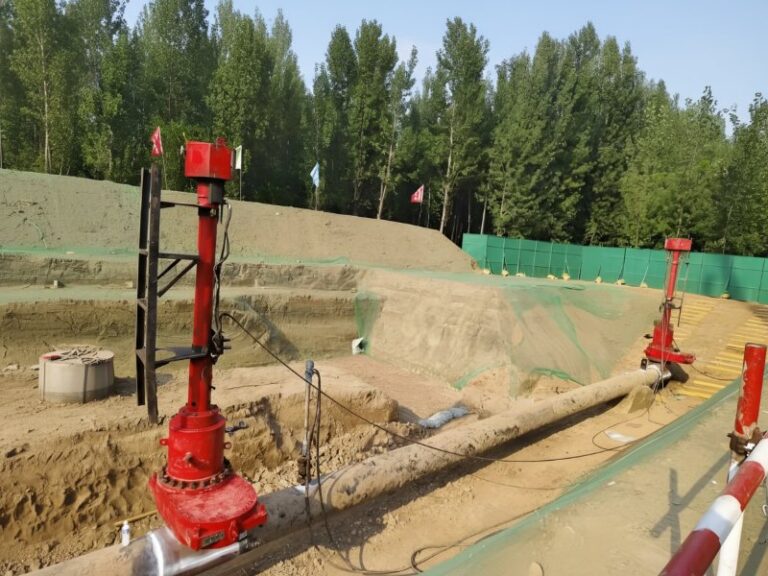
The fundamental difference between hot tapping and traditional shutdown tapping is that hot tapping allows pipeline connections and modifications to be made while the system remains in live, pressurized service, whereas traditional shutdown tapping requires the complete cessation of operations, depressurization, and often drainage of the entire pipeline section-. This operational distinction drives profound differences in cost, safety, risk, and project planning across industries such as oil, gas, water, and chemical processing. This article provides a comprehensive, fact-based comparison of the two methodologies, detailing their operational procedures, direct and hidden costs, inherent risks, and best-practice application guidelines to help facility managers, engineers, and contractors make informed decisions.
1. How Does Each Method Work? A Step-by-Step Process Breakdown
Understanding the fundamental difference begins with examining the distinct operational sequences of each method.
Hot Tapping Procedure
Hot tapping, also known as pressure tapping, is a controlled process for creating a new branch connection on a live pipeline without interrupting flow.
- Step 1: Fitting Installation. A branch fitting (typically welded or bolted) is securely attached to the pre-inspected pipeline while it remains under full operating pressure and flow.
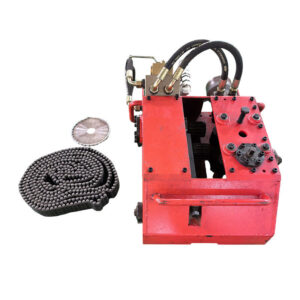
- Step 2: Machine Attachment. A specialized hot tapping machine, equipped with a cutting tool and sealed pressure chamber, is mounted to the fitting via a temporary valve.
- Step 3: Controlled Cutting. The valve is opened, and the cutter bores through the pipe wall, retaining the cut metal section (the “coupon”) within the machine. The coupon is then retracted, the valve is closed, and the machine is removed, leaving a new, sealed branch connection.
Traditional Shutdown Tapping Procedure
This conventional approach necessitates a full system stop, impacting the entire upstream and downstream network.
- Step 1: System Shutdown & Isolation. The pipeline section is isolated, and operations are completely halted. The line must be gradually depressurized to zero.
- Step 2: Drainage & Purge. All product (oil, gas, water, or chemicals) is drained, vented, or flared, and the segment is purged to ensure it is safe for maintenance and hot work.
- Step 3: Cold Work Execution. Only after the line is empty and verified safe can standard, “cold” construction activities—like welding and fitting installation—begin.
- Step 4: Restart & Recommissioning. After work is complete, the pipeline must be meticulously refilled, gradually repressurized, and tested before normal operations can resume, a process that itself carries risk.
2. What Are the Key Cost and Operational Impact Differences?
The choice between methods is often a financial decision. The cost disparity is not merely in labor and materials but overwhelmingly in avoided production losses.
The High Cost of Downtime
For continuous process industries, downtime is extraordinarily expensive. Data indicates that unplanned outages can cost facilities between $50,000 to $250,000 per hour-2. A traditional shutdown for a modification project can easily take 12 to 48 hours or more, leading to potential losses in the millions-2-3. Hot tapping eliminates these production losses entirely by maintaining system uptime.
Direct Cost Comparison
Beyond downtime, the total project economics diverge significantly.
Comparative Cost Analysis: Hot Tapping vs. Shutdown Tapping
| Cost Factor | Hot Tapping | Traditional Shutdown Tapping |
|---|---|---|
| Primary Cost Driver | Specialized equipment & contractor fees | Lost production revenue during outage |
| Labor Intensity | Lower; focused, shorter-duration specialist team | Higher; involves extended teams for shutdown, purge, restart |
| Material/Product Loss | None | High cost for draining, handling, and disposing of pipeline contents |
| Energy & Restart Costs | None | Significant energy required for system restart; potential for off-spec product |
| Project Timeline | Typically 4-8 hours for a standard tap | Days to weeks including shutdown and restart phases |
A real-world case study on a gas pipeline relocation project calculated a total cost of approximately $204,892 for the hot tapping method versus over $2,087,187 for a full shutdown approach, demonstrating a potential cost efficiency of over 90%.
3. Which Method is Safer and Presents Lower Risk?
Safety is paramount in industrial operations. While both methods have protocols, their risk profiles differ fundamentally.
Risk Profile of Hot Tapping
Hot tapping is an inherently hazardous activity as it involves penetrating a live process boundary-4. Its safety is therefore entirely dependent on rigorous controls:
- Mandatory Pre-Job Evaluation: A critical first step is determining that the work cannot be done on a de-energized system (“cold tap”).
- System Integrity Verification: The pipeline must be inspected and certified fit for the procedure, with adequate wall thickness and proper metallurgy.
- Specialized Equipment & Training: The procedure relies on pressure-contained machines and highly trained, certified personnel to manage the controlled “loss-of-containment” event.
Risk Profile of Traditional Shutdown
Shutdown methods eliminate the risk of working on a live line but introduce other significant hazards:
- Extended Personnel Exposure: Workers face risks during the complex drainage, purging, and confined space entry often required to prepare the line.
- Handling of Hazardous Materials: Draining and disposing of large volumes of process fluids creates multiple handling and environmental exposure points.
- Restart Hazards: The system recommissioning phase is a known period of high risk for operational upsets and incidents.
4. When is Hot Tapping Not Feasible? Understanding Technical Limitations
Despite its advantages, hot tapping is not a universal solution. Key technical constraints determine its feasibility.
- Pipe Condition: Pipelines with significant corrosion, wall thinning, or existing defects cannot be safely hot tapped. A thorough integrity assessment is non-negotiable.
- Process Fluid Compatibility: Industry standards strongly advise against hot tapping on lines containing certain highly toxic materials or specific heat transfer fluids above defined temperature thresholds.
- Space and Accessibility: The tapping machine requires sufficient clearance for installation and operation. Congested pipe racks or buried lines may preclude its use.
- Pressure and Temperature Extremes: While modern equipment can handle pressures up to 3,000 PSI and temperatures exceeding 400°F, systems operating at their absolute design limits may require a shutdown to provide a sufficient safety margin.
5. How to Choose the Right Method for Your Pipeline Project?
The decision matrix goes beyond a simple technical checklist. Facility managers must weigh multiple operational factors.
Q: Is avoiding production interruption a top priority?
A: If the cost of downtime is prohibitive or service continuity to customers is critical (e.g., gas supply to hospitals, air to critical processes), hot tapping is the clear frontrunner.
Q: Does the pipeline carry a fluid that is safe to tap under pressure?
A: A compliance review with standards like API RP 2201 is essential. Lines with certain hazardous or unstable fluids may mandate a shutdown for safety.
Q: What is the total lifecycle cost, including environmental impact?
A: Hot tapping often has a lower environmental footprint as it avoids the venting, flaring, and disposal of pipeline contents, aiding in restoration and sustainability goals.
Q: Do we have the internal expertise, or do we need a specialist contractor?
A: Hot tapping is a specialist service. Partnering with an experienced equipment manufacturer and certified service company is crucial for safe execution.
About JSW Pipeline Solutions
At JSW Pipeline Solutions, we bring over two decades of specialized expertise in trenchless pipe rehabilitation and live-line modification technologies. Our authority is built on a foundation of executing complex pipeline modification projects across the oil, gas, and water sectors, adhering to the highest standards like API RP 2201. What distinguishes our service is a dual commitment to pioneering technology and uncompromising safety. We don’t just provide a pipeline tapping service; we deliver a comprehensive risk-mitigated solution. Our project teams conduct exhaustive feasibility studies, leveraging advanced inspection data to ensure your pipeline’s integrity is suited for the pipeline stopple or hot tap procedure. We then deploy our proprietary, regularly certified hot tapping and pipeline plug equipment, operated by our in-house certified specialists, to execute the job efficiently, keeping your operations running and your personnel safe. For a detailed technical assessment of your next pipeline project, contact our engineering team today for a consultation.
Author: David Chen, Senior Pipeline Integrity Engineer
Last Updated: February 2026











 English
  Arabic
  Russian
  Spanish
  French
  Vietnamese
  Polish
  Thai
Thai  Indonesian
  Turkish
  Portuguese