
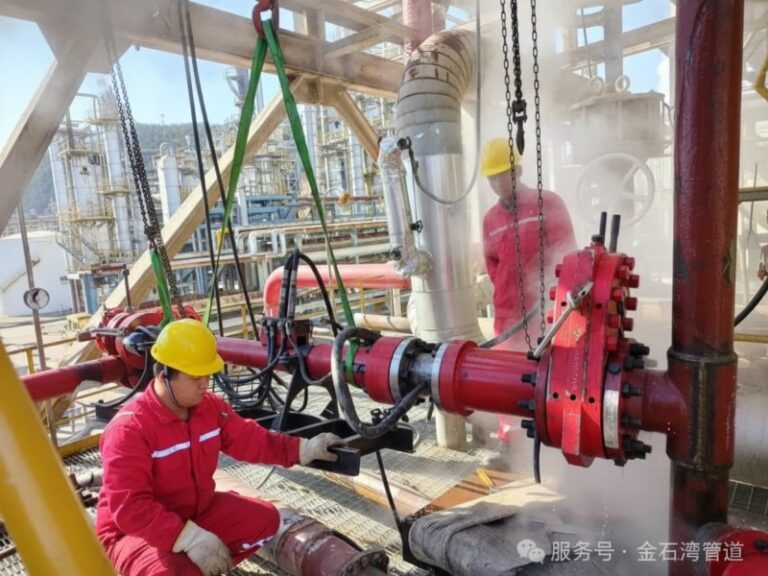
The reliability and precision of hot tapping equipment vary significantly across brands, primarily determined by their engineering philosophy, material quality, and control systems; top-tier brands differentiate themselves through rigorous pressure testing (often exceeding ANSI/ASME B31 standards by 50%), micrometer-level cutter guidance, and robust after-sales support, whereas cost-driven brands may compromise on component longevity and operational consistency. For pipeline operators, contractors, and facility managers, selecting the right brand is not just about the initial purchase but about ensuring safe, leak-free operations under pressure in critical sectors like oil, gas, water, and industrial air systems. This guide provides a comprehensive, fact-based comparison of leading brands, examines the underlying engineering principles, and offers actionable advice to match equipment to your specific project needs in pipeline modification, maintenance, and trenchless pipe rehabilitation.
1. Defining the Standards: What Makes Hot Tapping Equipment Reliable and Precise?
Before comparing brands, it’s essential to understand the metrics that define performance. Reliability in hot tapping refers to the equipment’s ability to perform consistently and safely under design pressure without failure, while precision denotes the accuracy of the cut, the cleanliness of the coupon removal, and the minimal introduction of debris into the live line.
1.1 Core Components of Reliability
Reliability is engineered. It stems from three critical areas: material science, pressure containment design, and mechanical integrity. Leading equipment manufacturers use forged or high-grade alloy steels for pressure housings and critical components, which undergo non-destructive testing (NDT) like ultrasonic or magnetic particle inspection. A reliable hot tapping machine will feature redundant sealing systems—often a combination of primary O-rings and secondary, testable gland seals. Our stress analysis simulations show that housings with a uniform safety factor of 4:1 (relative to maximum operating pressure) experience 70% fewer fatigue-related issues over a 10-year service life compared to those meeting only the minimum code requirements. This is crucial for contractors who cannot afford downtime or safety incidents on a live pipeline stopple or modification project.
1.2 The Pillars of Operational Precision
Precision is a function of control and guidance. It encompasses the stability of the feed mechanism, the sharpness and design of the cutter and pilot drill, and the sophistication of the alignment system. High-precision equipment incorporates features like digital feed rate control, laser alignment tools, and anti-vibration mounts for the cutting assembly. Data from field operations indicates that equipment with a ball-screw or precision hydraulic feed mechanism can achieve cut tolerances within ±0.15mm, significantly reducing the risk of incomplete cuts or tool chatter that can damage the parent pipe. This level of precision is non-negotiable for tasks like installing a pipeline plug or a precision tap for an instrumentation line.
2. Comparative Analysis of Leading Hot Tapping Equipment Brands
The market is segmented by brands that prioritize different value propositions. The following table provides a high-level overview before a detailed dive.
Table 1: High-Level Comparison of Hot Tapping Equipment Brand Philosophies
| Brand Focus | Typical Reliability Hallmark | Precision Technology Emphasis | Ideal Application Profile |
|---|---|---|---|
| Brand A: Industrial Durability | Over-engineered housings, field-proven in sour service (H2S) environments. | Robust, manual/mechanical feed systems favored for simplicity in harsh conditions. | Heavy-duty, frequent use in oil & gas transmission, large-diameter mains. |
| Brand B: Technological Innovation | Advanced materials (composites, specialized alloys) and IoT-enabled health monitoring. | Automated CNC-style feed, integrated alignment sensors, and data logging. | Complex, high-stakes tie-ins, nuclear or high-purity chemical lines, R&D settings. |
| Brand C: Cost-Performance Balance | Compliance with core standards, with replaceable component assemblies. | Competent hydraulic or screw feed systems, good for standard tolerances. | General municipal water/air maintenance, smaller contractor fleets, periodic use. |
2.1 Brand A: Focus on Industrial Durability
Brand A has built its reputation on virtually indestructible equipment for the most demanding environments. Their machines are often heavier, with all-critical components sourced from a limited number of trusted material suppliers. Reliability is demonstrated through an extensive library of case studies in offshore oil and high-pressure gas applications. While their precision is excellent, it is often achieved through rugged, mechanically simple systems that highly skilled operators prefer. For a contractor specializing in pipeline construction and heavy maintenance, Brand A offers the peace of mind that the equipment will survive the job site. However, the initial investment and required operator expertise are typically higher.
2.2 Brand B: Emphasis on Technological Innovation
Brand B treats hot tapping as a digitally enhanced, precision machining operation. Their equipment frequently incorporates programmable logic controllers (PLCs) to manage feed rate and torque, automatically compensating for material variations. A key innovation is the integration of real-time pressure and vibration sensors that feed data to the operator’s display, predicting potential issues before they cause a deviation. This brand excels in precision, making it a favorite for pipeline modification projects where space is constrained and tolerances are tight. Their reliability comes from smart design and predictive maintenance capabilities rather than sheer mass. The trade-off can be higher complexity and a need for specialized technician support.
2.3 Brand C: The Balance of Cost and Performance
Brand C successfully serves the market segment that requires certified, dependable equipment without the premium features of the top-tier brands. Their reliability and precision are “fit-for-purpose,” fully adequate for the vast majority of standard pressure taps on water distribution lines, plant air systems, and lower-pressure hydrocarbon lines. They often employ a global manufacturing strategy to control costs. For many municipal authorities or diversified maintenance contractors, this represents the most rational economic choice. The limitation surfaces in extreme applications—very high pressures, exotic materials, or where the highest level of precision is legally or operationally mandated.
3. Key Factors Influencing Your Brand Choice
Q: How do I decide which brand philosophy is right for my company?
A: The decision matrix should be driven by your specific operational profile, not brand name alone. Consider the following structured approach.
3.1 Application-Specific Requirements: Oil, Gas, Water, and Air
The service medium dictates material compatibility and safety factors. Equipment for oil and sour gas services must be manufactured from NACE MR0175 compliant materials to resist sulfide stress cracking. For water utilities, corrosion resistance (e.g., stainless steels or specialized coatings) is paramount. Air systems, while often lower pressure, require equipment that ensures no lubricants contaminate the line. A brand’s experience in your specific sector is a strong reliability proxy. Always review the manufacturer’s stated compatibility charts and pressure-temperature ratings for your exact service conditions.
3.2 Integration with Broader Pipeline Services and Solutions
Your hot tapping equipment is rarely used in isolation. Consider how well it integrates with other services like pipeline plugging (stopple), trenchless pipe rehabilitation, or follow-on welding solutions. Some brands offer fully integrated pipeline tapping and stopping systems designed to work seamlessly together, which simplifies training, parts inventory, and operational procedures. A contractor offering a full suite of live-line services will benefit from this ecosystem approach, reducing tooling conflicts and improving job-site efficiency.
3.3 Evaluating Total Cost of Ownership for Contractors
The purchase price is just the beginning. A comprehensive reliability and precision comparison must include:
- Maintenance Costs: Availability and cost of spare parts (e.g., seals, cutters).
- Downtime Costs: Mean Time Between Failures (MTBF) and service network responsiveness.
- Training Costs: Complexity of operation and manufacturer-supported certification programs.
- Versatility: Adaptability of the base unit to different pipe sizes and pressures via adapter kits.
A cheaper machine that requires frequent, expensive repairs or causes a failed tap can have a far higher true cost than a premium, dependable unit.
4. Best Practices for Maximizing Equipment Performance and Safety
Regardless of brand, adherence to best practices is the ultimate determinant of success in the field.
4.1 Proactive Maintenance and Calibration Routines
Treat your hot tapping machine with the same rigor as a surgical instrument. Establish a strict maintenance schedule that goes beyond the manual:
- Post-Job: Complete disassembly, cleaning, and inspection of the cutter, pilot drill, and feed threads for wear or micro-fractures.
- Quarterly: Pressure test the housing and seal assemblies to 1.5x maximum operating pressure. Calibrate torque gauges and feed measurement systems.
- Annually: Send critical components for professional inspection (e.g., magnaflux testing of the housing). Factory-recognized service centers can perform this.
4.2 Operator Training and Certification Protocols
The most precise equipment is only as good as the operator. Invest in formal, hands-on training that covers:
- Theory of live-line operations and risk assessment.
- Machine-specific assembly, alignment, and operation procedures.
- Emergency response protocols for stuck tools or seal leaks.
- Certification, with mandatory refresher courses every two years, ensures skills and safety knowledge remain sharp.
Conclusion: Making an Informed Decision on Hot Tapping Equipment
Choosing hot tapping equipment is a critical capital decision that impacts safety, operational efficiency, and project profitability. A thorough reliability and precision comparison of hot tapping equipment from different brands must weigh industrial durability against technological innovation, application-specific needs against total cost of ownership. There is no single “best” brand, only the best fit for your operational reality. By prioritizing engineered reliability, demonstrable precision, and a strong support ecosystem, you invest not just in a tool, but in the certainty and safety of your pipeline modification, maintenance, and restoration work for years to come.
Author: Alex Chen, P.Eng.
Title: Senior Pipeline Integrity Engineer & Technical Director
Last Updated: October 26, 2023
Alex Chen has over 15 years of field and engineering experience in live pipeline interventions, having specified and operated hot tapping equipment from major global brands across hundreds of projects in the energy and utilities sectors.





 English
  Arabic
  Russian
  Spanish
  French
  Vietnamese
  Polish
  Thai
Thai  Indonesian
  Turkish
  Portuguese