industrial-oil-gas-pipe-cipp-liner-installation

What Is Included in a Pipeline Rehabilitation Proposal?

A pipeline rehabilitation proposal is a structured engineering document used to evaluate pipeline condition, compare trenchless rehabilitation methods, estimate project costs, and define execution and risk management strategies. It is used by asset owners, engineers, and contractors to support data-driven decision-making for pipeline rehabilitation planning and capital investment. This document

اقرأ المزيد »
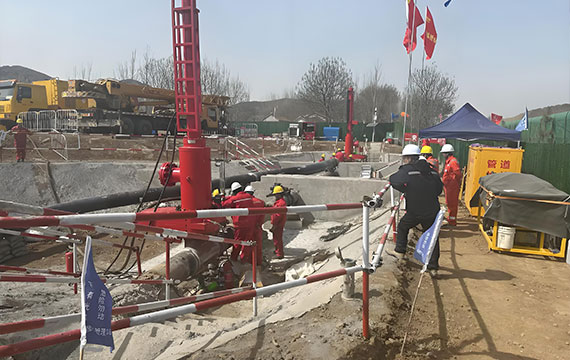
municipal-trenchless-pipe-bursting-construction-site

Municipal Pipe Bursting Cost

Municipal pipe bursting costs $150–$600 per linear foot in 2026, with large-scale projects averaging $150–$300/LF and total project budgets typically ranging from $450,000 to over $3 million depending on pipe diameter, depth, soil conditions, and surface restoration requirements. This guide provides a complete cost breakdown based on recent municipal bid

اقرأ المزيد »
CIPP pipeline rehabilitation process showing cured-in-place pipe liner installation inside a steel oil and gas pipeline with engineers monitoring equipment in an industrial field environment.

Where Can I Get a Quote for Pipeline Repair Services?

A pipeline repair quote is an itemized cost breakdown covering inspection, repair method, materials, labor, and site conditions provided by a contractor. To get a quote, you can contact specialized contractors directly, use online product configurators for instant estimates, or submit project details through industry platforms. This guide provides a

اقرأ المزيد »
industrial pipeline rehabilitation large diameter uv curing refinery background

What is the average cost of CIPP pipe lining?

Average CIPP Pipe Lining Cost at a Glance Item Average Cost CIPP Cost Per Linear Foot $80 – $250 Typical 50-Foot Residential Project $5,000 – $12,000 Typical 100-Foot Sewer Line $10,000 – $20,000 Commercial / Industrial Projects $10,000 – $40,000+ Expected Lifespan 50+ Years Savings vs. Open-Cut Excavation 30% –

اقرأ المزيد »
Technicians in PPE applying a composite wrap repair system to a corroded large-diameter steel crude oil pipeline in an open excavation trench, with heavy construction equipment and a refinery infrastructure in the background.

How Much Does Pipeline Rehabilitation Cost Per Foot? 

Pipeline rehabilitation typically costs $80–$250 per foot for residential sewer lines, $120–$300 per foot for commercial projects, and $150–$700+ per foot for municipal and industrial pipelines. Final pricing depends on pipe diameter, depth, rehabilitation method, accessibility, and total project length. This comprehensive guide covers pipeline rehabilitation cost per foot across all methods, diameters, and project types. We provide

اقرأ المزيد »
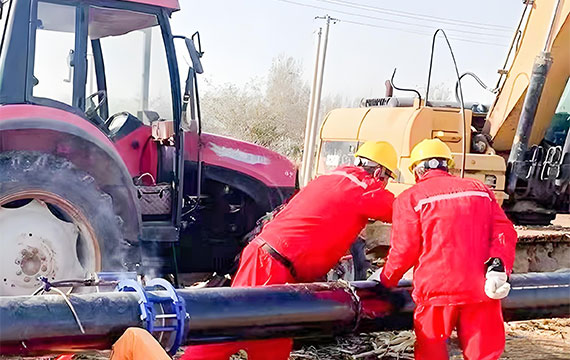
Field crew in PPE welds and installs a steel oil and gas pipeline in a dusty trench. Heavy machinery operates at the industrial construction site.

إصلاح وتجديد خطوط الأنابيب حسب القطاع: التطبيقات، والأساليب، والتقنيات، واتجاهات السوق

Pipeline repair and rehabilitation are most widely used in municipal water and wastewater systems, followed by oil and gas, industrial processing, and utility infrastructure. These industries rely on trenchless technologies such as CIPP, pipe bursting, and epoxy lining to extend pipeline lifespan, reduce excavation costs, and minimize operational disruption in

اقرأ المزيد »
Workers weld large diameter oil and gas pipelines in a deep trench on a dusty, remote construction site, with an excavator and crane operating.

Chemical-Resistant Nitrile Plugs: Manufacturing Process, Material Selection, and ASTM Testing Guide

Chemical-resistant nitrile plugs are molded rubber sealing components made from nitrile butadiene rubber (NBR), engineered to prevent leakage in industrial systems exposed to oils, fuels, and chemicals. Their resistance depends primarily on acrylonitrile (ACN) content, crosslink density, and ASTM D471-tested performance. Featured Snippet Definition: Chemical-resistant nitrile plugs are industrial sealing components

اقرأ المزيد »
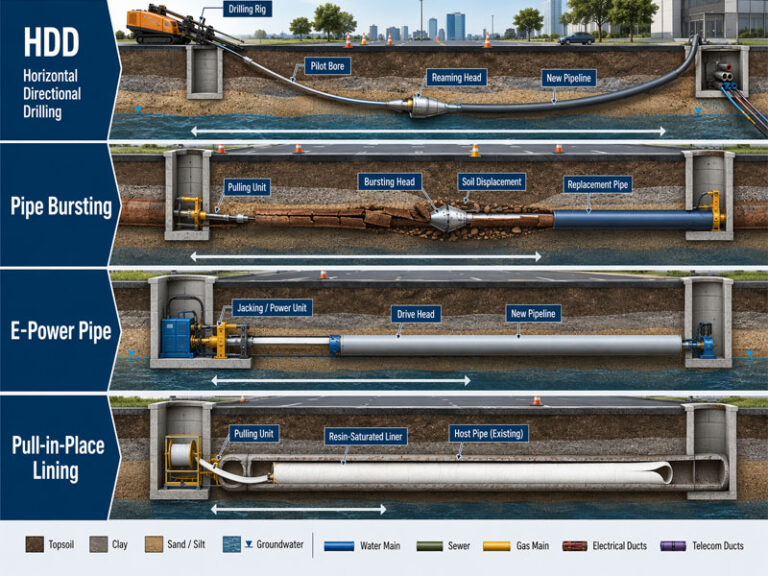
Engineering infographic comparing pulling-distance concepts for HDD, pipe bursting, E-Power Pipe, and pull-in-place lining in underground pipelines

Maximum Distance a Pipe Can Be Pulled Using Trenchless Methods: HDD Pull Length, Pipe Bursting & Lining Limits

The maximum distance a pipe can be pulled using trenchless methods ranges from approximately 50 meters to more than 3,000 meters, depending on the installation technology, pipe characteristics, ground conditions, and equipment limitations. For new pipeline construction, Horizontal Directional Drilling (HDD) typically achieves 200–800 meters per pull. For pipeline rehabilitation, specialized

اقرأ المزيد »
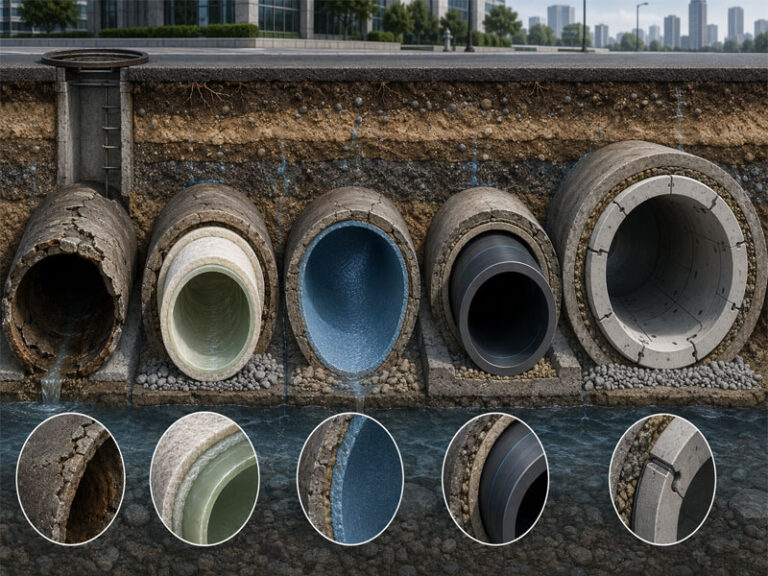
Engineering cutaway illustration comparing CIPP resin liners, spray-applied polyurea, HDPE sliplining, and UHPC structural lining segments in underground sewer pipes.

Best Trenchless Pipe Rehabilitation Materials: CIPP, Polyurea, HDPE Comparison

Best Materials for Trenchless Pipe Rehabilitation The most widely used and effective materials for trenchless pipe rehabilitation are thermosetting resin systems—specifically epoxy, polyester, and vinyl ester—combined with reinforcement fabrics such as fiberglass or polyester felt. For most municipal sewer rehabilitation projects, polyester CIPP offers the best cost-to-performance balance, while epoxy CIPP is preferred for pipes

اقرأ المزيد »