
Servicio de inspección de tuberías
Servicios avanzados de inspección de tuberías MFL
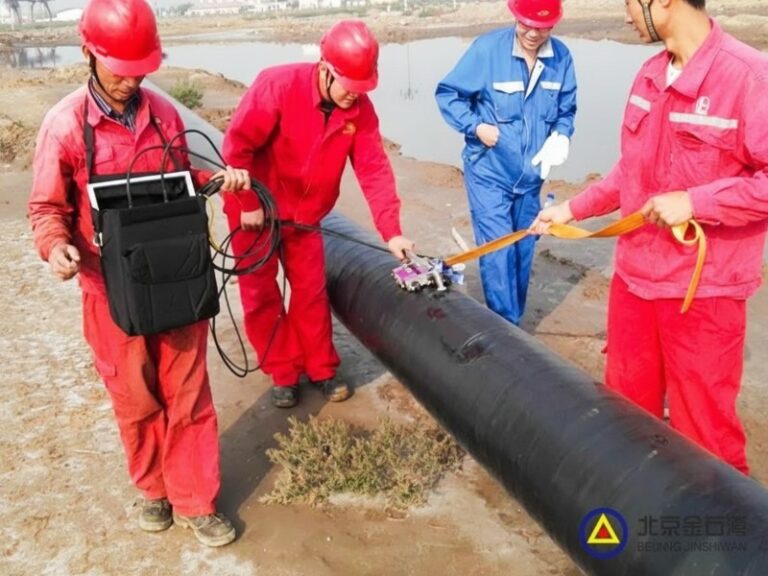
Garantizar el funcionamiento seguro de los oleoductos y gasoductos es fundamental para su empresa y el medio ambiente. Como proveedor líder de servicios de inspección de tuberías, estamos especializados en tecnologías avanzadas de fugas de flujo magnético (MFL) diseñadas para detectar anomalías antes de que provoquen fallos catastróficos.
Nuestras principales tecnologías de inspección:
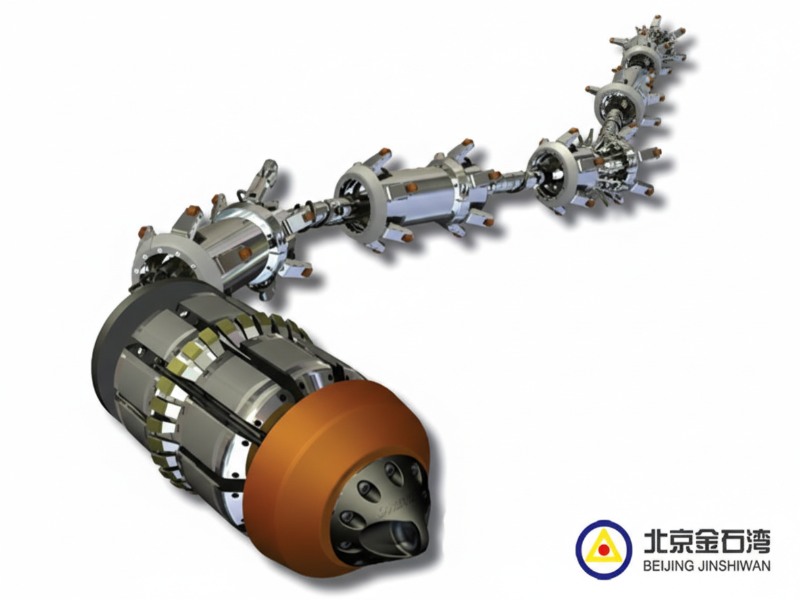
Inspección interna de MFL: Despliegue de pigs inteligentes para escanear la pared interna de las tuberías e identificar la corrosión, la pérdida de metal y las picaduras.
Inspección externa de MFL sobre orugas: Ideal para tuberías que no son piggables o que requieren una evaluación externa, utilizando orugas robóticas para inspeccionar la superficie exterior con gran precisión.
Industrias a las que servimos:
Atendemos a una amplia gama de sectores energéticos, entre ellos:
-
Gasoductos de gas natural
-
Tuberías de inyección de agua
-
Tuberías de productos refinados
-
Oleoductos y gasoductos de larga distancia
-
Oleoductos de recogida y transferencia de petróleo y gas
-
Tuberías submarinas/marinas
¿Por qué elegir nuestros servicios de integridad de tuberías?
Nuestra inspección avanzada de tuberías mediante END va más allá de la simple localización de fugas. Nos centramos en la evaluación de los defectos de las tuberías mediante la identificación precisa:
Zonas de concentración de estrés
Zonas de deformación
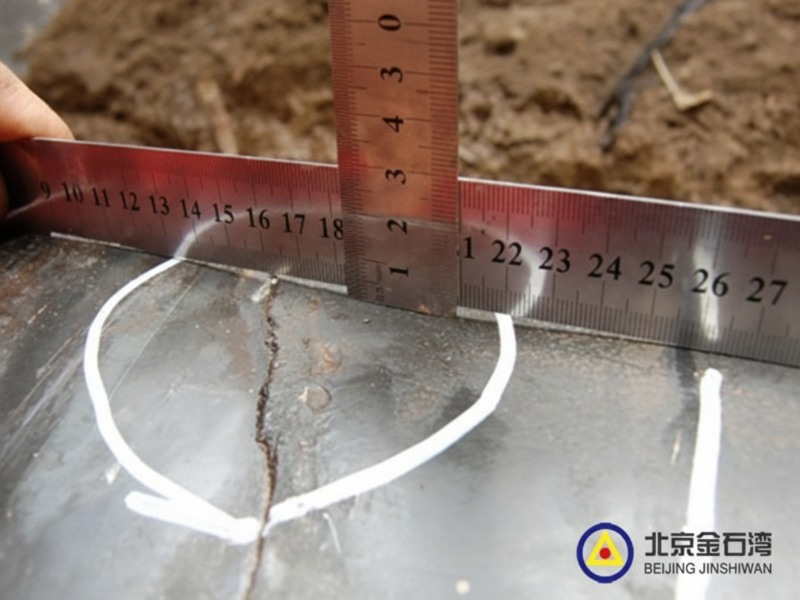
Corrosión y grietas
Basándose en la clasificación de las anomalías de los defectos, nuestros ingenieros expertos ofrecen recomendaciones de reparación específicas. Este enfoque proactivo le ayuda a prevenir pinchazos y roturas en las tuberías, lo que en última instancia mejora la capacidad operativa de seguridad de las tuberías y garantiza el cumplimiento de las normas de gestión de la integridad de las tuberías.
¿Qué es la MFL en la inspección de tuberías?
MFL (Magnetic Flux Leakage) es una técnica utilizada en la inspección de oleoductos y gasoductos para detectar la corrosión y las picaduras mediante la introducción de un campo magnético en la pared de la tubería. Los sensores miden el campo de fuga causado por los defectos.
¿Con qué frecuencia deben inspeccionarse los oleoductos de larga distancia?
La frecuencia depende de la normativa y de los factores de riesgo del oleoducto, pero normalmente la inspección de oleoductos y gasoductos de larga distancia se realiza cada 3-5 años utilizando herramientas de inspección en línea como los pigs MFL.
Objetivo de la inspección de tuberías
1. Pruebas de fugas de flujo magnético
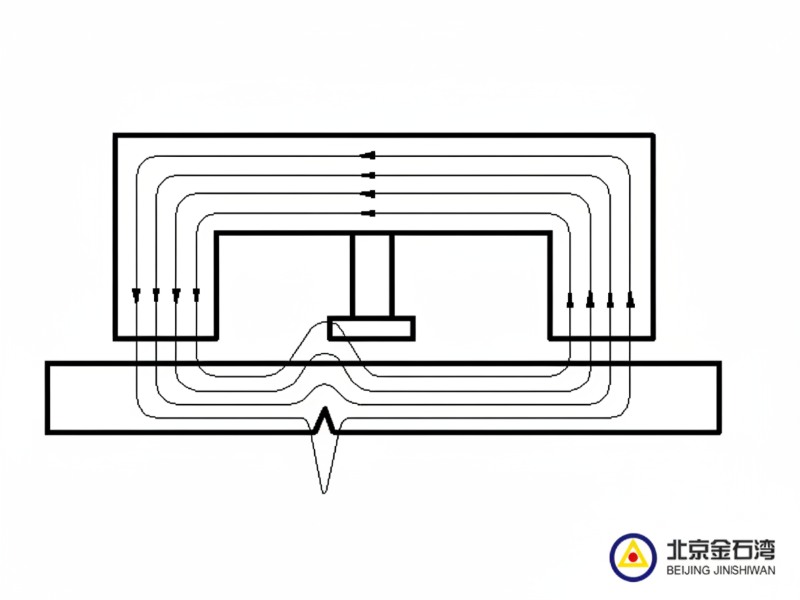
El ensayo de fuga de flujo magnético (MFL) se refiere al proceso en el que los materiales ferromagnéticos se magnetizan, lo que provoca la formación de un campo de fuga magnética en la superficie debido a defectos en la superficie de la muestra o cerca de ella. Los defectos pueden detectarse identificando cambios en este campo magnético de fuga.
2. Inspección externa de tuberías
La realización de inspecciones externas en tuberías permite detectar y evaluar directamente la integridad del revestimiento anticorrosión externo de la tubería. Esto puede reducir el impacto de la corrosión externa en la integridad de las tuberías y mejorar su seguridad. Al confirmar la actividad corrosiva y reparar los defectos de corrosión, se puede prevenir la expansión de los defectos de corrosión externa, evitando así comprometer la integridad de la protección externa de la tubería.
Inspección de tensión magnética sin contacto (PMT)
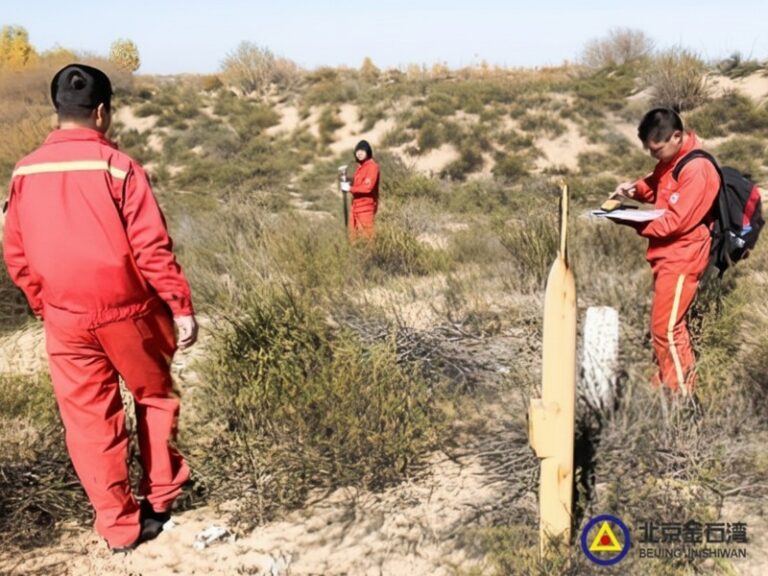
Revolucionando la integridad de las tuberías con la tecnología PMT
A la vanguardia de los ensayos no destructivos (END), nuestro servicio de inspección magnética de tensiones sin contacto (PMT) ofrece una solución de vanguardia para evaluar el estado de las infraestructuras energéticas críticas. A diferencia de los métodos tradicionales, la tecnología PMT destaca en la identificación de zonas de concentración de tensiones y áreas de deformación antes de que se conviertan en fallos críticos.
Funciones avanzadas de detección de defectos
Nuestro servicio de inspección de tuberías utiliza tecnología PMT para detectar y evaluar:
Zonas de concentración de estrés: Identificar las zonas de alta tensión mecánica que podrían provocar grietas por fatiga.
Deformación y anomalías geométricas: Detectar abolladuras, ovalidad y otras irregularidades de forma.
Pérdida temprana de metal: Descubra posibles puntos débiles antes de que se produzca corrosión visible.
De la detección a la prevención: Nuestro enfoque de gestión de la integridad
Basándose en una clasificación precisa de las anomalías de los defectos, nuestro equipo de ingenieros ofrece recomendaciones específicas de reparación y mantenimiento. Esta estrategia proactiva permite a los operadores de tuberías:
✅ Prevenir pinchazos y roturas en las tuberías
✅ Mejorar la capacidad operativa de seguridad de los oleoductos
✅ Mejorar la gestión global de la integridad de las tuberías
✅ Prolongar la vida útil de los activos y reducir el tiempo de inactividad
¿Qué es la PMT en la inspección de tuberías?
La PMT (inspección magnética de tensiones) es un método avanzado de END sin contacto que detecta la concentración de tensiones y deformaciones en tuberías ferromagnéticas sin eliminar el revestimiento ni interrumpir el servicio.
¿En qué se diferencia PMT de la inspección tradicional de MFL?
Mientras que la MFL detecta la pérdida de metal por corrosión, la tecnología PMT se centra en identificar anomalías de tensión y deformaciones en fase inicial, proporcionando una visión más completa del estado de las tuberías.
¿Es adecuada la PMT para la inspección de tuberías submarinas?
Sí, nuestros servicios de inspección de tuberías submarinas utilizan la tecnología PMT para evaluar las tuberías submarinas, identificando los riesgos potenciales antes de que provoquen averías.
Inspección de tensión magnética sin contacto (PMT)
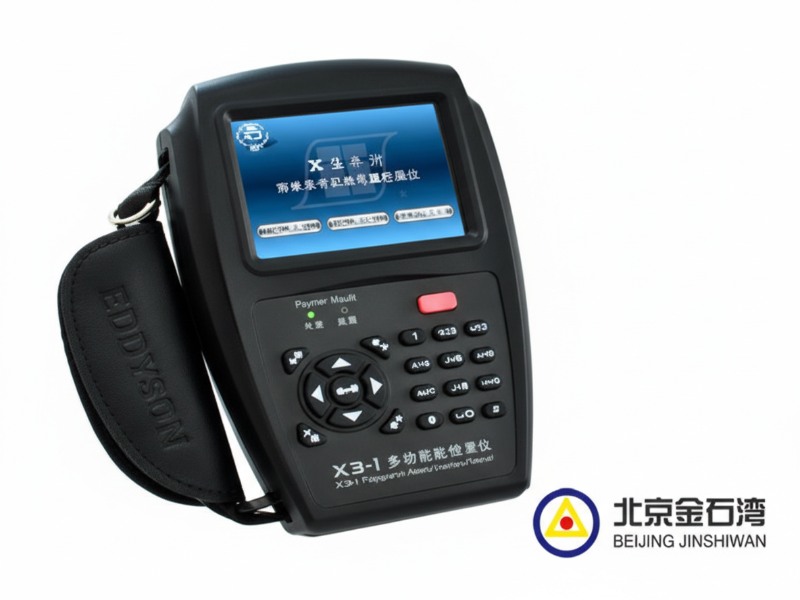
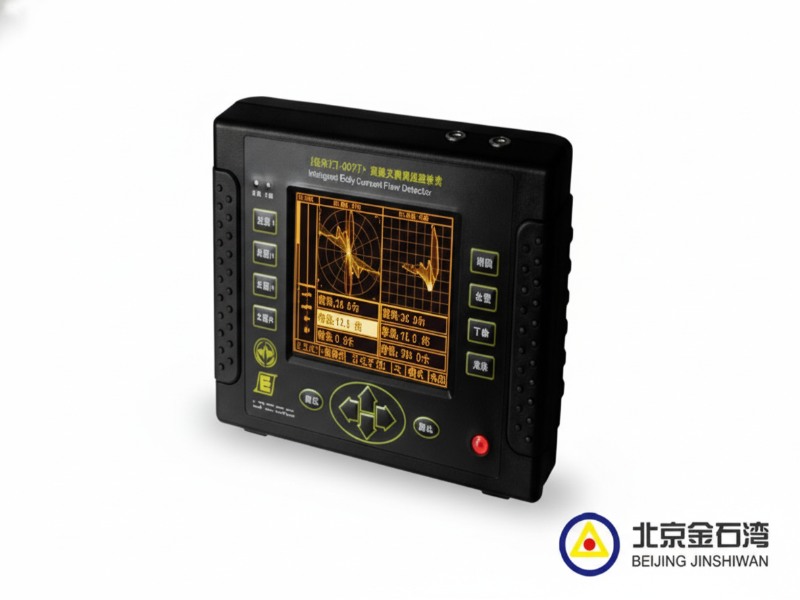
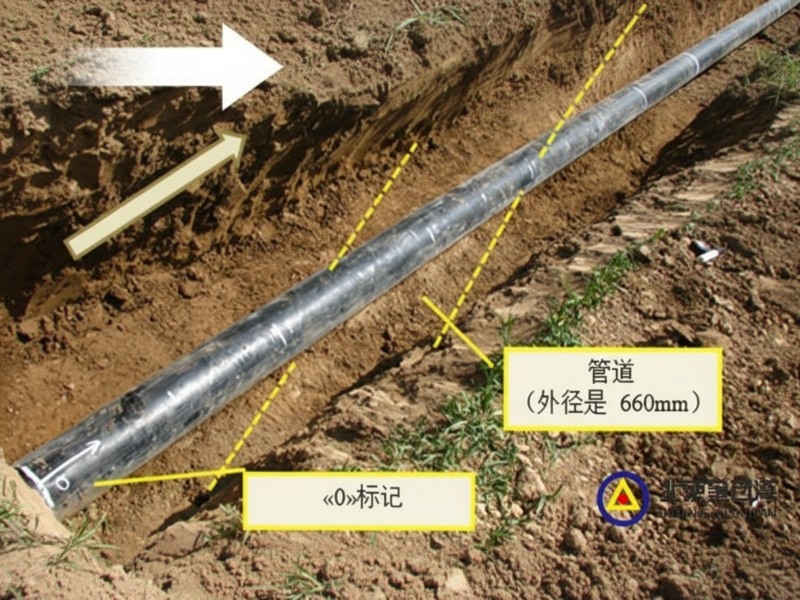
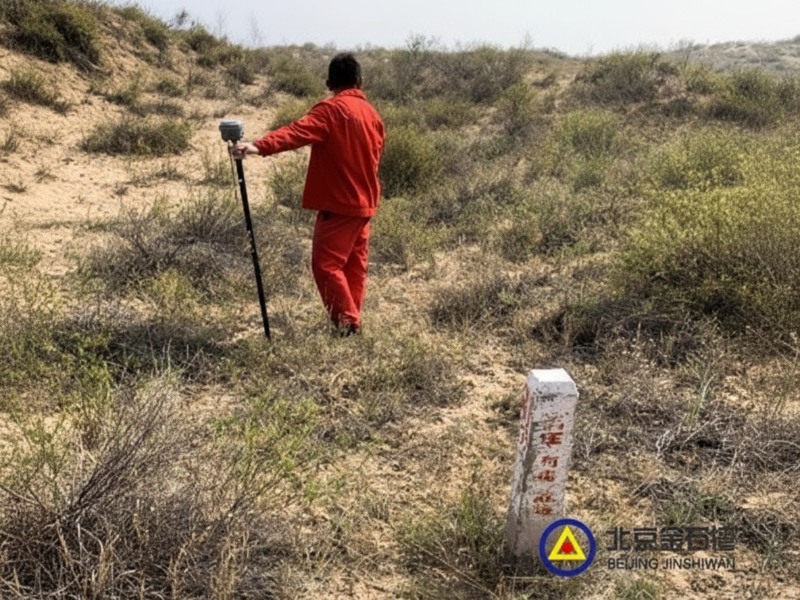
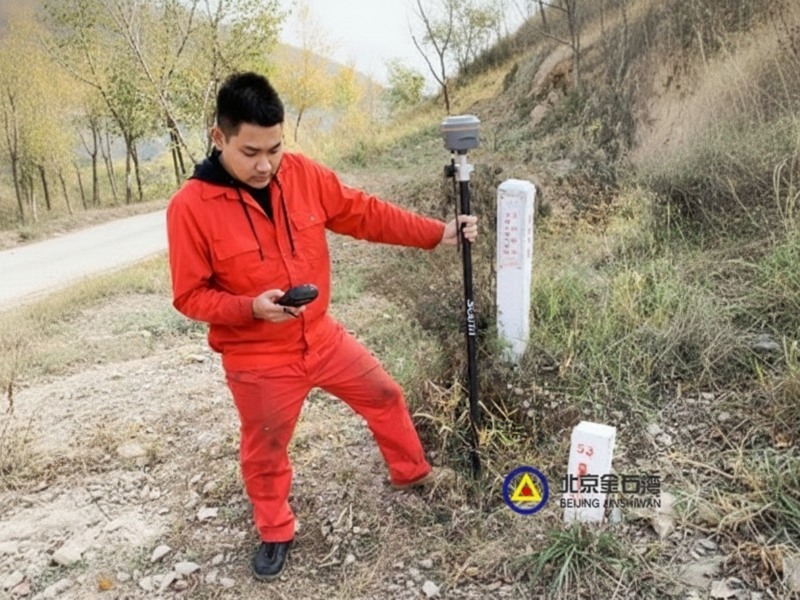
La tecnología de inspección de tensión magnética sin contacto PMT emplea un método de inspección externa para recopilar datos del campo magnético de la tubería. Combinando esto con los datos básicos extraídos de las picaduras de sonda, se puede completar la inspección, proporcionando datos relativamente completos sobre los defectos del cuerpo de la tubería y los resultados de la evaluación. Esto es algo que otros métodos de inspección externa no pueden conseguir. Permite la identificación directa de la concentración de tensiones por defectos y de las zonas de deformación en los materiales ferromagnéticos de las tuberías, incluidos los oleoductos de productos refinados, los oleoductos de transmisión de petróleo y gas a larga distancia, los oleoductos de recogida y transferencia de petróleo y gas, los oleoductos de inyección de agua y los oleoductos submarinos. Basándose en la clasificación de las anomalías de los defectos, se ofrecen recomendaciones de reparación específicas para evitar pinchazos, roturas y otros accidentes en las tuberías, mejorando así la capacidad de funcionamiento seguro y el nivel de gestión de la integridad de los oleoductos y gasoductos.
Las tuberías ferromagnéticas enterradas cerca de la superficie del suelo, al ser polarizadas por el campo geomagnético, generan un campo magnético adicional superpuesto al campo geomagnético en los lugares correspondientes, que refleja su estado de tensión.
El núcleo técnico de la tecnología de inspección de tensión magnética sin contacto consiste en escanear y recoger este “campo magnético adicional”.”
Dado que la tasa de cambio (es decir, el gradiente) del campo geomagnético en cualquier punto es muy débil en comparación con el gradiente del campo magnético de la tubería, cuando se emplea la medición del gradiente, los datos recogidos contienen principalmente información sobre el campo magnético de la tubería.
Ventajas de la tecnología de inspección magnética de tensiones sin contacto
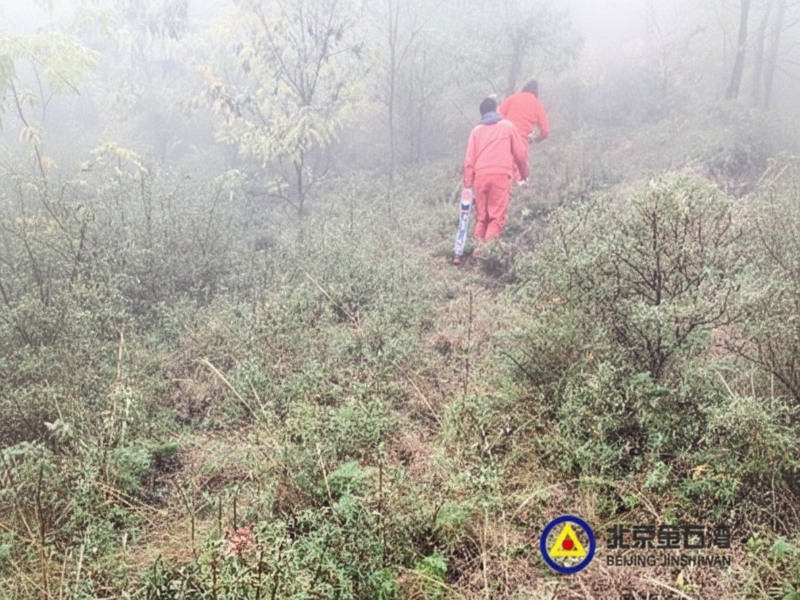
La tecnología de inspección externa integral, centrada en la técnica de inspección PMT, consiste en recopilar datos de campo magnético a lo largo del recorrido de las tuberías enterradas y analizar los datos para obtener información sobre los tipos y la gravedad de los defectos del cuerpo de la tubería. Sus principales características son las siguientes:
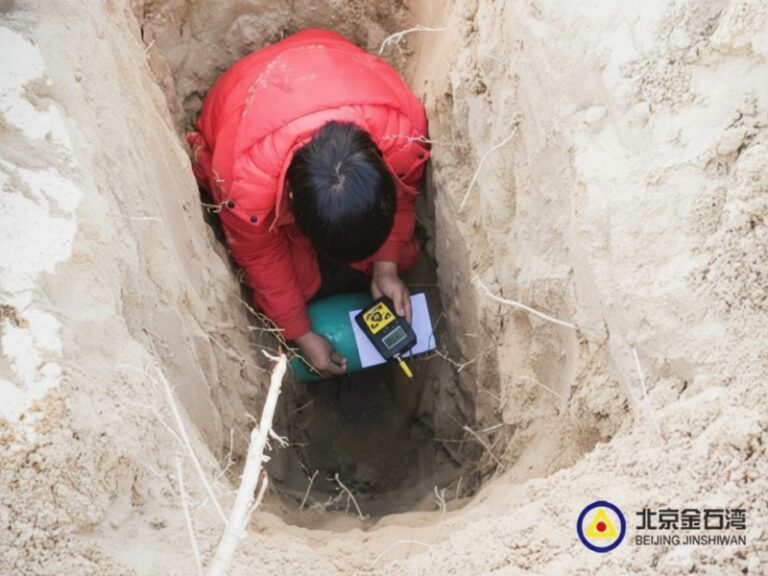
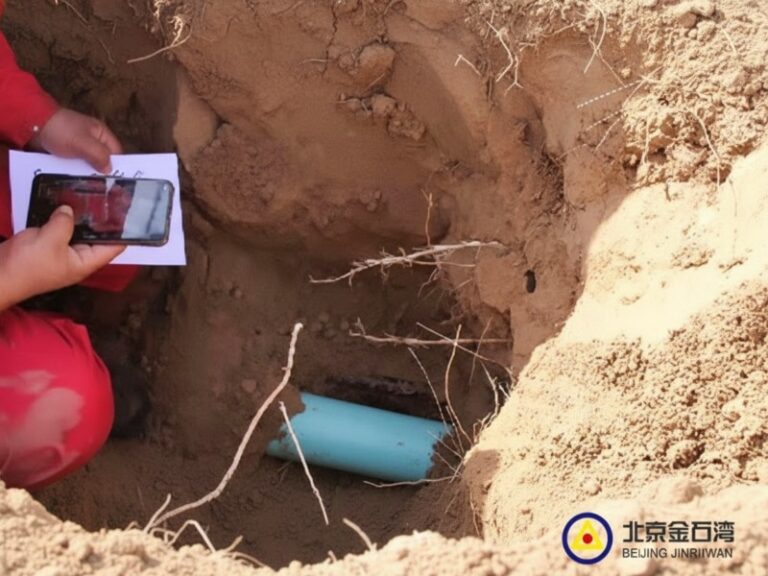
Detecta defectos en el cuerpo de la tubería (como pérdida de metal, sospecha de grietas, etc.) sin necesidad de excavar;
Elimina la necesidad de instalar trampas de lanzamiento/recepción, pigging o propulsión media. El proceso de inspección es seguro, sin riesgos como la acumulación de presión o el atasco de pigs;
No impone ningún requisito en cuanto a cambios de diámetro, curvas o distancia de las tuberías;
No afecta a los usuarios anteriores o posteriores durante la producción y el funcionamiento;
Capaz de detectar los niveles de tensión reales presentes en el cuerpo de la tubería enterrada;
Sirve como método complementario eficaz para las secciones de tuberías en las que no se puede realizar una inspección MFL inteligente;
Ofrece costes globales sencillos y bajo riesgo operativo.
Principios básicos de la tecnología de inspección magnética de tensiones sin contacto (PMT)
La tecnología de inspección magnética de tensiones sin contacto (PMT) es un método rápido de ensayo no destructivo que utiliza el efecto de memoria magnética del metal para detectar zonas de concentración de tensiones en componentes. Esta tecnología permite diagnosticar zonas de concentración de tensiones en componentes metálicos ferromagnéticos -específicamente, identificar microdefectos, fallos en fase inicial y daños- sin necesidad de limpiar la superficie del componente. Representa un nuevo enfoque de inspección en el campo de los ensayos no destructivos.
Normas de referencia
ISO 24497-1-2007 “Ensayos no destructivos - Memoria magnética metálica”.”
PDA 102-008-2009 “Directrices para el diagnóstico del estado técnico de las tuberías mediante métodos de ensayo magnético sin contacto (aprobadas por el Comité Industrial de la Federación Rusa)”
Aplicación de principios técnicos
En la actualidad, las tecnologías que utilizan con éxito el principio de memoria magnética metálica para la inspección de tuberías tanto a escala nacional como internacional incluyen el instrumento de inspección magnética de concentración de tensiones (3M, 4M, 5M) y la tecnología de magnetómetro sin contacto (MTM). La tecnología de inspección de tensión magnética sin contacto (PMT) para tuberías de acero aplicada por nuestra empresa ofrece una mayor capacidad antiinterferente, compatibilidad con interferencias electromagnéticas, visualización in situ en tiempo real, detección y posicionamiento inmediatos, y alineación con las características de las tuberías nacionales.
Defectos metálicos en las tuberías y concentración de tensiones
Las pérdidas de metal en las tuberías que superan los niveles normales suelen incluir:
Defectos de fabricación (varias soldaduras direccionales, defectos de fisuración, laminación, laminación de bordes, óxido de agua).
Defectos mecánicos (abolladuras, arrugas, estrías, marcas indicadoras)
Defectos de soldadura (porosidad, falta de penetración, desalineación de los bordes, tensión térmica residual en la zona de soldadura).
Defectos de corrosión localizados (picaduras de corrosión, corrosión lineal, agrietamiento por corrosión bajo tensión).
Zonas de mayor deformación por tensión general asociada a abolladuras de tuberías, desprendimientos de montañas, cargas de temperatura y otras deformaciones, esfuerzos de flexión, etc., durante la construcción, explotación y otros procedimientos. (Una función que no posee la inspección MFL en línea)
Solicite una consulta gratuita sobre el servicio de tuberías
Más información
¿Se enfrenta a un problema de tuberías? Obtenga una solución a medida de nuestros expertos. Facilítenos sus datos a continuación y nos pondremos en contacto con usted en menos de 24 horas para hablar de los requisitos, los plazos y el presupuesto de su proyecto.
Beijing Jinshiwan es un proveedor líder integrado de tecnología y servicios para oleoductos y gasoductos, que combina la fabricación de equipos de alta gama con conocimientos profesionales de ingeniería. Ofrecemos soluciones de tuberías seguras, fiables e innovadoras durante todo el ciclo de vida para los sectores petrolífero y gasístico, químico y de servicios públicos de todo el mundo.
Construcción e instalación de tuberías
- Construcción de oleoductos transfronterizos
- Instalación y puesta en servicio de tuberías
- Instalación de sistemas de tuberías de planta
- Reubicación y modificación de tuberías
Mantenimiento y reparación de tuberías
- Servicios de roscado en caliente y roscado a presión
- Servicios de taponamiento y aislamiento de tuberías
- Reparación urgente de tuberías
- Rehabilitación y revestimiento de tuberías
- Reparación de manguitos compuestos (instalación de manguitos B)
- Protección contra la corrosión y reparación
Servicios técnicos especializados
- Gestión de la integridad de las tuberías
- Servicios de apoyo a la inspección en línea
- Modificaciones no disruptivas de la línea viva
- Pruebas de presión de tuberías
- Limpieza y secado de tuberías
Equipamiento y fabricación
- Fabricación de roscadoras en caliente
- Producción de equipos de taponamiento de tuberías
- Fabricación de accesorios de tubería a medida
- Fabricación de válvulas especiales
Ventajas de nuestro servicio internacional:
- Capacidad de respuesta en caso de emergencia 24 horas al día, 7 días a la semana
- Cumplimiento de las normas API y ASME
- Gestión multilingüe de proyectos
- Envíos internacionales y apoyo logístico
- Supervisión técnica in situ en todo el mundo
 English
  Arabic
  Russian
  Spanish
  French
  Vietnamese
  Polish
  Thai
Thai  Indonesian
  Turkish
  Portuguese