Blog

Workers in safety gear performing trenchless oil pipeline rehabilitation in a deep access pit at an industrial construction site under a bright sky.

How Does Trenchless Pipeline Rehabilitation Work?

Last updated: May 2026 | Based on 500+ trenchless projects and 2024-2026 industry data Reviewed by a licensed Professional Engineer (P.E.) with 15+ years of trenchless pipeline rehabilitation experience and member of NASTT. Is trenchless pipe repair worth it? Yes. Trenchless pipe repair typically reduces costs by 30-60%, shortens project time

Leer Más »
Industrial workers in safety vests and hard hats perform trenchless rehabilitation on a large-diameter steel gas pipeline in a vast open field.

Pipeline Repair vs Rehabilitation

Pipeline repair targets isolated local defects such as cracks or joint leaks without replacing the pipe structure. Pipeline rehabilitation provides continuous structural renewal of an entire pipe segment using trenchless lining methods. The difference between pipeline repair and pipeline rehabilitation is primarily defined by damage scope, structural renewal level, and long-term cost efficiency.

Leer Más »
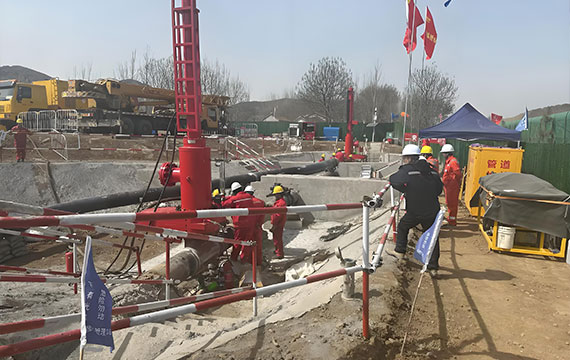
Industrial oil and gas pipeline rehabilitation with workers in PPE in a trench, operating repair equipment on a large steel pipe under daylight.

What Is Pipeline Repair & Rehabilitation?

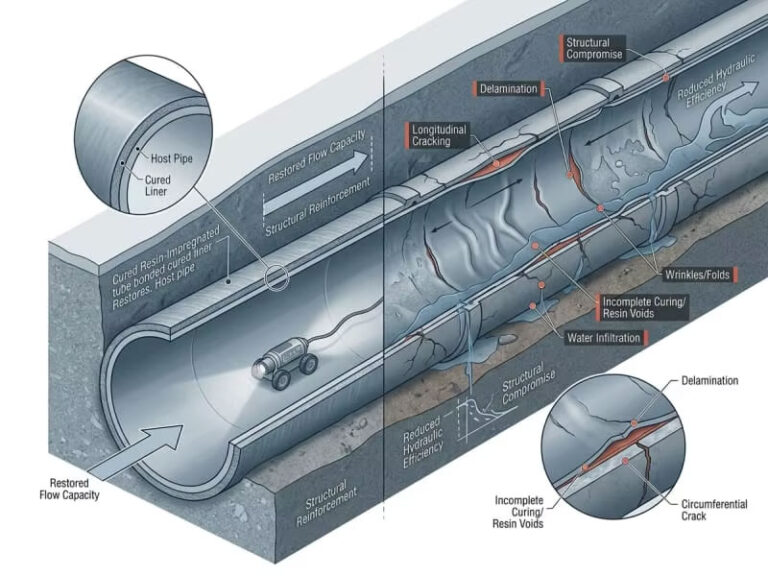
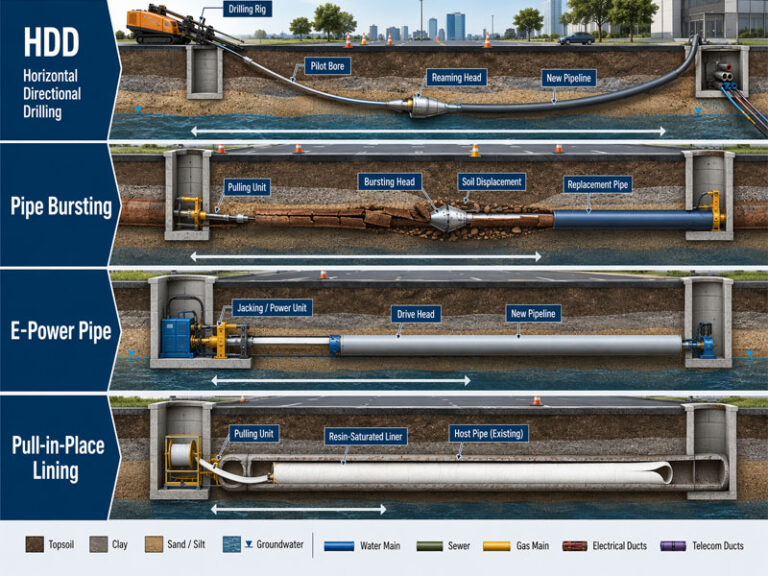
What is pipeline repair and rehabilitation?Pipeline repair and rehabilitation is the process of restoring damaged or aging pipelines using trenchless or minimally invasive methods such as CIPP lining, pipe bursting, and slip lining. These techniques extend pipe lifespan by 30–50 years while reducing costs by 30–60% compared to full excavation.

Leer Más »
Construction workers are welding a large steel pipeline section being lowered into a trench by heavy equipment in a sunny, expansive open field.

Which Pipeline Rehabilitation Method Is Most Cost-Effective?

Cured-in-place pipe (CIPP) is the most cost-effective pipeline rehabilitation method for most municipal and residential pipelines, typically reducing total costs by 30–50% compared to open-cut replacement while delivering a 50+ year service life. However, pipe bursting becomes more cost-effective for collapsed or severely damaged pipelines. Slip lining offers the lowest

Leer Más »
Workers in orange suits are welding a large black steel pipeline with internal purple UV curing equipment at a desert construction site.

How to Choose a Pipeline Rehabilitation Contractor

Choosing a reliable pipeline rehabilitation contractor requires verifying three critical credentials: NASSCO PACP certification (technician ID, not just company logo), an EMR safety score below 1.0, and a transferable warranty of 10–25 years covering both materials and workmanship. For most municipal and industrial projects (pipe diameters 6–84 inches), you should also demand a lifecycle cost

Leer Más »