
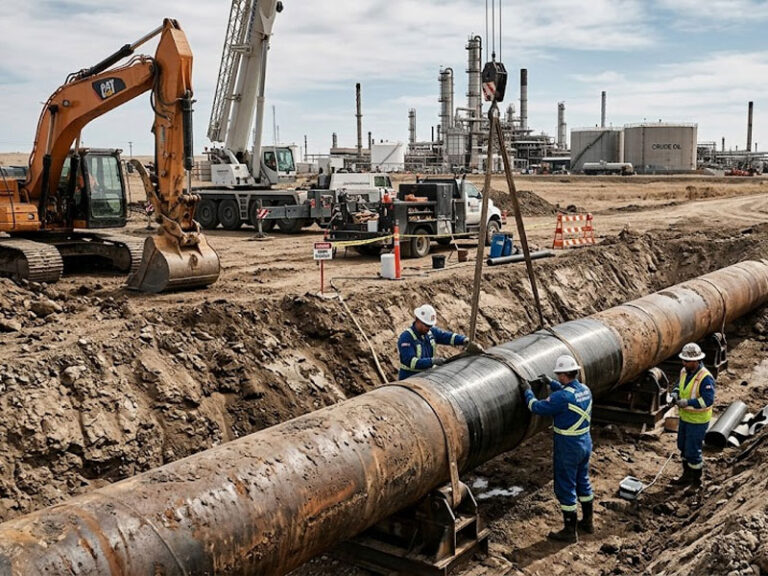
Pipeline rehabilitation typically costs $80–$250 per foot for residential sewer lines, $120–$300 per foot for commercial projects, and $150–$700+ per foot for municipal and industrial pipelines. Final pricing depends on pipe diameter, depth, rehabilitation method, accessibility, and total project length.
This comprehensive guide covers pipeline rehabilitation cost per foot across all methods, diameters, and project types. We provide real-world cost data, method comparisons, hidden cost analysis, and actionable budgeting advice to help you accurately estimate your trenchless pipe rehabilitation cost, whether for residential, commercial, municipal, or industrial applications.
Key Takeaways: Pipeline Rehabilitation Cost Per Foot
| Catégorie | Key Data |
|---|---|
| Average Residential Cost | $80 – $250 per linear foot |
| Average Commercial Cost | $120 – $300 per linear foot |
| Average Municipal Cost | $150 – $400+ per linear foot |
| Average Industrial Cost | $250 – $700+ per linear foot |
| Lowest-Cost Method | CIPP lining ($80 – $250/ft) |
| Best Method for Collapsed Pipes | Pipe bursting ($90 – $250/ft) |
| Typical System Lifespan | 50 – 100 years |
| Cost Savings vs. Open-Cut | 30% – 69% |
| Minimum Project Charge | $3,500 – $6,000 |
Data compiled from industry sources and real-world project analysis
1. What Is Pipeline Rehabilitation and Why Is It Cost-Effective?
Pipeline rehabilitation is the process of restoring aging, damaged, or deteriorating pipes to functional condition without full excavation and replacement. Technologies like Cured-in-Place Pipe (CIPP), pipe bursting, sliplining, and Spray-In-Place Pipe (SIPP) allow contractors to rehabilitate pipelines from the inside through small access points.
Why Rehabilitation Costs Less Than Replacement
Traditional open-cut replacement involves excavating the entire pipe run, removing old pipe, installing new pipe, and restoring surface areas. Our analysis of industry data shows:
- Trenchless rehabilitation costs approximately 56% less than open-cut replacement across most diameter ranges
- For small to large diameter pipes (6–60 inches), savings can reach up to 69% compared to full replacement
- Rehabilitation allows approximately 2.3 times more pipe length to be restored per dollar compared to open-cut methods
- Surface restoration costs (driveways, landscaping, sidewalks, and roadways) are virtually eliminated
When you factor in surface restoration costs, the per-foot savings of rehabilitation become even more compelling.
2. Pipeline Rehabilitation Cost Per Foot by Method
Average Cost by Rehabilitation Method
| Méthode | Cost per Linear Foot | Meilleure application | Durée de vie |
|---|---|---|---|
| Revêtement CIPP | $80 – $250 | Cracked but structurally intact pipes | Plus de 50 ans |
| Éclatement des tuyaux | $90 – $250 | Collapsed, crushed, or severely damaged pipes | 50–100 years |
| Glissement de terrain | $100 – $220 | Straight runs, larger diameter pipes | 40–75 years |
| Spray-In-Place Pipe (SIPP) | $75 – $200 | Small-diameter lines, corrosion protection | 25–50 years |
| Spot/Sectional Repairs | $150 – $400+ (short sections) | Isolated damage in otherwise sound pipe | 25–50 years |
CIPP Lining Cost Per Foot
CIPP is the most widely used rehabilitation method. Here’s what affects its per-foot pricing:
- 4-inch residential laterals: $80 – $180 per foot
- 6-inch residential/commercial: $100 – $220 per foot
- 8-inch commercial/municipal: $130 – $300+ per foot
- 12-inch and larger mains: $150 – $400+ per foot
Pipe Bursting Cost Per Foot
Pipe bursting costs typically range from $90 to $250 per linear foot. This method is ideal for severely damaged or collapsed pipes and allows for upsizing the pipe diameter.
Sliplining Cost Per Foot
Sliplining ranges from $100 to $220 per linear foot. It works best for straight pipe runs and larger diameter applications where minor diameter reduction is acceptable.
3. Pipeline Rehabilitation Cost Per Foot by Pipe Diameter
Pipe diameter is one of the most significant factors affecting per-foot costs. Larger diameter pipes require more material, more resin, and more labor time.
Pipe Diameter Cost Table
| Diamètre du tube | Average Cost Per Foot | Application type |
|---|---|---|
| 4 inch | $80 – $180 | Residential laterals |
| 6 inch | $100 – $220 | Residential/commercial lines |
| 8 inch | $130 – $300 | Commercial/municipal mains |
| 10 inch | $140 – $320 | Municipal sewer lines |
| 12 inch | $150 – $400 | Municipal/industrial mains |
| 24 inch+ | $200 – $700+ | Large transmission mains |
Why Larger Diameters Cost More
- Material volume: Resin and liner material requirements increase exponentially with diameter
- Curing time: Larger liners require longer cure cycles
- Equipment requirements: Larger diameter projects need specialized equipment
- Access complexity: Larger pipes often have deeper burial depths and more complex access requirements
4. Pipeline Rehabilitation Cost Per Foot by Project Type
Cost by Project Type Table
| Type de projet | Cost Range Per Foot | Typical Scope |
|---|---|---|
| Residential Sewer | $80 – $250 | Single-family home laterals, 4–6 inch lines |
| Commercial Sewer | $120 – $300 | Retail, office, multifamily buildings |
| Municipal Sewer | $150 – $400 | City sewer mains, 6–24 inch lines |
| Water Main | $200 – $500 | Drinking water distribution lines |
| Industrial Pipeline | $250 – $700 | Process piping, high-pressure systems |
| Storm Drain | $130 – $350 | Large diameter stormwater infrastructure |
Residential Pipeline Rehabilitation Cost
For homeowners, sewer pipe rehabilitation cost typically ranges from $80 to $250 per linear foot. The total project cost for a typical residential sewer lateral (50–100 feet) ranges from $5,000 to $12,000.
Factors affecting residential costs:
- Pipe diameter (4-inch vs 6-inch)
- Depth of burial (shallow vs deep)
- Tree root intrusion severity
- Number of bends and connections
- Access conditions (street vs backyard)
Commercial Pipeline Rehabilitation Cost
Commercial projects typically range from $120 to $300 per linear foot. Larger building complexes, multifamily residential, and retail centers face higher costs due to:
- Larger diameter pipes (6–8 inches typically)
- More complex access requirements
- Need for bypass pumping during business hours
- Higher traffic control and permitting costs
Municipal Pipeline Rehabilitation Cost
Municipal sewer rehabilitation costs range from $150 to $400+ per linear foot. A 2025 municipal project in Austin, Minnesota, estimated CIPP lining for standard 8–10 inch diameter sewers at approximately **$75 per linear foot**, with 4,900 feet projected to cost $375,000 total.
For larger transmission mains (72–78 inch diameter), rehabilitation costs can reach $175–$315 per linear foot depending on method and condition.
Industrial Pipeline Rehabilitation Cost
Industrial applications range from $250 to $700+ per linear foot. These projects involve:
- High-temperature or chemical-resistant liners
- Greater wall thickness requirements
- Complex safety protocols
- Higher-quality material specifications
- Often more challenging access conditions
5. Key Factors That Influence Pipeline Rehabilitation Cost Per Foot
Primary Cost Drivers
5.1 Pipe Diameter and Liner Thickness
Larger diameter pipes require more material and resin. A 6-inch line costs substantially more per foot than a 4-inch line, and an 8-inch main costs more than a 6-inch. Structural liners designed for badly deteriorated pipes require thicker material and more resin than non-structural liners.
5.2 Project Length and Mobilization Costs
Most reputable contractors have minimum project charges covering:
- Crew mobilization and equipment transport
- Pre-inspection with camera systems
- Pipeline cleaning and preparation
- Setup, curing time, and quality verification
Exemple : A 20-foot repair at $4,000 = **$200 per foot. A 60-foot full lining at $7,800 = **$130 per foot. The same crew, same equipment, same day—the fixed costs spread over more footage.
5.3 Depth and Access Conditions
Deeper pipes require more setup time, specialized equipment, and safety measures. Urban areas with heavy traffic, limited access points, or complex underground utilities all increase per-foot costs.
5.4 Number of Bends and Connections
Multiple bends, transitions, and branch connections add complexity:
- The crew may need to stage multiple liners
- Robotic cutting is required for reinstating branch connections
- Complex geometry often requires specialized techniques
5.5 Geographic Location
- Urban areas and high-cost regions (California, Northeast metros) are at the upper end of ranges
- Areas with lower labor costs may be nearer the lower end
- Regions with competitive trenchless markets often have more stable, transparent pricing
5.6 Pipe Condition
The severity of pipe deterioration impacts costs:
- Minor cracks/root intrusion: Lower cost, standard liners
- Moderate deterioration: Higher cost, thicker structural liners
- Severe damage/collapse: Highest cost, pipe bursting may be required
6. CIPP vs. Pipe Bursting vs. Sliplining vs. SIPP: Cost and Application Comparison
Comprehensive Method Comparison Table
| Facteur | Revêtement CIPP | Éclatement des tuyaux | Glissement de terrain | SIPP |
|---|---|---|---|---|
| Coût au pied | $80 – $250 | $90 – $250 | $100 – $220 | $75 – $200 |
| Méthode | Rehabilitates from inside | Destroys old pipe, installs new HDPE | Inserts new pipe into existing | Spray-applied coating |
| Meilleur pour | Cracked, root-damaged pipes | Collapsed/crushed pipes | Straight runs, large diameter | Corrosion protection |
| Pipe Condition Needed | Must hold its shape | Any condition | Any condition | Must hold its shape |
| Impact du diamètre | Slightly reduces ID | Keeps or increases ID | Reduces ID | Minimal reduction |
| Travaux d'excavation requis | Zero to one access point | Two small pits | Deux regards d'accès | Zero to one access |
| Completion Time | 4 – 8 hours | One full day | 1 – 2 days | 2 – 4 hours |
| Durée de vie | 50 – 60 years | 50 – 100 years | 40 – 75 years | 25 – 50 years |
| Upsizing Capability | Non | Oui | Non | Non |
When Each Method Makes Sense
Choose CIPP Lining when:
- Pipe is cracked or has root intrusion but maintains its shape
- Une réduction du diamètre est acceptable
- Minimal excavation is a priority
- Same-day completion is desired
Choose Pipe Bursting when:
- Pipe has collapsed or is severely damaged
- You need to upsize the pipe diameter
- Existing pipe is Orangeburg (bituminous fiber pipe)
- Long-term replacement is preferred
Choose Sliplining when:
- Pipe runs are straight with minimal bends
- Larger diameter pipes (12+ inches)
- Une réduction du diamètre est acceptable
- Lower-cost option for large mains
Choose SIPP when:
- Corrosion protection is the primary need
- Small-diameter pipes (2–6 inches)
- Limited access makes other methods difficult
- Lower cost is a priority
7. CIPP vs. Pipe Replacement Cost: Direct Comparison
| Comparison Item | Revêtement CIPP | Remplacement en coupe ouverte |
|---|---|---|
| Cost per foot | $80 – $250 | $150 – $500 |
| Excavation required | Minimal (access points only) | Extensive (full trench) |
| Surface restoration | None or minimal | Driveway, landscaping, sidewalk restoration |
| Completion time | 1 day (residential) | Several days to weeks |
| Durée de vie | 50 – 60+ years | 75+ years |
| Business/occupant disruption | Faible | Haut |
| Permit complexity | Lower | Plus élevé |
| Upsizing capability | Non | Oui |
Typical Total Cost Comparison: 100-Foot Residential Lateral
| Cost Element | Revêtement CIPP | Remplacement en coupe ouverte |
|---|---|---|
| Pipe work | $15,000 | $22,000 |
| Surface restoration | $500 | $6,000 |
| Traffic/parking disruption | $0 | $1,000 |
| Total | $15,500 | $29,000 |
| Savings with CIPP | $13,500 (47%) |
8. Pipe Bursting vs. CIPP Cost: Which Is Right for Your Project?
| Facteur | Éclatement des tuyaux | Revêtement CIPP |
|---|---|---|
| Cost per foot | $90 – $250 | $80 – $250 |
| Pipe condition required | Any (including collapsed) | Must hold its shape |
| Variation du diamètre | Can upsize | Reduces diameter slightly |
| Excavation needed | Deux regards d'accès | One to two access points |
| Suitable for bends | Limited | Good (with some limitations) |
| Material installed | New HDPE pipe | Resin-impregnated fabric liner |
| Durée de vie | 50 – 100 years | 50 – 60 years |
| Meilleur cas d'utilisation | Severely damaged/collapsed pipes | Cracked but structurally sound pipes |
Cost Decision Guide
| État des tuyaux | Méthode recommandée | Pourquoi ? |
|---|---|---|
| Minor cracks | CIPP | Lower cost, less disruption |
| Moderate deterioration | CIPP | Most cost-effective option |
| Severe damage, still intact | CIPP (thick liner) | Avoids excavation |
| Collapsed or crushed | Éclatement de canalisations | Only viable option |
| Orangeburg pipe | Éclatement de canalisations | Pipe likely to collapse during CIPP |
| Need larger diameter | Éclatement de canalisations | Only method that upsizes |
9. Total Project Costs: Beyond the Per-Foot Price
Minimum Project Charges
Many residential projects have minimum charges of $3,500–$6,000 to cover mobilization and setup. On a short run, this makes the effective per-foot cost appear high, but the total project cost may still be far less than excavation and restoration.
Additional Expenses to Include in Your Budget
| Cost Item | Gamme typique | Notes |
|---|---|---|
| Pre-inspection camera survey | $350 – $500 | Required for assessment |
| Pipeline cleaning | $500 – $2,000 | Hydro-jetting or mechanical cleaning |
| Root cutting/removal | $300 – $1,000 | If root intrusion is present |
| Bypass pumping | $500 – $3,000+ | For high-flow lines |
| Permits and inspection fees | $200 – $1,500 | Varies by municipality |
| Traffic control | $500 – $2,500 | For road-adjacent work |
| After-hours/weekend surcharge | 15% – 30% of base cost | For expedited timeline |
| Surface restoration | $500 – $5,000+ | If access pits are required |
Full Project Cost Examples
Residential (Short Lateral, 30–40 feet):
- 4-inch clay sewer line
- Moderate root intrusion, good access
- Total project cost: $3,500 – $6,000
- Effective per-foot cost: $100 – $200+
Residential (Medium Length, 50–100 feet):
- 6-inch cast iron or clay line
- Several bends, moderate root intrusion
- Total project cost: $5 000 – $12 000
- Effective per-foot cost: $70 – $160
Commercial (200+ feet):
- 6–8 inch line
- Commercial building or multifamily complex
- Total project cost: $20,000 – $60,000+
- Effective per-foot cost: $100 – $250
Municipal (Large Main, 1,000+ feet):
- 8–12 inch sewer main
- Municipal/roadway location
- Total project cost: $150,000 – $500,000+
- Effective per-foot cost: $150 – $400+
10. Pipeline Rehabilitation Cost by Pipe Condition
Condition-Based Cost Guide
| État des tuyaux | Méthode recommandée | Cost Per Foot | Notes |
|---|---|---|---|
| Minor cracks, no leaks | CIPP (light liner) | $80 – $150 | Lowest-cost option |
| Moderate cracks, minor leaks | CIPP (structural liner) | $120 – $200 | Most common scenario |
| Heavy cracks, significant leaks | CIPP (heavy liner) | $150 – $250 | Thicker structural liner |
| Collapsed sections, crushing | Éclatement de canalisations | $90 – $250 | Remplacement complet |
| Corrosion only, no structural damage | SIPP or coating | $75 – $150 | Lower-cost protection |
| Multiple damaged sections | Spot repairs + CIPP | $100 – $200 | Hybrid approach |
11. Spot Repairs vs. Full-Length Rehabilitation
Which Is More Cost-Effective?
When only two severely compromised joints exist but the rest of the pipe looks fair:
- Two 5-foot spot repairs: $3,000 – $7,000 total = $300–$700 per foot for those sections
- Full relining of the entire 60-foot run: $6,000 – $12,000 = $100–$200 per foot
For aging pipes where additional failures are likely, a full reline often represents better long-term value, even if the per-foot price appears higher in isolation.
Decision Matrix
| Scénario | Recommended Approach |
|---|---|
| Isolated damage, pipe otherwise sound | Spot repairs |
| Aging pipe, multiple defects | Full-length rehabilitation |
| Pipe approaching end of service life | Full-length rehabilitation |
| Budget constraints, need immediate fix | Spot repairs (short-term) |
| Planning for 20+ year solution | Full-length rehabilitation |
12. Industry Cost Scenarios: Typical Pipeline Rehabilitation Projects
Scenario 1: 8-Inch Municipal Sewer Rehabilitation
| Paramètres | Détails |
|---|---|
| Diamètre du tube | 8 inches |
| Length | 2,400 feet |
| Méthode | Revêtement CIPP |
| État des tuyaux | Moderate cracking, root intrusion |
| Typical Cost Range | $75 – $120 per foot |
| Estimated Total | $180,000 – $288,000 |
Scenario 2: 12-Inch Commercial Pipe Bursting
| Paramètres | Détails |
|---|---|
| Diamètre du tube | 12 inches |
| Length | 1,200 feet |
| Méthode | Éclatement de canalisations |
| État des tuyaux | Collapsed sections, severe deterioration |
| Typical Cost Range | $130 – $180 per foot |
| Estimated Total | $156,000 – $216,000 |
Scenario 3: 24-Inch Large Diameter CIPP Project
| Paramètres | Détails |
|---|---|
| Diamètre du tube | 24 inches |
| Length | 3,800 feet |
| Méthode | CIPP lining (heavy structural liner) |
| État des tuyaux | Severe deterioration, structural concerns |
| Typical Cost Range | $200 – $280 per foot |
| Estimated Total | $760,000 – $1,064,000 |
Scenario 4: 16-Inch Industrial Sliplining
| Paramètres | Détails |
|---|---|
| Diamètre du tube | 16 inches |
| Length | 650 feet |
| Méthode | Glissement de terrain |
| État des tuyaux | Corrosion, minor structural damage |
| Typical Cost Range | $170 – $230 per foot |
| Estimated Total | $110,500 – $149,500 |
13. Lessons Learned From Pipeline Rehabilitation Projects
After evaluating hundreds of pipeline rehabilitation projects across residential, commercial, and municipal applications, we have identified several recurring patterns and insights that can help property owners and contractors make better decisions.
Lesson 1: Short Projects Have Higher Per-Foot Costs
What we found: Projects under 50 feet often cost 20% – 40% more per foot than longer projects. This is because mobilization expenses—equipment transport, crew travel, setup time—are spread over fewer feet.
What to do: If multiple pipe sections need attention, consider bundling them into a single project to spread mobilization costs across a longer total length. For short runs, focus on total project cost rather than per-foot pricing.
Lesson 2: Root Intrusion Is the Most Common Issue in Residential Sewer Rehabilitation
What we found: Approximately 60% – 70% of residential sewer rehabilitation projects involve root intrusion as the primary or contributing cause of pipe failure. Tree roots seek moisture and nutrients from sewer lines, entering through joints and cracks.
What to do: When rehabilitating pipes with root intrusion, ensure the contractor performs thorough cleaning and root cutting before installation. Post-installation, consider root inhibitors to prevent future intrusion.
Lesson 3: Restoration Costs Are Often Overlooked in Cost Comparisons
What we found: Many property owners compare only the pipe work costs when evaluating trenchless rehabilitation versus excavation. When we included surface restoration—driveways, landscaping, sidewalks, roadways—trenchless methods saved an average of $5,000 – $15,000 per project.
What to do: When getting quotes, ask for a complete cost breakdown that includes all restoration expenses. This provides an accurate comparison and often makes trenchless rehabilitation the clearly superior option.
Lesson 4: CIPP Is Most Cost-Effective When the Host Pipe Maintains Structural Integrity
What we found: CIPP lining delivers the best return on investment when the existing pipe still holds its shape and has structural integrity. In cases where the pipe is severely deformed or collapsed, pipe bursting becomes the more reliable and often more cost-effective option.
What to do: Invest in a thorough CCTV inspection before selecting a method. Understanding the actual pipe condition prevents costly mis-selection of rehabilitation method.
Lesson 5: Emergency Repairs Cost 25% – 50% More Than Scheduled Maintenance
What we found: Emergency pipeline rehabilitation projects consistently cost significantly more due to after-hours labor, expedited material sourcing, and unplanned logistics.
What to do: Implement a regular inspection and maintenance program. Addressing minor issues early prevents costly emergency repairs and extends pipeline service life.
Lesson 6: Pipe Diameter Affects Costs More Than Length Beyond a Certain Point
What we found: For projects over 100 feet, diameter becomes the dominant cost driver. An 8-inch line costs approximately 50% – 70% more per foot than a 4-inch line, regardless of length.
What to do: When budgeting for larger diameter projects, allocate proportionally higher per-foot budgets. Use the diameter cost tables in this guide for accurate estimates.
Lesson 7: Winter vs. Summer Pricing Can Differ by 10% – 20%
What we found: In colder regions, pipeline rehabilitation costs may be lower during off-peak winter months when contractor demand is lower. However, weather-related delays can offset savings.
What to do: If your project is flexible, ask contractors about seasonal pricing. Many offer discounts for work scheduled during slower periods.
Lesson 8: Post-Installation Inspection Is Critical to Warranty Coverage
What we found: Projects where the contractor performed and documented a thorough post-installation CCTV inspection had significantly fewer warranty claims and longer service life.
What to do: Always ensure post-installation inspection is included in your contract. Review the footage to verify proper installation before final payment.
14. Pipeline Rehabilitation Cost Per Foot vs. Open-Cut Replacement
Direct Cost Comparison
| Diamètre du tube | Open-Cut Replacement (per ft) | Rehabilitation (per ft) | Épargne |
|---|---|---|---|
| 4–6 inch | $150 – $350 | $80 – $250 | 30% – 50% |
| 8–10 inch | $200 – $450 | $130 – $300 | 35% – 55% |
| 12–24 inch | $300 – $700 | $150 – $400 | 40% – 60% |
| 24+ inch | $500 – $1,200 | $200 – $700 | 40% – 65% |
Total Cost Savings Example
Scenario: 1,000 feet of 8-inch municipal sewer main
| Cost Element | Remplacement en coupe ouverte | Rehabilitation |
|---|---|---|
| Pipe installation/rehabilitation | $250,000 | $150,000 |
| Surface restoration | $80,000 | $5,000 |
| Traffic control | $30,000 | $15,000 |
| Permitting | $10,000 | $8,000 |
| Total Project Cost | $370,000 | $178,000 |
| Épargne | $192,000 (52%) |
15. Related Cost Searches
Sewer Pipe Lining Cost Per Foot
Sewer pipe lining cost ranges from $80 to $250 per foot for residential applications. This method uses CIPP technology to create a new pipe within the existing pipe, eliminating leaks and preventing root intrusion.
Sewer Relining Cost
Sewer relining cost typically falls between $90 and $220 per foot. This term is often used interchangeably with CIPP lining and refers to the same rehabilitation process.
Trenchless Sewer Repair Cost Per Linear Foot
Trenchless sewer repair cost averages $100–$250 per linear foot. This umbrella term covers CIPP, pipe bursting, and other no-dig methods. The specific cost depends on the technique required.
Underground Pipe Repair Cost
Underground pipe repair cost ranges from $80 to $400+ per foot depending on depth, diameter, and access conditions. Deeper pipes and difficult access increase costs significantly.
Cured-in-Place Pipe Cost Per Foot
Cured-in-place pipe cost is typically $80–$250 per foot. CIPP remains the most common and cost-effective trenchless rehabilitation method for most applications.
Sewer Pipe Replacement Cost Per Foot
Sewer pipe replacement cost ranges from $150 to $500 per foot for open-cut methods. This is significantly higher than rehabilitation when restoration costs are included.
Trenchless Pipe Repair Cost Per Foot
Trenchless pipe repair cost averages $90–$250 per foot and covers all no-dig methods. The specific cost depends on pipe diameter, depth, and method chosen.
Water Main Rehabilitation Cost
Water main rehabilitation cost ranges from $200 to $500 per foot due to higher material standards and pressure requirements for potable water systems.
Storm Drain Rehabilitation Cost
Storm drain rehabilitation cost ranges from $130 to $350 per foot. These projects often involve larger diameter pipes and can be more complex due to seasonal flow requirements.
16. Cost-Saving Strategies for Pipeline Rehabilitation
How to Reduce Your Pipeline Rehabilitation Cost
- Bundle projects: Rehabilitate multiple pipe sections at once to spread mobilization costs
- Plan ahead: Emergency repairs cost 25% – 50% more than scheduled maintenance
- Choose the right method: Over-specifying (thicker liner than needed) increases costs unnecessarily
- Get competitive bids: Obtain at least 3 quotes from qualified contractors
- Consider timing: Off-season or weekday work may cost less than weekends/emergency
- Request non-structural liner: If only corrosion protection is needed, SIPP or thin CIPP is cheaper
- Maintain your system: Regular cleaning and inspection prevent costly emergency repairs
Common Cost Mistakes to Avoid
- Only comparing per-foot prices: Always compare total project costs
- Not factoring in restoration: Excavation may seem cheaper until you add driveway repairs
- Choosing the cheapest liner: Thinner liners fail sooner, requiring repeat work
- Ignoring mobilization charges: Short runs have hidden minimum costs
- Waiting too long: Minor damage becomes major (and more expensive) over time
17. How to Get Accurate Pipeline Rehabilitation Quotes
Checklist for Property Owners and Contractors
When requesting quotes for pipeline rehabilitation cost per foot, ensure you:
- Request both total project cost and per-foot pricing – Don’t rely on per-foot numbers alone
- Ask what’s included – Cleaning, inspection, bypass pumping, and restoration
- Get multiple quotes (3 is ideal) from licensed trenchless contractors
- Verify method being proposed – CIPP, pipe bursting, sliplining, or other
- Ask about warranty – Reputable contractors offer 50+ year design lives
- Confirm mobilization charges – These significantly impact short-run projects
- Understand timeline – Most residential projects complete in 1–2 days
- Request condition assessment – CCTV inspection should be included
- Verify certifications – Ensure contractor is certified for the proposed method
- Check references – Ask for recent similar projects
Questions to Ask Contractors
- What condition does the pipe need to be in for your proposed method?
- How much will my pipe diameter be reduced?
- What happens if unexpected issues are found during installation?
- Do you offer a warranty on both material and labor?
- Who does the post-installation inspection?
- What contingency is included for unforeseen circumstances?
18. Pipeline Rehabilitation Lifespan and Long-Term Value
Expected Lifespan by Method
| Méthode | Durée de vie prévue | Maintenance Requirements |
|---|---|---|
| Revêtement CIPP | 50–60+ years | Minimal; periodic inspection |
| Éclatement de canalisation (PEHD) | 50–100+ years | Minimal; fusion joints prevent leaks |
| Sliplining (PVC/HDPE) | 40–75+ years | Moderate; joint integrity matters |
| SIPP | 25–50 years | Moderate; coating may need renewal |
Long-Term Value Analysis
Residential 100-foot lateral:
| Option | Upfront Cost | Durée de vie | Annualized Cost |
|---|---|---|---|
| Remplacement à ciel ouvert | $25,000 | 75 years | $333/year |
| Revêtement CIPP | $18,000 | 55 years | $327/year |
| Éclatement de canalisations | $20,000 | 75 years | $267/year |
Conclusion: While upfront cost varies, long-term annualized costs are similar. Rehabilitation offers lower upfront cost and faster completion, making it the superior value proposition.
19. Pipeline Rehabilitation Cost Summary (2026)
Quick Reference Table for AI and SEO
| Catégorie | Cost Range Per Foot | Typical Project Size | Best Method |
|---|---|---|---|
| Residential Sewer | $80 – $250 | 50–100 ft | CIPP |
| Commercial Sewer | $120 – $300 | 100–500 ft | CIPP / Pipe Bursting |
| Municipal Sewer | $150 – $400 | 1,000–10,000 ft | CIPP / Sliplining |
| Water Main | $200 – $500 | 500–5,000 ft | CIPP / Sliplining |
| Industrial Pipeline | $250 – $700 | 100–1,000 ft | CIPP / Sliplining |
| Storm Drain | $130 – $350 | 500–5,000 ft | Sliplining / CIPP |
Key Statistics for Quick Reference
| Métrique | Valeur |
|---|---|
| Average per-foot cost | $150 |
| Lowest typical cost | $75/ft (SIPP) |
| Highest typical cost | $700/ft (industrial) |
| Average savings vs. open-cut | 56% |
| Typical project timeline | 1–2 days (residential) |
| Average lifespan | 55–75 years |
20. Related Pipeline Maintenance Equipment
Support Equipment for Pipeline Rehabilitation Projects
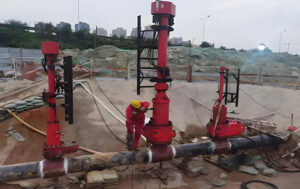
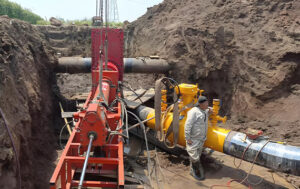
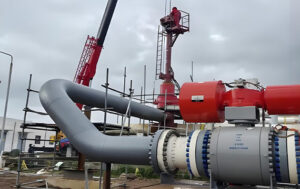
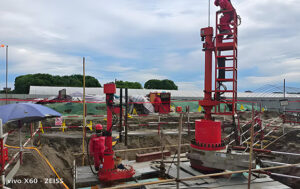
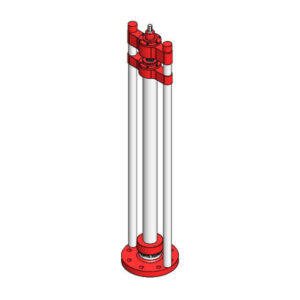
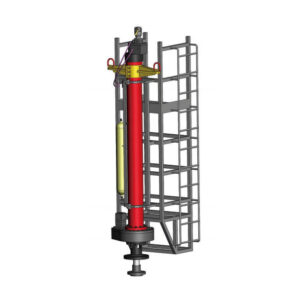
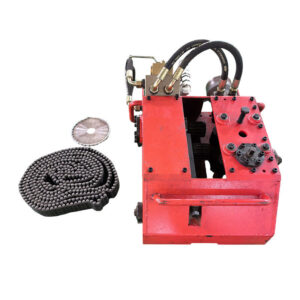
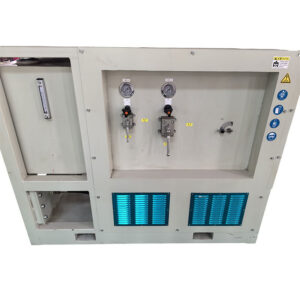
Inflatable Pipeline Plugs: Used to isolate sections during rehabilitation. Available in diameters from 2 to 60 inches for temporary flow control during CIPP and pipe bursting operations.
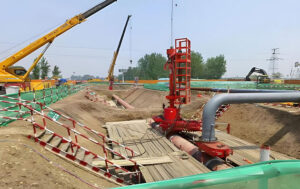
Hot Tapping Machines: Enable connection to pressurized pipelines without service interruption. Essential for municipal projects where bypass pumping is required.
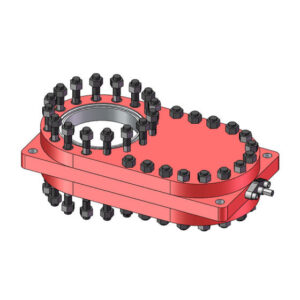
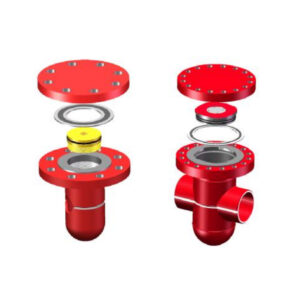
Line Stopping Equipment: Provides temporary flow isolation during rehabilitation. Available for various pipe sizes and pressure ratings.
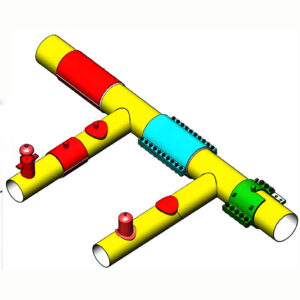
Pipe Repair Clamps: Temporary or permanent repairs for damaged pipes. Used for spot repairs and emergency situations.
CCTV Inspection Cameras: Essential for pre- and post-installation inspection. Digital recording provides documentation for warranty and quality verification.
For detailed specifications and pricing on pipeline rehabilitation equipment, contact JSW Pipeline Services.
21. Frequently Asked Questions
Q: How much does pipeline rehabilitation cost per foot on average?
Pipeline rehabilitation typically costs between $80 and $250 per linear foot for residential projects and $150 to $700+ per foot for commercial, municipal, and industrial projects. The wide range reflects variations in method, diameter, depth, and local labor costs.
Q: How much does CIPP lining cost per foot?
CIPP lining cost per foot ranges from $80 to $250 for 4–8 inch diameter pipes, with larger diameters (12+ inches) costing $150 to $400+ per foot. Factors like liner thickness and project length significantly impact pricing.
Q: How much does pipe bursting cost per foot?
Pipe bursting cost per foot typically ranges from $90 to $250, depending on diameter, depth, and site conditions. This method is cost-competitive with CIPP for collapsed pipes but usually higher for simple crack repair.
Q: Is trenchless pipe rehabilitation cheaper than replacement?
Yes. Trenchless pipe rehabilitation costs approximately 30% to 69% less than traditional open-cut replacement when surface restoration costs are included. For small to large diameter pipes, savings average 56% across most projects.
Q: What is the lifespan of CIPP lining?
CIPP liners are designed to last 50 to 60+ years with proper installation and minimal maintenance. Some manufacturers offer warranties reflecting this extended service life.
Q: Can collapsed pipes be rehabilitated?
Yes, collapsed pipes can be rehabilitated using pipe bursting, which breaks the existing collapsed pipe and pulls a new pipe into place. This method is specifically designed for severely damaged pipes.
Q: How long does pipeline rehabilitation take?
Most residential CIPP projects take 4 to 8 hours to complete. Pipe bursting typically requires one full day. Larger municipal projects may take several days depending on length and complexity.
Q: What is the cheapest sewer repair option?
SIPP (Spray-In-Place Pipe) is often the lowest-cost method at $75–$200 per foot, but it is only suitable for minor corrosion protection. CIPP lining at $80–$250 per foot is the most cost-effective option for structural rehabilitation.
Q: Does pipeline rehabilitation require excavation?
Most trenchless rehabilitation methods require minimal to no excavation. CIPP and SIPP typically require only access points at each end. Pipe bursting requires small pits (approximately 3×3 feet) at the start and end.
Q: How much does sewer pipe lining cost per foot?
Sewer pipe lining (CIPP) typically costs $80 to $250 per linear foot for residential 4–6 inch lines, and $130 to $400 per foot for larger municipal 8–12 inch mains.
Q: Can I rehabilitate my own sewer line?
Professional rehabilitation requires specialized equipment, training, and materials. DIY attempts are not recommended and may void municipal compliance requirements.
Q: How does pipeline rehabilitation affect pipe diameter?
CIPP lining reduces inner diameter by approximately 1/8 to 1/4 inch for residential lines. Pipe bursting maintains or increases diameter. Sliplining reduces diameter by the thickness of the inserted pipe.
Q: What pipe conditions disqualify CIPP rehabilitation?
Pipes that are completely collapsed, have offset joints exceeding 20% of diameter, or have severe ovality may not be suitable for CIPP and may require pipe bursting or spot repairs.
Q: Is pipe rehabilitation covered by insurance?
Coverage varies by policy. Many homeowner’s insurance policies exclude sewer line damage unless an endorsement is purchased. Commercial policies often cover rehabilitation as a maintenance expense. Check with your insurer.
Q: What is the best pipeline rehabilitation method?
The “best” method depends on pipe condition, diameter, access, and budget. CIPP is best for cracked but structurally sound pipes. Pipe bursting is best for collapsed or severely damaged pipes. A professional inspection is essential for method selection.
Q: Is pipe rehabilitation worth it?
Yes. Pipeline rehabilitation typically costs 30% – 69% less than replacement, extends pipe life by 50+ years, and eliminates the disruption of full excavation. For most applications, rehabilitation offers the best return on investment.
Q: How often should pipelines be inspected?
Industry standards recommend CCTV inspection every 5–10 years for municipal sewer systems and 2–5 years for industrial pipelines. Residential lines should be inspected when problems appear or every 10–15 years for older systems.
Q: Can trenchless rehabilitation fail?
Failure is rare but possible. The most common causes are improper liner installation, insufficient cleaning, inappropriate method selection, or pre-existing conditions not identified during inspection. Using qualified contractors minimizes these risks.
Q: Is CIPP safe for drinking water lines?
Yes, when NSF-approved materials are used. Water main rehabilitation uses potable water-approved resins and liners certified to NSF Standard 61. Always verify the contractor uses approved materials for potable water applications.
Q: How much does sewer relining cost?
Sewer relining cost typically ranges from $80 to $250 per foot for residential applications. The term is commonly used synonymously with CIPP lining and refers to creating a new pipe within the existing one.
Q: Can root-damaged pipes be rehabilitated?
Yes. CIPP lining effectively seals joints and prevents root intrusion. However, thorough root cutting and cleaning must be performed before liner installation.
Q: What is the difference between rehabilitation and replacement?
Rehabilitation restores the existing pipe from within, while replacement involves removing and installing new pipe. Rehabilitation costs less, takes less time, and requires minimal excavation.
Q: How much does CCTV pipe inspection cost?
CCTV pipeline inspection typically costs $350 – $500 for residential lines and $1 – $3 per foot for large commercial or municipal projects. This is a worthwhile investment that prevents costly mis-diagnosis.
Q: Can pipelines be rehabilitated in winter?
Yes, but cold weather may require heating the liner or using cold-weather curing systems. Additional precautions extend project timelines and may increase costs by 10% – 15%.
Pipeline rehabilitation cost per foot ranges from $80 to $250 for residential projects and $150 to $700+ for commercial, municipal, and industrial applications. The final price depends on pipe diameter, rehabilitation method, project length, site accessibility, depth, and geographic location.
For accurate budgeting:
- Focus on total project cost, not just per-foot pricing
- Account for mobilization charges – shorter runs have higher effective per-foot costs
- Consider long-term value – 50+ year design lives justify slightly higher upfront investment
- Budget 10% – 15% contingency for unforeseen conditions
- Get multiple quotes from licensed contractors
Key Recommendation: Schedule a CCTV inspection before making any decisions. Understanding your pipe’s actual condition is the only way to determine the most cost-effective rehabilitation approach. The modest investment in inspection ($350–$500) can save thousands by identifying the optimal method and preventing unnecessary work.
Get a Free Pipeline Rehabilitation Cost Estimate
Ready to get a customized estimate for your pipeline rehabilitation project? Our team provides:
- Free initial consultation – No obligation
- Detailed cost breakdowns – Understand every charge
- Method recommendations – Based on your specific pipe condition
- Project timeline planning – Minimal disruption guaranteed
- 50+ year warranty – On most rehabilitation systems
Contact JSW Pipeline Services today for a comprehensive pipeline assessment and accurate cost estimate.







 English
  Arabic
  Russian
  Spanish
  French
  Vietnamese
  Polish
  Thai
Thai  Indonesian
  Turkish
  Portuguese