
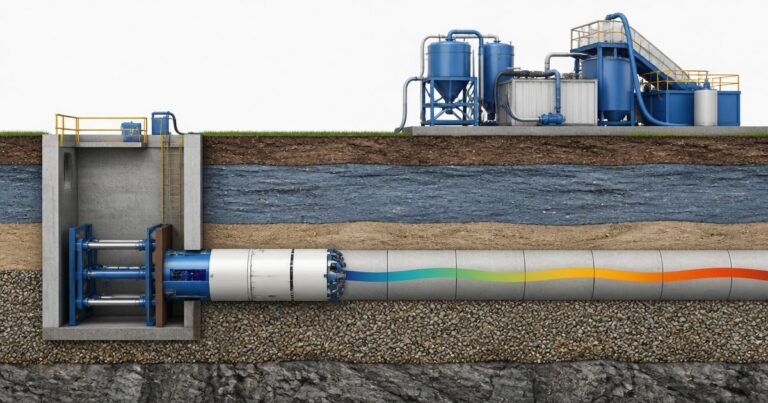
Short answer: planning-level microtunneling cost in typical municipal work commonly falls in the order of USD 150-500+ per linear foot at 2026 published rates, and the figure swings with diameter, depth, ground and drive length rather than with the machine alone.
Microtunneling cost is the installed cost of a remotely controlled pipe jacking drive with continuous face support, to ASCE 36-15. It moves as a band tied to diameter, depth and drive length, so the same pipe diameter can be priced several ways on two adjacent sites. This guide gives the published planning-level range first, then the line items inside a per-foot price and the ranked drivers.
What Is the Typical Microtunneling Cost per Linear Foot?
Published planning-level ranges put microtunneling in the order of USD 150-500+ per linear foot for typical municipal work. The published band spans a short shallow drive in stable clay and a deep, large-diameter drive under a live carriageway. Read the band as a screening number, and price the drive from a project-specific quotation.
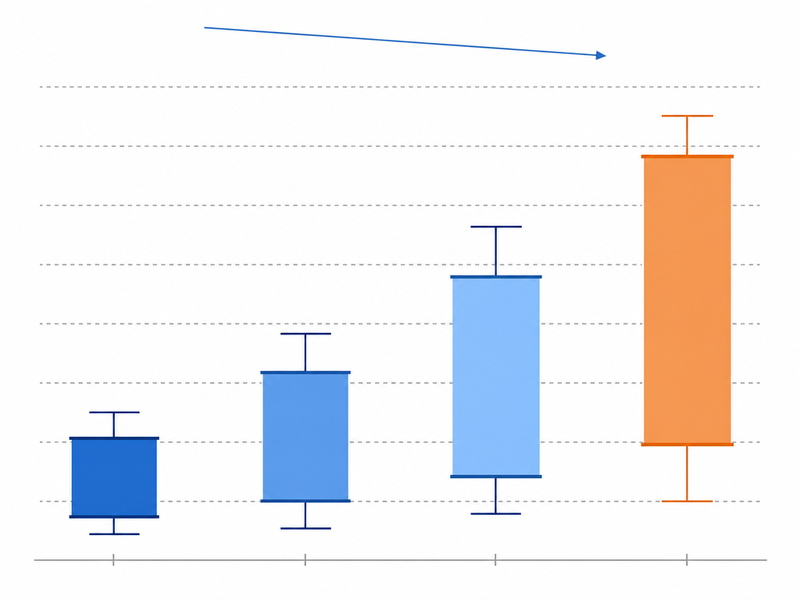
Read microtunneling cost as a band per drive: the unit price falls as drive length rises, because fixed costs spread over more linear feet. It rises with diameter and depth, because excavation volume, jacking force and shaft size grow together.
Every cost figure quoted on this page is a published planning-level reference point, not a quotation.
Indicative Per-Foot Ranges by Diameter and Drive Length
If you are budgeting a 900 mm drive, plan the 200-400+ band. The table shows how the planning-level cost per linear foot moves with diameter and drive length; all figures are indicative planning bands drawn from the published USD 150-500+ range, and the band widens with depth.
| Nominal bore | Typical single drive | Indicative band (USD per linear foot) |
|---|---|---|
| 300-600 mm (12-24 in.) | 100-300 m (330-980 ft) per drive | 150-300+ |
| 600-900 mm (24-36 in.) | about 160-200 m (525-660 ft) without intermediate jacking stations | 200-400+ |
| 900-1,500 mm (36-60 in.) | shorter than the small-bore band; heavier pipe and higher jacking force | 250-500+ |
| 1,500-3,000 mm (60-120 in.) | usually split into shorter drives with intermediate jacking stations | 350-500+ and above |
En résumé : read microtunneling cost as a range tied to diameter and drive length, never as a single headline rate.
What the Per-Foot Price Actually Includes
A per-foot price is a rate applied to a set of line items, and two bids can look identical per foot while covering different scopes.
In planning terms, the microtunneling cost items normally inside a per-foot rate are the machine and its support equipment, the shafts and thrust wall, the jacking system, the slurry separation plant, the product pipe, spoil haul-off, surface reinstatement, monitoring, and insurance and bonds.
Where bidders differ most often:
- Whether shafts are inside the rate or priced per shaft.
- Whether separation plant set-up is included or carried separately.
- Whether spoil disposal is a fixed rate or passed through.
- Whether monitoring and reinstatement are in scope.
Mobilization and demobilization, plant set-up and utility relocations are commonly listed separately, and they are the cost drivers that explain why two per-foot rates that look close can price out very differently once the whole bid is totalled.
| Line item | Published indicative figure |
|---|---|
| Matériau | about $250 per linear foot |
| Labour and equipment | about $330 per linear foot |
| Production, established soft-ground drives | about 30-50 linear feet per day |
| Site move-on, bores under 24 in. | about $135,000 |
| Site move-on, 24-48 in. bores | about $220,000 |
The Main Cost Drivers Behind a Microtunneling Bid
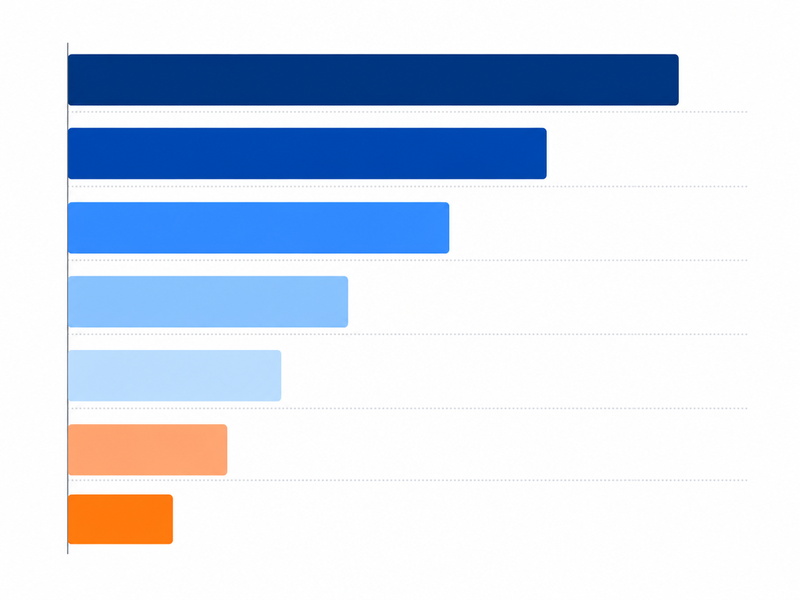
The drivers below rank in a consistent order across public projects.
| Rang | Driver | Primary effect on the price |
|---|---|---|
| 1 | Diamètre | Excavation volume, pipe class and jacking force rise together |
| 2 | Depth and shaft count | Deep shafts and extra shafts add excavation support and groundwater control |
| 3 | Ground conditions | Face support, dewatering and cutter wear set the daily effort |
| 4 | Drive length | Long drives dilute fixed cost but add jacking and lubrication demands |
| 5 | Site conditions | Access, traffic management and utility conflicts add scope |
| 6 | Regional market | Labour rates, disposal fees and bidder competition shift the number |
| 7 | Spoil and slurry disposal | Disposal route and volume determine a recurring item |
Diameter ranks first among the drivers because it changes almost everything downstream. Depth and shaft count rank second, because shaft construction is where depth converts directly into money, and it is the item most often under-scoped at planning stage.
A microtunneling contractor prices these drivers together: mobilization and demobilization, plant capacity and crew size sit behind several of the rows, so a change in diameter quietly changes the site plant as well.
En résumé : rank the drivers before pricing the drive, because the first two rows usually account for most of the spread between two bids on the same alignment.
Shaft Construction: The Line Item Owners Underestimate
Which line item do owners most often underestimate? Shaft construction, because its cost is driven by depth, ground and groundwater rather than by pipe size. A deep shaft in running ground with a high water table can cost more than the drive it serves.
A launch shaft must carry the thrust wall and the jacking frame; a reception shaft may be simpler, but it still needs a stable base and groundwater control. In serviced corridors the shaft footprint also sets the traffic management and utility diversion bill, which is where microtunneling cost can climb without the drive changing at all.
En résumé : on short drives, the shafts can outweigh the drive itself, which is why a per-foot rate alone misleads.
How Ground Conditions Change the Price
Why do ground conditions matter to the price? They change the cost of the method rather than the method. Running sand and water-bearing ground need continuous face support, dewatering and heavier slurry handling. Rock needs a different cutterhead, slower penetration and more frequent cutter changes.
Obstructions up to roughly 30 percent of the face can be handled by a cutterhead designed for them, but anything beyond that risks stoppage, intervention and delay. Mixed face, where rock and soil meet in one face, is the least favourable case for cutterhead design.
Depth also feeds the method choice. Industry planning guidance places the crossover at roughly 20 ft (6 m) or more in urban, utility-dense corridors, where the cost of digging the surface can exceed the cost of the drive.
Mobilization, Slurry Plant and Site Setup
Mobilization and demobilization is a fixed block of cost that lands whether the drive is 80 ft or 800 ft. It covers moving the machine, the jacking frame, the separation plant and the crew to site, then removing them again.
Agency cost criteria have allowed roughly $135,000 to move bores under 24 in. on and off site, and roughly $220,000 for 24-48 in. bores. Both mobilization figures scale with machine class, transport distance and site access.
A microtunneling contractor also carries the slurry separation plant, water supply, power, spoil storage and site access. Where the site is tight, plant and spoil handling can cap daily production as much as the machine does.
Why Regional and Seasonal Price Spreads Are So Wide
The same drive can price very differently in two regions. Local labour rates, machine availability, disposal fees and the number of bidders all move the number, often by more than the technical scope does. Read any microtunneling cost range against a specific market and a specific date.
Seasonality matters too: winter working, permit windows and the local construction calendar restrict site access, and restricted access raises cost even when the ground and the design are unchanged.
Regional labour and disposal are the most volatile cost drivers, and where a microtunneling contractor must travel a long distance, mobilization and demobilization rise far enough to exceed any saving on the drive rate.
Five Ways to Keep Microtunneling Cost Under Control
Most of the controllable cost is fixed at design stage rather than at bid stage. These five moves act on what an owner can still influence, whether you let one drive, run a rolling programme, or price one as a bidder.
- Investigate the ground properly. A geotechnical basis that matches the drive removes the largest contingency from every later estimate.
- Size the shafts to the drive. Right-sized launch and reception shafts remove the most under-scoped item in the budget.
- Keep drives long enough to amortise fixed cost. Fewer, longer drives dilute the site plant, at the price of higher jacking demand.
- Bundle adjacent drives. Sharing one plant and one move-on across several drives often costs less than repeated short runs.
- Price the unknowns separately. Ask the microtunneling contractor to list obstruction handling, cutter changes and disposal as their own items.
In our drives, the strongest predictor of a late cost increase has been an under-scoped shaft, with face difficulty second. That is why we push the shaft strategy to the front of the planning conversation.
Need a defensible cost band for your drive? Send your alignment, geotechnical data and shaft locations for a free method and budget review from JSW engineers.
Building a Planning-Level Budget
A defensible planning budget has four parts: a base rate applied to drive length, shaft construction priced per shaft, mobilization and site setup as a fixed block, and a contingency.
If you need a budget you can defend, build it in four steps. Apply the cost per linear foot to the drive, add the shafts from their own take-off, add the fixed site block, then add contingency in proportion to how much of the ground and alignment is known.
Our estimating team treats the fixed site block as a separate line rather than an allowance per foot, because on short drives that single decision changes the answer more than the drive rate does. The variables are treated one at a time in the factors that drive cost and schedule, and the per-shift side of the same estimate is covered in microtunneling productivity and advance rates.
Size contingency from the ground information: a resolved alignment narrows the band, and an open one keeps it wide.
En résumé : a budget built from shafts, the fixed site block and a sized contingency holds up better than one built from a single per-foot rate.
Questions fréquemment posées
What is a realistic cost per linear foot for a municipal drive?
Published planning-level ranges put municipal microtunneling in the order of USD 150-500+ per linear foot. The lower end applies to short, shallow drives in stable ground at moderate diameter; the upper end applies to deep, large-diameter drives in difficult ground. Only a project-specific quotation is a price.
Why does the price rise faster than the diameter increases?
Because excavation volume, pipe class, jacking force and slurry handling all grow with diameter at the same time. A larger bore needs a larger machine, heavier pipe joints and more separation capacity, so the unit rate climbs rather than staying in proportion.
How much of a bid sits in the shafts?
On short drives the shafts can outweigh the drive itself. A launch shaft carries the thrust wall and jacking frame, and both shafts carry excavation support, groundwater control and surface reinstatement. Depth, ground and water table move shaft cost more than pipe diameter does.
Does a longer drive lower the price per foot?
Usually yes, up to a point. Fixed costs such as the site move-on, machine set-up and shaft works are spread over more linear feet, so the unit rate falls. Beyond the practical drive length for the machine class, intermediate jacking stations and lubrication add cost back.
What does mobilization and demobilization usually cover?
Moving the machine, jacking frame, separation plant and crew to and from the site, together with plant set-up, water and power connection, spoil storage and access. Agency cost criteria have allowed roughly $135,000 for bores under 24 in. and roughly $220,000 for 24-48 in. bores.
How accurate is a planning-level estimate?
A planning-level figure is a screening band, not a forecast. Its accuracy depends on how much of the ground, alignment and shaft strategy is known. Where the geotechnical basis is thin or the shaft strategy is open, the honest response is to widen the range rather than to quote a single number.
How to Get a Real Per-Foot Price
What does a real per-foot price need? Five inputs: the geotechnical investigation, the utility locates, the crossing length and depth, the pipe material and diameter, and the design tolerance.
Ask for the price split by drive, by shaft and by the fixed site block, and ask the microtunneling contractor to name the assumption that would change the answer most.
JSW engineers work from the geotechnical report and the shaft strategy first, then price the drive the ground will actually allow, so a planning-level microtunneling cost band becomes a budget the owner can defend. Where the drive moves into construction, the delivery side is covered in microtunneling construction services, and the wider method picture is in what are trenchless technologies. Where the question is accuracy or surface disruption, microtunneling vs jack and bore sets the trade-off against a simpler method and trenchless technology vs open-cut excavation covers the economic comparison.
If the design is not yet fixed, start with what microtunneling is and how far it reaches; if the specification is being written, the requirements are in writing a microtunneling specification (Section 02441).
Get a cost band you can defend. Share your alignment data, ground information and shaft locations, and JSW will return a planning-level cost range with the assumptions behind it stated plainly.
Sources
The per-foot, production and mobilization figures in this guide follow these published industry standards and guidance documents:
- ASCE 36-15, Standard Design and Construction Guidelines for Microtunneling.
- ASTM F1962, Standard Guide for Use of Maxi-Horizontal Directional Drilling for Placement of Polyethylene Pipe or Conduit Under Obstacles, Including River Crossings.
- NASTT, Good Practices Guidelines for Microtunneling and Pipe Jacking.
- FIDIC, Conditions of Contract for Underground Works (Emerald Book).





































 English
  Arabic
  Russian
  Spanish
  French
  Vietnamese
  Polish
  Thai
Thai  Indonesian
  Turkish
  Portuguese