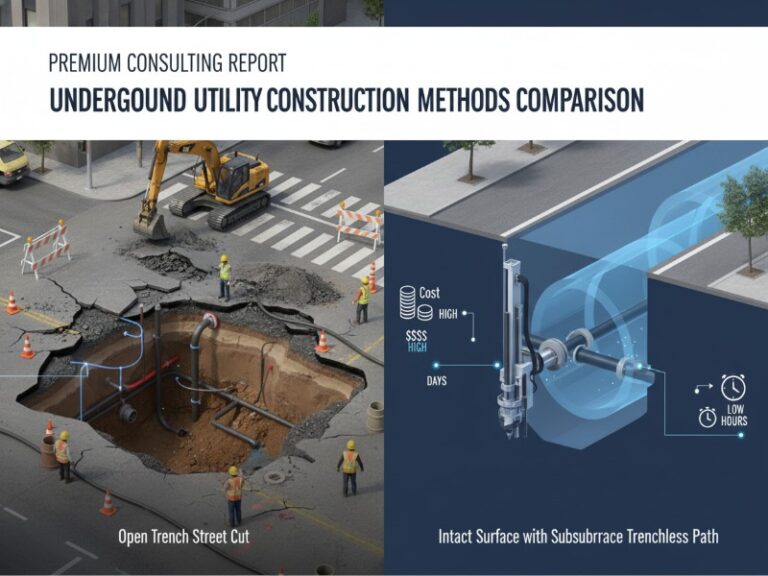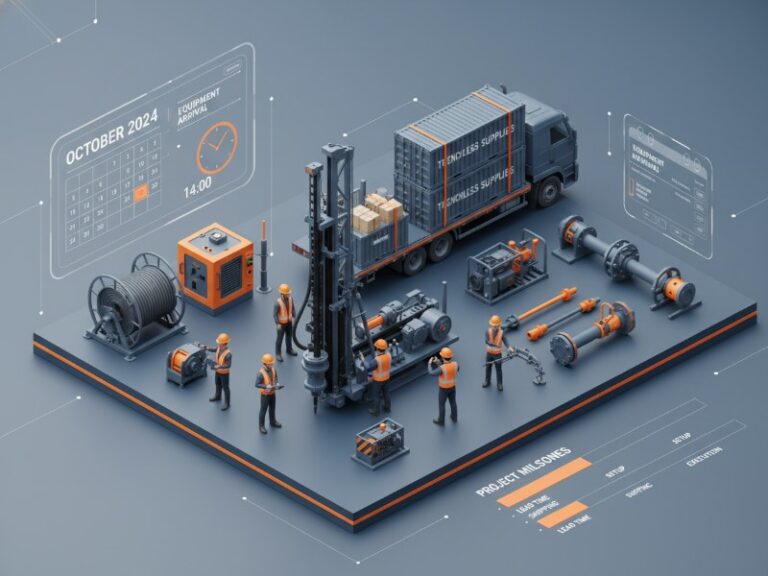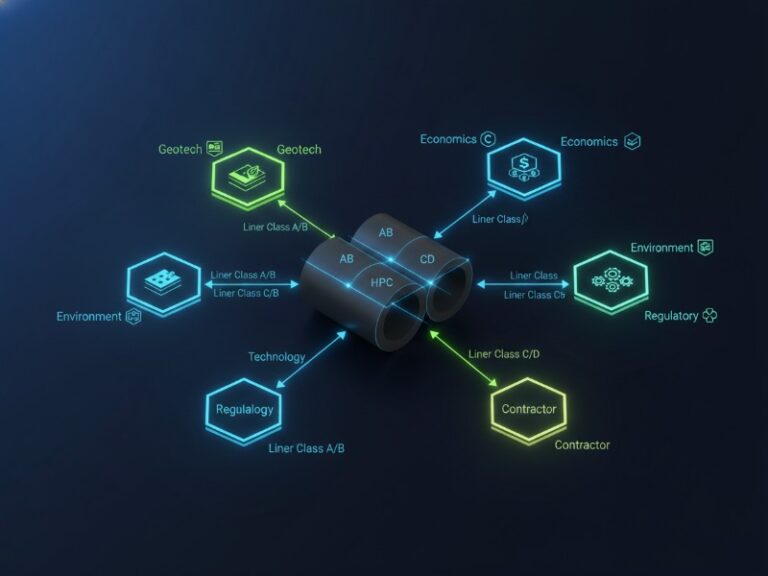
A technical infographic illustrating the relationships between industrial liner classes and key project factors such as Geotech, Economics, Environment, Regulatory compliance, and Contractor requirements.

What factors affect trenchless project selection?

Trenchless project selection depends on six critical factors: subsurface geotechnical conditions (soil stability and groundwater control), economic feasibility with life cycle savings of 30-50%, technology fit including ISO 11295 liner classes, regulatory requirements, quantified environmental and social costs, and demonstrated contractor capability with pipe stress analysis expertise. This guide provides selection
Lire plus »
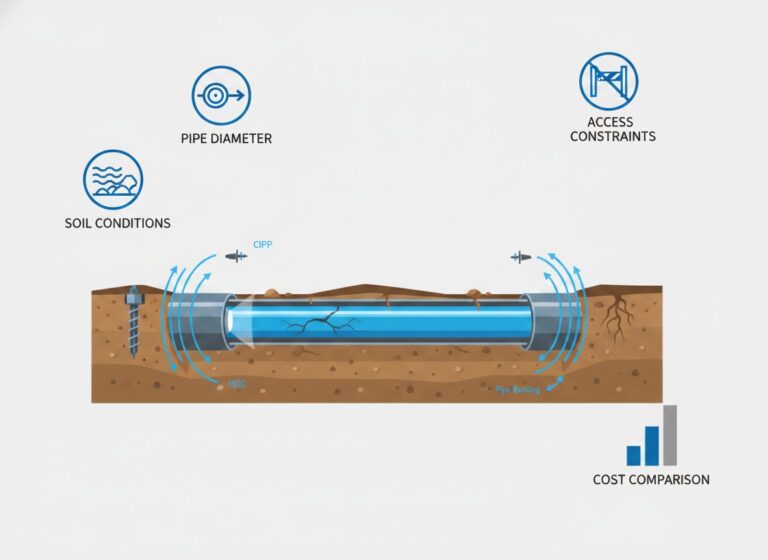
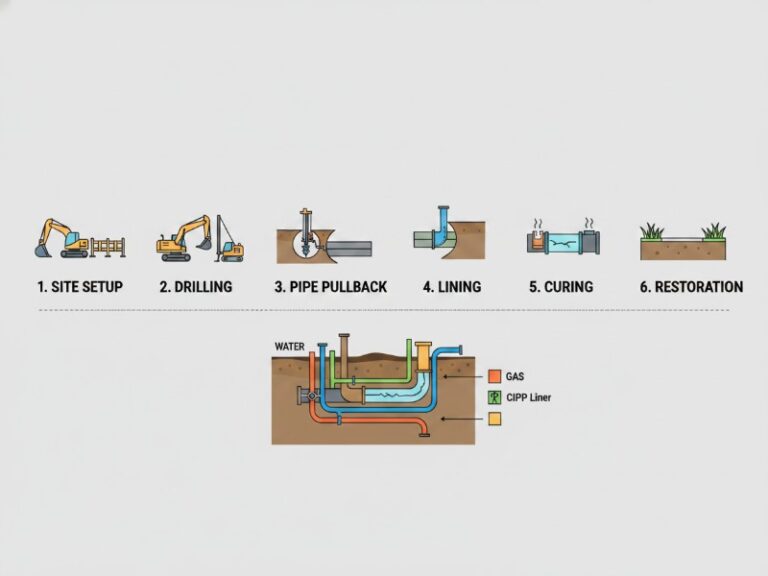
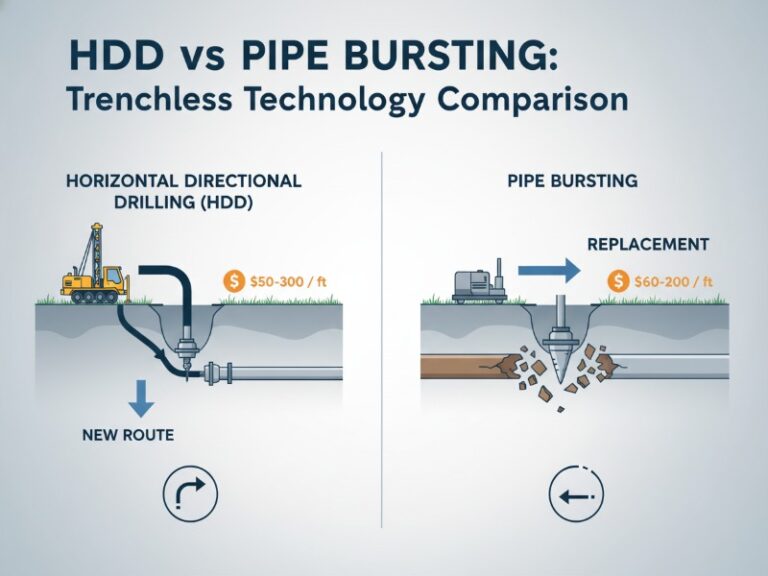
A detailed infographic diagram illustrating various trenchless pipe repair technologies including CIPP, HDD, and pipe bursting, with considerations for soil conditions, pipe diameter, and cost comparisons.

What are the costs of trenchless repair for gas pipelines?

Trenchless gas pipeline repair costs typically range from $80 to $350 per linear foot, depending on the method chosen. For most residential and light commercial projects, total job costs commonly fall between $3,000 and $15,000, while large-diameter municipal main repairs can reach $40,000 or more per project. Cured-in-place pipe lining, the

Lire plus »
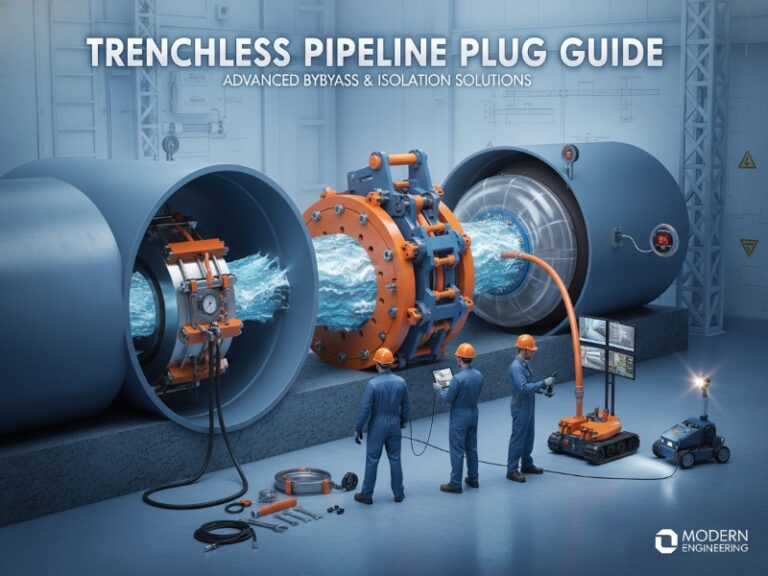
An illustrative guide to trenchless pipeline plugs showing advanced bypass and isolation solutions with engineers operating robotic equipment and monitoring water flow inside large industrial pipes.

Où puis-je acheter des bouchons de canalisation pour les travaux sans tranchée ?

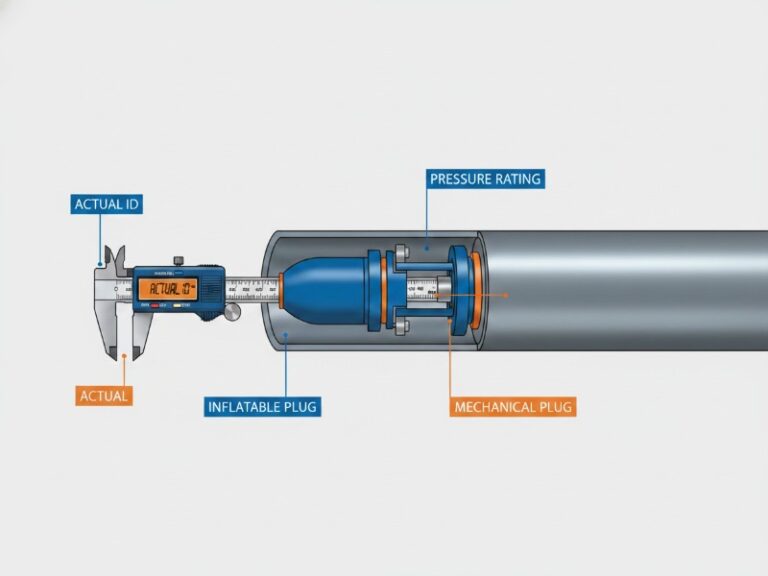
For CIPP project managers, pipe bursting field technicians, bypass pumping procurement leads, and municipal/industrial pipeline contractors. This guide answers: Where can I buy pipeline plugs for trenchless work? – but more importantly, which plug works for your specific trenchless method, pipe condition, and pressure demand. We compare suppliers by use case, provide sizing steps with real-job

Lire plus »
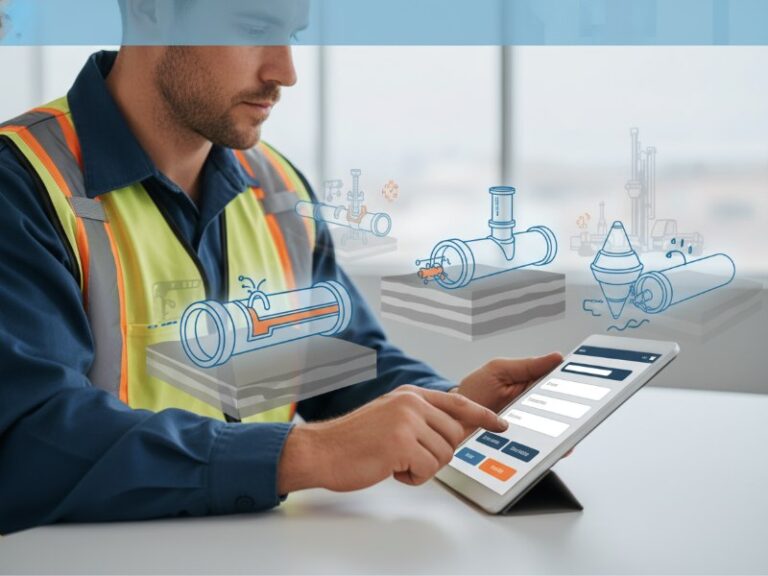
An industrial worker in a high-visibility safety vest uses a tablet with augmented reality overlays depicting underground piping systems for maintenance and inspection.

Puis-je obtenir un devis en ligne pour des travaux sans tranchée ?

Yes, you can get a trenchless construction quote online for most residential and many commercial projects. However, accurate estimates require specific information including pipe material, damage length, photos, and often a camera inspection. This article explains the online quoting process, required information, cost ranges, accuracy limits, and how to compare bids.

Lire plus »
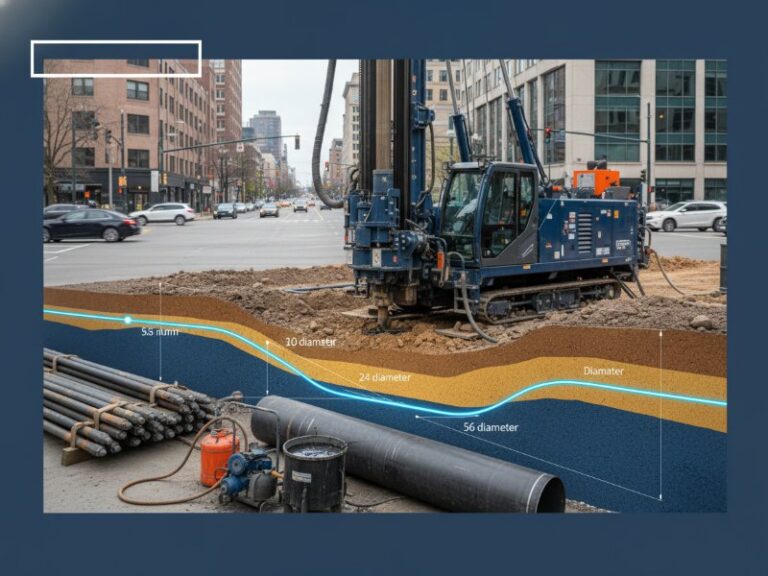
Une foreuse industrielle bleue pour forage directionnel horizontal installée dans une rue de la ville, accompagnée d'un schéma en coupe transversale illustrant le tracé souterrain du forage à travers différentes couches de sol, ainsi que des indicateurs de mesure.

Coût du forage HDD pour les projets de pipelines : ventilation des coûts en 2026 par type de sol, diamètre et longueur

HDD drilling cost for pipeline projects typically ranges from $10 to $30 per linear foot for base drilling, while total installed cost often lands between $20 and $75 per linear foot depending on soil, pipe diameter, bore length, and site conditions. Urban crossings, rock formations, and deep bores can push costs higher, especially when restoration, permitting,

Lire plus »
Engineering infographic comparing pulling-distance concepts for HDD, pipe bursting, E-Power Pipe, and pull-in-place lining in underground pipelines

Maximum Distance a Pipe Can Be Pulled Using Trenchless Methods: HDD Pull Length, Pipe Bursting & Lining Limits

The maximum distance a pipe can be pulled using trenchless methods ranges from approximately 50 meters to more than 3,000 meters, depending on the installation technology, pipe characteristics, ground conditions, and equipment limitations. For new pipeline construction, Horizontal Directional Drilling (HDD) typically achieves 200–800 meters per pull. For pipeline rehabilitation, specialized

Lire plus »
Engineering cutaway illustration comparing CIPP resin liners, spray-applied polyurea, HDPE sliplining, and UHPC structural lining segments in underground sewer pipes.

Best Trenchless Pipe Rehabilitation Materials: CIPP, Polyurea, HDPE Comparison

Best Materials for Trenchless Pipe Rehabilitation The most widely used and effective materials for trenchless pipe rehabilitation are thermosetting resin systems—specifically epoxy, polyester, and vinyl ester—combined with reinforcement fabrics such as fiberglass or polyester felt. For most municipal sewer rehabilitation projects, polyester CIPP offers the best cost-to-performance balance, while epoxy CIPP is preferred for pipes

Lire plus »