
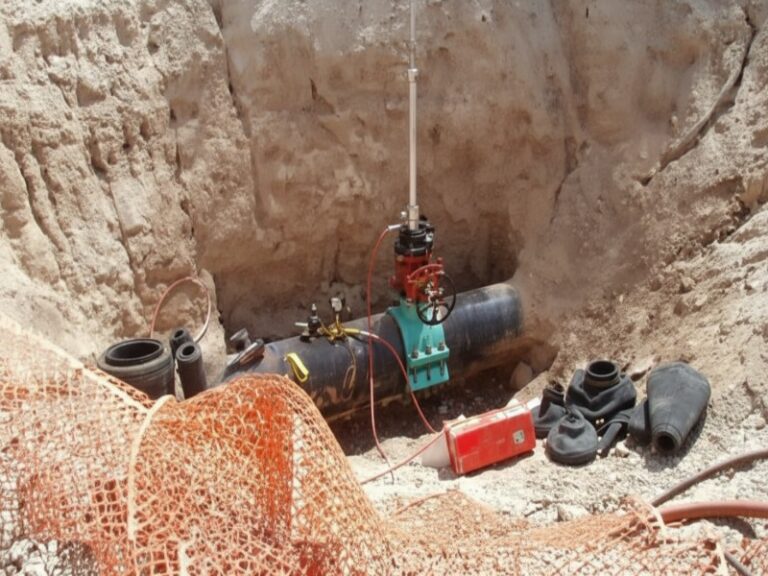
Inflatable plugs are inserted through a hot tap valve to create a temporary, leak-tight seal inside a live natural gas transmission pipeline, allowing for safe maintenance, pipeline modification, or Restoration without interrupting service to customers. This method combines the precision of pipeline tapping with the adaptability of inflatable elastomeric seals to isolate specific sections of pipe carrying high-pressure oil, air, water, or natural gas, ensuring continuous flow through a temporary bypass if required.
1. What Is the Role of a Hot Tap in Using Inflatable Plugs?
A hot tap is the critical preparatory procedure that provides safe and controlled access to a pressurized pipeline, enabling the insertion of an inflatable pipeline plug or pipeline stopper. Without a hot tap, entering a live line to perform a line stop would be impossible.
The Hot Tapping Mechanism
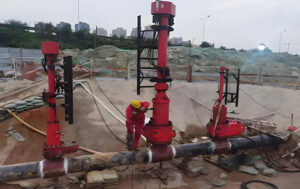
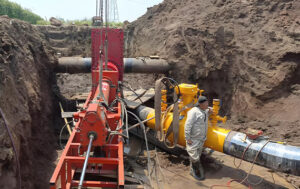
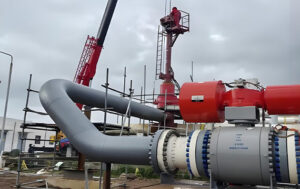
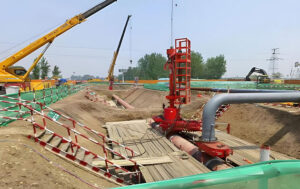
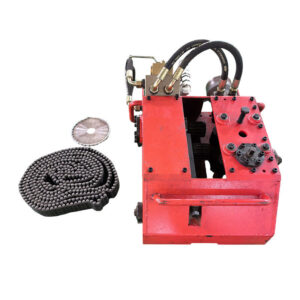
The hot tapping process establishes a new connection point on an active pipeline. A full-encirclement split-tee or welded fitting is attached to the exterior of the pipe. A valve is mounted onto this fitting, and a specialized drilling machine is attached to the valve. The machine drills through the pipe wall, and the cut-out section (the “coupon”) is retracted through the open valve. Once the coupon is removed, the valve is closed, creating a secure, permanent access point with zero loss of product. This fitting and valve assembly become the launch point for the inflatable plug.
2. How Is an Inflatable Plug Inserted and Set to Stop Flow?
Once the hot tap valve is in place, the line stopping procedure begins. This involves inserting the deflated plug through the valve and into the gas stream, then inflating it to block the pipe.
Step-by-Step Insertion and Setting Process
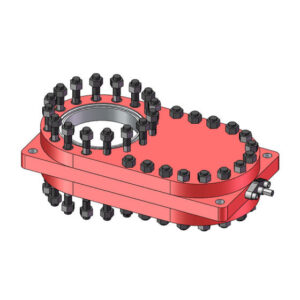
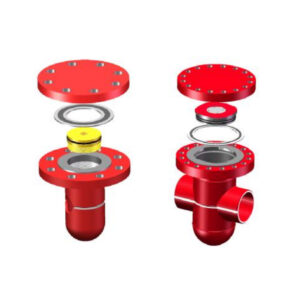
- Equipment Attachment: A line stop fitting or housing, containing the inflatable plug in its deflated state, is attached to the hot tap valve.
- Deployment: The valve is opened, and the plug is mechanically pushed or inserted through the opening and into the bore of the pipeline.
- Inflation: The plug is inflated with a medium (such as nitrogen, water, or glycol) to a specific pressure. The elastomeric element expands to conform to the inner wall of the pipe, creating a positive seal against the flowing gas.
- Pressure Verification: Technicians monitor the plug’s pressure and the downstream line pressure to confirm a complete shutdown of flow. For long-term jobs, the inflation medium can be switched to a static liquid to maintain seal without continuous pumping.
3. What Is the Purpose of a Bypass During Line Stopping?
When maintenance requires a complete shutdown of the isolated section, but gas delivery cannot be interrupted, a temporary bypass line is installed to maintain services.
Maintaining Flow with a Bypass
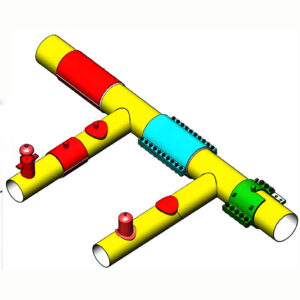
Before setting the main line stoppers, a separate hot tap is made to connect a temporary pipeline that diverts the gas flow around the work area. Typically, two line stoppers are set—one upstream and one downstream of the section to be repaired. The upstream plug diverts flow into the bypass line, while the downstream plug prevents any backflow. This allows the isolated section to be depressurized, purged, and worked on while customers remain supplied.
4. Double Block and Bleed: How Do Inflatable Plugs Ensure Absolute Safety?
For work on high-pressure natural gas transmission lines, safety is paramount. The Double Block and Bleed (DBB) configuration is the industry gold standard for creating a “zero-energy” zone.
The Mechanics of DBB
This method uses two inflatable plugging elements (or one specialized tool with dual seals) set a short distance apart within the pipe.
- The Two Blocks: The primary and secondary seals create two independent barriers against the pipeline pressure.
- The Bleed: The cavity between these two seals (the annulus) is vented to the atmosphere through a small port. If the primary seal leaks, gas will collect in the vented cavity and dissipate harmlessly, rather than pressurizing the space between the plugs.
- Verification: Pressure in the vented cavity is monitored. Zero pressure confirms that both seals are holding perfectly, providing a proven and verifiable isolation before any construction or cutting begins.
5. Key Equipment: What Materials Make These Plugs Effective?
The inflatable plugs used in natural gas applications are highly engineered devices, not simple balloons. Their construction is critical for withstanding harsh hydrocarbons and high pressures.
Material Specifications and Design
A typical high-pressure pipeline stopple consists of multiple layers:
- Inner Bladder: A resilient, fluid-impermeable layer made from materials like Nitrile rubber (NBR), which is resistant to hydrocarbons and certain chemicals.
- Reinforcement Layer: One or more layers of high-strength woven fabric, such as Kevlar or ballistic nylon, surround the bladder. This provides structural integrity and allows the plug to withstand high inflation pressures, often up to 100 psi or more.
- Outer Layer/Protective Cover: An abrasion-resistant outer coating protects the plug during insertion and while set against the pipe wall, which may have scale or rust -9. The plug must be flexible enough to navigate bends and deformations in the pipe.
| Feature | Specification/Description | Benefit for Natural Gas |
|---|---|---|
| Elastomer Material | Nitrile (NBR) or similar hydrocarbon-resistant rubber | Resists swelling and degradation from natural gas |
| Reinforcement | Kevlar or high-tenacity nylon plies | Withstands high differential pressures (e.g., >100 psi) |
| Inflation Medium | Nitrogen, glycol, or water | Non-flammable, inert mediums ensure safety in gas lines |
| Temperature Range | Engineered for ambient to moderate (e.g., up to 230°F) | Suitable for transmission line conditions |
6. What Are the Main Applications for This Technique?
Pipeline operators and specialized contractor teams use hot tap and inflatable line stop solutions across a variety of scenarios to avoid costly and dangerous system blowdowns.
Common Use Cases
- Valve Replacement: Isolating a section to remove a faulty valve and install a new one.
- Pipeline Tie-Ins: Connecting a new pipeline or lateral to an existing live main.
- Repair of Damaged Sections: Isolating an area with a leak or corrosion for cutting and replacing the pipe.
- Pipeline Diversion: Rerouting a pipeline, for example, to move it away from private land or a construction project.
7. What Are the Critical Safety and Regulatory Standards?
Performing a hot tap and line stop requires strict adherence to published standards to ensure the integrity of the pipeline and the safety of the crew. This is not a procedure to be undertaken lightly; it requires a detailed, written plan.
Governing Codes and Recommended Practices
In North America, operations on natural gas pipelines must comply with 49 CFR Part 192. Key industry standards include:
- API 1104: Covers welding of pipelines and related facilities, including the welding of hot tap fittings.
- API RP 2201: Provides recommended practices for safe hot tapping procedures in petroleum and petrochemical industries.
- ASME B31.8: The code for gas transmission and distribution piping systems, which outlines design and operational requirements.
Updated: October 26, 2024
About JSW: Your Partner in Advanced Pipeline Solutions
For over two decades, JSW has been a leading Material Supplier and equipment manufacturer dedicated to the integrity of energy infrastructure worldwide. As a specialized factory with deep expertise in elastomers and composite materials, our inflatable pipeline stopper and isolation solutions are engineered for the most demanding environments. We combine rigorous in-house testing with a commitment to zero-emission operations, ensuring that our products not only meet but exceed the stringent safety requirements of ASME and API standards. When you choose JSW, you are choosing a partner committed to trenchless pipe rehabilitation, safe pipeline modification, and the long-term Restoration of your assets. Our technical team works closely with you to design custom solutions that minimize downtime and maximize safety.
Ready to plan your next pipeline intervention?
Contact our engineering team today for a consultation or to request a project-specific quote. We are here to support your construction and maintenance goals with precision and reliability.







 English
  Arabic
  Russian
  Spanish
  French