
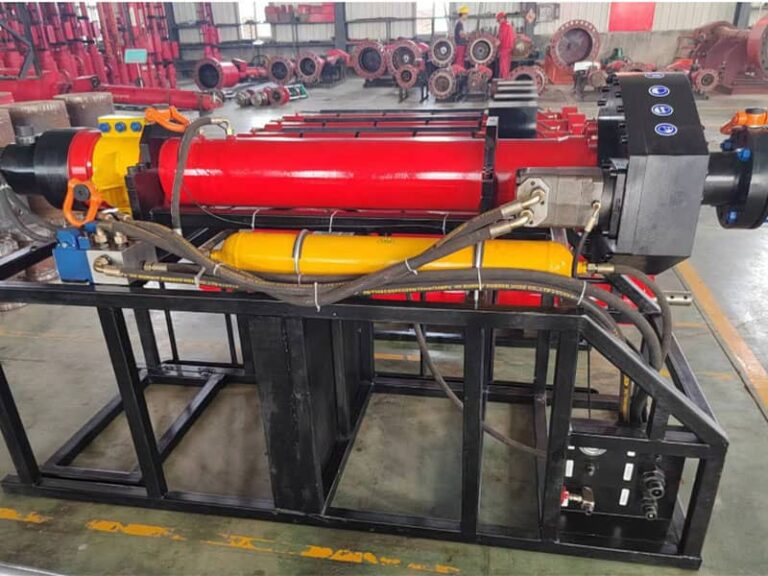
Choosing between a hydraulic and a pneumatic hot tapping machine for a specific job hinges on a systematic evaluation of technical requirements, environmental constraints, safety protocols, and total lifecycle cost. The decision to select a hydraulic hot tapping machine is driven by applications requiring extreme torque, operation on high-pressure/large-diameter lines, or precise feed control in heavy industrial settings. Conversely, a pneumatic hot tapping machine is the superior choice for operations where intrinsic explosion-proof safety is paramount, existing plant air is available, or equipment portability and speed are critical for standard mid-to-low pressure applications. This guide provides a comprehensive framework, including a five-step assessment method, industry-specific scenario matching, and a detailed cost-benefit analysis, empowering pipeline contractors, plant maintenance engineers, and project managers to make the most informed and economical decision for their pipeline modification, trenchless pipe rehabilitation, or maintenance project.
1. Understanding the Core Differences: Hydraulic vs. Pneumatic Principles
The fundamental operational difference between hydraulic and pneumatic systems dictates their performance characteristics. Both use fluid power, but the medium—oil versus air—creates distinct advantages and limitations.
1.1 Power Generation and Fluid Dynamics
Hydraulic systems use incompressible oil to transmit power. This results in high power density and precise, rigid motion control. The hydraulic fluid provides excellent lubrication, damping, and heat transfer within the system. A key advantage is the ability to maintain constant force or torque regardless of speed changes, which is crucial for consistently cutting through tough pipeline materials under full pressure. However, hydraulic systems are generally more complex, heavier, and require careful management to prevent leaks, fluid contamination, and temperature-related viscosity changes.
Pneumatic systems utilize compressed air, which is readily available, clean, and safe. The compressibility of air allows for very high-speed operation and inherent overload safety—the system will simply stall without damage if obstructed. This makes pneumatic machines lighter, simpler, and often faster to set up. Their primary drawback is a lack of precise speed and position control due to air’s compressibility, and they require a clean, dry, and adequately sized air supply to operate effectively. Output force is also lower for a given unit size compared to hydraulic systems.
Table 1: Core Performance Comparison: Hydraulic vs. Pneumatic Hot Tapping Machines
| Performance Metric | Hydraulic Hot Tapping Machine | Pneumatic Hot Tapping Machine |
|---|---|---|
| Power & Torque Output | Exceptionally High. Ideal for large diameters (>24″), high-pressure (100+ bar), and high-strength materials. | Moderate. Best suited for standard diameters (2″-12″) and moderate pressure lines. |
| Control & Precision | Excellent. Provides smooth, infinitely variable speed control and precise feed rates for clean cuts. | Basic. Speed can be less consistent; more suitable for standard applications where extreme precision is less critical. |
| Operational Speed | Fast, but system response is dictated by pump flow and valve dynamics. | Very Fast. Quick actuator response enables rapid cycling. |
| Environmental & Safety | Requires containment for potential oil leaks. Electrical components may need certification for hazardous areas. | Intrinsically Safe & Clean. No fire risk from sparks; exhaust air is non-polluting. Ideal for oil, chemical, and food/beverage plants. |
| System Complexity | Higher. Includes reservoir, pumps, valves, filters, and cooling systems. Requires more skilled maintenance. | Lower. Primarily requires a clean air supply with dryer/filter. Generally easier to maintain. |
| Portability & Setup | Power unit and machine are often separate. Requires transport of hydraulic fluid. | Typically more integrated and lightweight. Requires connection to a sufficient air supply. |
1.2 Industry Application Scenarios
This performance profile naturally leads to different industry preferences:
- Hydraulic Dominance: The oil & gas sector, especially for transmission pipelines and high-pressure process lines, relies almost exclusively on hydraulic power due to its immense force. Major equipment manufacturers like TDW and STATS Group design sophisticated hydraulic machines for critical pipeline stopple and hot tapping operations under extreme conditions. Large-diameter water and construction projects for main lines also favor hydraulic reliability.
- Pneumatic Prevalence: Chemical plants, pharmaceutical facilities, and food processing plants prioritize pneumatic machines for their explosion-proof safety and cleanliness. They are also common in plant maintenance for utility lines (air, water, low-pressure steam) and in construction for branch connections on smaller distribution networks where plant air is readily available.
2. The 5-Step Decision Framework for Your Specific Job
Follow this structured process to eliminate guesswork and select the optimal machine.
Step 1: Define the Job Specifications with Precision
Start by gathering all technical data:
- Pipeline & Media Details: Record the pipe material (carbon steel, stainless, HDPE), exact diameter and wall thickness, and operating pressure and temperature. The medium (oil, gas, water, chemical) influences material compatibility for seals and the cutter.
- Tapping Objective: Determine the branch size, the number of taps needed, and whether it is for a simple connection or a preparatory step for a pipeline plugging operation. Larger diameters exponentially increase required torque.
- Site Accessibility: Evaluate space constraints in the excavation or work area. Can a truck-mounted unit access the site? Is there room for a separate hydraulic power unit?
Step 2: Assess the Work Environment and Available Resources
The jobsite often dictates the feasible solution.
- Power Source Availability: Is there reliable 3-phase electricity for a hydraulic power pack? If not, is a diesel-driven hydraulic unit or a diesel air compressor a more practical option? Many pneumatic machines can run on portable compressors.
- Hazardous Area Classification: In Zone 1 or Zone 2 hazardous areas with flammable atmospheres, pneumatic machines are the default safe choice. Hydraulic machines can be used but require expensive intrinsically safe or purged electrical components on the power unit.
- Environmental Sensitivity: Working in confined spaces, over water, or in environmentally protected areas makes the leak potential of hydraulic oil a significant liability. A pneumatic system or a hydraulic system with eco-friendly fluid and superior leak prevention may be mandated.
Step 3: Evaluate Operational and Maintenance Factors
Consider the human element and long-term upkeep.
- Crew Expertise & Training: Hydraulic systems demand operators with a higher level of training for troubleshooting and maintenance. Pneumatic systems are generally simpler for crews to understand and repair.
- Speed of Operation vs. Precision Need: Is this a high-production job with many similar taps where speed is key (favoring pneumatic)? Or is it a single, critical tap on a high-value asset where cut quality and control are paramount (favoring hydraulic)?
- Long-term Maintenance & Support: Consider the company or contractor’s existing fleet and maintenance capabilities. Standardizing on one type can simplify spare parts inventory and technician training.
Step 4: Conduct a Total Cost of Ownership (TCO) Analysis
Look beyond the initial purchase or rental price.
- Initial Acquisition/Rental Cost: Pneumatic machines often have a lower upfront cost. However, the required air compressor (if not already available) must be included in the calculation.
- Operational Costs: Hydraulic systems incur costs for hydraulic oil, filters, and potential leak cleanup. Pneumatic systems primarily have the energy cost of compressing air, which can be inefficient, and require air treatment (dryers, filters).
- Productivity Costs: A slower but more precise hydraulic tap may be more economical for a one-off critical job if it prevents a costly failure. A faster pneumatic system may be cheaper for a high-volume contract.
Step 5: Validate Against Safety and Regulatory Standards
Safety is non-negotiable.
- Compliance with Standards: Ensure the chosen equipment and procedure comply with relevant standards (e.g., ASME B31.1/B31.3, API RP 2201, company-specific safety procedures).
- Manufacturer’s Recommendations: Adhere strictly to the equipment manufacturer’s rated specifications for pressure, temperature, and compatible materials. Never exceed these limits.
- Contingency Planning: The selected system should align with the planned emergency response. For instance, in a leak scenario, is hydraulic oil containment part of the plan?
3. Application-Specific Recommendations
Table 2: Machine Selection Guide by Common Application Scenario
| Application Scenario | Recommended Primary Choice | Key Rationale |
|---|---|---|
| High-Pressure Transmission Pipeline (>100 bar) | Hydraulic | Unmatched power and control for large-diameter, thick-walled pipe. |
| Plant Maintenance on Low-Pressure Utility Lines | Pneumatic | Leverages existing plant air; fast, safe, and clean for steam, air, or water lines. |
| Hazardous Area (Refinery, Chemical Plant) | Pneumatic | Intrinsic safety; no electrical or spark risks in flammable atmospheres. |
| Trenchless Pipe Rehabilitation (CIPP, Lining) | Pneumatic | Often sufficient for installing liner service connections; lighter and easier in confined launch pits. |
| Multiple, Repetitive Taps on a Distribution Network | Pneumatic | Speed and quick setup improve productivity for high-volume work. |
| Critical Tap for Future Pipeline Stopple Plugging | Hydraulic | Precision and power ensure a perfect, reliable cut for the critical sealing surface of the pipeline stopper. |
| Remote Location with No Grid Power | Context-Dependent | Diesel-powered hydraulic unit vs. diesel air compressor. Hydraulic often wins for power efficiency in remote high-power tasks. |
4. FAQs: Expert Answers to Common Dilemmas
Q: Can a pneumatic machine be used on a steel pipeline?
A: Absolutely. Pneumatic machines are perfectly capable of tapping into steel pipelines. The limitation is not the material per se, but the combination of material strength, wall thickness, and pipeline pressure. For standard schedule 40 or 80 carbon steel lines at moderate pressures, a pneumatic machine is often perfectly adequate.
Q: Is hydraulic always more expensive to operate than pneumatic?
A: Not necessarily. While hydraulic fluid and maintenance have a cost, pneumatic systems can be surprisingly expensive to operate due to the inherent inefficiency of compressing air. Up to 90% of the electrical energy input to a compressor is lost as heat. For continuous, heavy-duty operation, a well-maintained hydraulic system can be more energy-efficient. The analysis must be job-specific.
Q: Our project has both high-pressure and low-pressure taps. Should we standardize on one type?
A: For a contractor or a large plant, owning both types is ideal for flexibility and cost optimization. If standardization is necessary for logistics, a high-quality hydraulic machine with variable flow/pressure control can often be de-rated to perform smaller, less critical tasks effectively, whereas a pneumatic machine cannot be “up-rated” for a high-power application. Leasing a specialized machine for an unusual one-off job is also a prudent solution.
5. Conclusion and Final Recommendation
There is no universal “best” hot tapping machine—only the best machine for your specific job parameters. The choice between hydraulic and pneumatic power is a fundamental engineering and economic decision.
For most heavy-duty, high-pressure, and high-precision applications in sectors like oil & gas and large-scale water construction, the power, control, and reliability of a hydraulic hot tapping machine make it the indispensable choice. It is the workhorse for critical infrastructure work.
For the vast majority of plant maintenance, utility work, and operations in environmentally sensitive or hazardous areas, the safety, simplicity, and speed of a pneumatic hot tapping machine provide the optimal blend of performance, safety, and operational efficiency.
Always consult with a reputable equipment manufacturer or an experienced hot tapping services company during the planning stage. They can provide critical technical validation and may identify considerations specific to your application that this general guide cannot anticipate.
Author: David Chen, Senior Pipeline Engineer & Technical Director
Expertise: Over 15 years of experience in pipeline integrity, modification, and live intervention projects across the oil & gas and municipal water sectors.
Last Updated: October 2023
About JSW Pipeline Solutions
At JSW Pipeline Solutions, we understand that the right equipment is only one part of a successful pipeline modification or maintenance project. As a leading equipment manufacturer and service provider, we don’t just sell machines—we provide engineered solutions.
Our hydraulic hot tapping machines are engineered for unparalleled reliability in the most demanding conditions, featuring advanced control systems for precision and built-in safety redundancies. Our pneumatic systems are designed for robustness and ease of use, ensuring safety and efficiency in sensitive environments.
Beyond equipment, our value lies in our deep application expertise. Our team of engineers works directly with contractors and plant owners to assess project risks, develop safe work procedures, and ensure compliance. We offer comprehensive services, from equipment rental and sales to full turnkey hot tapping and pipeline plugging execution.
Why Choose JSW?
- Technical Authority: We help you select not just a machine, but the correct technical solution.
- Safety-First Design: Every piece of equipment is built to the highest industry standards.
- Total Project Support: From initial consultation to on-site technical assistance.
Ready to discuss your specific project requirements? Contact our engineering team today for a confidential consultation and let us help you build the optimal plan for your next pipeline intervention.






 English
  Arabic
  Russian
  Spanish
  French