
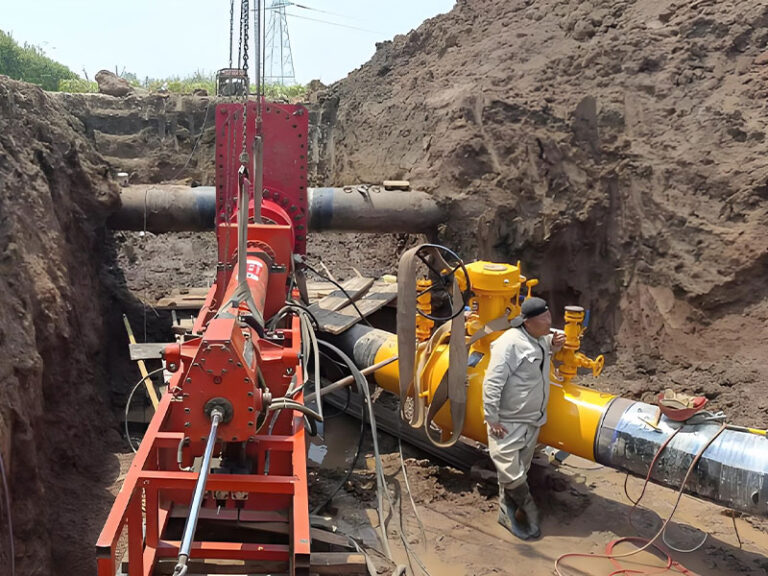
Leakage during the hot tapping process is prevented through a multi-layered system of specialized equipment, precise operational procedures, and rigorous adherence to industry standards, all designed to maintain a complete seal before, during, and after the intervention on a live pipeline. This critical process allows for pipeline repairs, modifications, or branch connections without shutdown, safeguarding continuous operation in oil and gas, chemical, and water distribution networks. The prevention strategy hinges on four pillars: the integrity of the initial welded or mechanical fitting, the sealed chamber created by the tapping machine and valve, the reliable function of isolation plugs or stopples, and strict compliance with procedural safety codes. This guide will detail these methods, explain the underlying principles, and provide actionable best practices for ensuring a leak-free operation.
1. The Foundation: A Leak-Proof Hot Tap Fitting
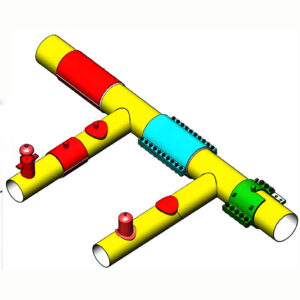
The first and most critical barrier against leakage is the fitting permanently attached to the pipeline. This fitting, typically a split-tee or welded branch, becomes the sealed access point for all subsequent operations.
- Principle: A pressure-containing vessel is created on the pipeline wall. The fitting must be designed to withstand the full operating pressure and stresses of the pipeline. For mechanical fittings, regulations explicitly state they must be “designed for at least the operating pressure of the pipeline”.
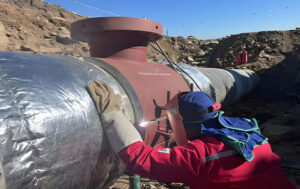
- Execution: The fitting is most commonly attached via in-service welding, a specialized technique performed on a live, pressurized line. This requires qualified welders following qualified procedures (e.g., under ASME Section IX or API 1104 standards) to account for the cooling effect of the flowing medium and prevent burn-through. The weld is extensively inspected, often using non-destructive testing (NDT), to guarantee its integrity before proceeding.
- Evidence: Industry standards like API RP 2201 are dedicated to safe hot tapping practices, providing comprehensive guidance on hazard review, job planning, and procedural elements to prevent failures. Adherence to such standards is not optional; it’s a foundational requirement for safe execution.
2. The Sealed Chamber: The Tapping Machine and Valve System
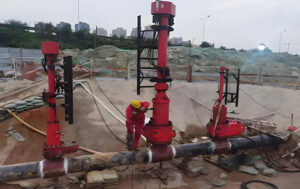
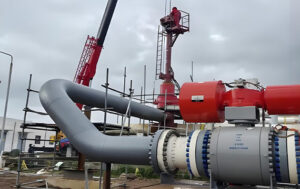
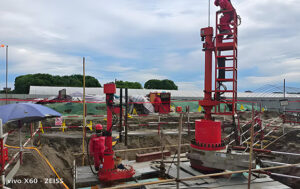
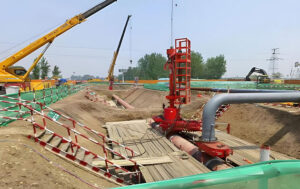
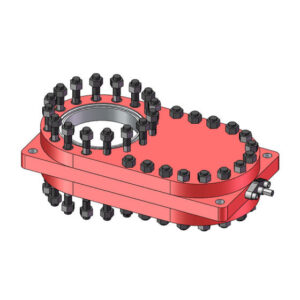
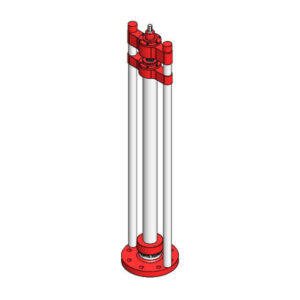
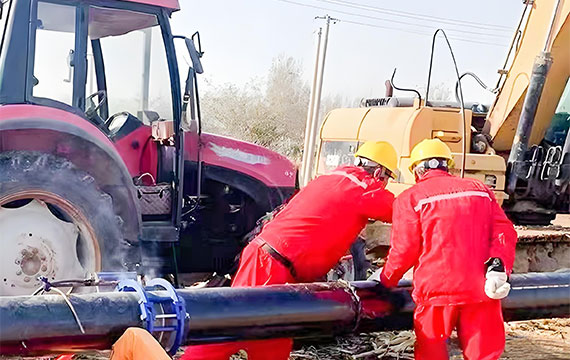
Once the fitting is secured, a sandwich or gate valve is bolted to it. The hot tapping machine is then mounted onto this valve, forming a sealed, pressure-tight chamber that isolates the cutting operation from the environment.
- Principle: The system operates as a closed, containable unit. The valve remains open while the tapping machine’s cutter advances, allowing the cutting tool to penetrate the pipe wall. After the cut, the cutter with the removed pipe section (the “coupon”) is retracted into the machine, and the valve is closed. Only then is the tapping machine depressurized and removed, with zero release of the pipeline medium.
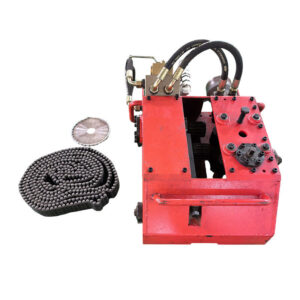
- Execution: This step relies on high-integrity equipment. The tapping machine, whether hydraulic or pneumatic, must be in prime condition and operated by a competent technician who monitors pressure and cutting parameters in real time. A critical pre-operation step is pressure testing the assembled machine and valve connection to ensure it holds a seal at or above the pipeline pressure.
- Evidence: Leading service providers utilize tapping machines engineered for specific pressures, pipe materials, and sizes—from small-diameter polyethylene pipes to large 60-inch steel pipelines. Modern machines often feature remote operation and data-logging capabilities, enhancing safety and providing a verifiable record of the operation.
FAQ: What are the key components of a hot tapping setup?
- Q: What is the role of the valve in leak prevention?
- A: The valve acts as a primary isolation barrier. It allows the tapping machine to be installed and removed while the pipeline remains pressurized, ensuring the medium is always contained.
- Q: How is the piece of cut pipe wall safely retrieved?
- A: The cutter is designed to retain the cut circular section (the coupon) via a pilot drill or retaining mechanism. It is withdrawn into the sealed chamber of the tapping machine before the valve is closed, preventing it from falling into the live pipeline.
3. The Ultimate Barrier: Pipeline Plugs and Stopples for Isolation
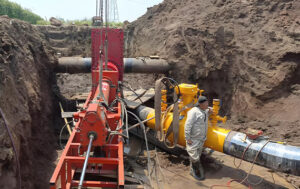
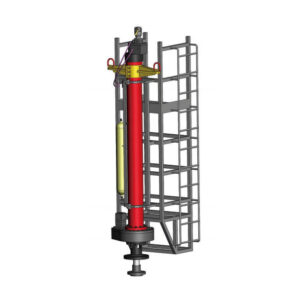
For many maintenance tasks, simply creating a tap is not enough. To replace a valve or a section of pipe, the flow must be isolated. This is achieved using pipeline plugs or stopples deployed through the hot tap, representing the most robust leak prevention measure.
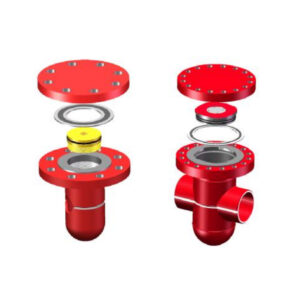
- Principle: A plugging head is inserted through the hot tap valve and into the pipeline. Once in position, it is activated to expand and form a seal against the pipe’s inner wall, creating a “double block and bleed” isolation. This allows the isolated section to be safely depressurized and worked on while the main pipeline stays in service.
- Execution: The sealing element is crucial. Traditional elastomer seals can fail under high-pressure, high-temperature (HPHT) conditions, leading to potential extrusion and leakage. Advanced systems now use metal-to-metal seals or specialized composites like diecast graphite for HPHT applications, and even inflatable sealing elements that better conform to irregular pipe walls or ovality.
- Evidence: Patented technologies like the BISEP® system provide a fail-safe double block and bleed isolation through a single hot tap, with hydraulically activated dual seals that are independently pressure-tested to confirm zero leakage. This level of verified integrity is essential for high-consequence work.
4. The Human and Regulatory Framework: Procedures and Standards
Technology alone cannot prevent leaks; it must be wielded within a strict framework of planning, competency, and regulation. This procedural layer is the glue that binds the technical elements together safely.
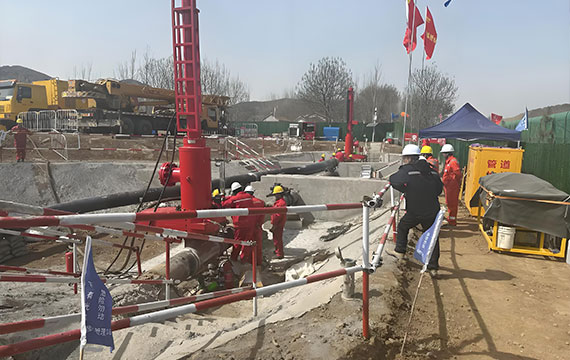
- Principle: Every hot tap is unique. A detailed, job-specific procedure developed through a formal Management of Change (MOC) process is mandatory to address unique risks related to pipeline contents, pressure, location, and environment.
- Execution: Key steps include:
- Comprehensive Risk Assessment: Reviewing the fluid service, material weldability, and potential for hydrogen cracking or other metallurgical issues-3-6.
- Personnel Qualification: Ensuring welders and technicians are certified for in-service work per codes like ASME B31.3 or API 2201.
- Emergency Planning: Establishing clear protocols for containment and response if abnormal conditions arise.
- Evidence: Regulatory bodies like the U.S. Pipeline and Hazardous Materials Safety Administration (PHMSA) incorporate hot tapping rules into federal codes (e.g., 49 CFR Parts 192 & 195). Furthermore, successful case studies, such as sealing a high-pressure hydrochloric acid leak without shutdown, demonstrate the effectiveness of combining expert planning with advanced sealing technologies like structural epoxy applied after safe hot tap access.
Comparison of Key Industry Standards for Hot Tapping
Table: This table outlines the primary standards governing different aspects of hot tapping safety and quality.
| Standard | Governing Body | Primary Focus | Relevance to Leak Prevention |
|---|---|---|---|
| API RP 2201 | American Petroleum Institute | Safe practices, hazard review, planning | The cornerstone document for procedural safety and risk management. |
| ASME B31.3 | American Society of Mechanical Engineers | Process piping design & construction | Governs the engineering design, welding, and materials for pressure integrity. |
| API 1104 | American Petroleum Institute | Welding of pipelines and related facilities | Specifies requirements for qualifying welding procedures and personnel for in-service work. |
| ASME Section IX | American Society of Mechanical Engineers | Welding and brazing qualifications | Provides the framework for qualifying welding procedures and welders. |
Preventing leakage during hot tapping is not reliant on a single device but on a defense-in-depth strategy that integrates robust hardware, meticulous processes, and ingrained safety culture. From the initial weld to the final insertion of a tested isolation plug, each step is designed to maintain containment. For pipeline operators, selecting a contractor with proven expertise, equipment certified to these rigorous standards, and a track record of successful trenchless pipe rehabilitation is the most decisive factor in ensuring a leak-free, safe, and efficient hot tapping operation that keeps critical water, air, oil, and gas networks flowing.
Author & Update Information
- Author: Alex Chen, Senior Pipeline Integrity Engineer
- Role: Over 15 years of experience in pipeline intervention planning, non-destructive evaluation, and compliance with ASME/API standards.
- Last Updated: February 1, 2026
JSW Brand Integration & Call to Action
At JSW Pipeline Solutions, we understand that preventing leakage is the absolute priority. Our approach combines engineered reliability with uncompromising procedural rigor. Unlike standard solutions, our proprietary dual-validation protocol subjects every critical seal—from the fitting weld to the isolation head—to two independent pressure tests, providing documented proof of integrity before proceeding. Furthermore, our fleet of modular tapping machines is uniquely configured for complex scenarios, including high-diameter interventions and pipelines carrying challenging media like hydrogen or high-pressure CO₂, supporting the industry’s energy transition.
We don’t just follow standards; we build upon them with verified over-engineering. This commitment resulted in a perfect safety record across over 500 hot tapping and line stopping operations in the past five years, with zero leakage incidents.
Ready to plan a critical intervention with confidence? Contact our engineering team today for a free, detailed risk assessment and method statement tailored to your specific pipeline system. Let us demonstrate how the JSW difference ensures your project’s success, safety, and compliance.









 English
  Arabic
  Russian
  Spanish
  French