
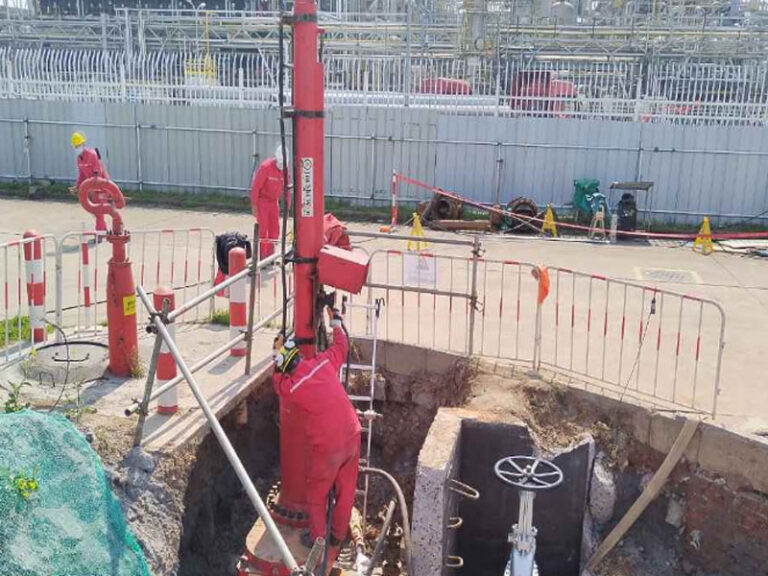
Hot tapping a pipeline is a precise engineering procedure that involves creating a connection to a live, pressurized pipe without interrupting its service. This complex task requires specialized equipment, strict adherence to safety protocols, and skilled execution to allow for modifications, repairs, or branch additions while the system remains operational. The following guide details the critical steps, essential equipment, and vital safety measures involved in a successful hot tap, providing a comprehensive overview for industry professionals.
1. What is Pipeline Hot Tapping? Understanding the Core Process
Pipeline hot tapping, also known as pressure tapping or under-pressure drilling, is the method of cutting an opening into an active pipeline without depressurizing it. This process is fundamental for maintenance, modification, and expansion of pipeline networks across industries like oil and gas, water, and chemical processing.
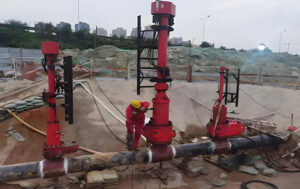
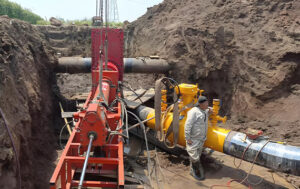
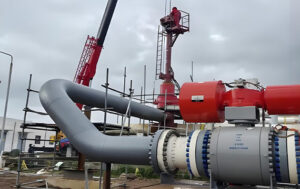
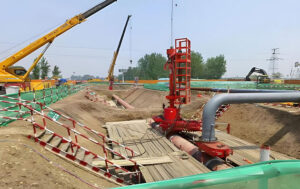
The core principle involves securely attaching a hot tap fitting (typically a split tee or welded branch) and a special hot tap valve to the live pipe. A certified hot tapping machine is then mounted to the valve. This machine houses a cutting tool (a cylindrical cutter or hole saw) inside a sealed chamber. Once the assembly is pressure-tested, the cutter is advanced through the valve and into the pipe wall to remove a “coupon” (a section of the pipe wall), creating a new opening. The cutter retracts with the coupon trapped inside, the valve is closed, and the machine is removed, leaving a sealed, pressurized branch connection. This entire operation allows a contractor to perform work with zero system downtime, avoiding the massive costs and logistical challenges of a full shutdown.
2. Essential Equipment and Materials for Hot Tapping
A successful hot tap relies on a suite of purpose-built equipment and rigorously qualified materials. Each component plays a critical role in maintaining system integrity and personnel safety during the operation.
The primary equipment package includes:
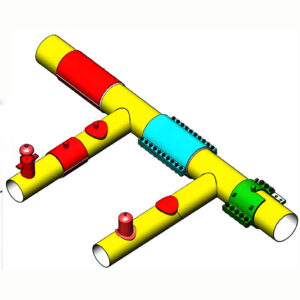
- Hot Tap Fitting: This forms the new branch connection. Common types include split tees (for lower pressure applications) and fully welded branch connections. The fitting must be rated for the pipeline’s operating pressure and temperature and be compatible with the pipe material.
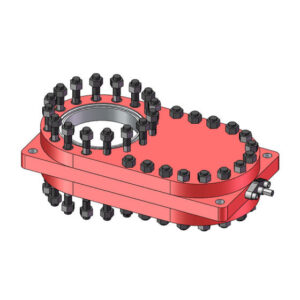
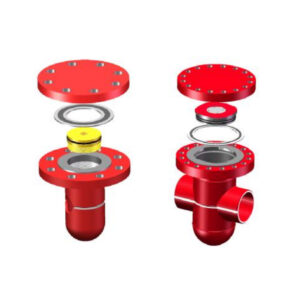
- Hot Tap Valve: Usually a full-bore gate or ball valve, this is mounted on the fitting. It provides a means to isolate the tapping machine from the pipeline after the cut is complete.
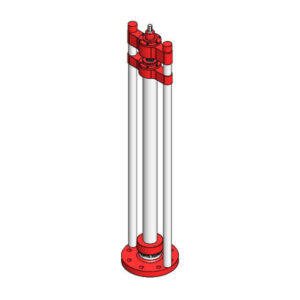
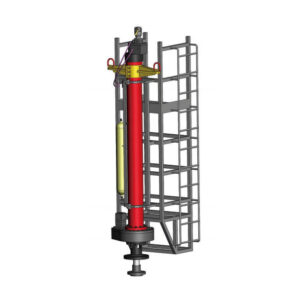
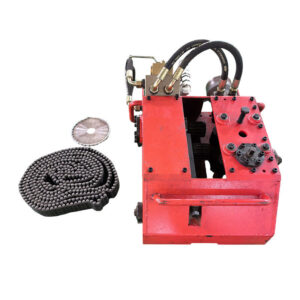
- Hot Tapping Machine: This is the hydraulic or pneumatic powered unit that performs the cut. Key components are the housing, the cutter, and the coupon retriever. The machine must be sized correctly for the pipe diameter and pressure class.
- Pilot Drill and Cutter: The cutter, often a hole saw with specialized teeth, is responsible for cutting through the pipe wall and retaining the coupon. Material selection (e.g., carbide-tipped) is based on the pipe grade.
Crucially, the selection of equipment and components must follow standards from authoritative bodies like the American Society of Mechanical Engineers (ASME), specifically ASME B31.4 for liquid pipelines and ASME B31.8 for gas pipelines. These codes govern design, pressure ratings, and material specifications. Furthermore, the equipment manufacturer or material supplier must provide documentation proving their products meet these standards. Using uncertified equipment introduces unacceptable risk.
3. Step-by-Step Procedure for a Safe Hot Tap Operation
The hot tapping procedure is a methodical sequence where each step verifies the safety of the next. Rushing or skipping steps is not an option. Our field engineers follow a strict protocol developed from decades of field experience.
Step 1: Comprehensive Planning and Assessment
Before any physical work begins, a detailed engineering review is mandatory. This includes:
- Pipeline Integrity Verification: Confirming the pipe wall thickness and condition using non-destructive testing (NDT) like ultrasonic testing. Tapping into corroded or thin pipe is hazardous.
- Procedure Development: Writing a site-specific step-by-step procedure that covers all safety and operational aspects.
- Risk Assessment (JSA/HAZOP): Conducting a Job Safety Analysis or Hazard and Operability Study to identify and mitigate potential risks like fluid flammability or pressure excursions.
Step 2: Site Preparation and Fitting Installation
The work area is isolated and prepared. The pipe surface is cleaned and prepared for the installation of the hot tap fitting. For welded fittings, a qualified welder performs the attachment following strict Welding Procedure Specifications (WPS). The completed weld is inspected, often via radiography, to ensure its integrity. The hot tap valve is then mounted to the fitting.
Step 3: Machine Mounting and Pressure Testing
The hot tapping machine is bolted onto the open valve. A critically important step follows: the pressure test of the entire new assembly. The cavity between the machine and the closed valve is filled with water or another suitable fluid and pressurized to a level exceeding the pipeline’s operating pressure (typically 1.1 to 1.5 times). This holds for a set duration to confirm there are no leaks in the fittings, welds, or machine seals.
Step 4: Performing the Cut and Retrieving the Coupon
With pressure integrity confirmed, the valve is opened. The cutter is advanced slowly into the pipe wall. In our operations, we monitor parameters like hydraulic pressure and feed rate closely; a sudden change can indicate a problem. Once the cutter fully penetrates the pipe, the coupon is secured by the pilot drill or retriever arms. The cutter assembly is then withdrawn into the machine housing, and the valve is closed. The pressure in the machine is safely bled off before it is detached.
Step 5: Completion and Commissioning
The machine is removed, leaving a sealed, pressurized valve on the new branch. The new connection is now ready for use, whether for attaching a new pipe segment or for a subsequent line stopping operation. The entire process is documented in a final report, including pressure test records and coupon inspection.
4. Critical Safety Protocols and Industry Standards
Safety is the absolute, non-negotiable priority in hot tapping, governed by a combination of engineering standards, company protocols, and operator competence. The consequences of failure can be catastrophic.
First and foremost, hot tapping must only be performed on pipelines confirmed to be suitable for the process. Key prohibitions include pipes made from brittle materials (like some cast irons), pipes carrying certain unstable or highly reactive chemicals, or pipes with excessive internal corrosion. The table below outlines primary safety controls and their purposes:
Essential Safety Controls for Hot Tapping Operations
| Safety Control | Purpose & Function | Governing Standard/Reference |
|---|---|---|
| Pre-Task Weld Procedure Qualification (WPQ) | Ensures the weld attaching the fitting is as strong as the pipe itself and can withstand operating stresses. | ASME Section IX; API 1104 |
| Non-Destructive Examination (NDE) | Verifies weld quality and pipe wall integrity before pressurizing the assembly. Methods include UT, RT, or MT. | ASME B31.4/8; Company Quality Plan |
| Strict Pressure Testing Protocol | Leak-test of all new components under pressure greater than operating pressure before cutting into the live line. | ASME B31.4 §434.8.1; B31.8 §841.322 |
| Comprehensive Emergency Response Plan (ERP) | Provides immediate, site-specific procedures for personnel in case of a leak, fire, or equipment failure. | OSHA 1910.120 (HAZWOPER); Site-Specific Plans |
Furthermore, all personnel must be trained and competent. Operators should be certified for the specific equipment used, and welders must have qualifications up-to-date. A formal permit-to-work system, including isolation plans and gas testing in potentially flammable atmospheres, is essential. These layers of protection collectively manage the inherent risks of working on live systems.
5. Key Benefits and Common Applications in Industry
The primary benefit of hot tapping is operational continuity, which translates directly into significant cost savings and risk reduction. By avoiding a complete shutdown, operators prevent lost production revenue, which can amount to hundreds of thousands of dollars per day in large facilities. It also eliminates the need for flaring or transferring large volumes of product, enhancing environmental stewardship and safety.
Common industrial applications include:
- Oil & Gas: Adding new laterals to transmission lines, installing connection points for well tie-ins, or creating bypasses for pipeline repair without stopping flow.
- Water & Wastewater: Tapping into main distribution lines to add new service connections for municipalities or developments without disrupting supply to existing customers.
- Chemical & Process Plants: Installing new instrumentation, sample points, or injection quills while the process unit remains online, avoiding a costly plant turnaround.
- Power Generation: Modifying steam, condensate, or fuel lines during planned maintenance outages to reduce overall downtime.
6. Frequently Asked Questions (FAQs) on Hot Tapping
This section addresses common, specific queries that arise when planning a hot tap, providing clear, actionable answers based on industry practice.
Q: What is the maximum pressure you can hot tap?
A: There is no universal maximum, as it depends on the pipe material, wall thickness, and equipment ratings. Standard hot tapping services routinely work on pipelines with pressures up to 1,440 psi (100 bar) and higher. Specialized equipment exists for ultra-high-pressure applications. The limiting factor is often the pressure rating of the fittings and valves, which must be selected during the engineering phase.
Q: Can you hot tap any type of pipeline?
A: No. Hot tapping is generally not approved for pipes made of brittle materials (e.g., cast iron, some ductile iron), pipes with significant internal corrosion (below minimum required wall thickness), or pipes carrying certain unstable chemicals where the heat from welding or cutting could cause a reaction. A thorough engineering assessment is always required first.
Q: What happens to the piece of pipe (coupon) that is cut out?
A: The coupon is a critical piece of evidence. It is retained, usually within the tapping machine’s cutter. It is inspected for signs of internal corrosion or unusual wear, which provides valuable data on the pipeline’s internal condition. It is typically documented and kept as part of the job records.
Q: Is hot tapping a temporary or permanent solution?
A: When performed correctly to relevant codes, a hot tap connection is a permanent installation. The branch fitting and valve become a permanent part of the pipeline infrastructure, designed to last for the remaining service life of the line.
7. Partnering with JSW for Your Pipeline Solutions
Hot tapping represents the intersection of advanced engineering, rigorous safety, and practical field expertise. It is not merely a task but a discipline that ensures the reliability and adaptability of critical infrastructure. For organizations considering pipeline modifications, the choice of partner is paramount.
JSW brings over two decades of specialized experience in providing integrated pipeline services. Our approach is not just as an equipment manufacturer or a contractor, but as a solution provider. We manage the entire process from initial feasibility study and procedure writing to execution and final documentation. Our fleet of modern, certified hot tapping machines and line stopping equipment is maintained to the highest standards, and our crews undergo continuous training. We pride ourselves on a safety record built on uncompromising adherence to standards and a culture of proactive risk management.
For your next project requiring pipeline maintenance, modification, or emergency pipeline repair, consult with the experts at JSW. Let us provide you with a safe, efficient, and engineered solution that keeps your operations flowing.
Author: David Chen, Senior Pipeline Integrity Engineer
Update Date: October 2023
*David has 15 years of experience in pipeline engineering, specializing in in-service repair methodologies, fitness-for-service assessments, and compliance with ASME and API standards. He has overseen hundreds of successful hot tap and line stop operations across North America and Asia.*









 English
  Arabic
  Russian
  Spanish
  French