Project at a Glance
| Category | Подробности |
|---|---|
| Client | Xuzhou Shihua Pipeline Special Operations Co., Ltd. |
| Location | Xuzhou, China |
| Challenge | Safely relocate a high-pressure aviation fuel pipeline intersecting a new railway construction without interrupting service. |
| Solution | A custom pipeline bypass installation and plugging method utilizing a double block and stop on a DN250 pipeline. |
| Key Results | Zero safety incidents, 100% pipeline isolation achieved, project completed on schedule, and avoided costly shutdown for the client. |
The Challenge: A Critical Intersection
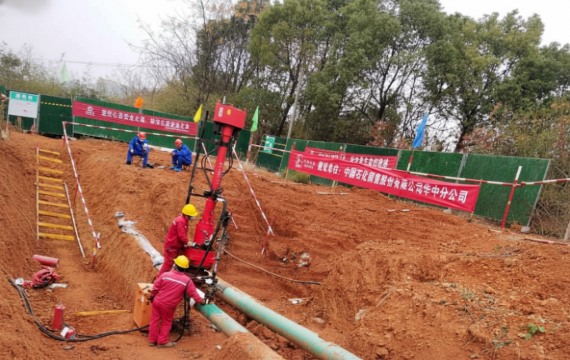
When infrastructure projects converge, the margin for error shrinks to zero. This was the reality for our client, Xuzhou Shihua Pipeline Special Operations Co., Ltd., during the Anhe Pipeline and Yongjin Road Crossing Relocation Project. A new railway construction was set to intersect an existing, high-stakes aviation fuel (jet fuel) pipeline. The 273mm outer diameter (DN250) pipeline, operating at a design pressure of 6.4 Mpa, was a vital artery for fuel supply. Any disruption or, worse, a failure during relocation would have resulted in significant financial losses, environmental hazards, and major supply chain disruptions for the aviation sector.
The client’s core challenge was not just moving a section of pipe, but doing so safely and without a full, costly system shutdown. They needed a partner who could perform a complex, high-pressure pipeline isolation procedure, allowing their crews to perform the relocation work in a dead-leg section. The project required:
- Zero Tolerance for Failure: The aviation fuel (jet fuel) presented a significant fire and environmental risk.
- Operational Continuity: A full pipeline shutdown was not an option, making a pipeline bypass installation and plugging method essential.
- Precision Engineering: The work needed to be executed with pinpoint accuracy to ensure a perfect seal on a live, high-pressure line.
The Solution: A Custom Hot Tapping and Line Stopping Strategy
As a specialized pipeline services company and equipment manufacturer, JSW was uniquely positioned to tackle this challenge. We proposed a robust hot tapping and line stopping project case study solution, which is precisely the scenario we excel at. Our strategy focused on a double block and stop procedure, which is a gold-standard high-pressure natural gas pipeline isolation procedure, even for liquid lines like aviation fuel.
Our team designed and implemented a custom onshore pipeline hot tapping service for railway construction. The key elements of our solution included:
- Site Assessment & Engineering: Our engineers first conducted a thorough site analysis to confirm pipeline specifications (DN250, 6.4 Mpa, L360M steel grade). We then engineered a bespoke pipeline bypass installation and plugging method that accounted for the specific pressure, medium, and safety requirements.
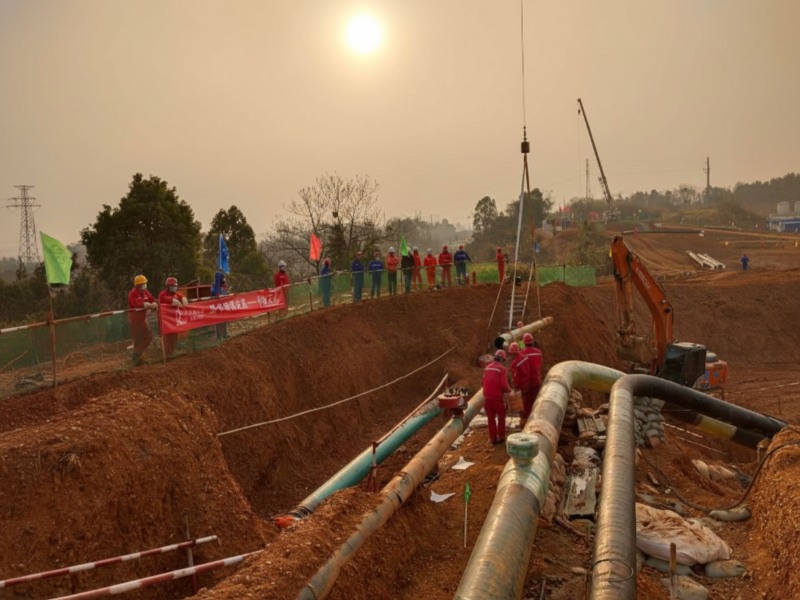
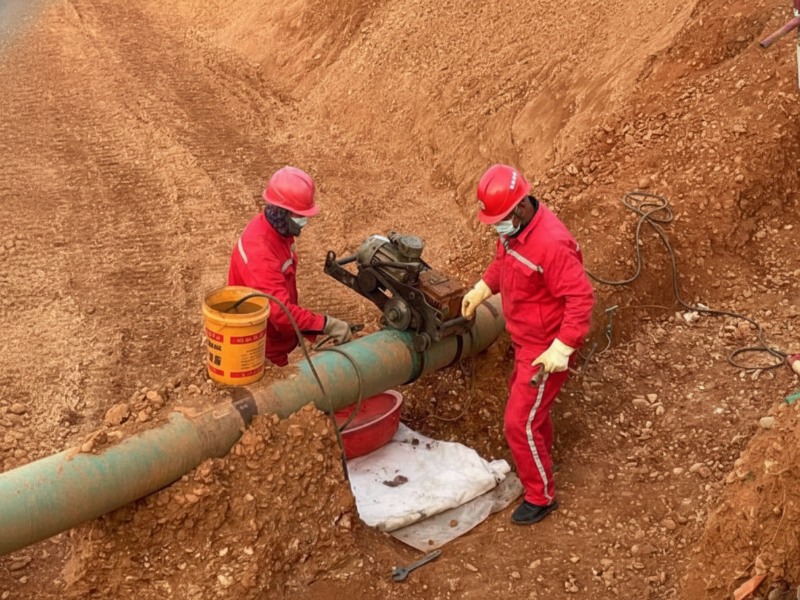
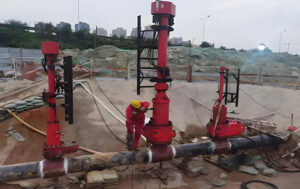
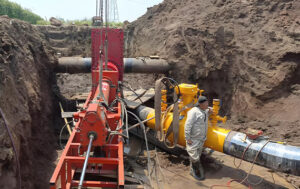
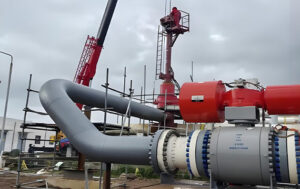
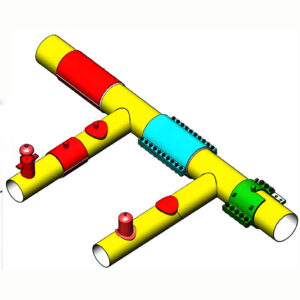
- Hot Tapping for Bypass: The first step was to perform two hot taps on the mainline. A hot tap, also known as pressure tapping, involves attaching a fitting and valve to the live pipeline and then cutting into the pipe under pressure. This allowed us to establish a temporary bypass line around the section to be relocated, maintaining flow for the client’s downstream operations.
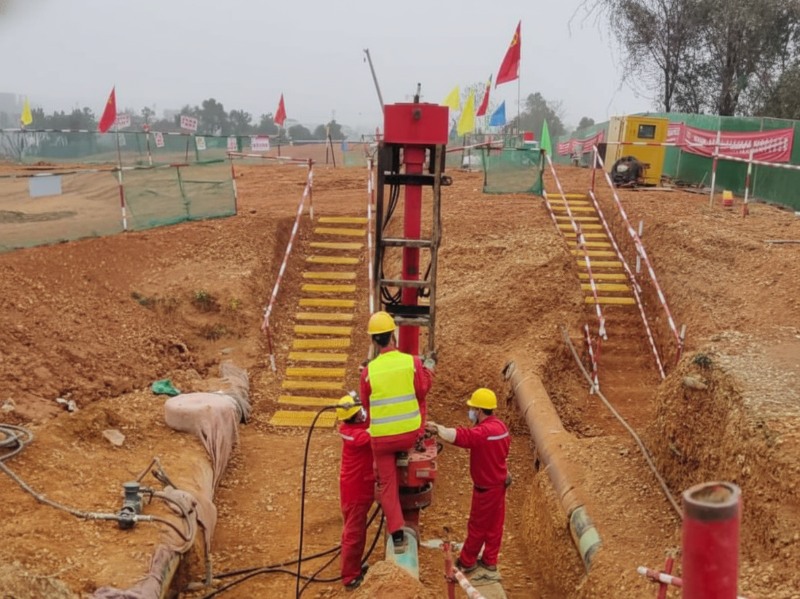
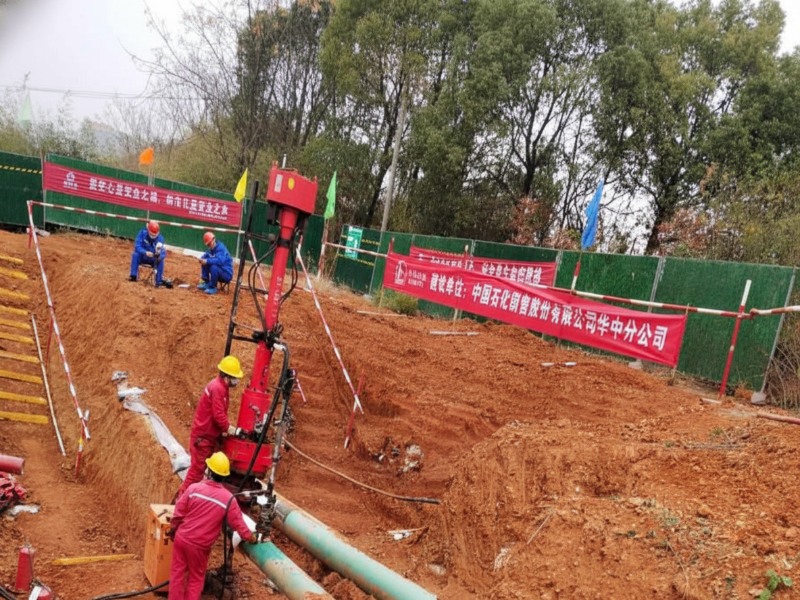
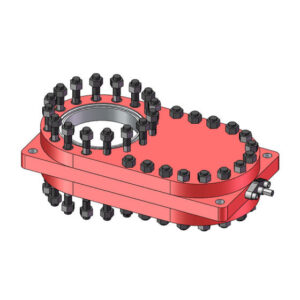
- Line Stopping (Double Block and Stop): With the bypass active, our technicians deployed line stopping equipment. For this high-pressure and safety-critical application, we used a double block and stop method. This involved inserting two separate plugging heads into the pipeline—one upstream and one downstream of the work zone—creating a secure, isolated, and depressurized work environment. This is a critical step in any L360M steel gas pipeline maintenance construction project, ensuring the integrity of the isolated section.
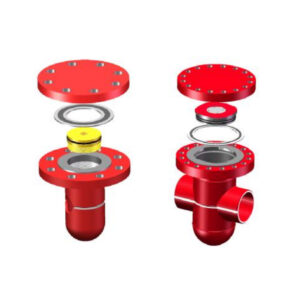
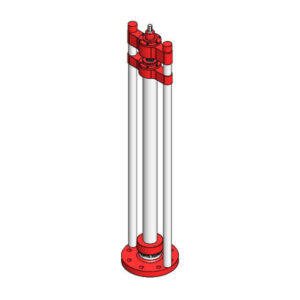
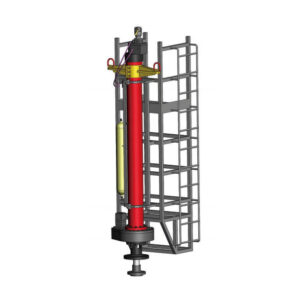
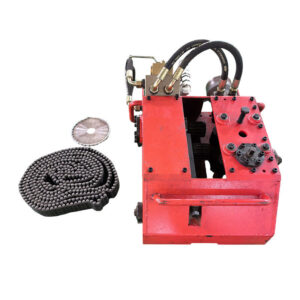
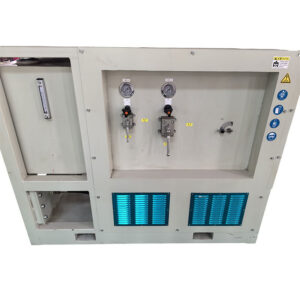
- Precision Equipment: We utilized our own JSW-branded, high-integrity hot tapping and line stopping machines. These tools are specifically designed for high-pressure applications and are a testament to our dual expertise as both a contractor and an equipment manufacturer.
The Implementation: Safe, Precise, and On Schedule
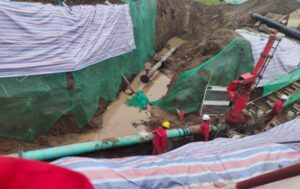
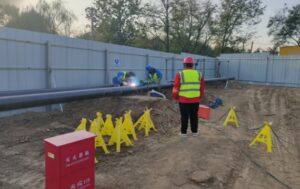
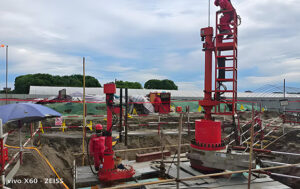
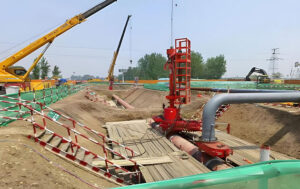
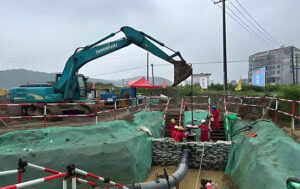
Execution began on December 13, 2021. Our team, comprised of certified welding specialists and pipeline intervention technicians, followed a meticulously planned procedure.
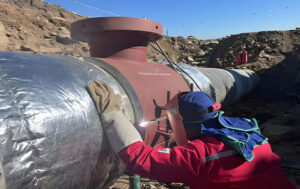
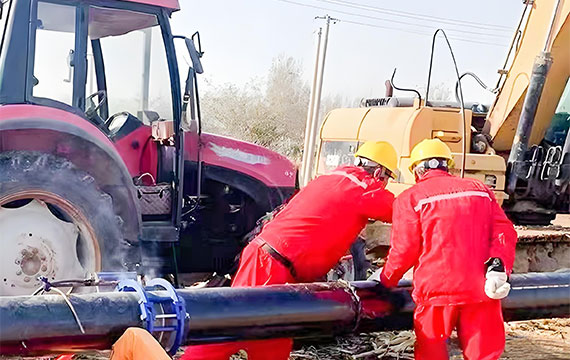
- Phase 1: Site Preparation & Fitting Installation: The pipeline was exposed, cleaned, and the specialized split-tee fittings were welded onto the mainline. All welds were subjected to rigorous non-destructive testing (NDT) before proceeding.
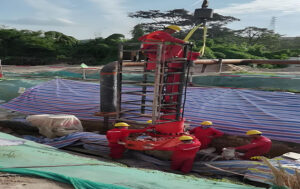
- Phase 2: Hot Tapping & Bypass Setup: We performed the hot taps to connect the temporary bypass line. Once verified, the bypass was opened, and the mainline valves were closed, diverting the flow.
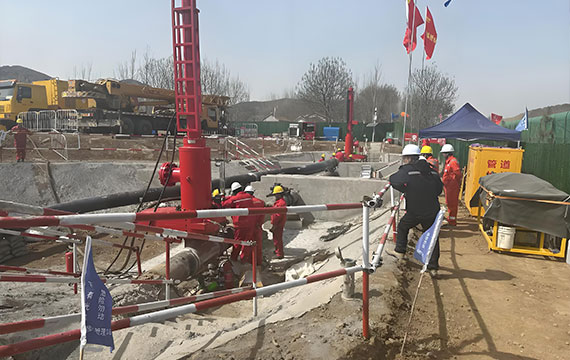
- Phase 3: Line Stopping (Isolation): This was the most critical phase. Using our line stopping equipment, we performed the double block and stop, isolating the work section. Pressure was bled down, and we confirmed zero flow and pressure within the isolated segment, creating a safe zone for the client to perform their relocation work.
- Phase 4: Client Work & System Restoration: With the safe zone established, the client’s team performed the pipeline relocation (tie-ins). Our crew remained on-site for support. After the new section was completed, we removed the line stopping equipment, reinstated the mainline flow, and closed the bypass.
Throughout the process, our team maintained strict adherence to safety protocols, ensuring a zero-incident record for the entire project.
The Results: Verified Safety and Uninterrupted Operations
The project was a definitive success, showcasing the power of a well-executed pipeline bypass installation and plugging method. By leveraging our expertise as a pipeline services company, we delivered outcomes that directly impacted our client’s bottom line and operational security.
- Zero Safety Incidents: The most critical metric. We completed the high-risk intervention with no injuries, no environmental leaks, and no damage to assets.
- Uninterrupted Pipeline Flow: The client’s aviation fuel supply chain was never compromised. The pipeline bypass installation ensured continuous operations while we secured the work zone.
- Schedule Adherence: The project was completed exactly on the planned schedule, preventing any delays in the associated railway construction project.
- Risk Mitigation: The double block and stop provided an unmatched level of isolation, giving the client absolute confidence to perform their work.
“The JSW team demonstrated exceptional technical expertise and project management. Their hot tapping and line stopping solution allowed us to complete the relocation safely and without a shutdown. Their experience as both a contractor and equipment manufacturer gave us confidence in the tools and the execution. They are a true pipeline contractor we can rely on.” – Project Manager, Xuzhou Shihua Pipeline Special Operations Co., Ltd.
Why JSW?
JSW is more than just a pipeline contractor. We are a comprehensive pipeline services company with a unique advantage: we are also a manufacturer of our own hot tapping and line stopping equipment. This dual identity means we don’t just use tools; we design, build, and perfect them.
Our services cover the entire lifecycle of pipeline infrastructure, including:
- Pipeline relocation and installation
- Onshore pipeline hot tapping service for all applications
- Emergency pipeline repair and maintenance
- Complex isolation projects like this high-pressure natural gas pipeline isolation procedure
When you partner with JSW, you gain a partner who understands the technical nuances of the equipment and the operational demands of the project. We don’t just complete jobs; we deliver engineered solutions that ensure safety, integrity, and operational excellence.





 English
  Arabic
  Russian
  Spanish