jasonsong889@gmail.com

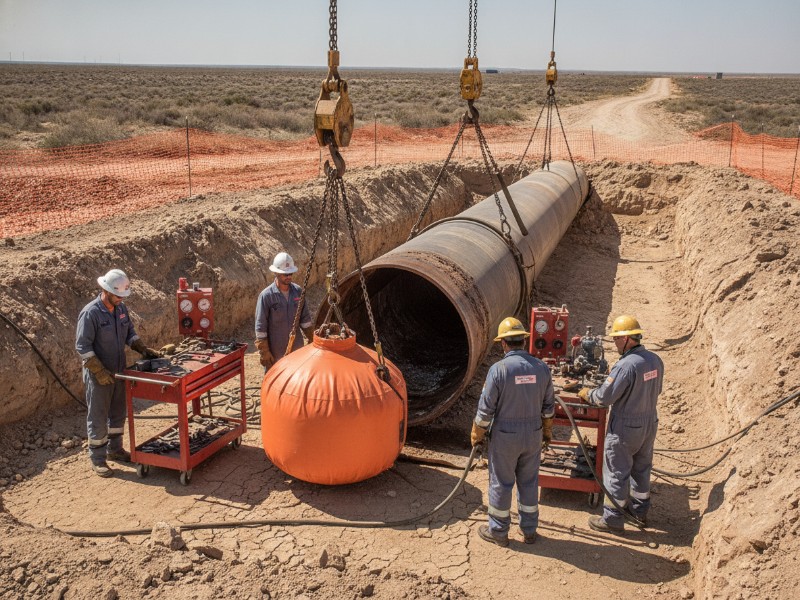
Four pipeline technicians in PPE work on a large steel gas pipeline in a dusty desert trench. An orange inflatable plug is lowered for remote field maintenance.

Как пневматические заглушки для трубопроводов высокого давления герметизируют корродированные трубы

High-pressure pneumatic pipeline plugs seal corroded pipes by using deformable elastomer seals, pressure-activated cup designs, and multi-element redundancy to conform to irregular surfaces and prevent leakage. Advanced designs also use segmented expansion and temporary fillers to compensate for corrosion pits and wall loss. What Is a Pipeline Plug? A pipeline plug is a temporary isolation
Как пневматические заглушки для трубопроводов высокого давления герметизируют корродированные трубы Читать далее »

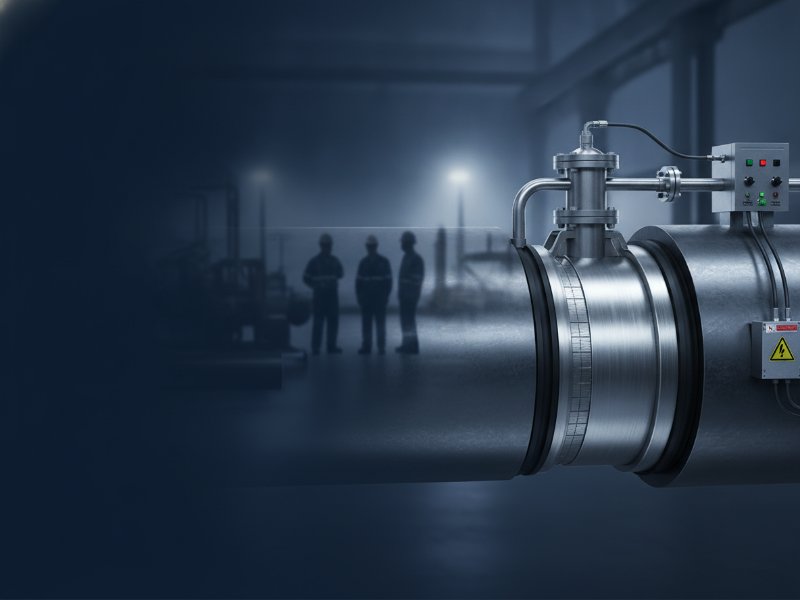
Detailed steel pipeline featuring an expanded plug, hot tap fitting, and bypass valve, in an industrial setting with blurred maintenance crew silhouettes.

How Does a Pipeline Plug Work for Pipeline Isolation? Principles, Types, and Cyclic Pressure Performance

Pipeline Plug Isolation in One Minute Field data shows that over 70% of pipeline isolation failures are linked to improper material selection or installation—not pressure overload. What Is a Pipeline Plug? A pipeline plug is a temporary internal isolation device inserted into a pressurized pipeline to stop flow and create a safe working section without

How Does a Pipeline Plug Work for Pipeline Isolation? Principles, Types, and Cyclic Pressure Performance Читать далее »

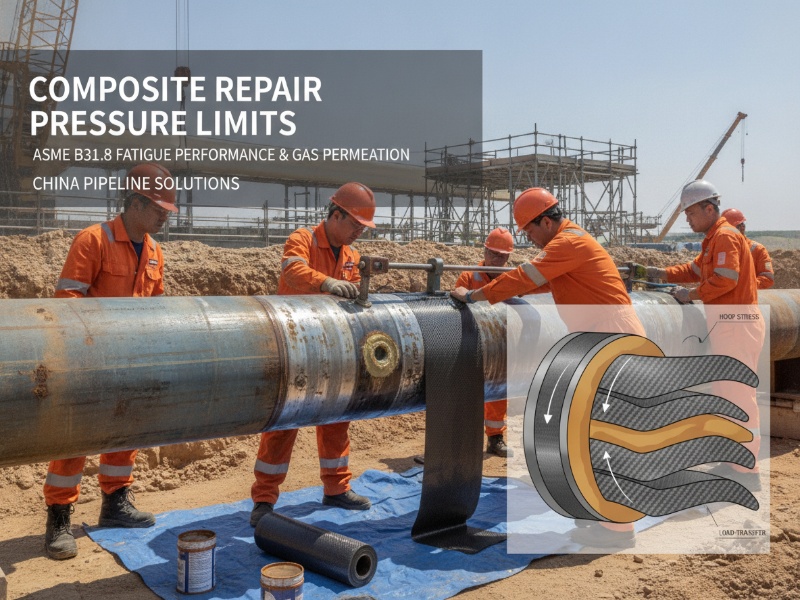
Construction site scene with engineers applying a composite wrap to a large steel pipeline. A technical diagram overlay shows composite repair layers, hoop stress, and load transfer.

How to Repair Through-Wall Gas Pipeline Defects with Engineered Composites: Pressure Limits, Permeation & ASME B31.8 Fatigue Data

Through-wall defects in gas pipelines create an immediate loss of pressure containment and require urgent repair. Engineered composite systems offer a proven solution for restoring up to 100% MAOP without shutdown—when designed to address cyclic fatigue and gas permeation. This guide explains ASME B31.8 and ISO 24817 pressure limits, compares carbon fiber versus glass fiber

How to Repair Through-Wall Gas Pipeline Defects with Engineered Composites: Pressure Limits, Permeation & ASME B31.8 Fatigue Data Читать далее »

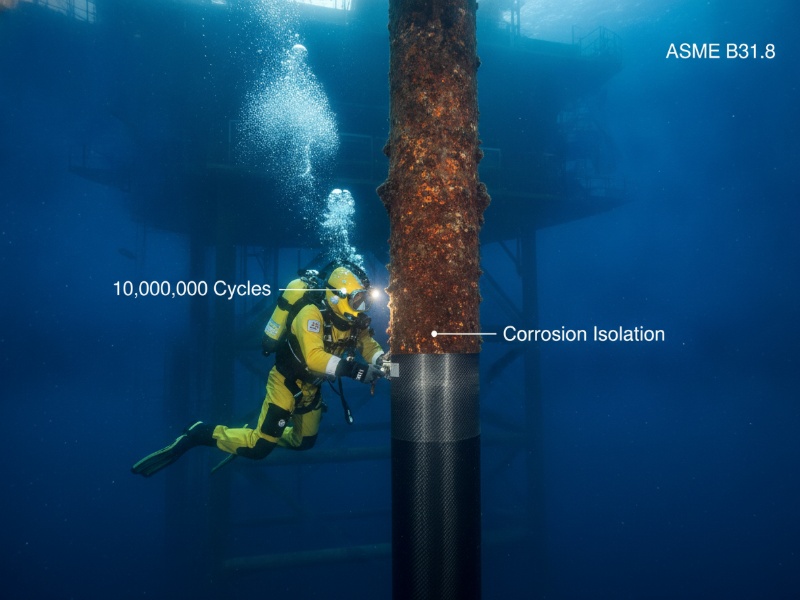
A diver in a yellow suit applies a carbon fiber composite wrap to a corroded offshore riser underwater for corrosion isolation near an oil platform.

Underwater Composite Repair for Corrosion Isolate Offshore Risers: Application Validation Under Severe Wave Action

Underwater composite repair for corrosion isolate offshore risers is a subsea rehabilitation method where carbon fiber wraps bonded with marine-grade epoxy restore mechanical strength and create a permanent corrosion barrier on damaged risers without shutdown or welding. When validated under severe wave action combined with cyclic pressure, carbon fiber systems demonstrate fatigue resistance exceeding 10,000,000

Underwater Composite Repair for Corrosion Isolate Offshore Risers: Application Validation Under Severe Wave Action Читать далее »

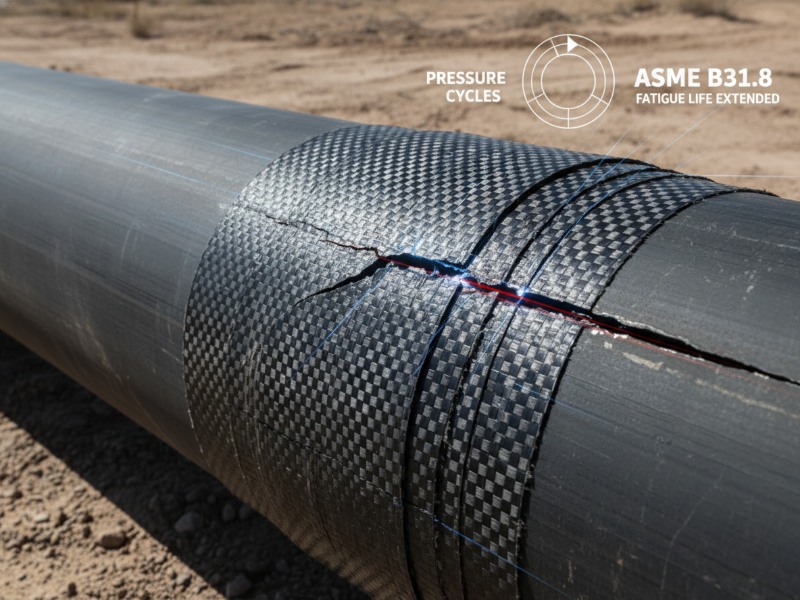
Cracked oil and gas pipeline segment in a desert, reinforced with a dark woven carbon fiber composite wrap. Graphics highlight extended fatigue life under ASME B31.8.

Долгосрочные эксплуатационные характеристики обмоток из углеродно-волокнистых композитов на трубопроводах, подвергающихся циклическому давлению: снижение риска появления усталостных трещин в соответствии со стандартом ASME B31.8

How Carbon Fiber Composite Wraps Extend Pipeline Fatigue Life (ASME B31.8 Guide) Carbon fiber composite wraps extend pipeline fatigue life by reducing crack tip stress intensity (ΔK) through load sharing, enabling up to 10 million pressure cycles and over 20 years of service under ASME B31.8. What is pipeline fatigue cracking?Pipeline fatigue cracking is the

Долгосрочные эксплуатационные характеристики обмоток из углеродно-волокнистых композитов на трубопроводах, подвергающихся циклическому давлению: снижение риска появления усталостных трещин в соответствии со стандартом ASME B31.8 Читать далее »

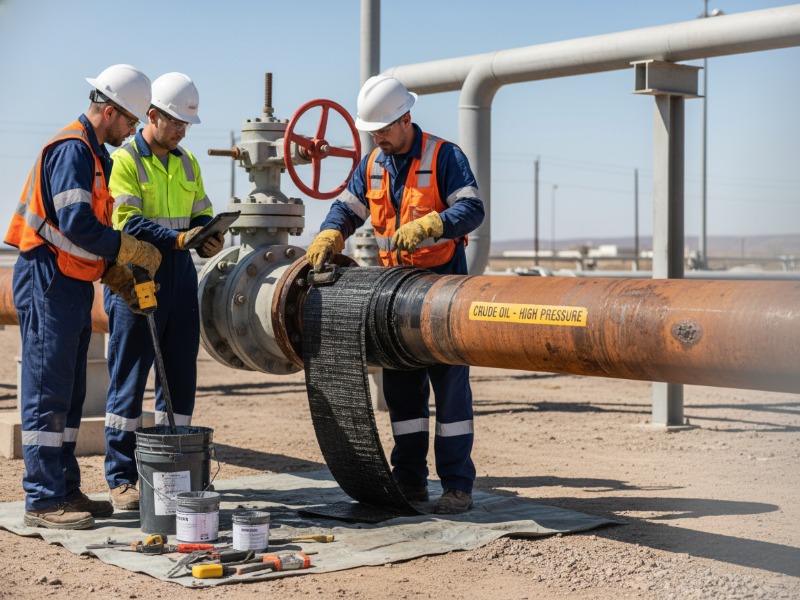
Three technicians in hard hats and reflective gear perform a composite wrap repair on a rusted crude oil pipeline in an outdoor industrial setting with tools.

ISO 24817 и ASME PCC-2, часть 4: Расчет толщины композитной обмотки при ремонте потерь в толще стенки под высоким давлением

ISO 24817 and ASME PCC-2 Part 4 are standards for composite wrap repair of pressurized pipelines. ISO 24817 uses a performance-based design that allows thinner, optimized repairs based on material testing, while ASME PCC-2 applies stricter safety factors, resulting in thicker and more conservative designs. In practice, ISO is typically used for moderate wall loss

ISO 24817 и ASME PCC-2, часть 4: Расчет толщины композитной обмотки при ремонте потерь в толще стенки под высоким давлением Читать далее »

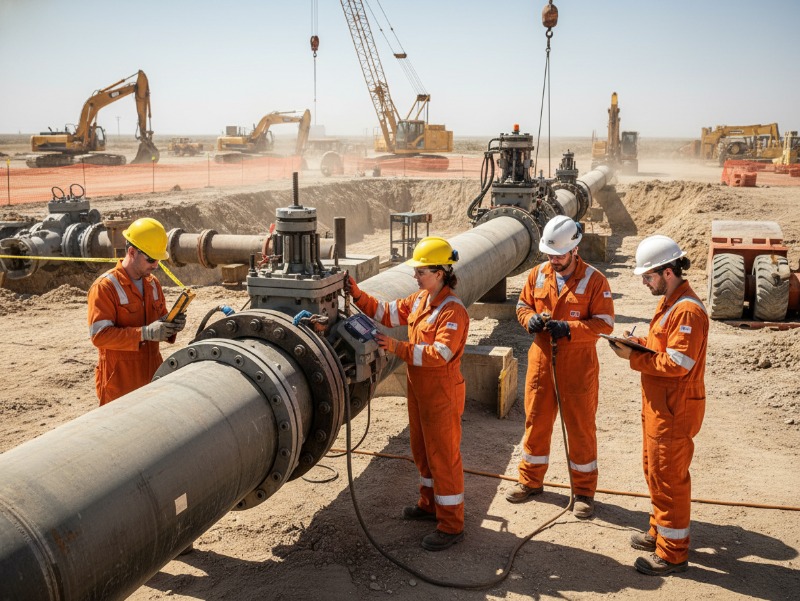
Инженерные техники в защитной экипировке осматривают большой стальной нефтегазопровод с помощью полевых приборов на запыленной строительной площадке, где работают экскаваторы.

Пределы овальности трубопровода при остановке линии (Руководство API 570)

Овальность трубопровода является решающим фактором при определении возможности безопасного выполнения операций по остановке линии в соответствии со стандартом API 570. На практике овальность, превышающая 3%, снижает эффективность уплотнения складной заглушки, а овальность, превышающая 5%, как правило, является недопустимой. В данном руководстве объясняются допустимые пределы, методы контроля, механизмы отказов, а также то, как принять решение о продолжении работ, компенсации или отказе от остановки трубопровода.

Пределы овальности трубопровода при остановке линии (Руководство API 570) Читать далее »

Professional industrial field operation on a large steel oil and gas pipeline in a remote desert, with technicians performing line stopping and hot tapping.

Расчет обходного пути при остановке трубопровода (ASME B31.4): как предотвратить высокоскоростную эрозию при проведении операций с использованием скребковых скребков

Piggyback line stopping requires diverting 85–95% of total flow through a bypass to keep annular velocity below 2.5 m/s. The required bypass flow is calculated using Q_bypass = Q_total − (V_allow × A_gap). If bypass is undersized, annular velocity can exceed 4–10 m/s, causing severe vibration and rapid stopping bar failure. Quick Calculation Box Bypass

Расчет обходного пути при остановке трубопровода (ASME B31.4): как предотвратить высокоскоростную эрозию при проведении операций с использованием скребковых скребков Читать далее »

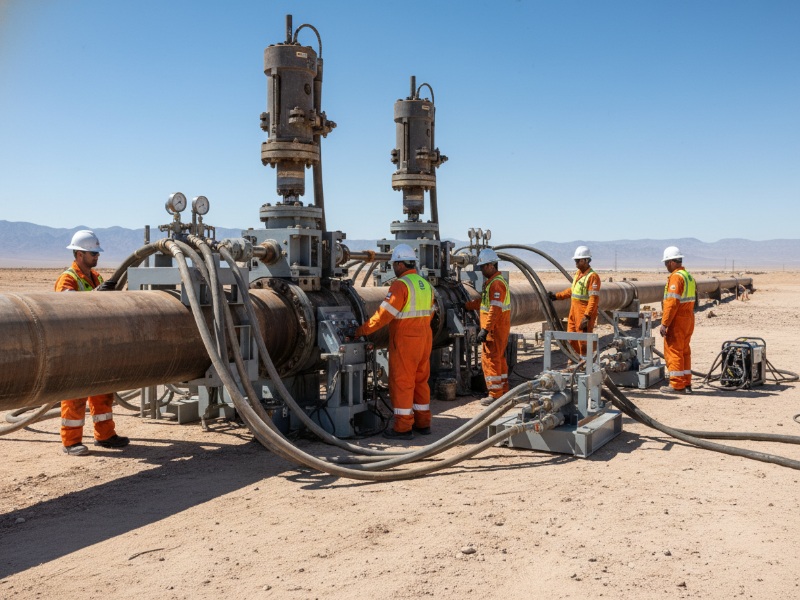
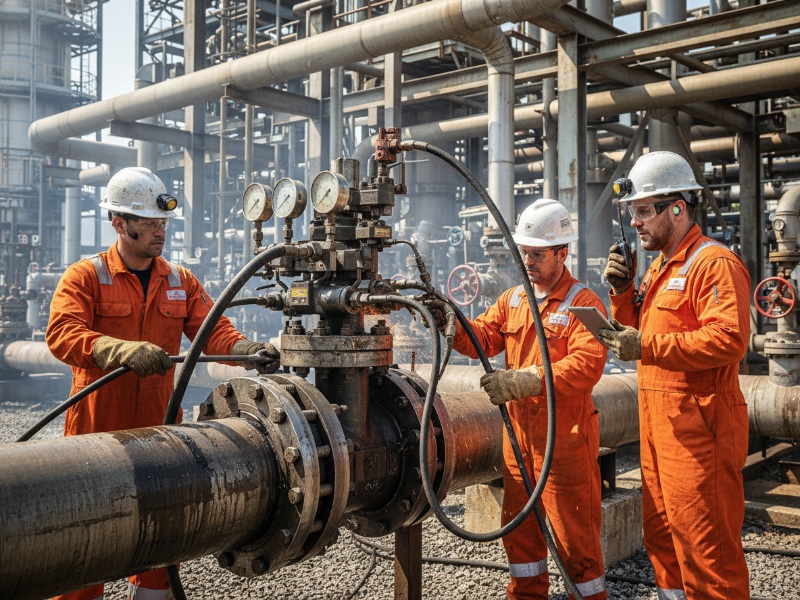
Three pipeline engineers in orange safety coveralls, hard hats, and gloves conducting maintenance on a large industrial steel pipeline with gauges.

DBB Line Stopping in Hot Crude Pipelines (150–260°C): FKM vs FFKM Selection, Testing, and Safety Limits

Best Elastomer for 150°C+ DBB Line Stopping For double block and bleed line stopping in high-temperature crude pipelines, the elastomer selection follows this rule: Elastomer Selection by Temperature Pipeline Condition Recommended Elastomer 150–170°C, low aromatics (<15%) FKM (minimum acceptable) 150–200°C, sour or high-aromatic crude FFKM required 170–200°C (any crude) FFKM recommended 200–260°C (any crude) Only

DBB Line Stopping in Hot Crude Pipelines (150–260°C): FKM vs FFKM Selection, Testing, and Safety Limits Читать далее »

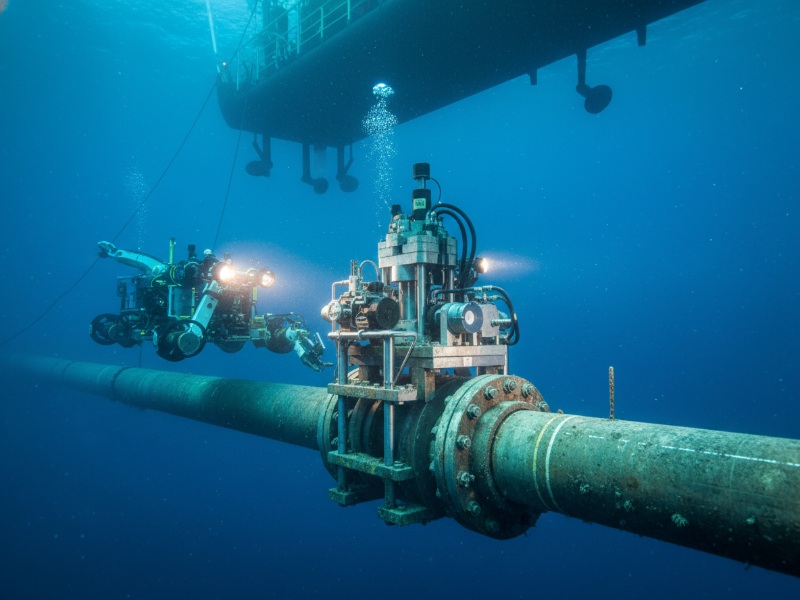
An ROV operates on a subsea pipeline's hot tap clamp in deep blue water. A ship's hull is overhead, with work lights illuminating the industrial scene.

Calculating Minimum Wall Thickness for In-Service Subsea Hot Tapping: Aligning with DNV-RP-F113

The minimum required wall thickness for in-service subsea hot tapping is defined by DNV-RP-F113 as the larger value between burst thickness (governed by internal pressure) and collapse thickness (governed by external hydrostatic pressure), after subtracting corrosion allowance. In deepwater conditions exceeding 700 meters, collapse pressure resistance typically governs the calculation. This guide provides step-by-step calculation

Calculating Minimum Wall Thickness for In-Service Subsea Hot Tapping: Aligning with DNV-RP-F113 Читать далее »