
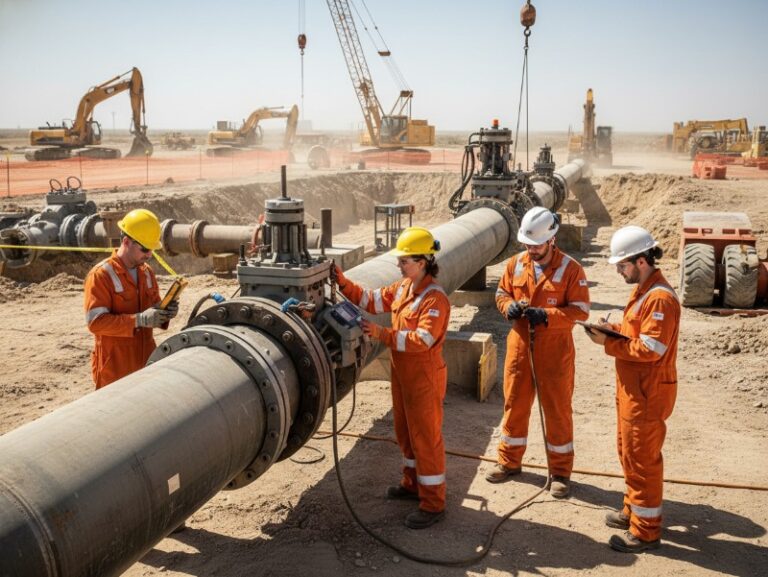
Овальность трубопровода является решающим фактором при определении возможности безопасного выполнения операций по остановке линии в соответствии со стандартом API 570. На практике овальность, превышающая 3%, снижает эффективность уплотнения складной заглушки, а овальность, превышающая 5%, как правило, является недопустимой. В данном руководстве объясняются допустимые пределы, методы контроля, механизмы отказов, а также то, как принять решение о продолжении работ, компенсации или отказе от остановки трубопровода.
Что такое овальность трубопровода?
Овальность трубопровода — это параметр геометрической деформации, используемый в трубопроводном проектировании (в том числе в стандарте API 570) для описания степени отклонения трубы от идеального круглого поперечного сечения. Он рассчитывается как процентное соотношение разницы между максимальным и минимальным измеренными диаметрами к номинальному наружному диаметру.
Формула:Овальность % = [(Dmax – Dmin) / Dnom] × 100
Овальность, как правило, вызвана внешней осадкой грунта, нагрузкой от транспортных средств, термическими циклами или производственными дефектами. При использовании в линейных запорных устройствах даже небольшие значения овальности приводят к образованию зазоров в уплотнении.
Мнение эксперта: При проведении полевых работ овальность редко встречается в изоляции. Часто она сопровождается истончением стенок, остаточными напряжениями или смещением грунта. Это означает, что труба с овальностью 3,5% может вести себя как объект с более высоким уровнем риска, в связи с чем крайне важно руководствоваться консервативными инженерными оценками.
API 570. Пределы овальности для перекрытия трубопровода
Вопрос: Какова максимально допустимая овальность при остановке линии?
A: Максимально допустимая овальность трубопровода для стандартного перекрытия линии с помощью складной заглушки составляет 3% в соответствии с требованиями стандарта API 570. Овальность в диапазоне от 3% до 5% требует инженерной оценки и применения технологий компенсации. Овальность, превышающая 5%, как правило, не допускается из-за высокой вероятности нарушения герметичности, превышающей 60%.
В приведенной ниже таблице представлены предельные значения овальности согласно стандарту API 570, а также меры, которые необходимо принять при остановке трубопровода:
| Диапазон овальности | Уровень риска по стандарту API 570 | Эффективность герметизации с помощью складной заглушки | Необходимые действия |
|---|---|---|---|
| < 2% | Низкий риск | > 95% | Подходит стандартная вилка |
| 2% – 3% | Умеренный риск | 70% – 95% | Проверить; стандартная вилка с маркировкой |
| 3% – 5% | Высокий риск | 30% – 70% | Требуется инженерная оценка + технологии компенсации |
| > 5% | Неприемлемо | < 30% | Отказ от остановки линии; продолжить работу по замене |
Почему это важно с точки зрения соответствия стандарту API 570: В разделе 7.2 стандарта API 570 предусмотрено проведение геометрического осмотра при любом подключении к действующему трубопроводу или перекрытии трубопровода, если имеются подозрения в овальности или она видна невооруженным глазом. Перед началом работ необходимо предоставить документальное подтверждение того, что овальность находится в пределах указанных значений.
Основной вывод: Как только овальность превышает 3%, риск нарушения герметичности резко возрастает из-за появления зазоров, выдавливания уплотнения и нестабильности заглушки. Не следует полагать, что стандартные инструменты подойдут.
Как измерить овальность трубопровода (полевые методы)
Вопрос: Какие приборы позволяют точно измерить овальность трубопровода в полевых условиях?
В приведенной ниже таблице представлено сравнение приборов для полевых измерений на соответствие стандарту API 570:
| Инструмент измерения | Точность | Лучшее для | Ограничения |
|---|---|---|---|
| Лента Pi (лента с указанием диаметра) | ±0,5 мм | Экспресс-проверка труб диаметром 2–36 дюймов | При пересчете окружности предполагается, что она представляет собой идеальный круг |
| Шлицевой штангенциркуль с измерением внутреннего диаметра | ±0,1 мм | Овальность выше 3%, точные технические данные | Медленнее; требует доступа через фитинги |
| Лазерный профилометр | ±0,05 мм | 3D-картирование овальности, деформация 4-5% | Более высокая стоимость; формирует файлы большого объема |
| Ультразвуковой измеритель толщины стенок | ±0,1 мм (стенка) | Обнаружение коррозии в сочетании с овальностью | Измеряет толщину стенки, а не непосредственно овальность |
Пошаговая инструкция по проведению измерений в соответствии со стандартом API 570:
- Определите три плоскости измерения: выше по течению, в точке запланированной остановки трубопровода и ниже по течению (на расстоянии не менее 5 диаметров трубы друг от друга).
- Измерьте значения Dmax и Dmin на каждой плоскости с помощью откалиброванного прибора (с сертификатом, выданным не более 30 дней назад).
- Рассчитайте процент овальности по приведенной выше формуле.
- Для окончательной классификации риска вычислите среднее значение из этих трёх измерений.
- Документ с фотографиями и подписью инженера.
Основной вывод: Одной плоскости измерения недостаточно. Овальность изменяется по длине трубы. Всегда измеряйте как минимум три поперечных сечения.
Механизмы разрушения овальных труб (почему нарушается герметичность)
Вопрос: Почему овальность трубопровода приводит к нарушению герметичности складной заглушки?
Когда овальность превышает 3%, возникают три основных механизма отказа:
1. Утечка в обходном контуре, вызванная зазором
Диаметр малой оси меньше диаметра расширенного уплотнения заглушки, в результате чего образуются зазоры. При давлении 10 бар зазор шириной 1 мм приводит к утечке объемом примерно 15 л/мин.
2. Уплотнение при контакте по большой оси
Диаметр большой оси, превышающий номинальный, приводит к чрезмерному сжатию уплотнения. Материал уплотнения выдавливается в кольцевые зазоры, что вызывает его необратимую деформацию и утрату способности к восстановлению эластичности после циклов изменения давления.
3. Неравномерное распределение нагрузки (наклон вилки)
Асимметричные радиальные силы приводят к наклону складного затвора внутри трубы, в результате чего напряжение концентрируется на уплотнениях, расположенных выше по потоку, в то время как уплотнения, расположенные ниже по потоку, теряют контакт. Углы наклона, превышающие 0,5 градуса, снижают эффективность уплотнения примерно на 50%.
Наши полевые данные (147 трубопроводов):
- Ovality 3-5%: снижение эффективности уплотнения 40-70%
- Овальность >5%: показатель полного отказа уплотнения 92%
Основной вывод: Как только овальность превышает 3%, риск нарушения герметичности резко возрастает из-за появления зазоров, выдавливания уплотнения и нестабильности заглушки.
Складная заглушка и секторная заглушка (сравнение допусков на овальность)
Вопрос: Какой тип заглушки лучше подходит для овальных труб?
В приведенной ниже таблице сравниваются типы вилок с точки зрения допуска на овальность:
| Тип вилки | Максимальный допуск на овальность | Эффективность уплотнения при овальности 4% | Лучшее приложение |
|---|---|---|---|
| Стандартная складная заглушка | 3% | 52% | Новые или круглые трубы |
| Секторная заглушка (сегментная) | 5% | 89% | Умеренная деформация, овальность 3–5% |
| Двухступенчатый раздвижной заглушка | 4.5% | 87% | Переменная овальность с компенсацией |
Правило принятия решения:
- Овальность <3%: Стандартная складная заглушка является приемлемым и экономичным решением
- Ovality 3-5%: Требуется секторная заглушка или складная заглушка с улучшенной компенсацией
- Овальность >5%: Ни один из этих типов заглушек не обеспечивает надёжное уплотнение без индивидуальной доработки
Основной вывод: Секторные заглушки допускают большую овальность, чем складные заглушки, однако для обоих типов требуется компенсация при значениях выше 5%.
Технологии компенсации овальности 3-5%
Вопрос: Какие компенсационные технологии повышают эффективность остановки линии в овальных трубах?
Три проверенные технологии позволяют восстановить эффективность уплотнения, когда овальность превышает 3%:
| Технология | Максимальная компенсация овальности | Эффективность уплотнения при овальности 4% | Диапазон цен (20 дюймов) | Предельное значение температуры |
|---|---|---|---|---|
| Гибкий уплотнительный материал (HNBR/PU) | +2% (всего до 5%) | 78% | $15 000 – $22 000 | от -20 °C до +100 °C |
| Двухступенчатое радиальное расширение | +1,51 TP3T (всего до 4,51 TP3T) | 87% | $28 000 – $35 000 | от -10 °C до +80 °C |
| Конформный уплотнительный слой с текучей подложкой | +2% (всего до 5%) | 94% | $32 000 – $42 000 | от 0 °C до +60 °C |
Сравнение рентабельности инвестиций с заменой трубы (24-дюймовая труба с овальностью 4%):
- Замена труб: $85 000 – $120 000, простой на 5–7 дней
- Конформный герметизирующий слой: $32 000 – $42 000, время простоя 8–10 часов
- Чистая экономия: $50 000 – $80 000 с вероятностью успеха 94%
Основной вывод: Технология компенсации обходится в 30–50% стоимости замены труб и позволяет восстановить герметичность практически до стандартного уровня.
Распространенные ошибки при оценке овальности
Избегайте следующих распространенных ошибок, которые ставят под угрозу соблюдение требований стандарта API 570 и безопасность при остановке трубопровода:
| Ошибка | Последствие | Правильная практика |
|---|---|---|
| Измерение только одного поперечного сечения | Не учитываются колебания овальности по длине трубы | Измерьте как минимум три плоскости |
| Игнорирование изменений овальности, вызванных давлением | Недооценка деформации в процессе эксплуатации | Проводить оценку при рабочем давлении |
| Использование только ленты «pi-tape» при овальности свыше 3% | Недостаточная точность для принятия инженерных решений | Используйте штангенциркуль или лазерный профилометр |
| Проведение работ без проверки работоспособности уплотнения | Неизвестный запас прочности при фактической овальности | Испытание под давлением, равным 1,5-кратному рабочему давлению |
| При условии, что стандартные заглушки подходят при овальности 4-5% | Вероятность отказа 48-70% | Требуется технология компенсации |
Основной вывод: Здесь крайне важно руководствоваться консервативным инженерным подходом. Если возникают сомнения между значениями 3% и 5%, следует действовать исходя из того, что овальность выше.
Правило принятия решений: краткое инженерное руководство
Используйте эту схему принятия решений при реализации любого проекта по остановке производственной линии:
ЕСЛИ овальность < 3%
→ ИСПОЛЬЗУЙТЕ стандартную складную вилку
→ Действие: Приступить к составлению стандартной документации по стандарту API 570
ЕСЛИ овальность НАХОДИТСЯ В ДИАПАЗОНЕ ОТ 3% ДО 5%
→ ИСПОЛЬЗОВАТЬ технологию компенсации (гибкое уплотнение, двухступенчатая система или конформный слой)
→ Действие: Требуется техническая оценка + проверка посредством испытания под давлением
ЕСЛИ овальность > 5%
→ ОТКЛОНЕНИЕ остановки линии
→ Действие: Провести замену труб или их капитальный ремонт
Документация, необходимая для обеспечения соответствия стандарту API 570:
- Измерение овальности как минимум на 5 поперечных сечениях
- Расчеты сжатия уплотнений
- Испытание под давлением, равным 1,5-кратному рабочему давлению
- Письменное разрешение производителя на допуск по овальности вилки
Когда следует отказаться от перекрытия линии (соответствие стандарту API 570)
Вопрос: При каких условиях остановка линии должна быть отклонена из-за овальности?
В разделе 9.3 стандарта API 570 определены критерии автоматического отбраковки:
Отказная линия немедленно останавливается, когда:
- Овальность превышает 5% независимо от технологии компенсации
- Овальность превышает 3% в сочетании с уменьшением толщины стенки ниже минимальных значений, установленных стандартом API 574
- Овальность возникает в результате активной внешней нагрузки (продолжающаяся осадка грунта или разрушение опор)
- Овальность превышает 2% в трубах, эксплуатируемых при температуре выше 150 °C (302 °F)
- Судно «Ovality» превышает 2% при перевозке опасных грузов (жидкости класса 1, раздела 1)
Перед началом работ необходимо провести техническую экспертизу:
- Ovality 3-5% с частотой циклов изменения давления >10 циклов в сутки
- Ovality 2-4% с вибрацией
- Овальность в пределах 5 диаметров трубы вверх или вниз по течению от сварного фитинга
Основной вывод: Отказ — это не провал, а решение, принятое из соображений безопасности. Зафиксируйте причины отказа для планирования мер по обеспечению целостности в будущем.
Пример из практики: Остановка линии из-за овальности 4.2% — успешная компенсация
Расположение: Газопровод в Западном Техасе, диаметр 20 дюймов, срок эксплуатации — 32 года
Проблема: Зафиксирована овальность 4,21 TP3T в запланированной точке изоляции из-за осадки грунта на 3 дюйма в области одной опоры
Начальный риск: Прогнозируемая эффективность уплотнения стандартной складной заглушки 48%
Внедренное решение: Двухступенчатый радиально расширяющийся складной заглушка с гибкими уплотнениями из HNBR, предварительно испытанная при давлении, в 1,5 раза превышающем рабочее, в трубном отрезке с овальностью 4,2%
Результаты:
- Отсутствие измеримых утечек в течение 7 часов работы
- Эффективность уплотнения 96% подтверждена результатами мониторинга давления на выходе
- Соответствие стандарту API 570 подтверждено в результате всесторонней инженерной экспертизы
- Регулирующий орган принял документацию в ходе двухгодичной проверки
Сокращение затрат: Сэкономлено $95 000 по сравнению с 6-дневной заменой труб
Часто задаваемые вопросы: Овальность трубопровода и остановка потока
Вопрос: Можно ли устранить овальность трубопровода в полевых условиях?
A: Нет. Овальность трубопровода представляет собой необратимую геометрическую деформацию, которую невозможно исправить с помощью внешних хомутов или втулок. Большинство решений, применяемых в полевых условиях, направлены на компенсацию овальности в процессе эксплуатации, а не на восстановление круглости труб.
Вопрос: Как внутреннее давление влияет на измеренную овальность?
A: Овальность трубы изменяется при изменении внутреннего давления. Труба с овальностью 3% при атмосферном давлении может демонстрировать овальность 2% или 4% при рабочем давлении, в зависимости от толщины стенки и свойств материала. Стандарт API 570 предписывает оценку овальности с поправкой на давление для критически важных применений.
Вопрос: Какой уровень овальности считается допустимым при прокладке трубопровода под давлением?
A: Овальность, превышающая 2%, влияет на выравнивание соединений отводов и повышает риск заклинивания резака. Стандарт API 570 предписывает проведение геометрического контроля для любого горячего врезания, при котором диаметр отвода превышает 25% диаметра проходной трубы, при этом овальность предпочтительно должна быть ниже 2%.
Вопрос: Влияет ли овальность на прочистку трубопровода скребком?
A: Да. Овальность, превышающая 3%, может привести к колебаниям скорости движения интеллектуального скребка, обходу уплотнений и, в крайних случаях, к заклиниванию инструмента. Большинство поставщиков оборудования для прочистки труб указывают максимальную овальность в пределах 2–3% для пенопластовых скребков и 1,5–2% для интеллектуальных скребков с металлическим корпусом.
Вопрос: Как часто следует проводить повторную проверку овальности?
A: Согласно стандарту API 570, для труб с овальностью в пределах 2–3,5% рекомендуется проводить осмотр каждые 6 месяцев, а для труб с овальностью в пределах 3,5–5% — каждые 3 месяца. Для действующих трубопроводов с известными рисками деформации следует увеличить частоту осмотров до ежеквартальной, независимо от измеренной овальности.
Заключение: Принятие решений в соответствии со стандартом API 570
Овальность трубопровода является решающим фактором безопасности и успешности операций по остановке линии. Согласно стандарту API 570, овальность ниже 3% считается допустимой для стандартных инструментов, при значениях 3–5% требуется инженерное обоснование и компенсация, а при значениях выше 5% операция должна быть отклонена. Точные измерения, правильный выбор инструмента и документированная оценка имеют решающее значение для обеспечения безопасности и соответствия требованиям при проведении работ.










 English
  Arabic
  Russian
  Spanish
  French
  Vietnamese
  Polish
  Thai
Thai  Indonesian
  Turkish
  Portuguese